Search Results for: breathable paint stucco

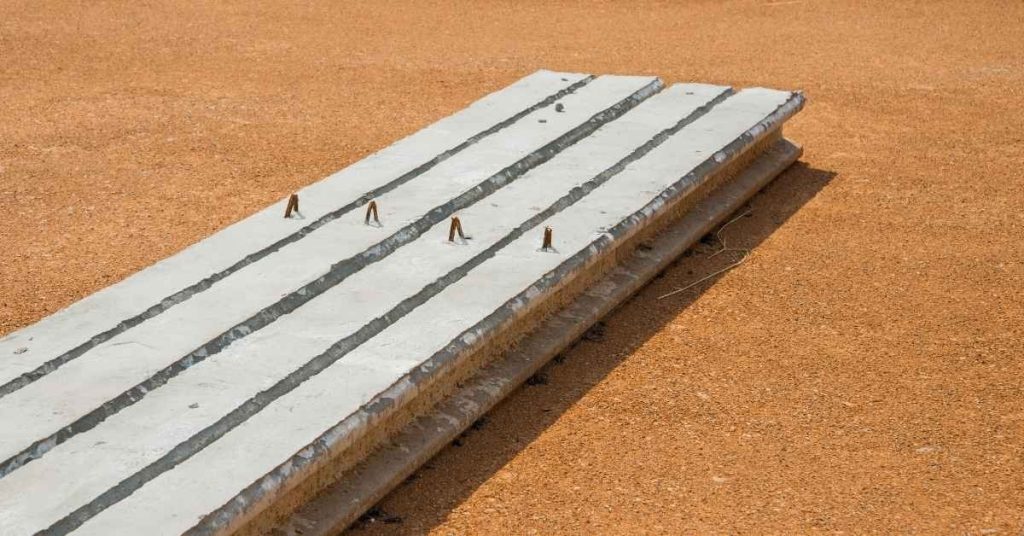
Concrete precast panel with exposed rebar on sandy ground

Penetrating Sealers Vs Film Sealers on Concrete: Picking One That Won’t Peel Outdoors

Introduction Penetrating sealers soak into the concrete and block moisture from within. Film sealers stay on the surface and create a protective film. Both aim to slow water and stain absorption, but they behave differently outdoors. Choose penetrating sealers for natural look and breathability on outdoor slabs. Film sealers can enhance color and provide a […]

Penetrating Sealers Vs Film Sealers on Concrete: Picking One That Won’t Peel Outdoors Read More »
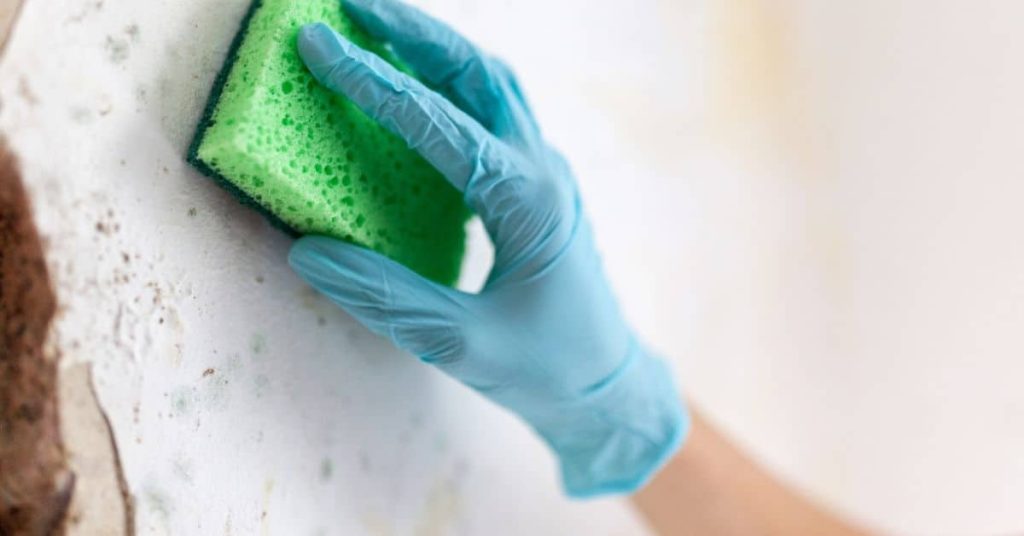
Hand in blue glove cleaning white wall with green sponge

Cleaning and Resealing Polished Plaster: Soap Scum, Dull Spots, and Refresh Coats

Introduction Cleaning and resealing polished plaster means removing soap scum and dull spots and applying a fresh protective coat. This is a hands-on DIY job that restores the surface without tearing it out. Expect a light scrubbing, careful rinse, and a new sealant layer following the manufacturer’s instructions. Before you start, check the product labels

Cleaning and Resealing Polished Plaster: Soap Scum, Dull Spots, and Refresh Coats Read More »

Stone column bases and brick wall with light reflections

Brick Chimney Crown Repairs: Why Crowns Crack and How to Form Better Ones

Introduction A brick chimney crown is the concrete cap that sits on top of a brick chimney and keeps water out. Cracks show that the crown is failing and needs attention to prevent water damage. In this DIY guide, you’ll learn a practical, hands-on approach to inspecting, preparing, and forming a better crown. Always check

Brick Chimney Crown Repairs: Why Crowns Crack and How to Form Better Ones Read More »

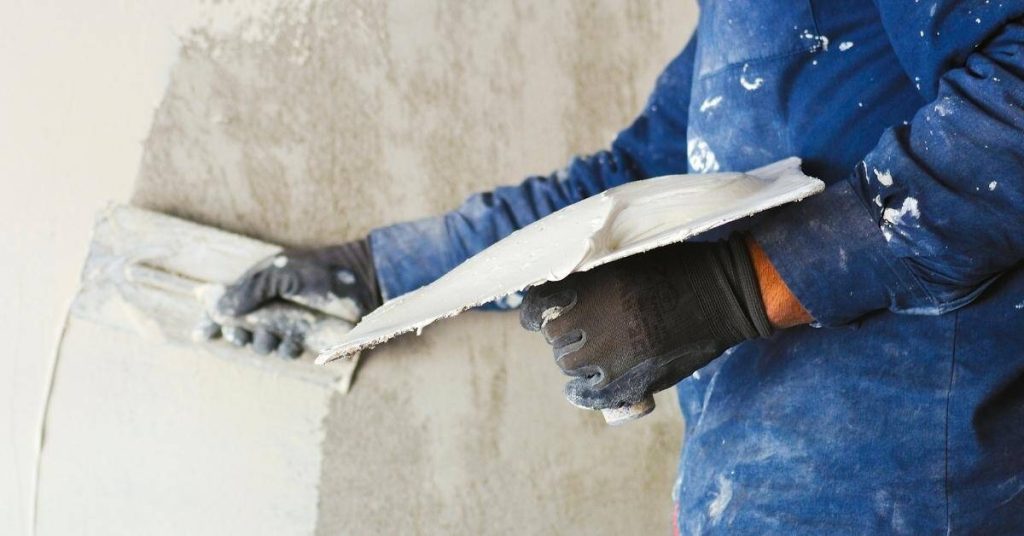
Person applying plaster to wall with trowel and hawk

Plaster Timing vs Indoor Humidity: Avoiding Flashing, Soft Spots, and Patch Ghosting

Introduction Plaster timing vs indoor humidity is about when to plaster based on how damp the air and surfaces are. Doing it at the wrong moment can lead to flashing, soft spots, or patch ghosting that shows later. Check the product label and manufacturer instructions for open time and cure expectations, and adjust with airflow

Plaster Timing vs Indoor Humidity: Avoiding Flashing, Soft Spots, and Patch Ghosting Read More »

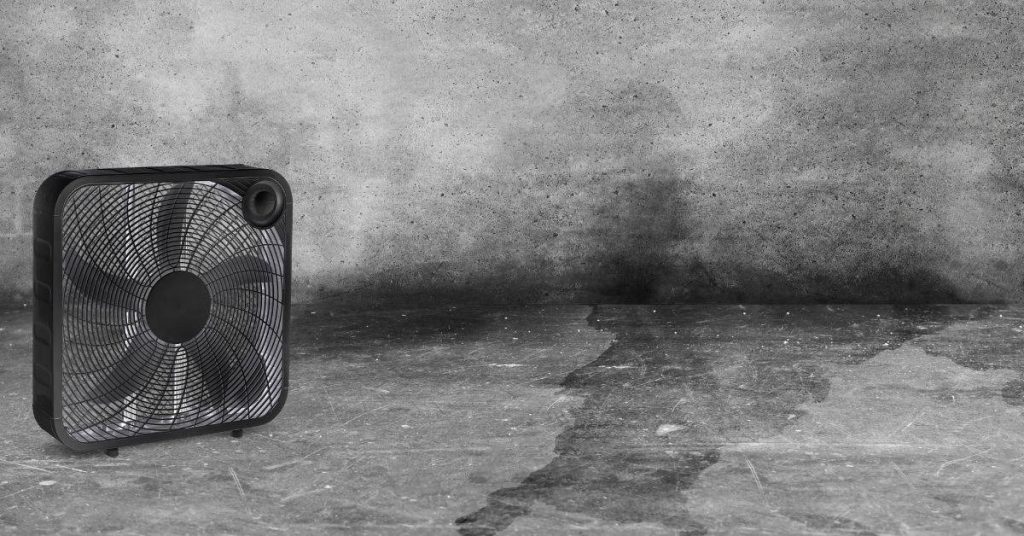
Box fan on concrete floor with dark moisture stains on wall

Concrete Block Moisture Problems: Capillary Rise, Sealers, and Interior Coatings That Make Sense

Introduction Moisture problems in concrete blocks happen when water wicks through the wall, showing up as damp patches and mineral blooms. This is commonly caused by capillary rise and can occur even when the surface seems dry. To deal with it, you need to identify where the moisture is coming from and how the wall

Concrete Block Moisture Problems: Capillary Rise, Sealers, and Interior Coatings That Make Sense Read More »

unfinished concrete block building under clear sky

Foundation Parging Over Concrete Block: Durability, Breathability, and Grade Detailing

Introduction Foundation parging over concrete block is the thin coating that seals and smooths the surface while letting moisture breathe. It’s a DIY-friendly job, but it needs clean blocks, good adhesion, and careful edge detailing. Plan your surface prep, mix consistency, and control of joints before you start. Durability comes from proper prep, correct application,

Foundation Parging Over Concrete Block: Durability, Breathability, and Grade Detailing Read More »

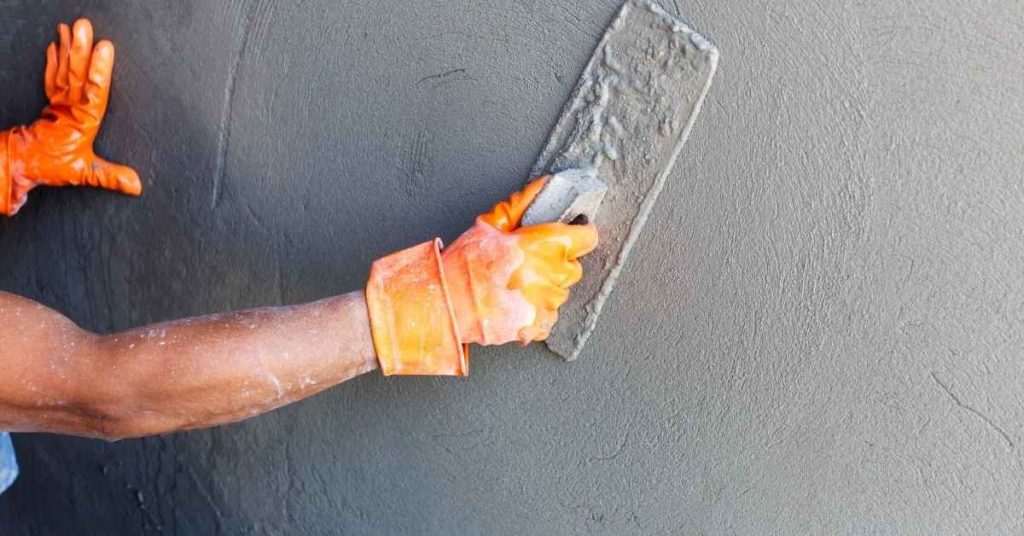
Worker smoothing wet plaster on wall with trowel wearing orange gloves

Plaster Blisters from Trapped Moisture: Drying Strategy Before You Re-Skim

Introduction Blisters in plaster happen when moisture is trapped behind the skim coat, causing bubbles. Before you re-skim, the goal is to dry out the area and reattach loose material. Check the plaster surface for loose edges and follow manufacturer instructions or local rules for drying. Give the area plenty of ventilation and use gentle

Plaster Blisters from Trapped Moisture: Drying Strategy Before You Re-Skim Read More »

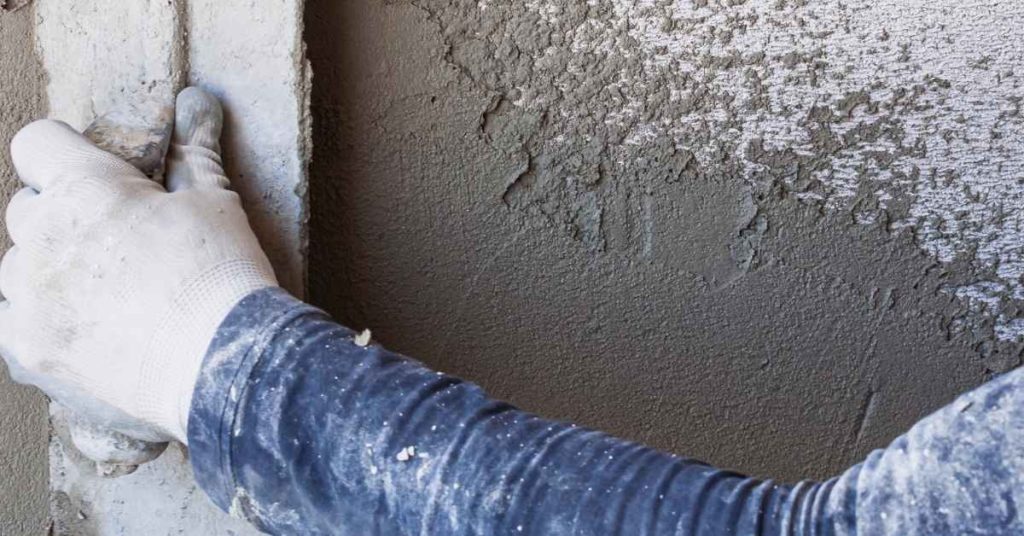
Worker smoothing plaster on a wall with a trowel

Microcement Over Old Plaster: Bond Layers, Movement Risk, and Sealer Selection

Introduction Microcement over old plaster means applying a thin cement-based coating on top of a plaster substrate with careful surface prep. Start by cleaning the surface and repairing obvious flaws to give the new layer something to grip. Roughen or abrade slightly and use an appropriate bonding primer to improve adhesion. Movement risk comes from

Microcement Over Old Plaster: Bond Layers, Movement Risk, and Sealer Selection Read More »

Stone fireplace surrounded by plaster walls and large windows

Clay Plaster in Entryways: Scuff Resistance, Touch-Ups, and Protective Finishes

Introduction Clay plaster in entryways is a clay-based finish applied to walls to create a durable, breathable surface. In busy entry spots you’ll want to understand how it resists scuffs and how touch-ups go when scuffs happen. Check product labels and local rules for any limits on sealing or indoor use before you start. Touch-ups

Clay Plaster in Entryways: Scuff Resistance, Touch-Ups, and Protective Finishes Read More »