Search Results for: bonding agent plaster

Brick chimney with smoke emitting against blue sky

Chimney Stucco Failures: Heat, Cracks, and Repair Choices

Introduction Chimney stucco failures are cracks and deterioration in the exterior plaster caused by heat exposure, moisture, and movement. These issues show up as hairline cracks, spalling, or texture changes that let water in. Addressing them early keeps water out and protects the brick or block behind the finish. To start, inspect for cracks that […]

Chimney Stucco Failures: Heat, Cracks, and Repair Choices Read More »

Close-up of moss growing on deteriorating concrete edge

Feather-Edge Concrete Repairs: When They Fail and Better Build-Up Methods

Introduction Feather-edge concrete repairs are a method to rebuild a thin, tapered edge on damaged concrete so it blends with the surrounding slab. This approach is hands-on and relies on proper surface prep, bonding, and gradual build-up rather than full removal. If the edge is chipped but the rest of the slab is sound, a

Feather-Edge Concrete Repairs: When They Fail and Better Build-Up Methods Read More »

Open paint cans with various colors on wooden surface

Uneven Coverage With Dark Colors: Undercoats and Recoat Strategy

Introduction Uneven coverage with dark colors happens when undercoats and topcoats don’t lay down evenly, leaving visible patches and color shifts. That’s usually tied to how you prep, prime, and apply the coats. A careful, consistent plan helps you avoid mottling and streaks on the final finish. Start by choosing a primer and undercoat strategy

Uneven Coverage With Dark Colors: Undercoats and Recoat Strategy Read More »

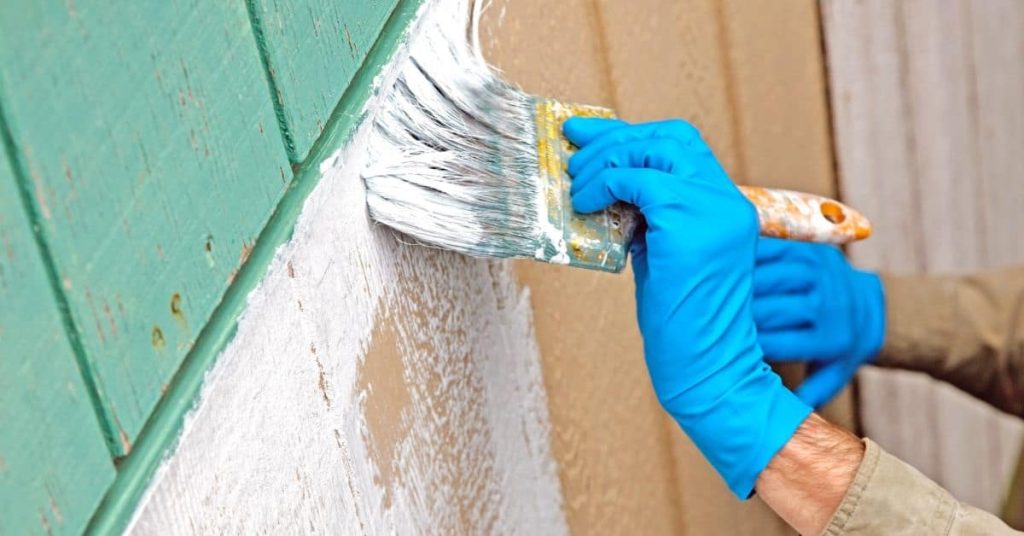
Person wearing blue gloves applying white primer with paintbrush

Primer vs Sealer vs Undercoat: What Each One Actually Does

Introduction Primer, sealer, and undercoat are coatings that prepare surfaces for paint by sealing, bonding, and smoothing. Primer helps the paint stick, sealer blocks stains and moisture, and undercoat provides a base layer that evens texture. Check product labels for the exact job they claim to do. Use them in sequence when you’re dealing with

Primer vs Sealer vs Undercoat: What Each One Actually Does Read More »

Close-up of horizontal lap siding painted beige

Paint Telegraphing: Why Old Repairs Show Through and How to Hide Them

Introduction Paint telegraphing is the visible outline or pattern of old repairs showing through fresh paint. It happens when the underlying repairs or textures are different from the surrounding wall. In this article we’ll cover why it happens and how to reduce or hide it during a DIY repaint. Causes include uneven patches, old joint

Paint Telegraphing: Why Old Repairs Show Through and How to Hide Them Read More »

Man in blue overalls painting interior wall with roller

Paint Peeling on Interior Walls: Fast Diagnosis and Lasting Repairs

Introduction Paint peeling on interior walls is when old paint loses adhesion and starts flaking off. Common causes include moisture intrusion, sun exposure, or poor surface prep. Look for bubbling, cracking, or peeling at edges and near windows. To diagnose, check for ongoing moisture, test a small area to see if the paint re-adheres after

Paint Peeling on Interior Walls: Fast Diagnosis and Lasting Repairs Read More »

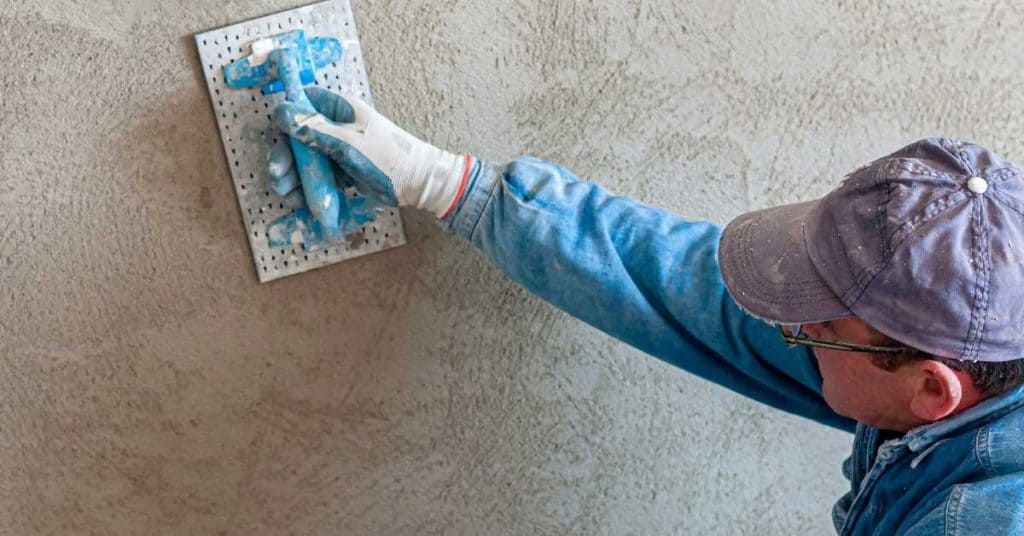
Worker applying textured stucco with a blue trowel

Stucco Texture Options That Hide Repairs: Sand Float, Dash, and Skip Trowel

Introduction Sand float, dash, and skip trowel are stucco textures that help hide repairs. They each use different hand angles and apply techniques to create patterns that blend in with the existing wall. You’ll pick based on the surface and how rough you want the finish, and you should check product labels or manufacturer guidance

Stucco Texture Options That Hide Repairs: Sand Float, Dash, and Skip Trowel Read More »

Partially removed tan stucco revealing brick wall underneath

Stucco Soft Spots at the Base: Diagnosing Capillary Wicking vs Leaks

Introduction Soft spots at the base of stucco usually indicate moisture intrusion, most commonly capillary wicking or a leak. Capillary wicking pulls moisture up from the ground through tiny openings in the stucco and underlying plaster. Leaks come from gaps, cracks, or failed flashings letting water in. To tell them apart, look for wetness patterns,

Stucco Soft Spots at the Base: Diagnosing Capillary Wicking vs Leaks Read More »