Search Results for: best epoxy for floor leveling

Concrete garage floor with paint roller and wet coating

Garage Floor Paint vs Epoxy vs Polyaspartic: What Actually Holds Up

Introduction Garage floor coatings come in paint, epoxy, and polyaspartic, each with its own durability profile. Paint is simple and forgiving, epoxy offers a thicker hard coat, and polyaspartic dries fast and resists temperature swings. This guide helps you compare protection, appearance, and DIY viability before you pick. You’ll learn what to expect in terms […]

Garage Floor Paint vs Epoxy vs Polyaspartic: What Actually Holds Up Read More »
Empty room with polished concrete floor and large windows

Moisture Mitigation Systems for Concrete Floors: When You Need One

Introduction A moisture mitigation system blocks moisture from a concrete floor before you install finishes. It helps prevent staining, mold, and fast finish failures. The approach varies, but the goal is to keep dampness from wicking into your flooring. Watch for signs of moisture damage like peeling coatings, dark patches, or a musty smell. Give

Moisture Mitigation Systems for Concrete Floors: When You Need One Read More »

Person painting white window sill with brush

Best Indoor Painting Temperature: Ideal Range, Humidity Tips, and Dry-Time Reality

Introduction Best indoor painting temperature means painting when the air is at a level that lets the paint apply smoothly and cure without sagging or blushing. Keep the room away from extreme cold or heat and ventilate as needed. Always check the paint can or manufacturer instructions for the exact suggested range, and avoid guessing.

Best Indoor Painting Temperature: Ideal Range, Humidity Tips, and Dry-Time Reality Read More »

Glossy shiny black epoxy coated floor reflecting light

Polyurea vs Epoxy Floor Coatings: Where Fast Cure Helps and Where It Causes Failure

Introduction Polyurea and epoxy are two different floor coatings: polyurea cures very fast and stays flexible, while epoxy cures slower and tends to be harder and more rigid. For a DIYer that means polyurea can get you back on the floor quickly, but the fast cure also makes surface prep and application less forgiving. Check

Polyurea vs Epoxy Floor Coatings: Where Fast Cure Helps and Where It Causes Failure Read More »

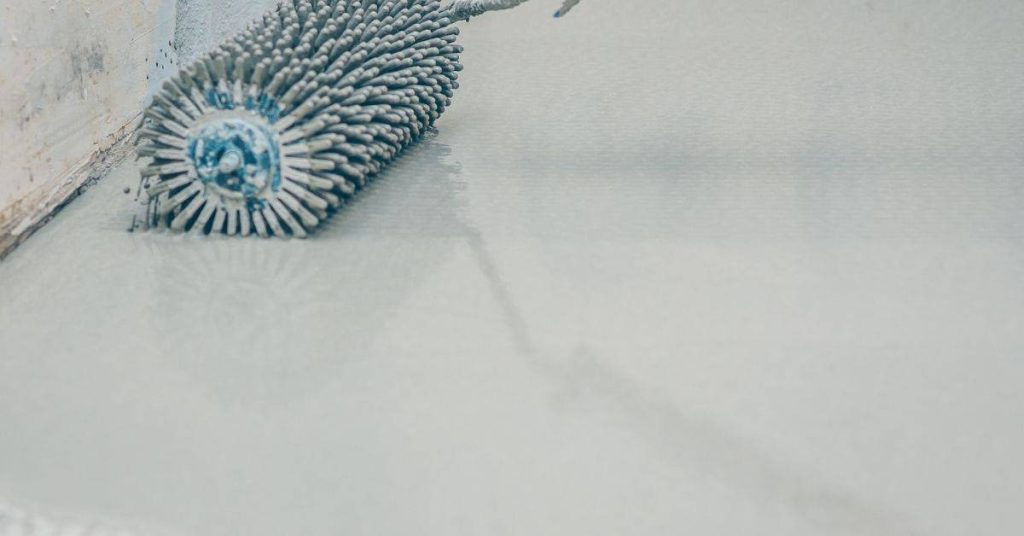
Spiked roller tool on wet floor coating surface

Polyaspartic Floor Coatings for DIY: Working Time, Odor, and Surface Prep Requirements

Introduction Polyaspartic floor coatings are fast-curing two-part coatings used to protect and finish concrete, and for a DIYer that means short working time, noticeable odor, and careful surface prep. Think like a tradesperson: plan your mixing and application in short, deliberate steps and check the product label for working time, recommended respirators, and substrate requirements.

Polyaspartic Floor Coatings for DIY: Working Time, Odor, and Surface Prep Requirements Read More »

Glossy dark gray floor with bright light reflections

Polyurea vs Epoxy Floor Coatings: Mastering the Application Timeline for Success

Introduction When it comes to applying floor coatings, time is of the essence. Both polyurea and epoxy have their own cure times, but understanding how to manage these timelines is crucial for a successful outcome. In this guide, we’ll delve into the application timeline of both polyurea and epoxy floor coatings, helping you make an

Polyurea vs Epoxy Floor Coatings: Mastering the Application Timeline for Success Read More »

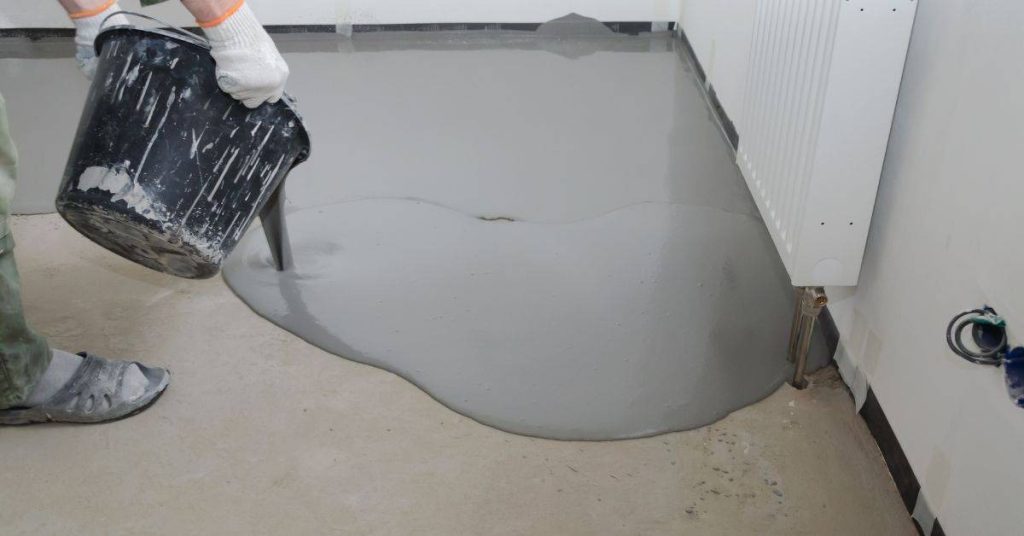
Person pouring gray self-leveling compound on concrete floor

Self-Leveling Overlay Over Concrete: Primer Steps That Stop Debonding

Introduction Self-leveling overlay over concrete is a pourable cement-based or polymer-modified material that evens a slab, and the right primer and prep are what stop it from debonding. Before you mix anything, clean and mechanically profile the slab, repair cracks and holes, and read the overlay and primer instructions for recommended substrates and pot life.

Self-Leveling Overlay Over Concrete: Primer Steps That Stop Debonding Read More »

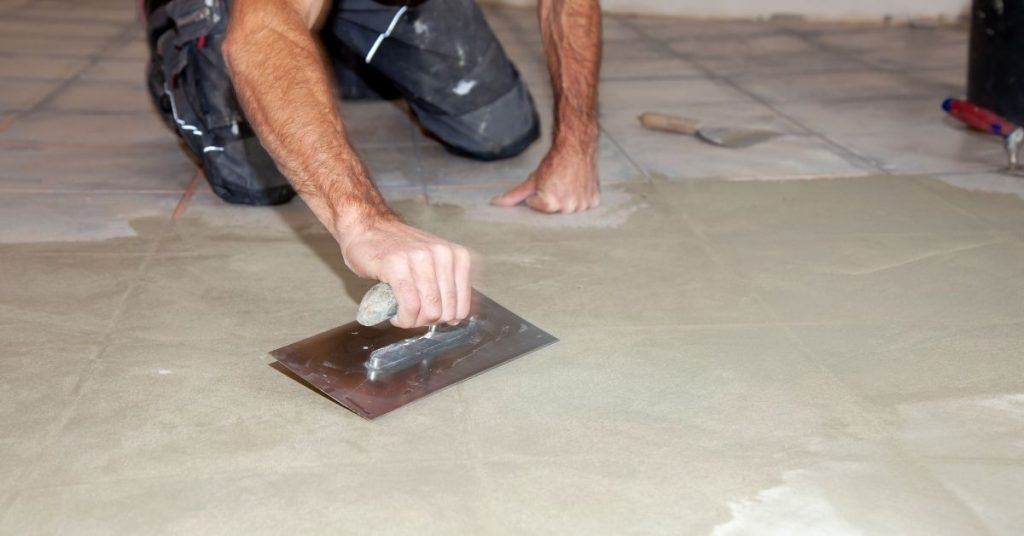
Trowel spreads leveling compound over floor during bathroom prep

Self-Leveling Compound Prep on “Problem Subfloors”: Primers, Seams, and Edge Dams That Stop Leaks

Introduction Self-leveling compound prep on problem subfloors means getting a board-backed surface ready so the liquid compound spreads and cures without running into gaps or flaking off. Think practical steps: pick a primer the compound maker recommends, seal seams and penetrations so water and dust won’t break the bond, and build temporary edge dams where

Self-Leveling Compound Prep on “Problem Subfloors”: Primers, Seams, and Edge Dams That Stop Leaks Read More »

Close-up of white subway tiles with visible grout lines

Do Subway Tiles Need Spacers? Layout Rules, Exceptions, and Best Practices

Introduction Subway tiles benefit from spacers to keep joints even and straight as you set rows. The idea is to create uniform grout lines while you work, and to understand that layout options come from pattern choices like running bond or stacked tile. Always check the tile manufacturer instructions and local rules for any specific

Do Subway Tiles Need Spacers? Layout Rules, Exceptions, and Best Practices Read More »

spiked roller on freshly applied epoxy floor coating

Epoxy Thinset vs. Cement Thinset: Where Epoxy Is Worth It (and where it’s trouble)

Introduction Epoxy thinset is a two‑part adhesive that uses epoxy as the binder, offering a tougher, more chemical‑resistant bond than plain cement thinset. In DIY terms, it sets slower and can be trickier to mix and apply, so it’s not always the best choice for every job. Check manufacturer instructions for mixing ratios, pot life,

Epoxy Thinset vs. Cement Thinset: Where Epoxy Is Worth It (and where it’s trouble) Read More »