Search Results for: andy concrete

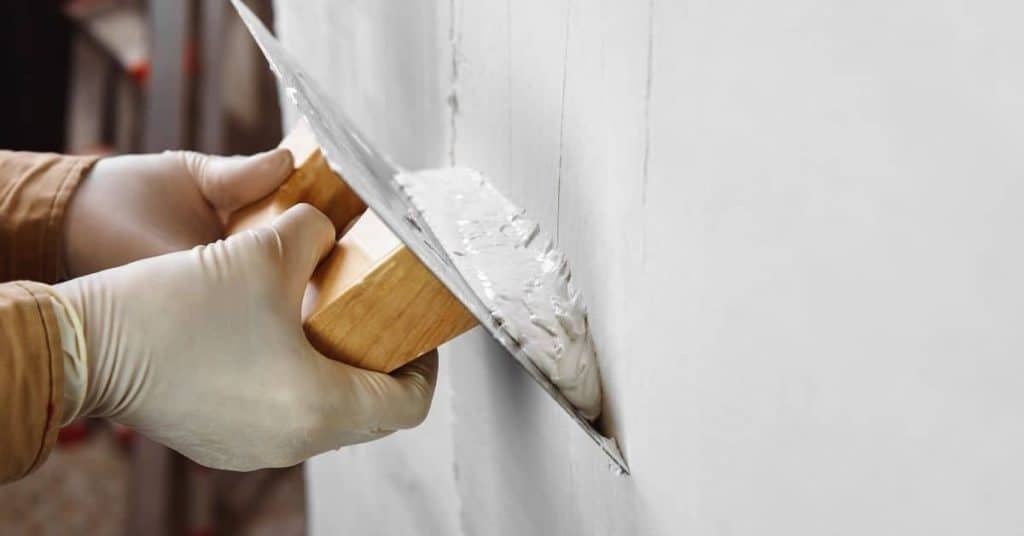
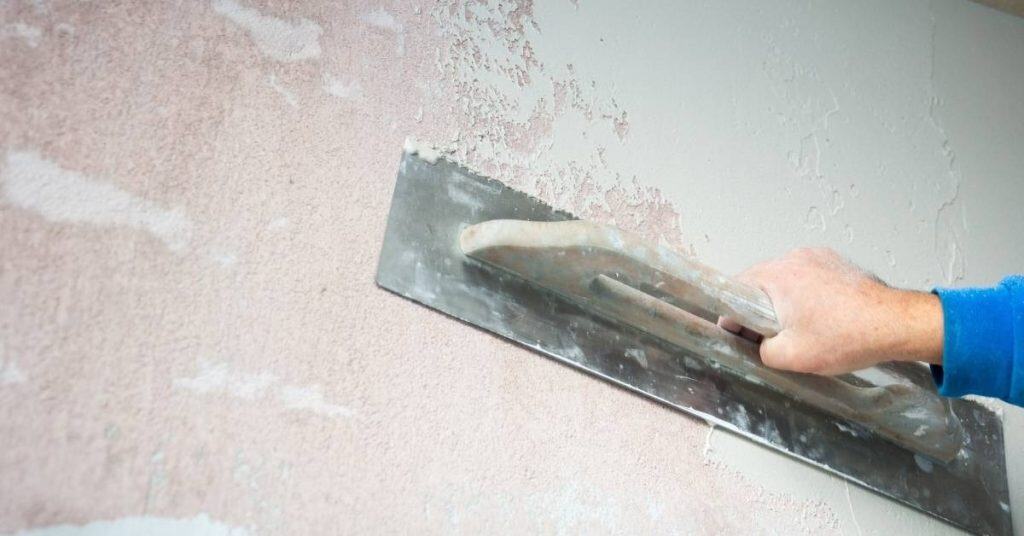
Hand using trowel to smooth plaster on wall

Creating Clean Inside Corners in Plaster: Corner Tools Vs Hand Technique

Introduction Creating clean inside corners in plaster means achieving sharp, smooth 90-degree joints on interior walls. Use either corner tools or careful hand technique to control the mud. Check that the edge stays true and adjust as you go. Corner tools can speed up a straight edge, but technique matters for a crisper look. With […]

Creating Clean Inside Corners in Plaster: Corner Tools Vs Hand Technique Read More »
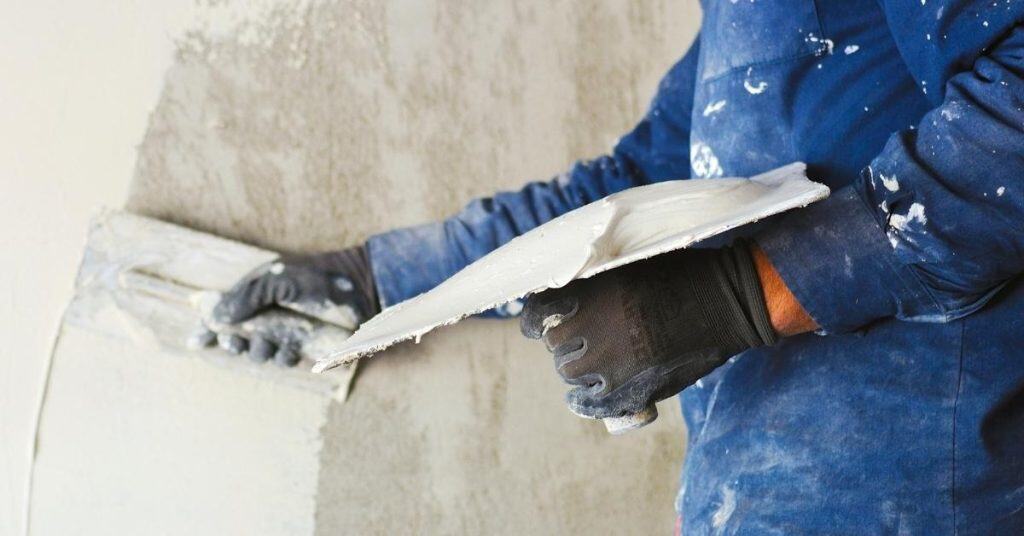
Worker applying plaster to wall with trowel and hawk

Plaster Bonding Agent Application: Coverage Rates and “Tacky Vs Dry” Timing

Introduction Plaster bonding agent application is applying an adhesive coat to help plaster bond, focusing on how much area it covers and when it becomes tacky or dries. In practice, you spread or roll on the bonding agent following the surface you’re working with, pausing long enough for it to tack to the right feel

Plaster Bonding Agent Application: Coverage Rates and “Tacky Vs Dry” Timing Read More »

Hands in gloves applying plaster with a flat trowel

Lime Vs Gypsum Patching: Why Mismatched Materials Cause Future Failure

Introduction Mismatched patching materials can fail later due to incompatible chemistry. Lime and gypsum set and breathe differently, so using the wrong combo can lead to cracks, dusting, or damp spots. Stick to a patching mix that matches what’s already on the wall for best results. When patching, verify that the material is compatible with

Lime Vs Gypsum Patching: Why Mismatched Materials Cause Future Failure Read More »

Yellow and black electric hammer drill on white background

Removing Tile Without Destroying the Substrate: Tool Choices and Realistic Expectations

Introduction Removing tile without destroying the substrate means lifting the tile and backing material carefully while protecting the surface underneath. Have the right tools ready, like a chisel, a pry bar, and an oscillating multi-tool with a scraper blade, and plan your work so you don’t pry blindly. Start by testing a corner tile and

Removing Tile Without Destroying the Substrate: Tool Choices and Realistic Expectations Read More »

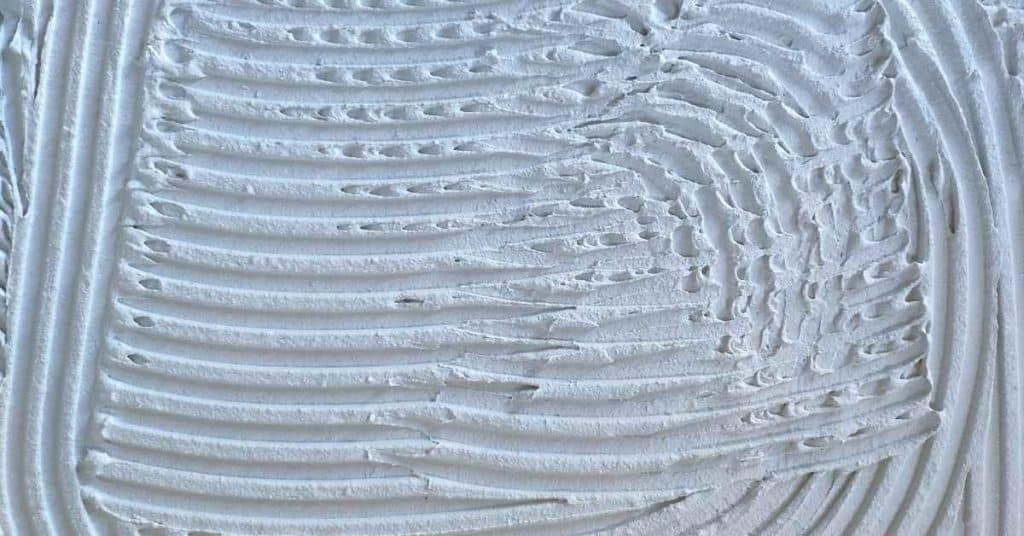
Close-up of white tile adhesive with combed lines

Setting Mosaic Sheets Straight: How to Hide Sheet Lines and Avoid “Snake” Rows

Introduction Setting mosaic sheets straight means aligning the sheets so the grout lines stay in straight, even rows and the sheet edges blend with the pattern. You’ll want a straight edge, a notched trowel, spacers, and a level, plus a method to back-butter where needed. Always check the adhesive label and tile sheet instructions for

Setting Mosaic Sheets Straight: How to Hide Sheet Lines and Avoid “Snake” Rows Read More »

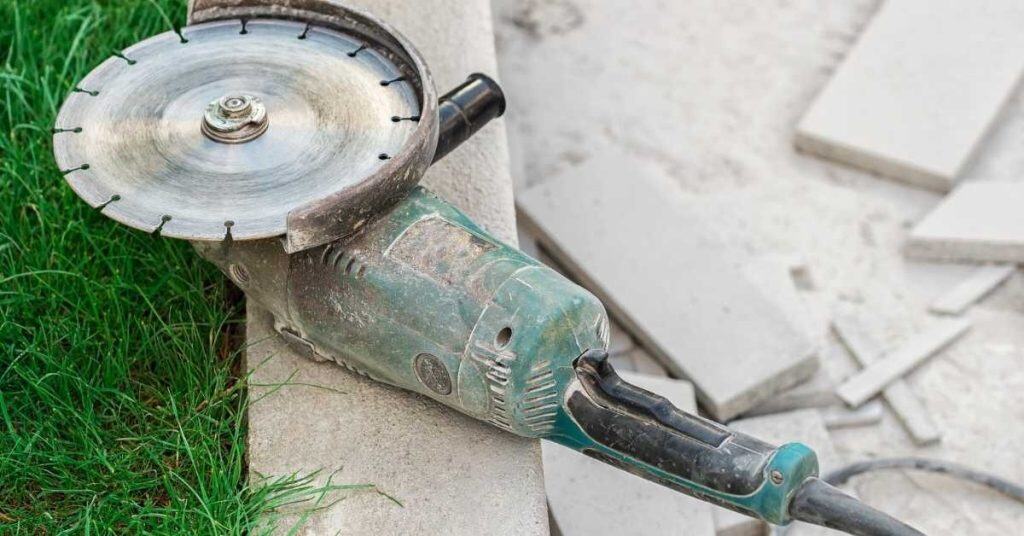
Electric angle grinder with diamond blade resting on concrete ledge

Cutting Porcelain Cleanly: Wet Saw Blade Choice and Chipping Prevention

Introduction The right blade and technique let porcelain cut cleanly without chips. A wet saw setup is the typical path, and choosing the correct blade type matters for porcelain. Always check label guidance and manufacturer instructions for your blade and water flow, and plan your cuts to minimize chipping. You have options like a manual

Cutting Porcelain Cleanly: Wet Saw Blade Choice and Chipping Prevention Read More »

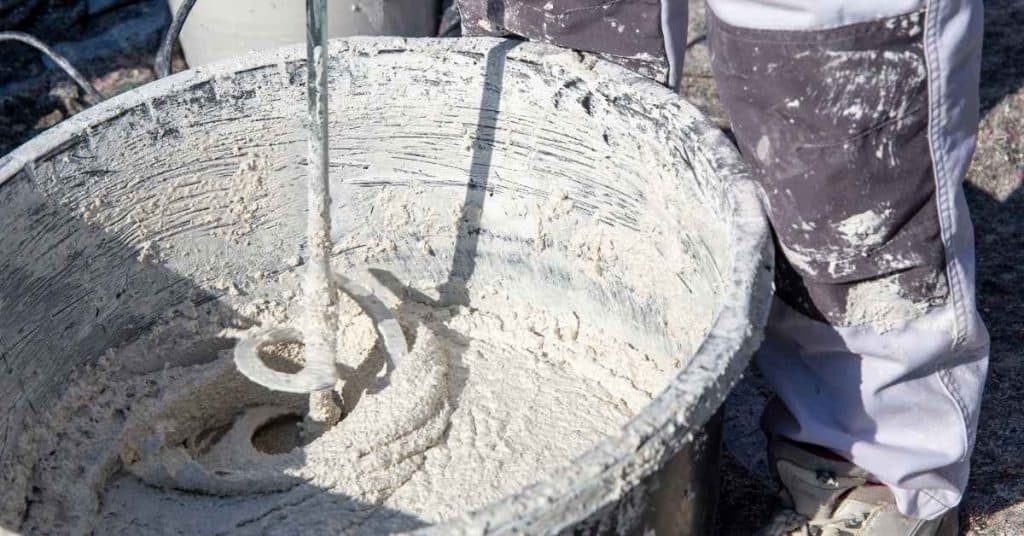
Close-up of plaster being mixed in a large bucket

Mixing Plaster Without Lumps: Water-First Vs Plaster-First and What Changes

Introduction Water-first and plaster-first are two simple ways to mix plaster without lumps. With water-first, you add water to the bowl first, then sift plaster into it and stir. With plaster-first, you dump dry plaster into the water and mix until it smooths. Both methods affect how fast you get a smooth mix and how

Mixing Plaster Without Lumps: Water-First Vs Plaster-First and What Changes Read More »

Deck Attachments Through Stucco: a Safe Detail That Doesn’t Trap Water

Deck Attachments Through Stucco: a Safe Detail That Doesn’t Trap Water

Introduction Deck attachments through stucco can be installed in a way that prevents water from being trapped. You’ll learn practical steps and guidelines for planning, installing, and inspecting connections that stay watertight without compromising the stucco. Key takeaways Use continuous flashing with weep screed to channel water away from stucco joints. Avoid embedding deck fasteners

Deck Attachments Through Stucco: a Safe Detail That Doesn’t Trap Water Read More »

Roofing Problems: How to Fix Them (DIY Steps + Stop Rules)

Roofing Problems: A Step-by-Step Timeline for DIY Repairs

Introduction Tackling roofing problems can seem daunting, but with a clear plan and understanding of the timeline, you can confidently address common issues yourself. This guide walks you through each step, from initial inspection to final repairs, ensuring you stay on schedule and within your DIY capabilities. Before you start, it’s crucial to understand that

Roofing Problems: A Step-by-Step Timeline for DIY Repairs Read More »