
Introduction
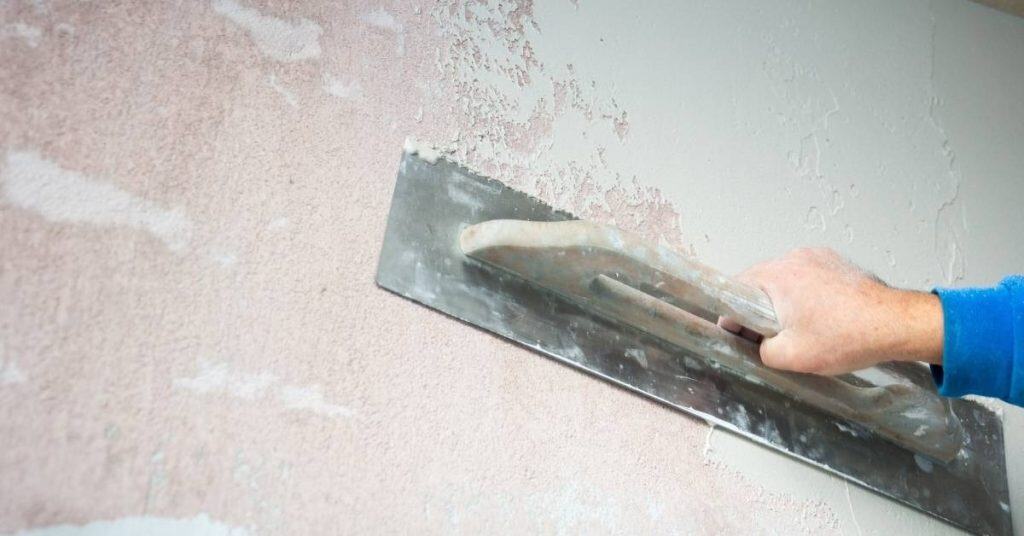
Creating clean inside corners in plaster means achieving sharp, smooth 90-degree joints on interior walls. Use either corner tools or careful hand technique to control the mud. Check that the edge stays true and adjust as you go.
Corner tools can speed up a straight edge, but technique matters for a crisper look. With hand work you control feathering and corner shape in small, deliberate steps. If unsure, check the product label, manufacturer guidance, and any local rules before you start.
Key takeaways
- Plan corner geometry and substrate condition before applying plaster for clean corners.
- Use corner tools to chase a straight, sharp inside edge consistently.
- Maintain moist plaster and avoid overloading the edge to prevent drips.
- Hand technique requires steady hand, small strokes, and frequent checks for gaps.
- Safety: wear eye protection and keep plaster away from skin to prevent irritation.
- Compare: corner tools speed efficiency but may need touch-ups with hand work.
- Inspect corners visually from multiple angles to detect flat spots early.
Table of Contents
- Introduction
- Key takeaways
- Why Inside Corners Matter in Plaster Work
- Tools and Materials Checklist
- Preparing the Corner and Substrate
- Using Corner Tools: Step-by-Step Technique
- Hand Technique for Inside Corners: Step-by-Step
- Comparison: Corner Tools Vs Hand Technique
- Common Mistakes and How to Avoid Them
- Visual Checkpoints and Quality Control
- Conclusion
- FAQ
Why Inside Corners Matter in Plaster Work
Inside corners set the tone for the whole wall. Crisp edges reduce shadow lines and help finishes lay down true. A poor corner can crack, misalign, or telegraph through paint.
Attention to corner integrity affects durability and looks. When corners aren’t square or well supported, you’ll see misalignment and gaps that slow work and require rework later. Fixing corners early keeps the finish cleaner and longer lasting.
Visual and functional impacts
Clean inside corners create a crisp, professional look that can make a room feel more finished. They reflect light evenly, reducing the appearance of shadows or inconsistencies.
Functionally, clean corners protect your walls. Dirt and damage tend to collect in rough or misaligned corners. A smooth corner is easier to clean and less likely to show wear and tear.
Poorly done corners can catch dirt, making them harder to keep clean. They also provide weak points where damage can start – a small crack here can lead to bigger problems later on.
Common causes of poor corners
The most common culprit is using the wrong tool for the job. A trowel designed for outside corners won’t give you a clean inside corner.
Inconsistent pressure while applying the plaster can also lead to poor results. Too much or too little pressure can cause ridges, hollows, or misaligned corners.
Working with wet plaster is another common mistake. Plaster that’s too wet won’t hold its shape and will slump, leading to poor corners. On the other hand, if it’s too dry, it won’t stick properly and can crumble.
Irregularities in the substrate – the surface you’re applying the plaster to – can also cause problems. Any bumps, dips, or misalignments will show up in your corner. Make sure your surfaces are smooth and even before you start.
Tools and Materials Checklist
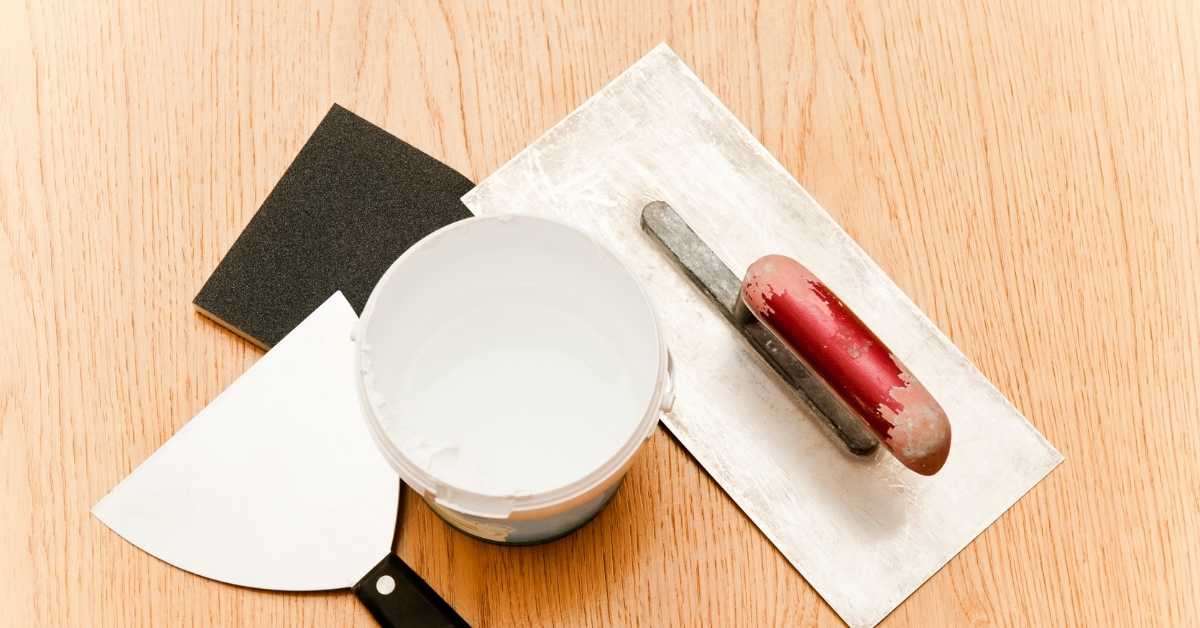
Assemble the key corner tools, including a professional corner trowel or corner float, and a flexible blade for hand work. Have a straightedge handy to verify alignment and a level for overall squareness. Keep a hawk, margin trowel, and mixing tools ready for prep work.
For materials, gather plaster or joint compound, bonding agent or scratch coat, and corner beads if used. Budget options exist with basic tools and simpler products, while pros may choose premium compounds and alloy tools. Always check product labels or instructions for compatibility with your substrate.
Recommended corner tools and why to choose them
Before you start mixing concrete, make sure you have the right tools for corners. This checklist helps ensure you’ve got what you need to create strong, durable corners that won’t crack or crumble.
- Corner Trowel (1/4″ – 3/8″): Check it’s the right size for your job. Confirm by measuring its width and comparing with your corner dimensions.
- Corner Bead: Ensure it matches your wall thickness. Check the label or manufacturer instructions to confirm.
- Inside Corner Tool (90°): Verify it’s a 90-degree angle for right-angle corners. Test it on scrap material before using.
- Jointing Knife (1/4″ – 3/8″): Make sure it matches your corner trowel size. Check by comparing the blade width with your trowel.
- Tape Measure: Confirm it’s at least as long as your longest corner. Measure to be sure.
- Level: Ensure it’s suitable for your wall height. Check its length against your wall.
- Straight Edge (2′ – 4′): Make sure it’s long enough for your corner. Measure and confirm.
- Gloves & Safety Glasses: Verify they’re in good condition. Inspect for tears or cracks before using.
Quick rule: Always check your tools against the job at hand to ensure they’re suitable. The right tool makes all the difference in a strong, durable corner.
Hand tools and consumables
Before starting your concrete work, ensure you have the right hand tools and consumables. Use this checklist to verify each item on site.
- Hawk (float): Check size (12″ – 48″, typically). Ensure it’s in good condition with no warping or cracks.
- Trowel: Verify sizes (6″ – 30″, usually). You’ll need a mix of sizes for finishing. Check edges for sharpness and straightness.
- Joint knives: Ensure you have sizes suitable for your slab thickness (1/4″ – 2″). Check blades for cleanliness and sharpness.
- Sponges: Grab a pack of various sizes (6″ x 9″ to 18″ x 24″) for edging and cleaning. Check they’re in good condition with no holes or tears.
- Mixing tools: Verify you have shovels, rakes, and a mixing hoe. Check handles for strength and tool heads for cleanliness.
- Plaster types: Choose between traditional cement-based plaster or modern polymer-modified versions. Check product labels for suitable applications and environments.
- Setting times: Check manufacturer’s instructions for the chosen plaster type. Plan your work schedule accordingly to avoid premature setting.
- Safety gear: Don’t forget safety glasses, gloves, and protective clothing. Check all gear is in good condition before starting work.
Quick rule: Always check your tools and consumables before starting work to avoid expensive rework due to damaged or unsuitable items.
Preparing the Corner and Substrate
Start with a clean, dust-free corner. Inspect for squareness and repair any damage before applying mud. Dry fit beads or corners to confirm fit and alignment.
Apply bonding agent or scratch coat as recommended. Measure and verify level and plumb relationships to prevent rework. Prep time spent here saves headaches in finish work later.
Checking and correcting substrate irregularities
Before you start, inspect your corner for any high or low spots. These can cause issues with your final finish.
To find them, use a straight edge like a level or a long ruler. Hold it against the wall at the corner and look for gaps. If there’s a gap, that’s a low spot. If the straight edge doesn’t sit flat, that’s a high spot.
For small low spots, you can fill them with joint compound, feathering out to blend with the surrounding surface. For high spots, use a sander or a scraper to level it down. If it’s really bad, you might need to apply a scratch coat.
Pro tip: Use shims under your straight edge to check for low spots. If the shim fits without any gaps, you’re good to go.
When to use corner beads or reinforcement
Corner beads and reinforcement aren’t always necessary, but they can help create clean corners and prevent cracking. Here’s when to use them:
Use metal corner beads when you’re taping and joint compounding your corners. They provide a rigid edge for your tape to stick to, helping prevent bubbling or peeling.
Use plastic corner beads when you want a rounded corner. They come in different radii sizes to give you the look you want.
For corners that see a lot of wear and tear, like in high-traffic areas or where furniture might bump against the wall, use corner reinforcement mesh. It adds extra strength to your corner.
Using Corner Tools: Step-by-Step Technique
Load the tool with a uniform amount of mud and keep it consistent as you work. Maintain a steady angle to the corner and apply even pressure along the edge. Smooth passes should feather the joint without digging into the substrate.
Move in deliberate, overlapping strokes and check alignment as you go. Allow appropriate set time per stage and resist rushing the float and finish. If in doubt, consult the tool manufacturer instructions or local rules for curing times.
Step-by-Step Process
The following steps guide you through using corner tools to create clean inside corners in plaster.
- Safety first: Put on gloves and safety glasses. Check your tool’s condition before starting.
- Load the tool: Apply joint compound onto the trowel or hawk, ensuring it’s not too much or too little.
- Main stroke: Hold the tool at a 45-degree angle to the wall. Apply even pressure and move in consistent, smooth strokes from top to bottom.
- Smoothing pass: After the main stroke, use a lighter touch with less compound. Smooth out any ridges or hollows.
- Float and finish stages: Timing is key here. Float after 15-20 minutes for a smooth surface. Finish with a final light pass after another 15-20 minutes.
- Cleanup: Wipe the tool clean, remove any excess compound from the corner, and dispose of waste properly.
Positioning and movement tips
Proper hand positioning is crucial for a smooth finish. Hold the tool with your dominant hand at the top, fingers spread for control.
Keep your strokes consistent – always move from top to bottom. This ensures even coverage and prevents ridges.
Never overwork the plaster. Too many passes can cause it to dry unevenly or create hollows.
Troubleshooting tool-based corners
Even with the right tools, issues can arise. Here’s how to troubleshoot common problems.
- Tool marks: Lightly sand with a fine-grit sanding sponge. Wipe off dust and reapply compound if necessary.
- Hollows: Reapply compound, using less this time. Feather the edges to blend it in.
- Feathered edges: Use a wider tool or apply more compound at the edge during your main stroke.
- Dry spots: Moisten the area with a damp sponge before reapplying compound.
- Uneven drying: Ensure proper ventilation and avoid applying too much compound in one pass.
Hand Technique for Inside Corners: Step-by-Step
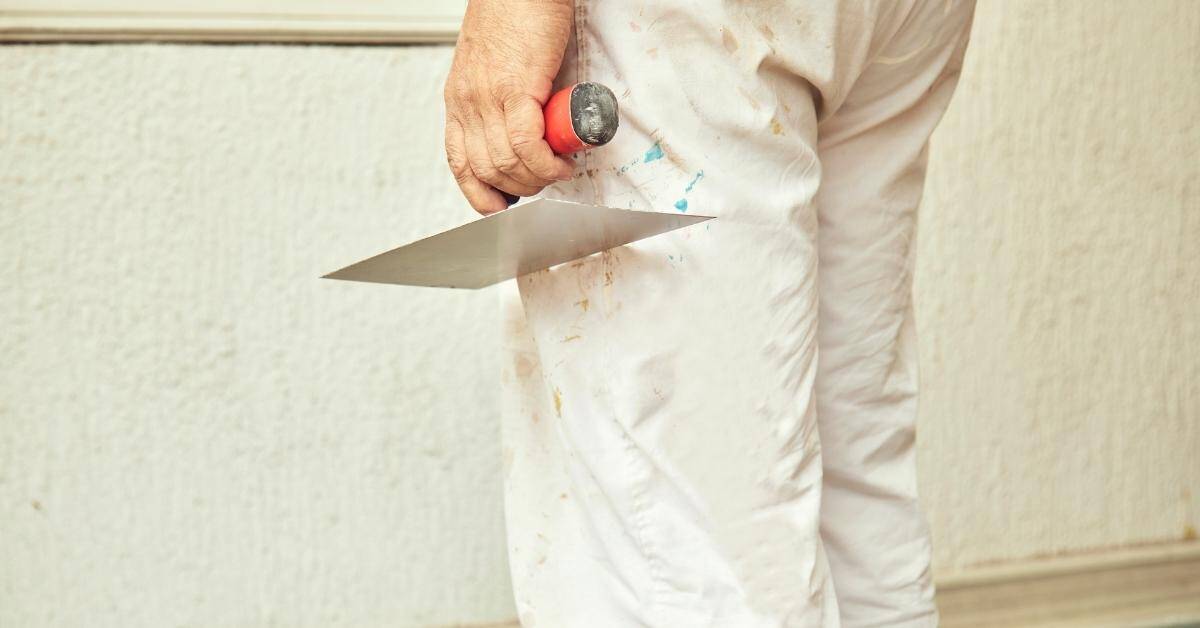
Start with a clean fillet along the corner using a margin trowel. Spread and pack material steadily to fill gaps without creating ridges. Control the amount of mud to avoid squeeze-out.
Finish with a controlled burnish to seal the corner and create a smooth edge. Pay attention to tactile cues—drag should feel even and the corner should read true under light. Verify any timing guidelines against product instructions as needed.
Step-by-Step Process
The following steps guide you through creating clean inside corners by hand, ensuring a professional finish.
- Prepare the corner