

Introduction
Concrete burn marks from steel trowels are surface defects caused by working the slab too long or with too much pressure while the surface is still finishing; to avoid them, match your troweling timing and hand pressure to the concrete’s set and follow good finishing technique. This means watching the slab, feeling the surface, and easing off if the paste starts to smear or darken. If you’re unsure when the mix is ready, check the product label or manufacturer instructions and use conservative timing until you gain experience.
Control pressure by keeping trowel blades flat and using light, even passes instead of heavy scraping, and stop if the surface shows sheen changes or white powderiness. Practice on a small test pad or an inconspicuous corner to get a feel for timing and force before finishing the whole slab. When in doubt, slow down, reduce pressure, and let the slab firm up a bit more rather than trying to force a smooth finish.
Key takeaways
- Understand burn marks: firm surface distress from overworked or high-bleeding mixes.
- Time trowel introduction correctly: wait until surface holds sheen but isn’t tearing.
- Pressure control: use light, consistent pressure; avoid sliding aggressively across the surface.
- Finishing workflow: minimize rework by aligning placement, finishing, and cure steps.
- Mix and cure factors: aggregate size, water, and curing affect burn susceptibility; follow label.
- On-site corrections and safety: wear PPE; patch or grind burns after initial cure per instructions.
Table of Contents
- Introduction
- Key takeaways
- What Concrete “Burn” Marks Are and How They Form
- Timing: When to Introduce the Steel Trowel
- Pressure and Technique: Controlling Force to Prevent Burns
- Concrete Placement and Finishing Workflow to Reduce Overworking
- Mix Design and Curing Factors That Affect Susceptibility to Burns
- Preventing and Correcting Burn Marks on-Site
- Tools, Materials Checklist and Safety Considerations
- Cost, Scheduling, Common Mistakes and a Visual QA Checklist
- Conclusion
- FAQ
What Concrete “Burn” Marks Are and How They Form
Burn marks are drag or smear patterns created when a steel trowel rides too hard or too soon over the cement paste, leaving a denser, shinier line or haze that contrasts with the surrounding surface.
Excessive friction and localized heat from aggressive troweling compress and smear the paste, changing surface density and sometimes exposing or burying aggregate; mix factors and timing make that worse. To distinguish burns from stains, efflorescence, or abrasion look for directional smear, uniform sheen variation, and tactile differences when damp; when in doubt check product data sheets or manufacturer guidance and run simple moisture and scratch tests on a small area.
The mechanics of burn formation
Burn marks on concrete are caused by excessive friction and heat generated from aggressive troweling. Here’s how it happens:
Repeated passes with a steel trowel create friction, which generates heat. This heat causes the cement paste at the surface to set faster than intended, creating a thin layer of denser, harder material.
The trowel also smears fine particles and water towards the surface, further altering the composition of the top layer. This combination of heat, density change, and paste smearing results in dark, translucent patches that resist polishing.
Visual and tactile signs to distinguish burns from other defects
Burn marks can sometimes be confused with other surface issues. Here’s how to tell them apart:
Appearance: Burns appear as dark, translucent patches that may have a slight sheen. They are usually consistent in size and shape, following the path of the trowel.
Texture: Tactile inspection can help too. Burns feel harder than the surrounding concrete due to the denser surface layer. Run your fingers over the surface; burns will feel smoother and more resistant to indentation.
Field checks: Perform a quick moisture check using a non-contact moisture meter. Burns should show lower moisture content than the rest of the slab, as they’ve been ‘cooked’ by the heat. Also, try polishing a small area with a concrete polisher. Burns will resist polishing and may even darken further.
Timing: When to Introduce the Steel Trowel
Introducing the steel trowel at the right moment is about surface readiness, not a clock: follow placement, screeding, and bullfloating until bleed water is managed and the surface shows the correct sheen and firmness for troweling. Use touch tests—fingerprint, slight pull with a flat blade, or a skim-coat feel—and compare with manufacturer instructions for the finish material.
Ambient conditions, mix slump, and admixtures change how quickly that readiness arrives, so check slab temperature and moisture rather than relying on a set time. If tests show tacky paste or visible bleed, delay steel troweling, continue light floating, or re-float until the surface firms to reduce burn risk.
Surface Readiness Cues to Watch For
Before you grab that steel trowel, check these signs. They tell you when your concrete’s ready for its final finish.
First, look for the loss of sheen. That glossy surface means there’s still moisture moving around. You want it to look more matte.
Next, feel the surface. It should be firm, not soft or squishy. A simple firmness test with your thumb can tell you this. No indentation means it’s ready.
Check for bleed water too. If there’s none, that’s a good sign. And do the fingerprint test. Lightly press your finger on the surface. If it leaves no mark, you’re good to go.
How Environmental Conditions Change the Timing
The weather plays a big role in how fast your concrete sets. Keep an eye on these factors.
Temperature is key. Warmer days speed up setting. Hotter than 85°F (29°C), and you might need to adjust your schedule or add retarding admixtures.
Humidity matters too. High humidity can slow down the process, but it also means more moisture in the air that could cause issues later if not managed right.
Wind and sun can dry out the surface too fast, leading to cracks. So, monitor these conditions and adjust your timing accordingly. Don’t just go by the clock; check for moisture and set regularly.
Pressure and Technique: Controlling Force to Prevent Burns
Start troweling with very light contact to set the surface and only increase pressure incrementally as the paste firms; avoid sustained high-pressure passes that generate heat and smear the paste. Maintain a consistent blade angle and keep strokes smooth and continuous—stopping and rocking in one spot concentrates friction and causes burns.
Match pass timing to surface condition: monitor sheen, bleed, and firmness between passes and allow short rest periods if the slab is warming or the paste remains soft. If you see gloss lines or smear beginning, reduce pressure immediately, switch to a softer float, or delay further steel trowel work until conditions improve.
Hand-trowel techniques and pressure cues
Start with a light touch, barely grazing the surface. This sets the concrete without applying too much force.
Feel for resistance as you trowel. If it becomes too easy to push the blade, you’re using too much pressure. Back off.
Watch for shiny streaks or rapid color change. These are signs of excessive heat and high pressure. Slow down and lighten up.
Power trowel operation and settings to reduce risk
Start with a shallow blade pitch. This distributes pressure evenly and avoids deep grooving.
Control your rpm. Too fast can cause excessive heat. Too slow may not smooth the surface properly.
Make overlapping passes, not long, stationary ones. This prevents dwell marks and heat buildup.
Follow manufacturer guidance. They know their machines best. Don’t ignore their advice on blade downforce and pass duration.
Concrete Placement and Finishing Workflow to Reduce Overworking
Organize placement, consolidation, screeding, bullfloating, and finishing as a coordinated workflow with clear handoffs so each area gets the minimum effective passes—this prevents repeated finishing of the same spot. Assign roles and timing cues so crews move methodically across zones and avoid re-troweling already finished patches.
Plan finishing zones and sequence joints so you don’t chase set times and overwork edges; use single-pass or minimal-pass strategies and staggered finishing to limit repeat contact. Monitor slump, bleed and slab temperature during placement and adjust tool choice and pass speed accordingly to keep finishing consistent and reduce burn risk.
Consolidation and Screeding Best Practices
Proper consolidation is key to avoiding burn marks. Use a vibrator to remove air pockets as you pour.
Screed accurately to level the surface. This reduces the need for aggressive troweling later.
Don’t rush these steps. Take time to ensure a solid, even base.
Bullfloating and Edging Strategies
Bullfloat soon after screeding. This removes excess water (bleed) and creates a smooth surface.
Edge the slab to remove any high spots that could cause burn marks when troweling.
Timely bullfloating and correct edging ensure your final trowel passes are light, brief, and burn-free.
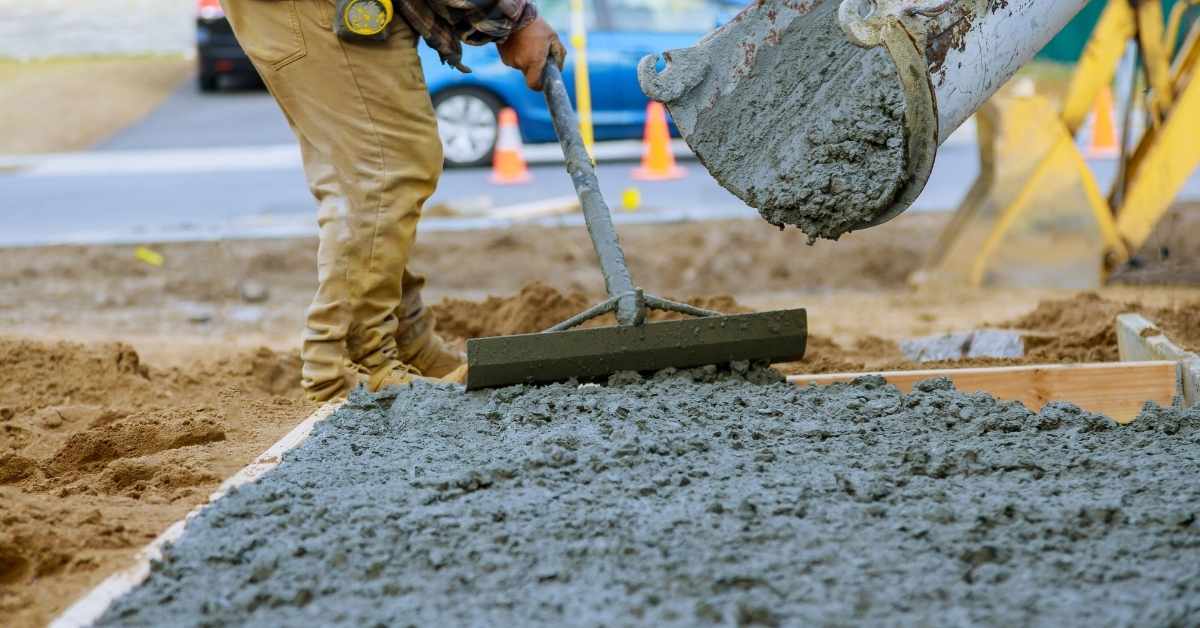
Mix Design and Curing Factors That Affect Susceptibility to Burns
Surface paste softness and the risk of burn marks are closely tied to mix proportions and admixtures: higher water content or certain workability-enhancers can leave a softer paste that smears under steel. Check the mix design and product data sheets for water-cement tendencies and admixture effects before planning final troweling timing.
Curing regime—temperature, humidity, and duration—changes how quickly the surface hardens and therefore how tolerant it is of trowel pressure; inadequate moisture retention or hot, dry conditions accelerate surface drying and can increase burn risk. If the slab is curing faster or slower than expected, adjust finishing timing and pressure, or modify curing practices to protect the surface before aggressive steel troweling.
What to check in the mix and what adjustments help
The mix design plays a crucial role in preventing concrete burn marks. Check these factors when your mix arrives on-site.
- Water-Cement Ratio: Too much water makes the surface paste soft, prone to burns. Aim for a balanced w/c ratio (0.45-0.6).
- Admixtures: Retarders slow set time, plasticizers improve workability, air-entraining agents protect against freeze-thaw damage. Check their types and dosages.
- Aggregate Content: Too much fine aggregate exposes more paste at the surface, increasing burn risk.
- Workability:</ Slump test indicates workability. Low slump may cause overworking, high slump might lead to excessive bleeding and segregation.
- Consult Design Specs: Check if mix proportions match design specs or supplier guidance.
- Check for Segregation: Inconsistent aggregate distribution can lead to weak spots and burns. Stir the concrete before use if necessary.
- Temperature: Concrete sets faster in hot weather, increasing burn risk. Adjust admixtures or timing accordingly.
- Cement Type: Different cement types set at different rates. Check your cement’s properties to adjust finishing times.
Quick rule: Balanced mix design and proper adjustment of admixtures can significantly reduce burn risk.
Curing practices and their role in surface readiness
Proper curing is vital for concrete strength development and preventing burns. Here’s how to manage your curing regime.
Moisture Retention: Keep the surface moist during curing to allow proper hydration of the cement paste. Use wet burlap, plastic sheets, or sprinklers as needed.
Temperature Control: Concrete cures best between 50-90°F (10-32°C). Insulate or heat cure if necessary in cold weather.
Cure Duration: Curing should continue until the concrete reaches at least 70% of its design strength. Use maturity meters or moisture tests to monitor progress.
Timing of Finishing: Finish only when the surface is hard enough (around 5,000 psi) and no longer leaves marks from a light touch. Be patient; rushing finishing can cause burns.
Preventing and Correcting Burn Marks on-Site
Stop finishing as soon as directional gloss lines, smear, or a different surface feel appears; assess severity by testing whether the flaw is a surface haze or a deeper density change, and then decide on immediate mitigation. Immediate steps