Search Results for: andy concrete

partially constructed concrete building with metal roof frame

Cold Weather Concrete: Simple heat and wind protection for small projects

Introduction Cold weather concrete is concrete work that takes place when temperatures are low and requires protection to cure correctly. This article shares practical, DIY‑friendly steps to heat and shield the mix and the work area. You’ll get a straightforward, hands‑on approach you can apply to small projects. Plan your project by checking forecasts and […]

Cold Weather Concrete: Simple heat and wind protection for small projects Read More »
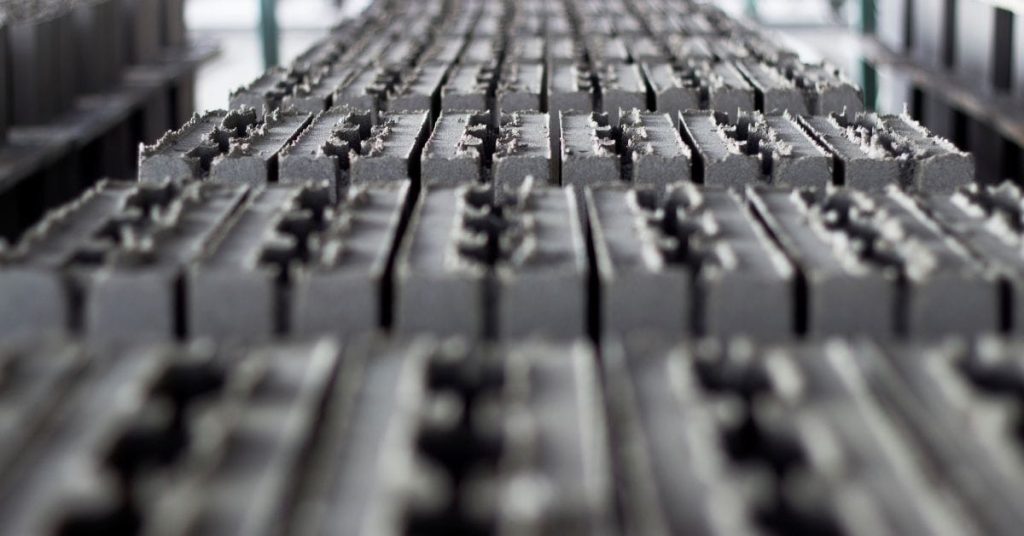
Rows of gray concrete blocks curing on racks

Concrete Curing With Plastic: How to avoid wrinkles, stains, and soft spots

Introduction Curing concrete with plastic means covering the fresh concrete with a plastic sheet to trap moisture and slow evaporation. This helps prevent rapid drying that can cause wrinkles, stains, or soft spots. Keep the plastic in contact with the surface and seal the edges to minimize moisture loss. To do it well, lay a

Concrete Curing With Plastic: How to avoid wrinkles, stains, and soft spots Read More »

Smooth light gray concrete wall surface

Windy Day Concrete Finishing: How to stop surface checking and plastic cracks

Introduction Windy day concrete finishing is how you control surface checking and plastic cracking when wind makes the mix dry out too fast. In a DIY setup, you’ll work to keep the surface from drying too quickly while you’re finishing. Be prepared to adjust speed, moisture, and protection as you go, and always follow the

Windy Day Concrete Finishing: How to stop surface checking and plastic cracks Read More »

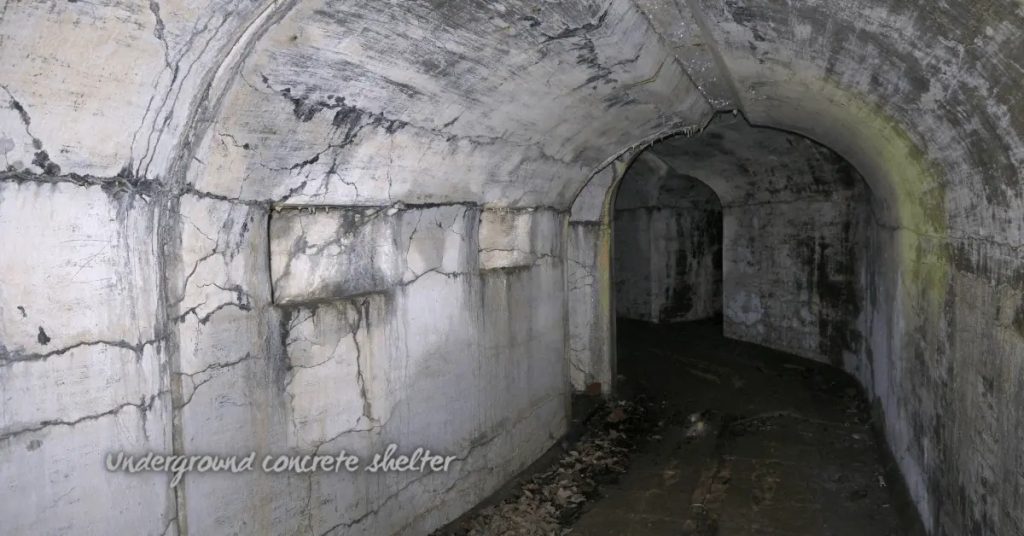
Cracked concrete walls and ceiling in underground tunnel

Poly Fiber Balls in Concrete: Why they happen and how to mix without clumps

Introduction Poly fiber balls are clumps that form when poly fiber additives ball up in wet concrete. They look like stringy lumps that don’t disperse evenly through the mix. Understanding why helps you avoid them when you’re DIY mixing. Causes include too much fiber, uneven distribution, and mixing too aggressively. Add fibers gradually, mix at

Poly Fiber Balls in Concrete: Why they happen and how to mix without clumps Read More »

Concrete slab being smoothed with a long-handled float

Concrete Pinholes After Grinding: Filling pores without losing texture

Introduction Pinholes after grinding are tiny surface pores left in the concrete after smoothing. They can show up after grinding and may affect texture if not filled. This article explains a practical way to fill them while keeping the surface feel intact. You’ll need simple fillers and a bit of patience, and always check product

Concrete Pinholes After Grinding: Filling pores without losing texture Read More »

Concrete stairs with a smooth ramp in the middle

Fixing a Concrete Patch That Won’t Take Stain: Porosity matching and blending

Introduction Porosity matching and blending means adjusting a concrete patch so it accepts stain like the surrounding concrete and hides the edges. Start with a clean, dry surface and test a small area to see how the stain looks. If the patch seems off, adjust the patch mix with a compatible additive or bonding agent

Fixing a Concrete Patch That Won’t Take Stain: Porosity matching and blending Read More »

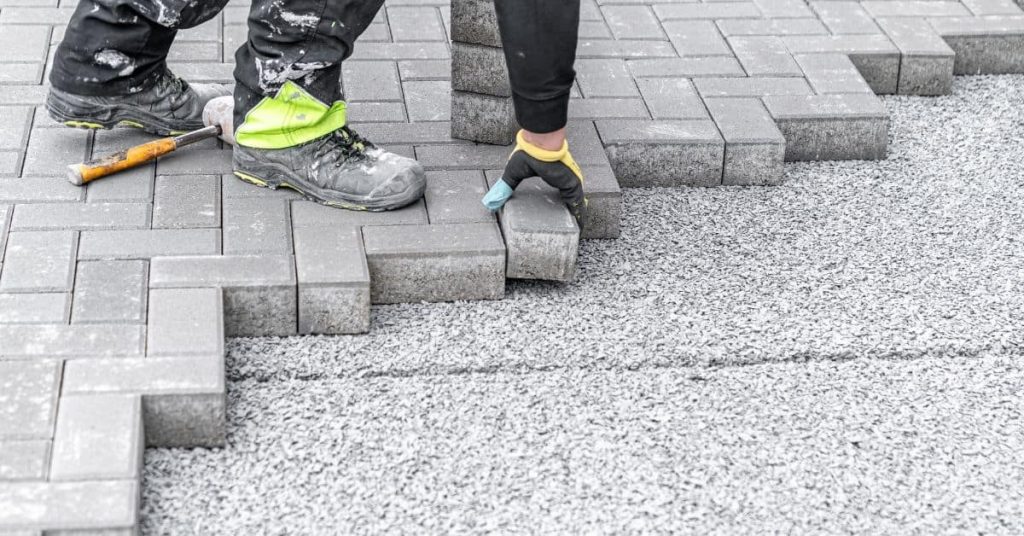
Person laying concrete paving blocks on gravel base

Concrete Washout at Home: Containment that protects lawns and drains

Introduction Concrete washout containment is a simple setup that captures concrete slurry so it doesn’t run onto soil or into drains. This article focuses on a practical, hands-on approach you can use at home to protect your lawn and the stormwater system. It also points you toward quick links that help you navigate related notes

Concrete Washout at Home: Containment that protects lawns and drains Read More »

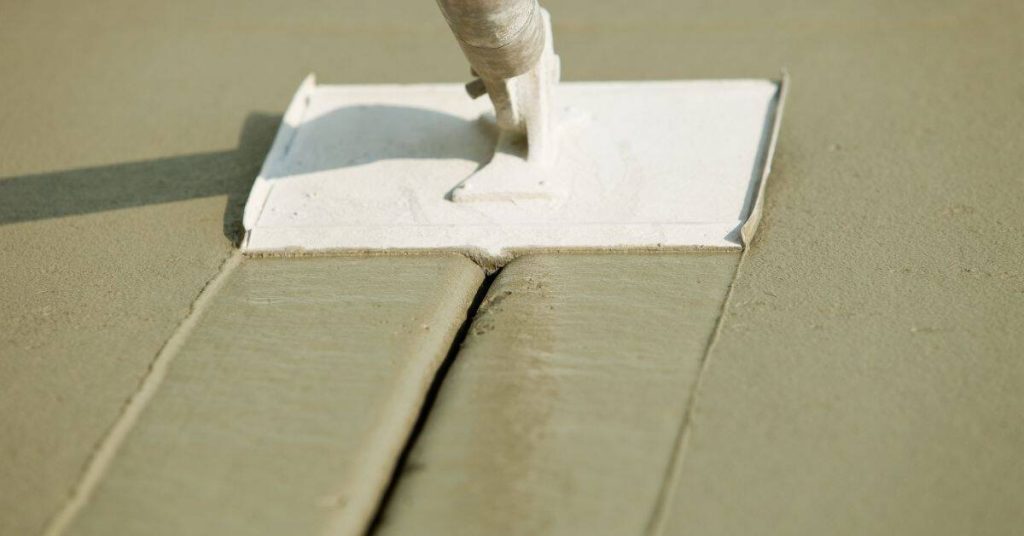
Tool smoothing fresh concrete expansion joint surface

Concrete Joint Sealant Depth: Backer rod sizing and tooling that stops peel-back

Introduction Backer rod sizing and proper tooling determine how deep the sealant sits and how well it resists peel-back. For DIY projects, match the rod to the joint width and choose tools that help you shape and cut the sealant cleanly. Check the joint surfaces and the manufacturer’s instructions for any minimums or recommendations. Weather

Concrete Joint Sealant Depth: Backer rod sizing and tooling that stops peel-back Read More »

Worker using power trowel on fresh concrete slab

Concrete Finishing in Wind: Evaporation Control and Burn Risks

Introduction Concrete finishing in wind means shaping and smoothing concrete while wind speeds pull moisture away, increasing surface evaporation. Wind can cause rapid surface drying and burn risks if you rush finishing actions. Work with small batches, plan timing, and watch the surface for signs of drying. Use evaporation control methods such as misting, shade,

Concrete Finishing in Wind: Evaporation Control and Burn Risks Read More »

Hand tool smoothing a concrete slab surface outdoors

Concrete Dust Control: HEPA Vac Basics for Grinders and Cutters

Introduction HEPA vacuums are high‑efficiency cleanup tools that trap fine concrete dust while you grind or cut. They help reduce airborne dust exposure and keep your work area cleaner, especially when paired with the grinder or cutter you’re using. Use them with care, following the tool’s setup steps and maintaining the filter and hose connection

Concrete Dust Control: HEPA Vac Basics for Grinders and Cutters Read More »