Search Results for: andy concrete

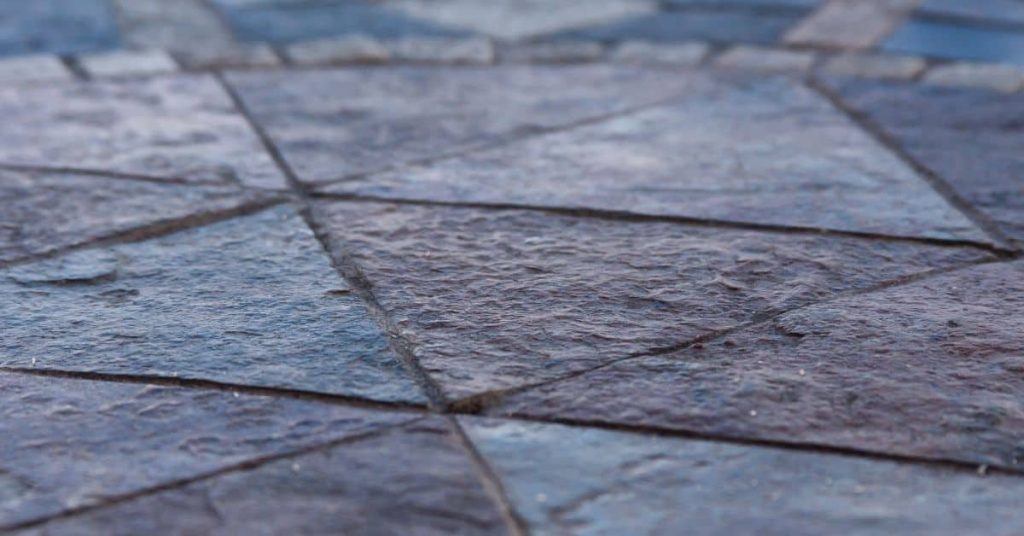
Close-up of textured and stamped concrete surface

Retarders in Decorative Concrete: Avoiding Cold Joints Without Soft Surfaces

Introduction Surface retarders are chemicals you apply to the top of fresh concrete to slow the surface set. They let you finish the body of the slab without creating a soft, uneven surface, helping you avoid cold joints. Different formulas work differently on color and texture, so understand what you’re using before you apply it. […]

Retarders in Decorative Concrete: Avoiding Cold Joints Without Soft Surfaces Read More »
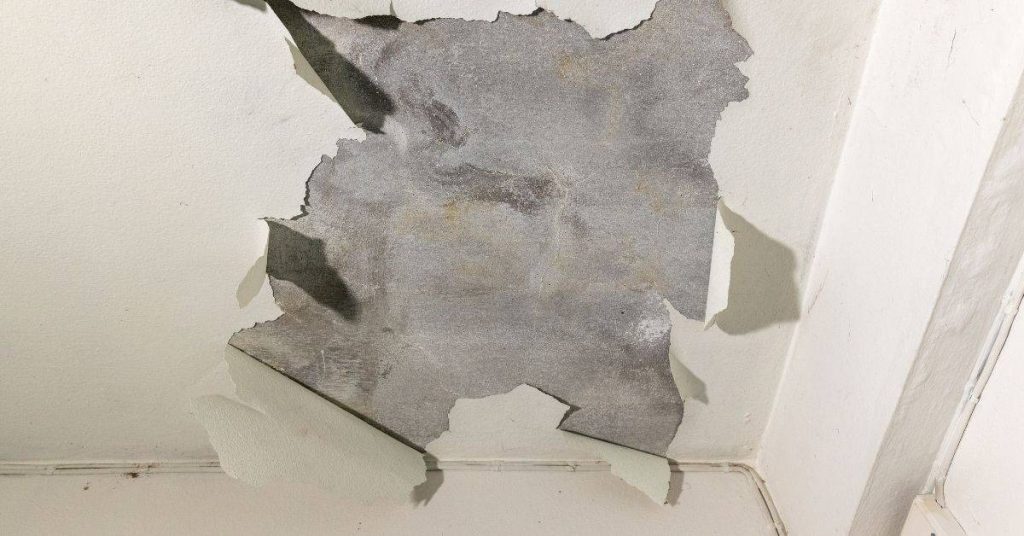
Concrete ceiling with peeling white paint

Ultrasonic Pulse Velocity (UPV) for Concrete: What It Can Detect and What It Can’t

Introduction UPV testing uses high-frequency sound pulses sent through concrete to gauge its internal quality. The basic idea is that faster, cleaner pulses indicate fewer defects, while slow or scattered signals hint at voids, cracks, or poor bonding. Use this as a quick sanity check on conditions, and always consult the equipment’s instructions and local

Ultrasonic Pulse Velocity (UPV) for Concrete: What It Can Detect and What It Can’t Read More »

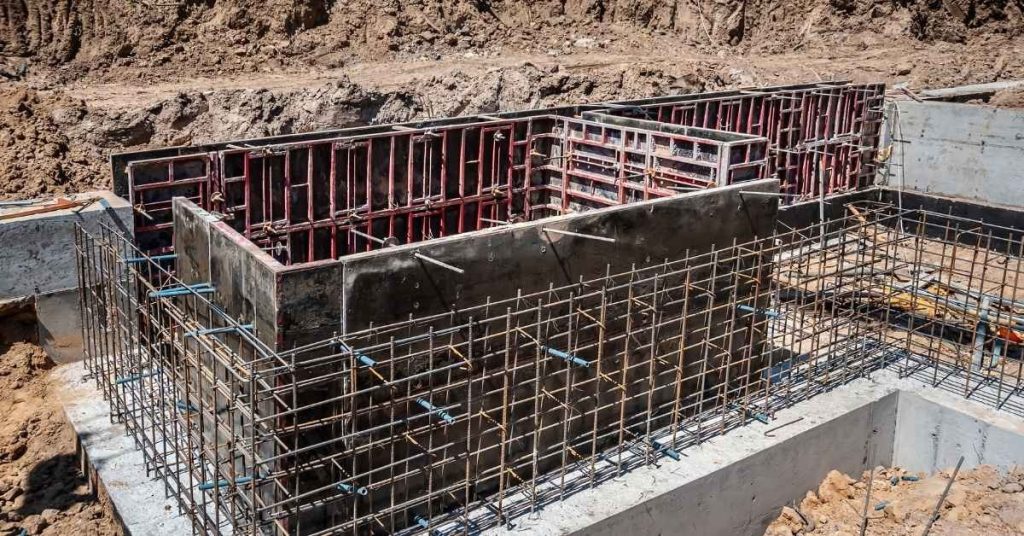
Concrete formwork with exposed rebar at construction site

Concrete Density Checks for DIY Mixes: Bucket Method, Yield, and Spotting a Bad Batch

Introduction Concrete density checks are simple tests that help you verify that your mix has the right solids-to-water balance. The bucket method uses measured volumes of fresh concrete to estimate yield and consistency, then you compare it to what you expect from your mix. If the results seem off, check the label and follow manufacturer

Concrete Density Checks for DIY Mixes: Bucket Method, Yield, and Spotting a Bad Batch Read More »

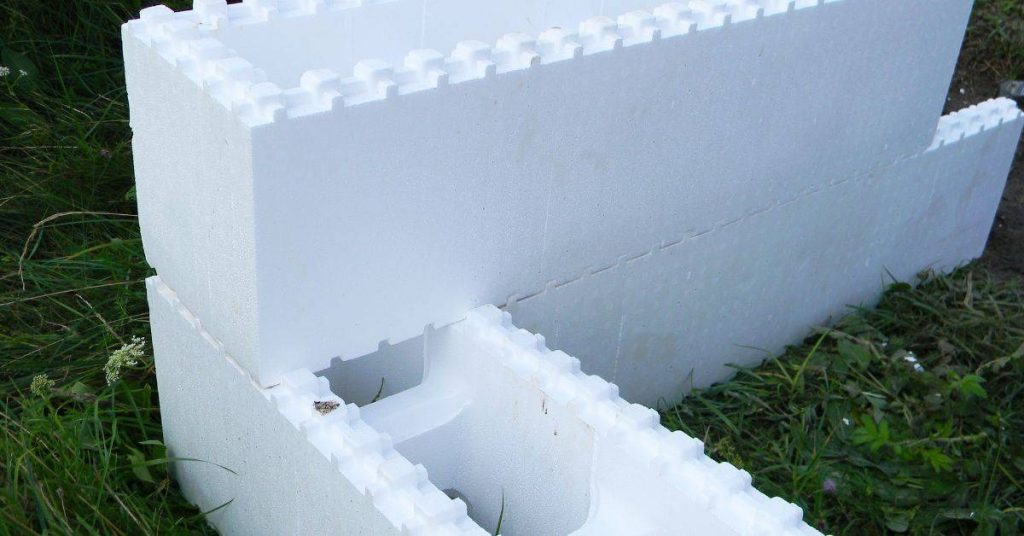
White insulated concrete forms stacked on grass outdoors

Measuring Concrete Cover in the Field: Why “Close Enough” Causes Long-Term Spalls

Introduction Measuring concrete cover accurately means checking how far the rebar or embedded metal sits from the surface, instead of guessing and hoping it’s close enough. In practice, small errors in this measurement can lead to long-term problems like spalling or cracking under load and weather. For DIY work, treat cover as a real detail

Measuring Concrete Cover in the Field: Why “Close Enough” Causes Long-Term Spalls Read More »

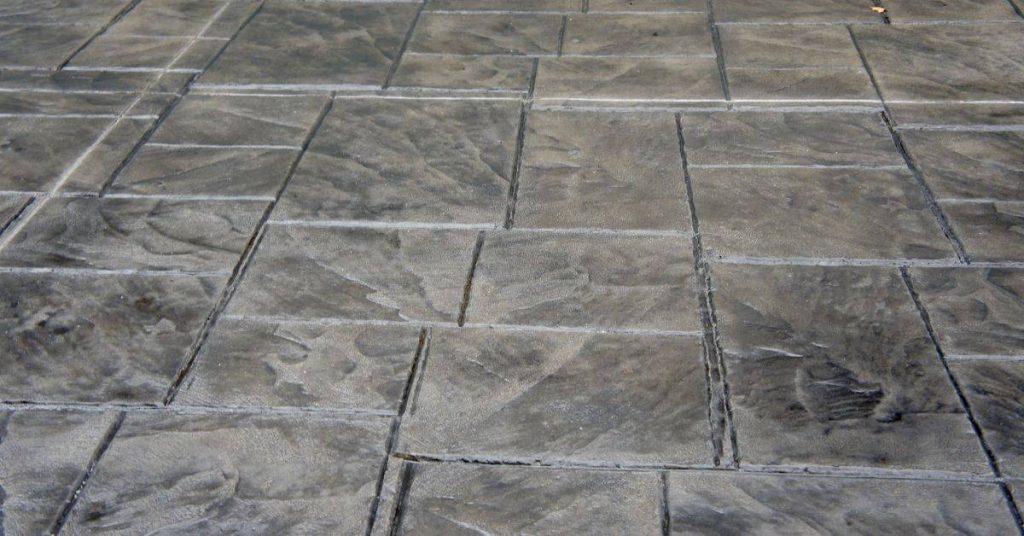
Stamped concrete patio surface with rectangular patterns

Dye Penetrant for Hairline Cracks in Concrete: Finding What You Can’t See

Introduction Dye penetrant testing is a simple non-destructive method to reveal hairline cracks in concrete that you can’t see with the naked eye. This article explains what it is, how it works at a DIY level, and what you can safely check yourself. You’ll get a plain, hands-on look at when to consider this method

Dye Penetrant for Hairline Cracks in Concrete: Finding What You Can’t See Read More »

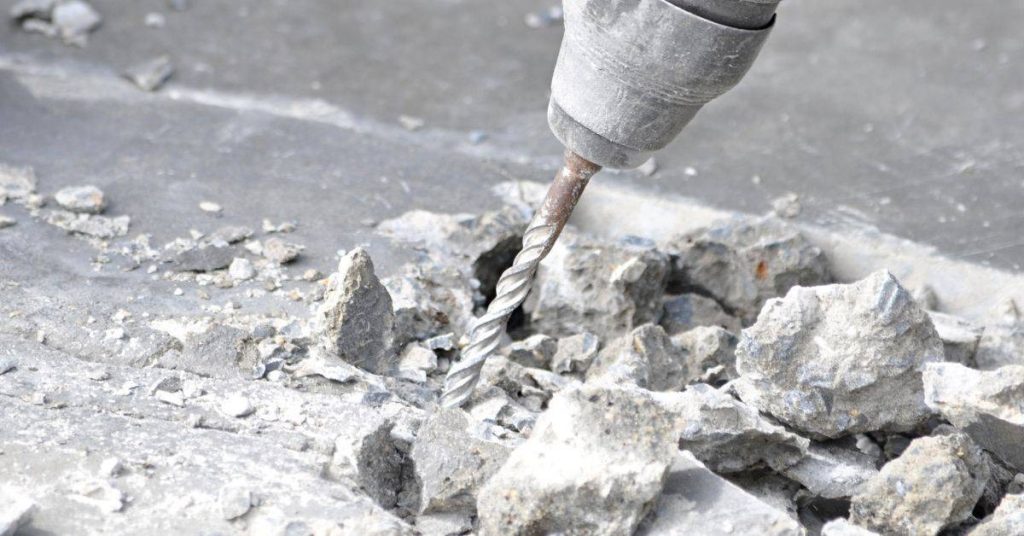
closeup of drill bit breaking concrete surface

Setting Posts in Concrete: How to avoid the ‘water cup’ rot trap

Introduction Setting posts in concrete helps keep them straight and protected from rot by sealing the base. This quick intro covers practical steps to avoid the water cup rot trap and finish a solid, long-lasting post setup. You’ll learn what to check and how to handle common DIY spots without getting overwhelmed. Look at the

Setting Posts in Concrete: How to avoid the ‘water cup’ rot trap Read More »

Two red concrete pump booms reaching upward

Removing Old Acrylic Sealer: Best stripping methods that don’t scar concrete

Introduction Removing old acrylic sealer means stripping the old finish from the concrete surface without gouging it. This DIY guide walks you through practical methods, safety steps, and what to check on product labels. Start by cleaning the area and choosing a method that fits your concrete and sealer type. Follow product instructions and local

Removing Old Acrylic Sealer: Best stripping methods that don’t scar concrete Read More »

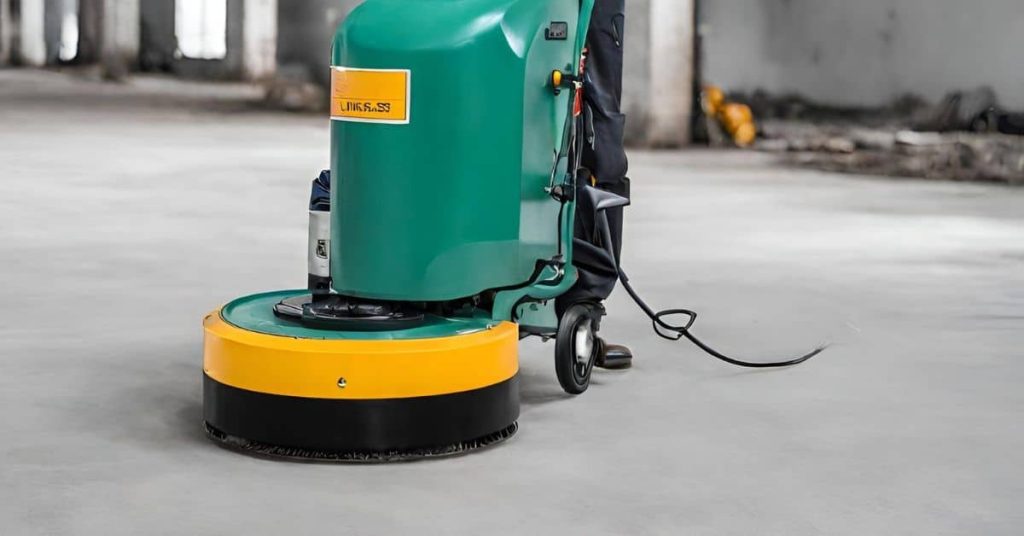
Green and yellow floor cleaning machine on concrete surface

Oil Stains in Concrete: Deep cleaning methods that don’t wreck sealers

Introduction Oil stains in concrete are marks where oil has penetrated the surface and can ruin color and seal performance. They can trap dirt and may interfere with resealing if not treated. This is why addressing them before applying sealers matters. For fresh spills, blot up excess oil and clean with a mild degreaser, then

Oil Stains in Concrete: Deep cleaning methods that don’t wreck sealers Read More »