Search Results for: andy concrete

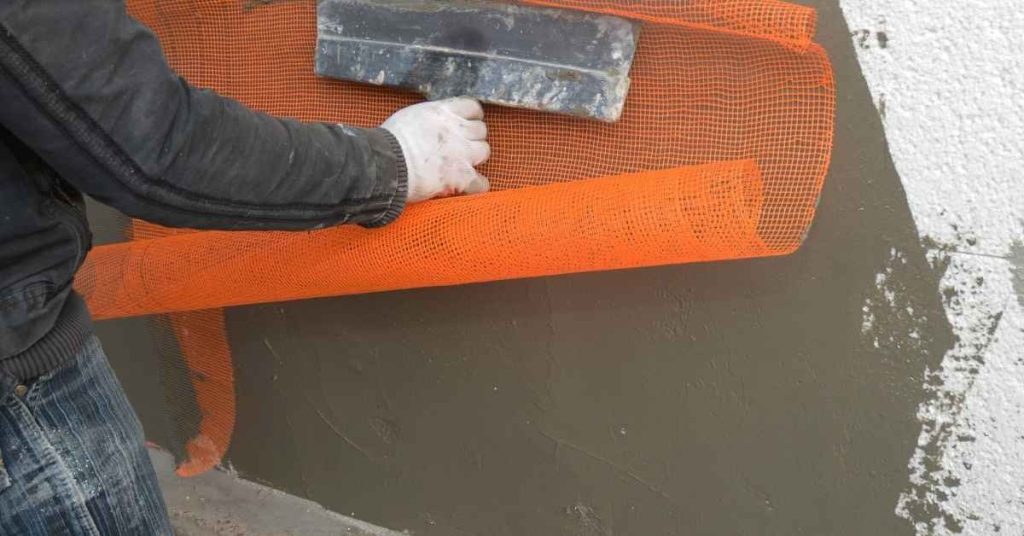
Worker applying orange mesh on wet stucco surface

Repairing Stucco at Inside Corners: Mesh Layout and Stress Relief Details

Introduction Repairing stucco at inside corners means reinforcing the corner with mesh and creating controlled stress relief so the patch bonds and moves without cracking. In practice you’ll cut and embed mesh over the corner, feather the scratch/base coats into the surrounding sound stucco, and finish with compatible topcoat material; check product labels and local […]

Repairing Stucco at Inside Corners: Mesh Layout and Stress Relief Details Read More »
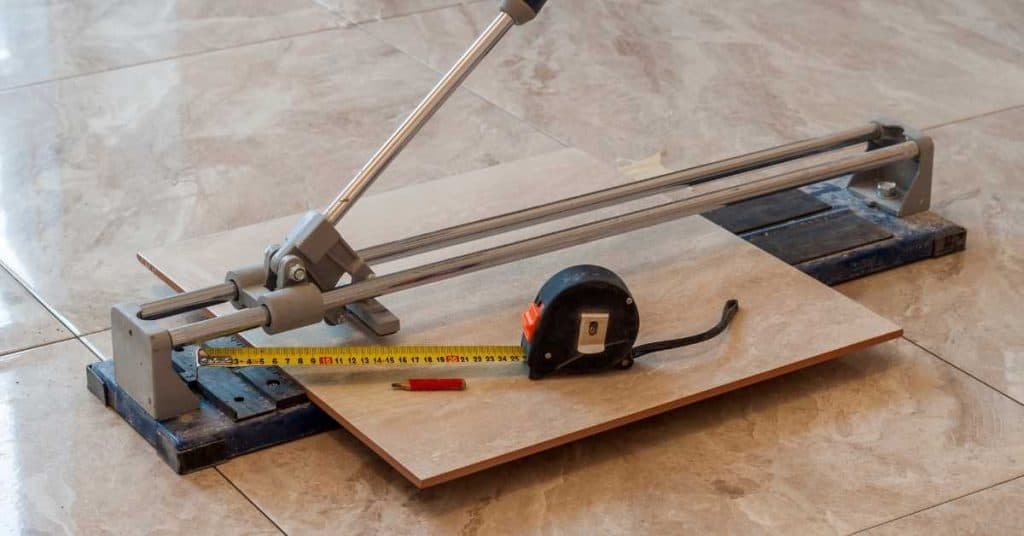
Tile cutter with tape measure and pencil on tiled floor

Tile Layout “Money Line” Mistakes: How to Avoid Skinny Cuts at Doorways, Niches, and Focal Walls

Introduction “Money line” in tile layout means the primary straight reference you use to place tiles so you avoid tiny, ugly slivers at doorways, niches, and focal walls. It’s the on-site line you snap, test-fit, and adjust before you mortar so your visible edges end up full and balanced. Think like a foreman: set the

Tile Layout “Money Line” Mistakes: How to Avoid Skinny Cuts at Doorways, Niches, and Focal Walls Read More »

Radon Rough-In vs Full Mitigation Under New Slabs: Planning Vent Paths Before the Pour

Introduction Radon rough-in means running piping and electrical raceways into the slab area now so you can add a full mitigation fan and finish the system later; full mitigation means installing the active fan, routing the exhaust and testing after the slab and interior are complete. This gives you a choice at pour time: save

Radon Rough-In vs Full Mitigation Under New Slabs: Planning Vent Paths Before the Pour Read More »

Smooth light blue painted stucco wall surface

Stucco Blisters Under Finish Coat: Causes, Cutback Rules, and Rebuild Steps

Introduction Stucco blisters under the finish coat are pockets of trapped moisture or air beneath the surface layer that lift the finish and can lead to cracking or detachment. In plain jobsite terms, they usually mean water got into the wall system, the assembly dried poorly, or the underlying base or lath bond failed. I’ll

Stucco Blisters Under Finish Coat: Causes, Cutback Rules, and Rebuild Steps Read More »

Open paint buckets with yellow pink and green paint and paintbrush

Adding Color Hardener to Small Slabs: Broadcast Technique and Dust Control

Introduction Adding color hardener to small slabs means broadcasting a powdered pigment over fresh concrete and working it in for color and surface wear resistance. It’s a hands-on process that uses basic tools—buckets, shovels, hand floats, brushes—and color hardener product; check the product label and manufacturer instructions for coverage and timing. Do the broadcast in

Adding Color Hardener to Small Slabs: Broadcast Technique and Dust Control Read More »

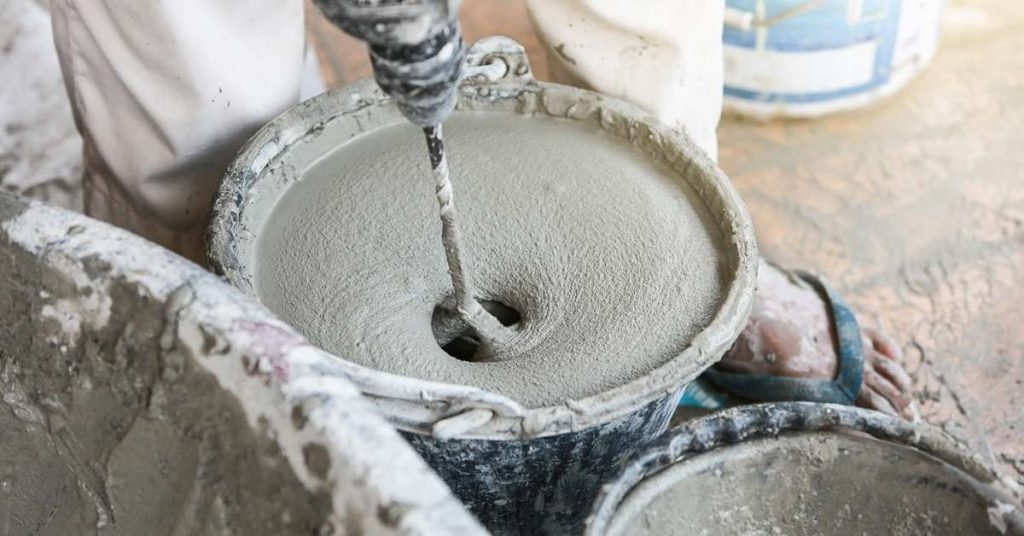
Mixing cement slurry in bucket with power drill paddle

How to Mix Small Batches Without Weak Spots: Bucket Mixing vs Mixer vs Paddle

Introduction Mixing small batches without weak spots means getting a uniform, well-worked mix every time; choose the method that matches your batch size, material, and access to tools. A bucket with a paddle is simple and cheap for very small pours, a portable mixer gives more consistent agitation for larger small batches, and a drill-mounted

How to Mix Small Batches Without Weak Spots: Bucket Mixing vs Mixer vs Paddle Read More »

Close-up of white subway tiles with visible grout lines

Do Subway Tiles Need Spacers? Layout Rules, Exceptions, and Best Practices

Introduction Subway tiles benefit from spacers to keep joints even and straight as you set rows. The idea is to create uniform grout lines while you work, and to understand that layout options come from pattern choices like running bond or stacked tile. Always check the tile manufacturer instructions and local rules for any specific

Do Subway Tiles Need Spacers? Layout Rules, Exceptions, and Best Practices Read More »

Person installing asphalt shingles on sloped roof with nail gun

Can You Shingle a Flat Roof? DIY Reality Check, Steps, and Stop Rules

Introduction Yes, you can shingle a flat roof, but it requires different techniques and precautions. You’ll want to understand how flat roofs differ from pitched ones, especially around slope, drainage, and edge details. This piece gives a practical, hands-on look at what to check before you start and how to approach the work safely. Before

Can You Shingle a Flat Roof? DIY Reality Check, Steps, and Stop Rules Read More »