Search Results for: andy concrete

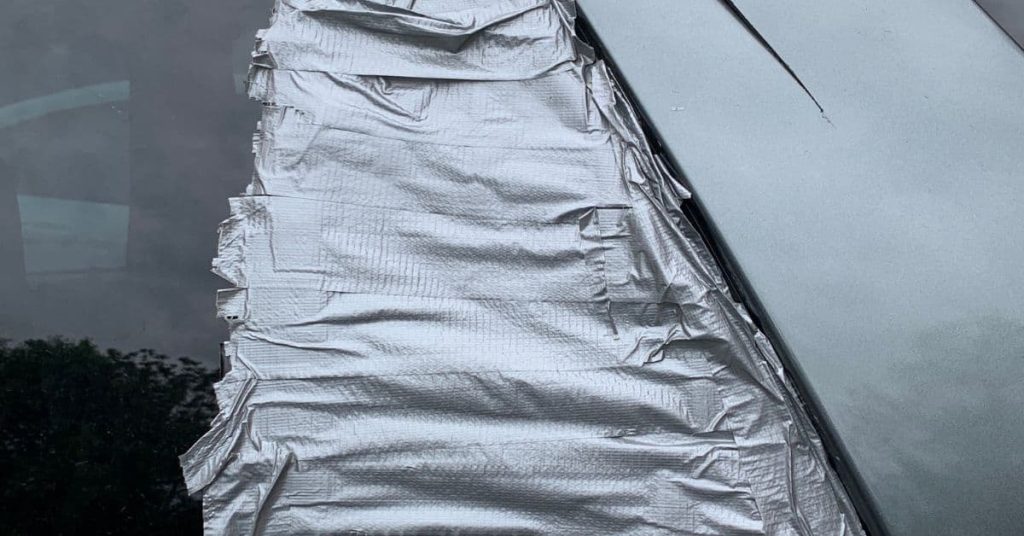
Car window covered with layers of wrinkled silver duct tape

Duct Tape Residue: Why It Happens, How to Remove It, and How to Prevent It

Introduction Duct tape residue is the sticky film left behind when tape is removed. It sticks to many surfaces and can attract dust and dirt over time. The approach to cleanup can vary with the surface, so test a small area first before committing to a method. To remove residue, start with gentler methods like […]

Duct Tape Residue: Why It Happens, How to Remove It, and How to Prevent It Read More »
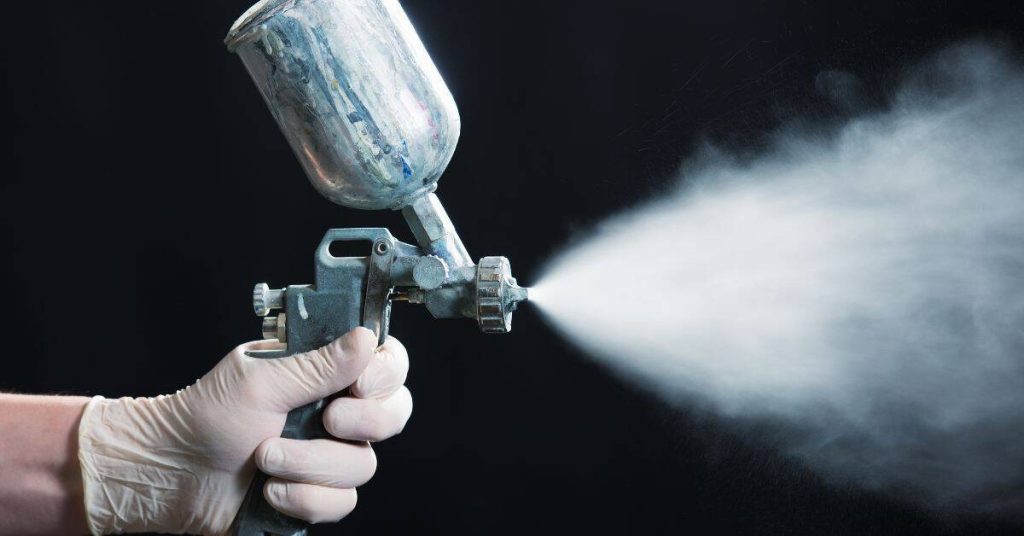
Hand holding paint spray gun releasing white spray mist

Dry Spray on Walls: Fixing Rough Overspray and Preventing It Next Time

Introduction Dry spray on walls is a rough, sandy coating left when spray material dries unevenly. It’s usually caused by improper spray technique or poor surface prep. Fixing it starts with cleaning, sanding, and blending so the surface is ready for another coat. To prevent dry spray next time, adjust the spray setup and ensure

Dry Spray on Walls: Fixing Rough Overspray and Preventing It Next Time Read More »

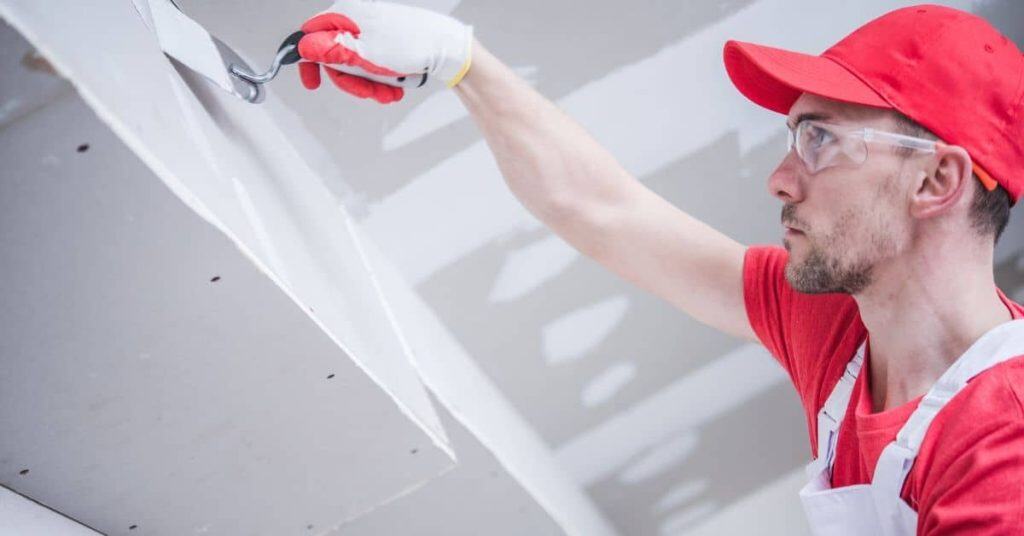
Man applying joint compound to drywall ceiling corners

Finishing Drywall Around Recessed Lights: Avoiding Rings, Cracks, and Shadowing

Introduction Finishing drywall around recessed lights means taping, mudding, and sanding careful edges so the lights sit cleanly in the ceiling. The goal is to avoid visible rings, hairline cracks, and shadow lines when the light is on. Check the fixture details and follow any manufacturer or local guidance rather than guessing. Feather the mud

Finishing Drywall Around Recessed Lights: Avoiding Rings, Cracks, and Shadowing Read More »

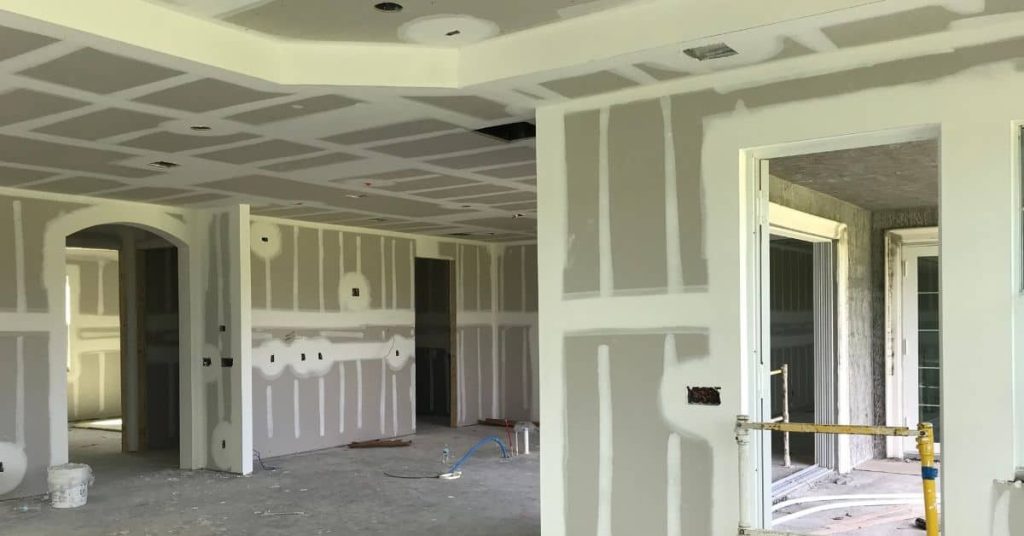
Interior walls with drywall joint tape and joint compound applied

Choosing Joint Tape: Paper vs. Fiberglass vs. FibaFuse (Use Cases and Failure Modes)

Introduction Joint tape is the thin strip that reinforces drywall joints when you compound them. Choosing between paper, fiberglass, and FibaFuse comes down to how you want the joint to behave and how much you’re willing to feather and sand. No matter which you pick, follow the product label and manufacturer instructions for application and

Choosing Joint Tape: Paper vs. Fiberglass vs. FibaFuse (Use Cases and Failure Modes) Read More »

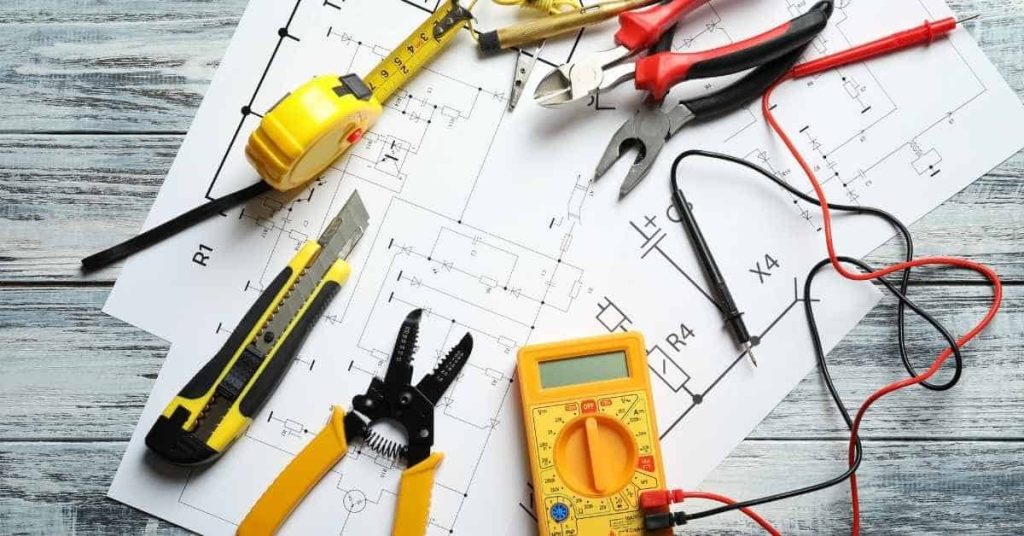
Electrical tools on top of blueprint diagrams on wooden surface

Electrical Box Extenders and Drywall Thickness: Getting Device Flush Without Cracked Mud Rings

Introduction Electrical box extenders adjust the depth of a box so the device sits flush with drywall. Key takeaways Match drywall thickness with extender depth to keep devices flush. Measure drywall and box depth accurately before selecting any extender. Choose extender type by box style, mud thickness, and finish height. Follow manufacturer instructions and local

Electrical Box Extenders and Drywall Thickness: Getting Device Flush Without Cracked Mud Rings Read More »

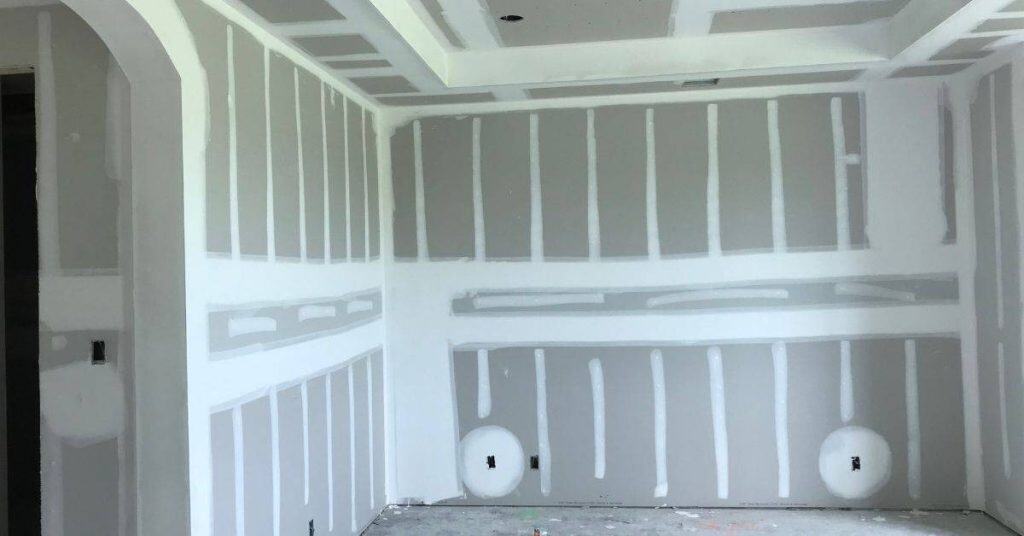
Drywall panels with taped and mudded seams in unfinished room

Drywall Repair After Wallpaper Removal: Fixing Torn Paper Without Bubbles

Introduction Drywall repair after wallpaper removal means fixing the torn or peeled gypsum board surface so it sits flat and ready for paint. You’ll likely need to patch the torn areas, skim the joints, and feather the edges so the wall looks seamless. This is a hands-on job you can do without specialized tools beyond

Drywall Repair After Wallpaper Removal: Fixing Torn Paper Without Bubbles Read More »

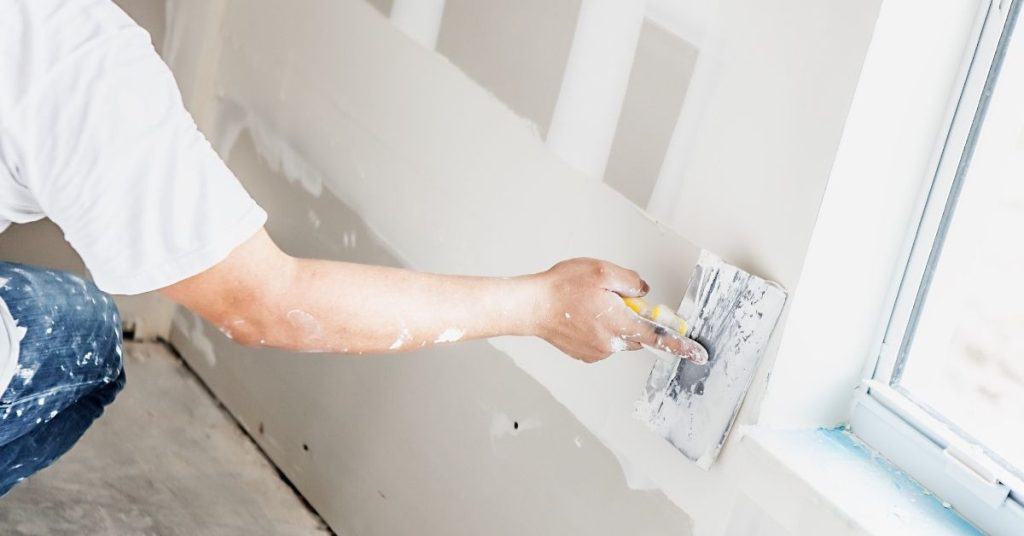
Person applying drywall joint compound near window

Drywall Around New Windows: How to Build Returns That Stay Straight and Crack-Free

Introduction Returns around a window are the built drywall edges that keep the opening straight and crack‑free. This article explains how to shape and install them in a DIY‑friendly way. You’ll get a straightforward, hands-on approach that doesn’t rely on theory. You’ll want to start by dry‑fitting the window reveal and deciding where the drywall

Drywall Around New Windows: How to Build Returns That Stay Straight and Crack-Free Read More »

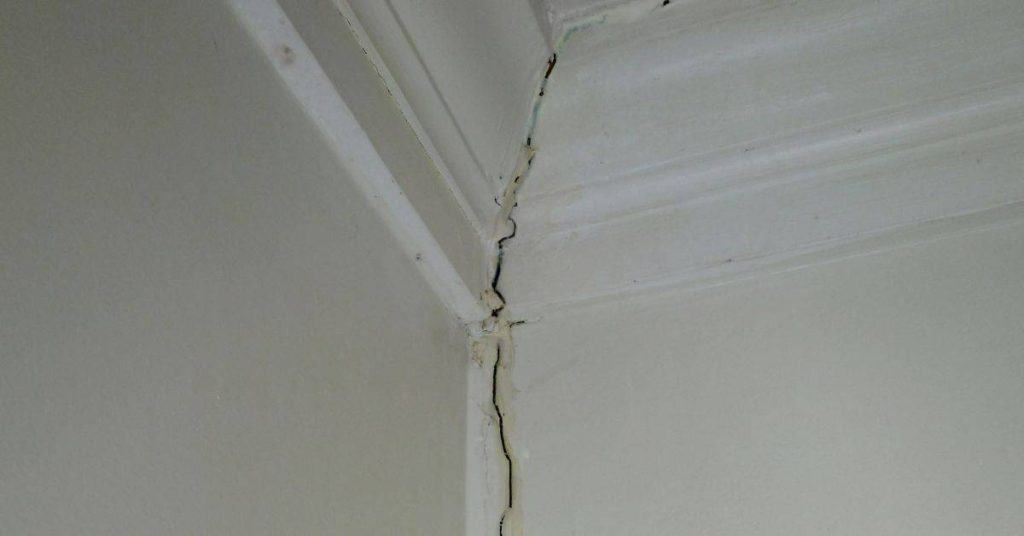
Crack running along wall and ceiling corner

Plaster Crack Monitoring: Simple Marking and Timing So You Don’t Patch Moving Cracks

Introduction Plaster crack monitoring is watching cracks to see if they move over time before deciding to patch. Mark the crack and check it again after a short period to see if the gap changed. Keep the marks simple and document any movement by noting the crack’s location and new markings, then compare to prior

Plaster Crack Monitoring: Simple Marking and Timing So You Don’t Patch Moving Cracks Read More »

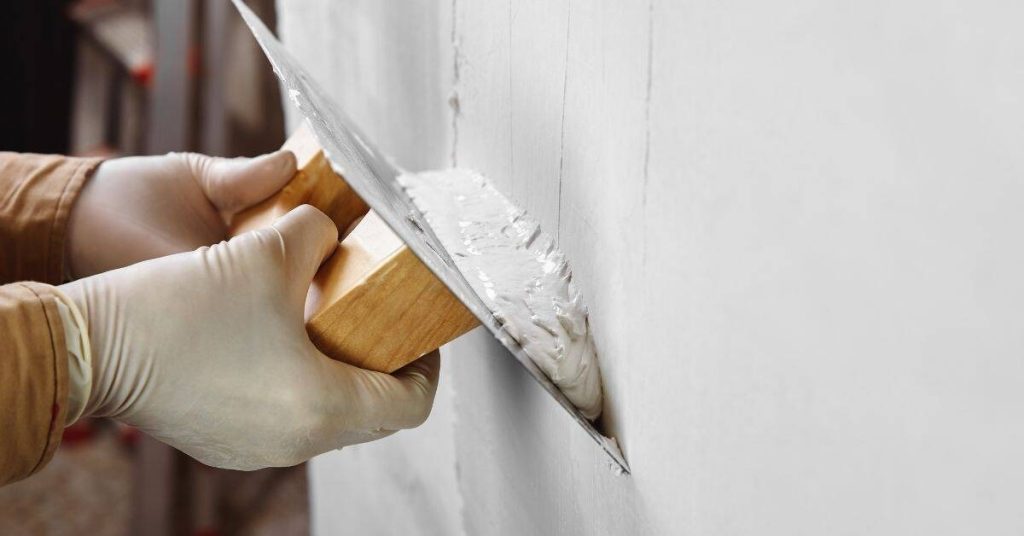
Hands applying plaster smoothly on interior wall

Plaster Soundproofing Add-Ons: When an Extra Coat Helps and When It’s Wishful Thinking

Introduction Extra plaster coats provide additional mass and seal to help reduce sound transmission when the first layer isn’t enough. A second coat can improve sound dampening by filling gaps and smoothing the surface. But it’s not a magic fix for loud environments or structural issues. Whether to add another coat depends on the room,

Plaster Soundproofing Add-Ons: When an Extra Coat Helps and When It’s Wishful Thinking Read More »

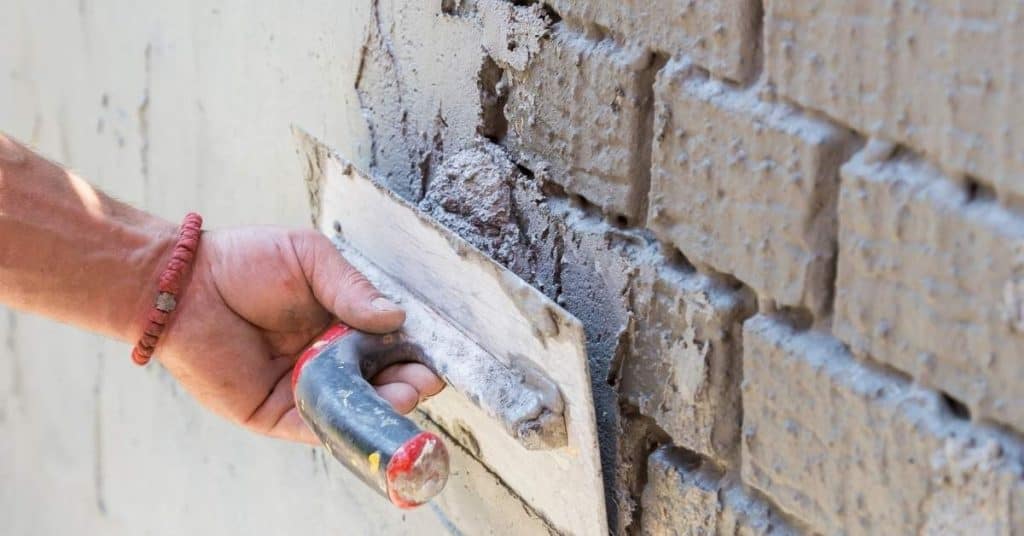
Hand applying plaster to rough brick wall with trowel

How to Patch Plaster Over Brick Arches Without ‘Shadow Lines’ Reappearing

Introduction Patching plaster over brick arches means applying new plaster to cover the brick and hide uneven shadows. You’ll aim for a flat, uniform surface that looks seamless with the surrounding wall. Work in small steps, keeping the mix workable and the surface clean as you go. Start by inspecting for loose bricks or dust,

How to Patch Plaster Over Brick Arches Without ‘Shadow Lines’ Reappearing Read More »