Search Results for: MS with epoxy

Hand shaping a ball of plaster close up

How to Rebuild Missing Plaster Keys: Methods That Don’t Require Full Demo

Introduction A plaster key restoration is rebuilding the shallow grip surfaces in a wall to allow new plaster to bond without tearing out the entire section. It’s done without full demolition and is aimed at DIY repair. This introduction sets up practical, hands-on steps you can follow at home. Start with a careful inspection of […]

How to Rebuild Missing Plaster Keys: Methods That Don’t Require Full Demo Read More »

Person applying plaster over blue mesh on wall

Clay Plaster Over Plywood: Movement Joints and Mesh Choices That Reduce Cracking

Introduction Clay plaster over plywood is a breathable, clay-based wall finish bonded to a plywood base. If you’re DIYing, expect a more flexible layer that can absorb minor movement without cracking. Plan for movement joints and appropriate reinforcement to guide cracks where you want them. Placement of joints and the right mesh help the plaster

Clay Plaster Over Plywood: Movement Joints and Mesh Choices That Reduce Cracking Read More »

Concrete pouring onto rebar grid with workers in background

Concrete

Concrete Guides: Start Here This hub collects my most practical concrete guides in one place—prep, forms, reinforcement, placing, finishing, curing, sealing, and repairs. If you’re new to concrete, don’t start with the pour. Start with the prep and planning guides first. That’s where most “mystery problems” are born. Start here Prep & planning (before you

Concrete Read More »

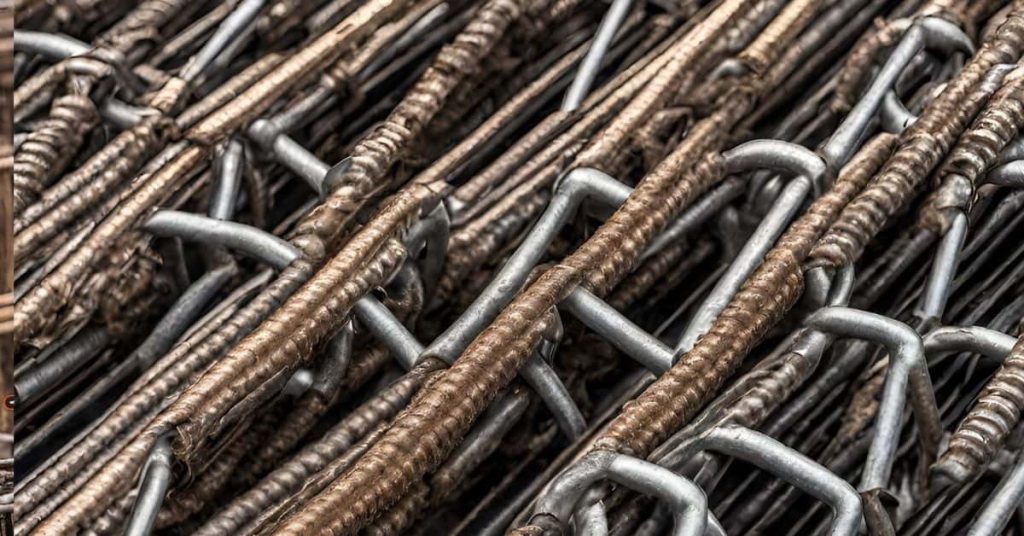
Close-up of rusted steel rebar tied with metal wire chairs

Plastic Rebar Chairs vs Wire Chairs: Avoiding Rust Staining and Punch-Through

Introduction Plastic rebar chairs are non-metal, lightweight supports that keep rebar off the form and away from the wet concrete. Unlike wire chairs, they won’t rust and stain the concrete, which helps with a cleaner pour. Check that the chairs are rated for the cover you need and compatible with your rebar size before using.

Plastic Rebar Chairs vs Wire Chairs: Avoiding Rust Staining and Punch-Through Read More »

Concrete countertop with integrated sink and black faucet

How to Avoid Rebar Shadowing on Thin Countertops: Cover, Pigment, and Sealing Strategies

Introduction Rebar shadowing on thin countertops happens when embedded metal rebar or mesh shows through the surface. This article explains practical ways to prevent that by using proper cover, pigment strategy, and sealing steps. Always verify manufacturer instructions and local rules for materials and installation before you start. Cover techniques focus on keeping the metal

How to Avoid Rebar Shadowing on Thin Countertops: Cover, Pigment, and Sealing Strategies Read More »

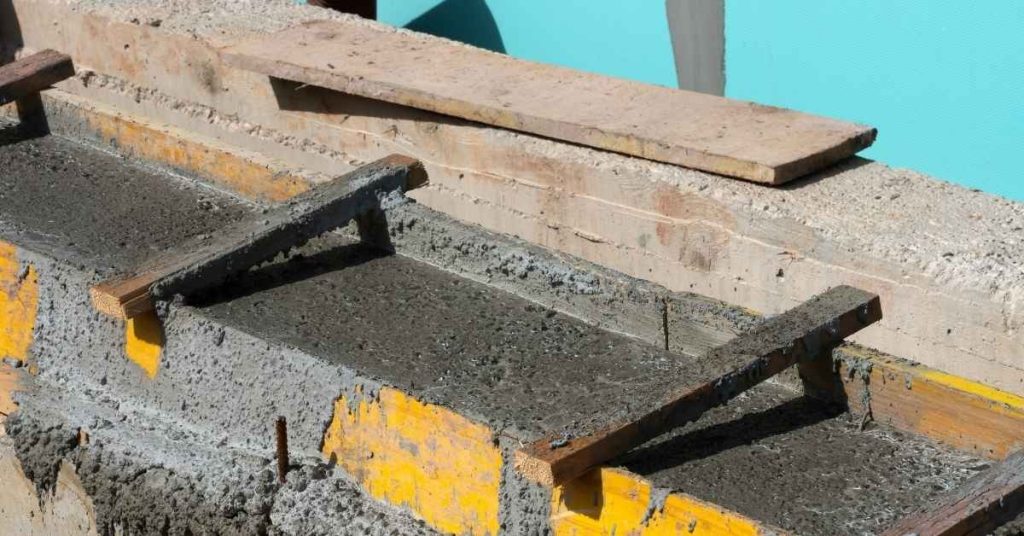
Freshly poured concrete in wooden formwork outdoors

Dealing With Surprise Rain Mid-Pour: What to Cover, What to Keep Working, and What to Redo

Introduction Rain mid-pour can ruin fresh concrete; cover, protect, and resume safely. Protect exposed areas with appropriate coverings, don’t work on wet concrete, and check forms for any change. After rain, inspect for surface defects, damp spots, or set delays before continuing. Resume pouring only when conditions are right and you follow the coating and

Dealing With Surprise Rain Mid-Pour: What to Cover, What to Keep Working, and What to Redo Read More »

Hand applying white plaster with metal putty knife

Scagliola Basics: Making Faux-Marble Plaster Panels and Sealing Them for Real Use

Introduction Scagliola is a plaster technique used to imitate marble. Key takeaways Choose faux-marble panels when you want durable, low-maintenance decorative plaster. Prepare substrate with clean, sound surface and proper moisture management. Use sharp tools and steady mixing with PPE to avoid texture inconsistencies. Marbling requires even color distribution; test small panels before full cast.

Scagliola Basics: Making Faux-Marble Plaster Panels and Sealing Them for Real Use Read More »

Closeup of metal chain link fence with blurred background

Metal Accessory Corrosion (Beads, Screeds) in Coastal Zones: Material Upgrades and Isolation Tricks

Introduction Coastal metal accessories like beads and screeds that contact concrete are prone to corrosion from salt and moisture. This topic covers practical upgrades and isolation tricks you can use during DIY work. Treat it as a hands-on job: plan, protect, and seal where metal meets concrete. Look for corrosion-resistant alloys or coatings and install

Metal Accessory Corrosion (Beads, Screeds) in Coastal Zones: Material Upgrades and Isolation Tricks Read More »

Concrete columns with exposed steel reinforcement bars

Repairing Concrete Exposed to Acids: What Can Be Neutralized and What Must Be Removed

Introduction Acid-exposed concrete can sometimes be neutralized on the surface, but damaged material must be removed. This DIY overview explains what you can safely treat and how to tell when removal is necessary. It keeps the process practical and plain-language, like a job you can tackle on a weekend. Begin by cleaning, neutralizing per label

Repairing Concrete Exposed to Acids: What Can Be Neutralized and What Must Be Removed Read More »

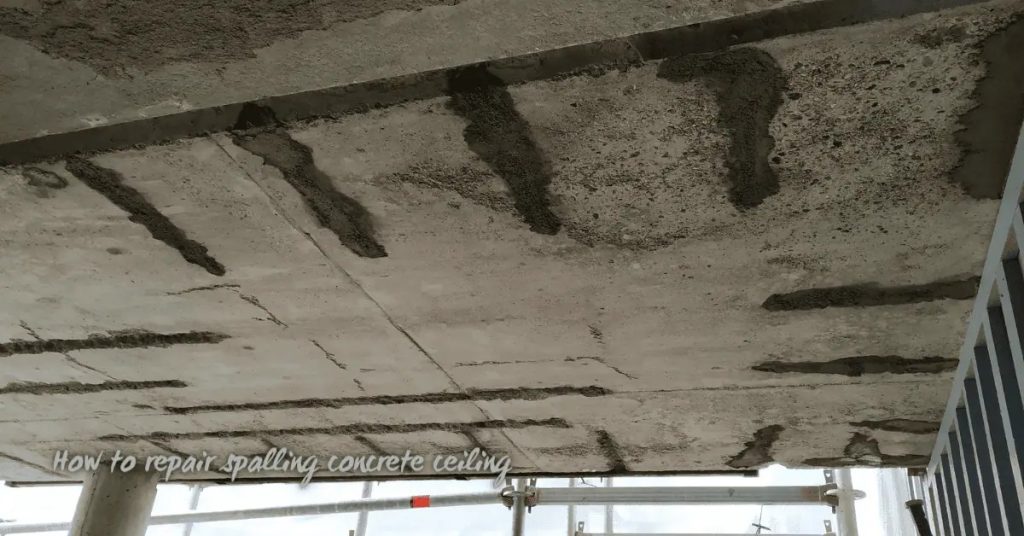
Concrete ceiling with patched spalling damage areas

Repairing Concrete After Fire Exposure: Spalling, Strength Loss Signs, and Testing

Introduction Repairing concrete after fire exposure means assessing damage from heat, spalling, and strength loss and deciding what to fix. This guide covers what to look for and how to approach testing and repairs in plain, DIY language. It focuses on visual signs and simple checks you can perform safely at home. Start with a

Repairing Concrete After Fire Exposure: Spalling, Strength Loss Signs, and Testing Read More »