Search Results for: MS with epoxy

Hand smoothing plaster on white wall with trowel

Repair Mortar That Debonds: Surface Prep Mistakes and How to Reattach Correctly

Introduction Repairing mortar that debonds means reattaching loose mortar to the wall or joint using proper prep and bonding steps. Start by cleaning away loose bits and finding solid edges so the new mix has something solid to grab. Check the product label or manufacturer instructions for bond requirements and suitable mixes, and follow local […]

Repair Mortar That Debonds: Surface Prep Mistakes and How to Reattach Correctly Read More »
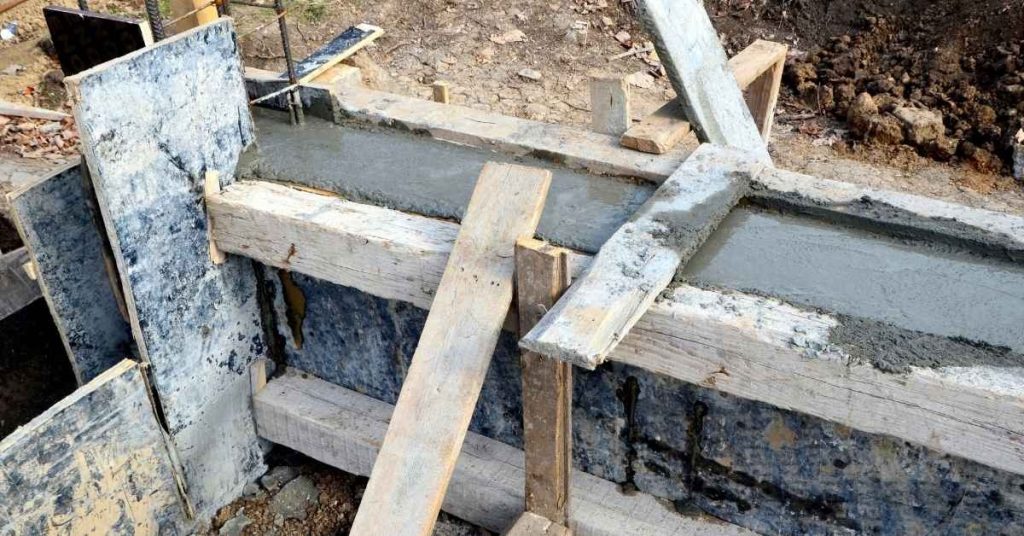
Wooden concrete forms filled with fresh concrete at construction site

Installing Sleeve Anchors: Edge Distance Rules and Avoiding Blowout

Introduction Edge distance for sleeve anchors is the minimum distance from the edge of the material to where the anchor is installed. This distance helps prevent cracks, splits, and blowout during loading. Understand that following the edge rule is essential for holding power and long life of the anchor. Look up the recommended edge distance

Installing Sleeve Anchors: Edge Distance Rules and Avoiding Blowout Read More »

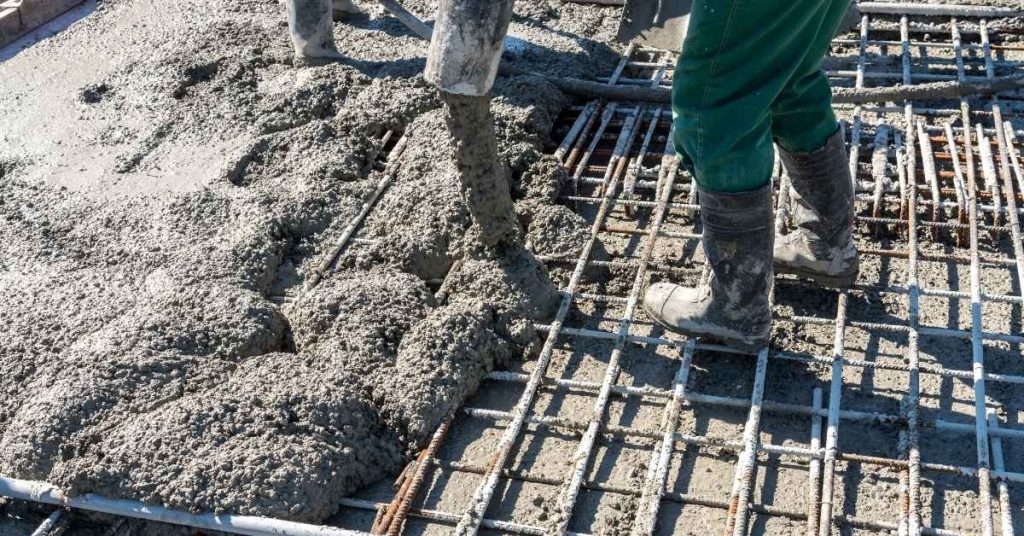
Worker pouring wet concrete over steel rebar grid

Repairing Concrete After Jackhammering Nearby: Microcracks, Prep, and Patch Adhesion

Introduction Repairing concrete after jackhammering nearby means fixing hairline cracks and damaged patches so the surface can take load again and look even. Microcracks form from vibration and shifts, and prep is needed to keep new material from pulling away. Start by cleaning dust and debris, then let the area dry. Roughen the surrounding concrete

Repairing Concrete After Jackhammering Nearby: Microcracks, Prep, and Patch Adhesion Read More »

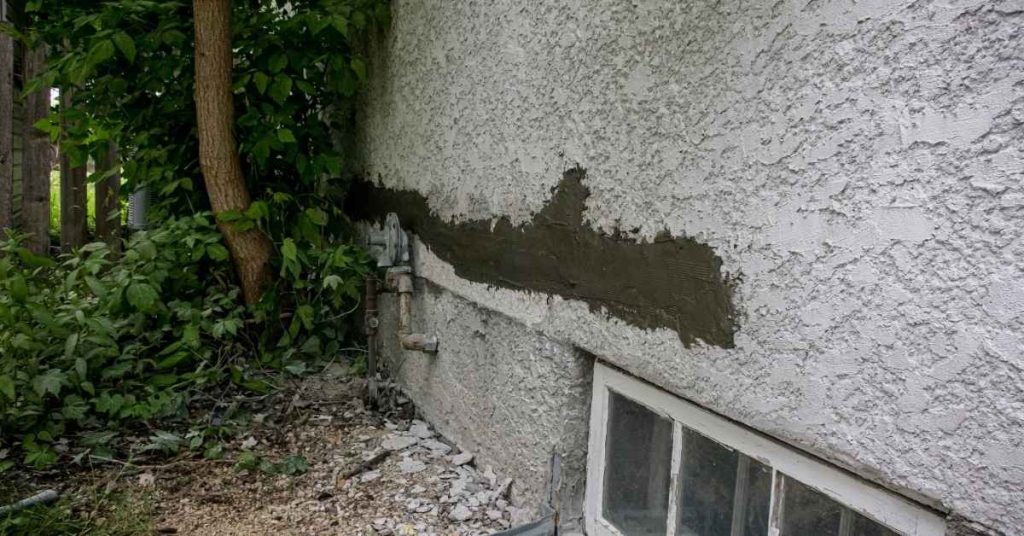
Patch of dark wet stucco on white stucco wall near window

Fixing a Patch That Cures Too Fast: Re-wetting Rules and When It’s Already Lost

Introduction A patch that cures too fast is a concrete repair that dries or stiffens before you get a proper surface set, risking weak bonding. Keep the patch and surrounding surface moist with light, even misting and shade as long as the material remains workable. Don’t let it puddle or dry out too quickly, and

Fixing a Patch That Cures Too Fast: Re-wetting Rules and When It’s Already Lost Read More »

Stone water well with bucket hanging from pulley system

How to Prevent Concrete ‘Mud Cracks’ in Patches: Water Control and Layer Thickness

Introduction Mud cracks in patches occur when water leaves the mix faster than the concrete sets and the patch is too thick. Keep forms tight and manage moisture so the surface cures evenly, not with a runny or dry edge. Always check the product label or local guidance for curing and thickness recommendations before you

How to Prevent Concrete ‘Mud Cracks’ in Patches: Water Control and Layer Thickness Read More »

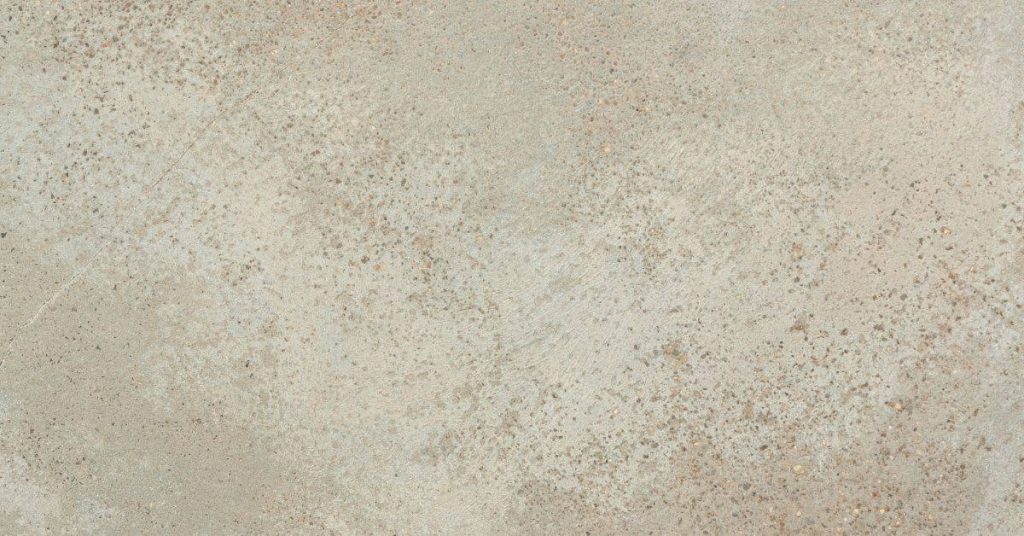
closeup of textured sand-finish concrete surface

DIY Sand-Finish Concrete: Getting a Fine Texture Without Weak Surface Paste

Introduction DIY Sand-Finish concrete is a surface texture created by applying a fine sand mix to the top to achieve a smooth, speckled look. It’s a hands-on technique that can hide light trowel marks and give the surface a gentle, gritty feel. It’s meant to be practical for a DIY project, not a showroom finish.

DIY Sand-Finish Concrete: Getting a Fine Texture Without Weak Surface Paste Read More »

Hand painting metal frame with orange paint roller

Sealing Cracks Before Painting Concrete: Fillers That Don’t Telegraph Through Topcoats

Introduction Sealing cracks before painting concrete means filling and sealing gaps so the finished surface looks uniform and the cracks don’t telegraph through the topcoat. It’s a practical, hands-on step you can tackle with basic fillers and simple tools. Always check the product label for curing time and application temperature before you start. Choose a

Sealing Cracks Before Painting Concrete: Fillers That Don’t Telegraph Through Topcoats Read More »

painted concrete porch floor with chairs and small table

Concrete Floor Paint Blistering Months Later: Vapor Drive vs Cleaning Residues

Introduction Blistering on a finished concrete floor is when paint bubbles and lifts away months after you painted. Two common culprits are vapor drive from the slab and leftover cleaning residues. Both causes require different fixes, so identify which is at fault before touching up. To tell which is the cause, check for moisture or

Concrete Floor Paint Blistering Months Later: Vapor Drive vs Cleaning Residues Read More »

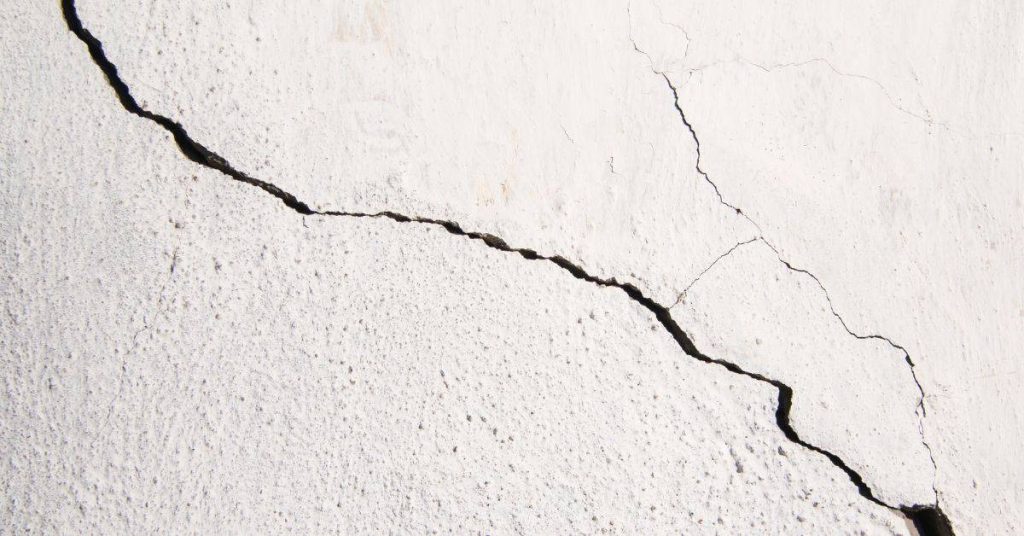
Closeup of large crack in white stucco wall surface

Tracking Crack Movement With Cheap Gauges: What to Record and How to Interpret It

Introduction Tracking crack movement with cheap gauges means using simple, low-cost devices to measure how cracks in concrete or masonry open, close, or shift over time. Place the gauges at consistent points on or near the crack and record readings at regular intervals, then photograph the crack and note the date and weather each time.

Tracking Crack Movement With Cheap Gauges: What to Record and How to Interpret It Read More »

modern multi-story apartment building with concrete surfaces and balconies

Concrete Surface Densifying on Vertical Faces: When It’s Worth It and Application Tricks

Introduction Concrete surface densifying on vertical faces is a treatment that hardens and seals the outer layer of the concrete. It aims to improve abrasion resistance and make vertical surfaces easier to keep clean. Before you start, read the product label and follow the manufacturer’s instructions for temps, application method, and cure time. It’s worth

Concrete Surface Densifying on Vertical Faces: When It’s Worth It and Application Tricks Read More »