Search Results for: HEPA vac

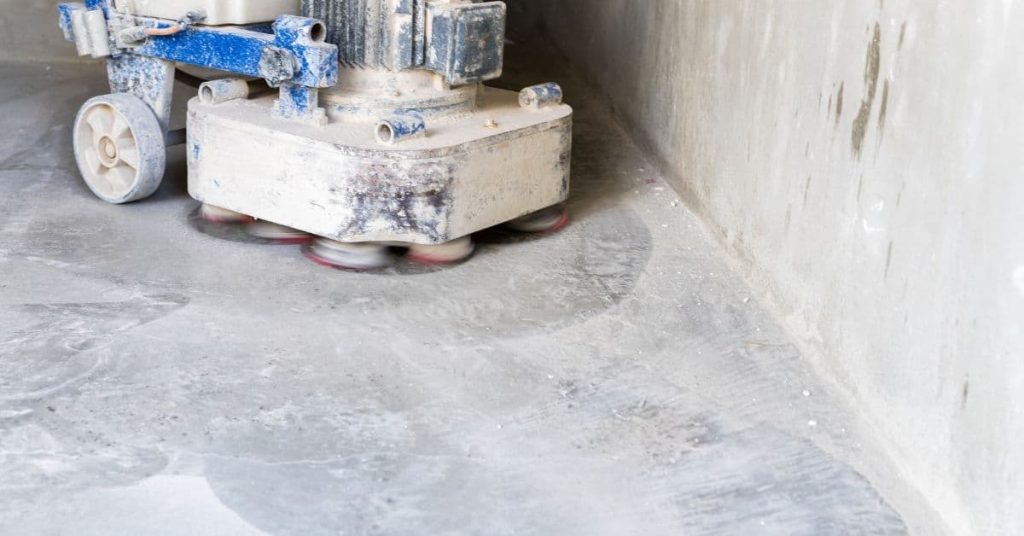
Close-up of a concrete floor grinder machine on concrete surface

Edge-and-Corner Concrete Polishing with a Small Grinder: A Tooling Map That Works

Introduction Edge-and-Corner Concrete Polishing with a Small Grinder is about using a compact handheld grinder to smooth and shine the edges and corners of a concrete surface. It’s a practical, do-it-yourself approach that fits tight spots and uneven edges. Plan for safety and steady, slow passes to avoid gouging or overheating. For small spaces, choose […]

Edge-and-Corner Concrete Polishing with a Small Grinder: A Tooling Map That Works Read More »
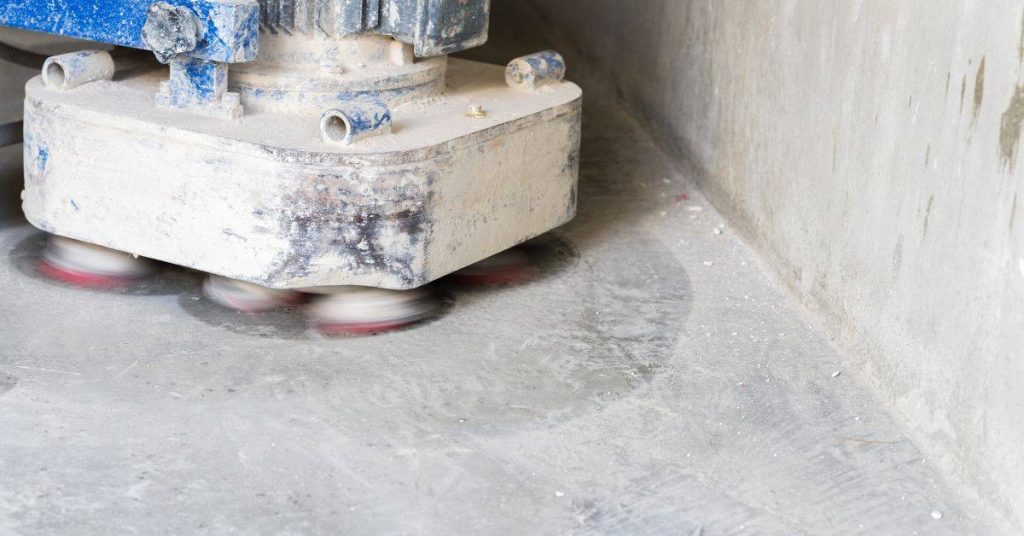
Close-up of concrete floor grinding machine in action

Grinding High Spots on Concrete: How Deep Is Safe Before You Hit Trouble

Introduction Grinding high spots on concrete is the process of removing tiny amounts of surface to bring the floor to a level plane. It’s a hands-on job that starts with locating the high spots and planning the approach, not blasting away blindly. Check your grinder’s guard, power rating, and the manufacturer’s instructions before you begin,

Grinding High Spots on Concrete: How Deep Is Safe Before You Hit Trouble Read More »

Stone-look concrete gate pillars with metal fence panels

Stone-Look Concrete Finishes: Rub Techniques, High Spots, and Sealer Choices

Introduction Stone-Look Concrete Finishes are achieved by rubbing and refining a concrete surface to resemble natural stone. On the job, you’ll use hand tools and trowels to work the surface while it’s still workable, then wipe, rub, and burnish to blend colors. Check product labels and manufacturer instructions for cure times and safety before starting.

Stone-Look Concrete Finishes: Rub Techniques, High Spots, and Sealer Choices Read More »

Close up of drill bit covered in red dust powder

Plaster Dust Control for Small Jobs: Containment, Venting, and Cleanup That’s Livable

Introduction Plaster dust control means keeping dust confined, vented, and cleaned so a small job stays livable. Set up a defined work area with barriers or plastic, cover floors, and contain the dust to the room you’re working in. Wear appropriate PPE like a dust mask, eye protection, and gloves, and remove loose clothing to

Plaster Dust Control for Small Jobs: Containment, Venting, and Cleanup That’s Livable Read More »

Aluminum ladder with paint bucket in bright empty room

Painting in a Closed Room: Ventilation Setups That Cut Odor Without Blowing Dust Into Wet Paint

Introduction Ventilation setups for painting in a closed room mean controlling airflow to reduce odor while preventing dust from landing in wet paint. Key takeaways Plan ventilation before painting; map exhaust and intake locations to avoid crossdrafts. Use filtration-first approach with HEPA and activated carbon to capture particles and odors. Isolate work area with containment

Painting in a Closed Room: Ventilation Setups That Cut Odor Without Blowing Dust Into Wet Paint Read More »

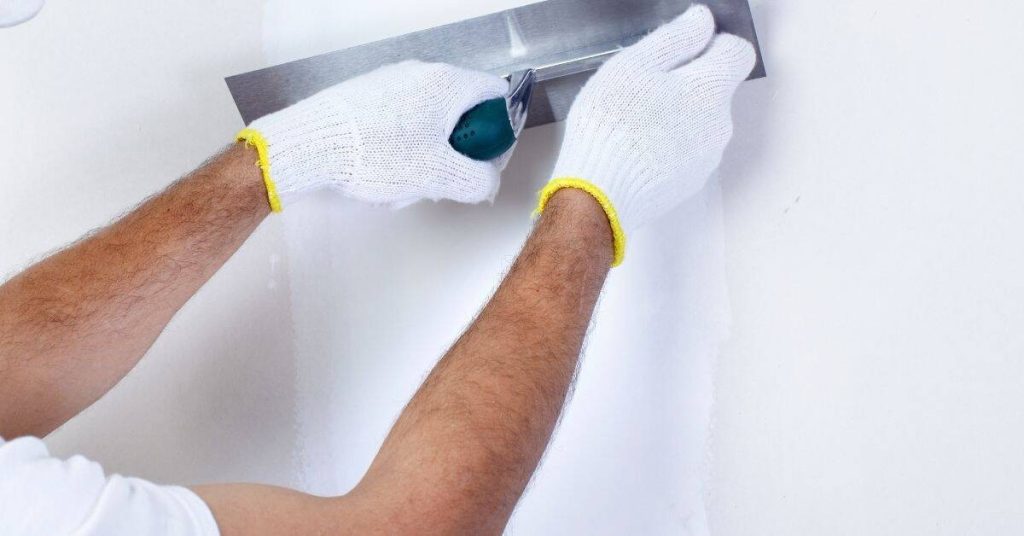
Hand smoothing plaster on white wall with trowel

Repair Mortar That Debonds: Surface Prep Mistakes and How to Reattach Correctly

Introduction Repairing mortar that debonds means reattaching loose mortar to the wall or joint using proper prep and bonding steps. Start by cleaning away loose bits and finding solid edges so the new mix has something solid to grab. Check the product label or manufacturer instructions for bond requirements and suitable mixes, and follow local

Repair Mortar That Debonds: Surface Prep Mistakes and How to Reattach Correctly Read More »

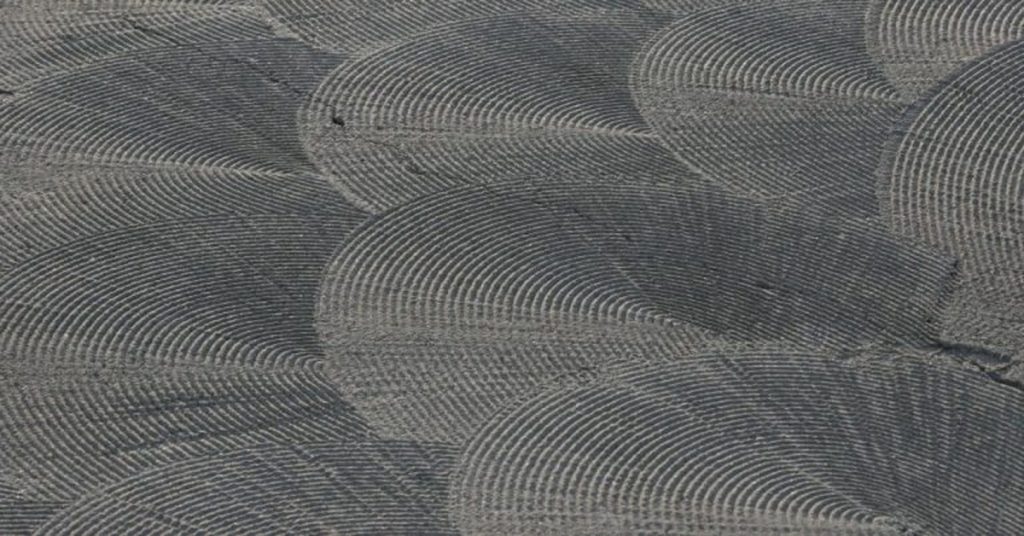
concrete surface with circular textured pattern

Adding Texture to Slick Concrete: Mechanical vs Chemical Methods and What Holds Up

Introduction Texturing slick concrete means creating a non-slip, patterned surface using either mechanical tools or chemical treatments. Mechanical methods bite into the surface with grinder discs, scarifiers, or brushes, while chemical methods react the surface to leave a grip pattern. Both approaches require clean, dry conditions and a plan for the look you want, plus

Adding Texture to Slick Concrete: Mechanical vs Chemical Methods and What Holds Up Read More »

Concrete floor grinding machine smoothing surface near wall

Fixing Trip Hazards by Grinding: How Much You Can Remove Before You Create New Problems

Introduction Grinding to fix trip hazards is removing small amounts of material from high spots so the surface becomes even. Do not remove more than necessary, since over-grinding can create new problems. Check the material, tool, and surface before you start, and follow manufacturer instructions and local rules. Do small passes and check your progress

Fixing Trip Hazards by Grinding: How Much You Can Remove Before You Create New Problems Read More »