Search Results for: HEPA vac

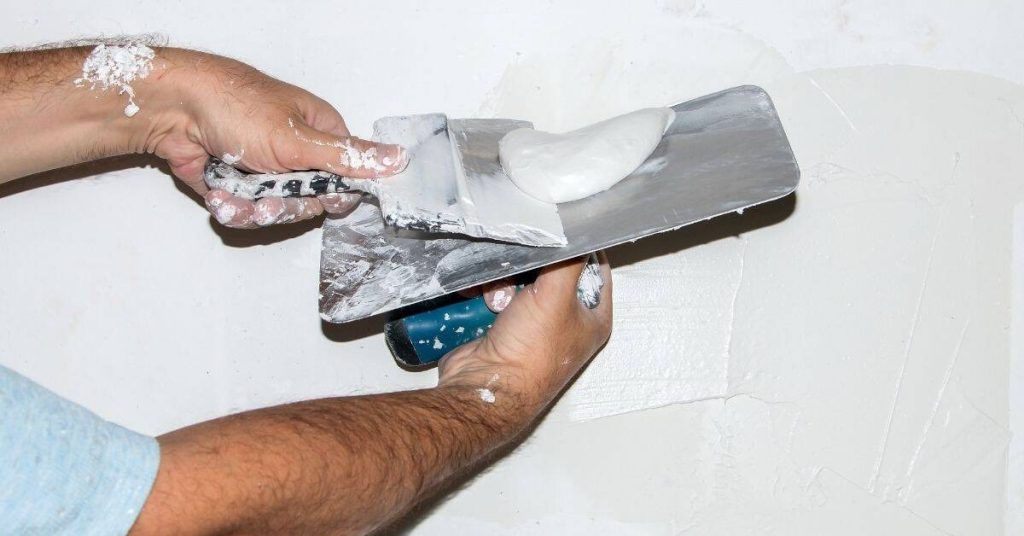
Hands applying plaster on white wall with trowel and hawk

Plaster over painted surfaces: adhesion tests and when to scuff vs strip

Introduction Adhesion of plaster to painted surfaces depends on paint type and surface condition, and you should test adhesion before proceeding. A simple adhesion check lets you decide whether you can plaster over the paint as is, need to scuff the surface, or must strip the paint first. If the surface shows good grip after […]

Plaster over painted surfaces: adhesion tests and when to scuff vs strip Read More »

Hand holding trowel and hawk with plaster compound

Planning a plaster skim job: sample walls, staging rooms, and avoiding scope creep

Introduction Planning a plaster skim job is outlining which walls to skim, choosing sample walls to test finishes, and setting up staging areas to keep the work organized. It helps prevent scope creep by defining what work is in scope and what isn’t. Start by walking the space and noting surface condition, then map a

Planning a plaster skim job: sample walls, staging rooms, and avoiding scope creep Read More »

Empty indoor parking garage with smooth concrete floor and white lines

Dusty Concrete Garage Slabs: When Sweeping and Densifiers Help and When Resurfacing Is the Only Fix

Introduction Dusty concrete garage slabs are surfaces that shed loose concrete dust and fine particles, creating a chalky layer on the floor. Sweeping and densifying can help restore stability, while resurfacing may be needed for heavy or persistent dust. Use sweeping and densifying for light dust and in slabs that show wear but still have

Dusty Concrete Garage Slabs: When Sweeping and Densifiers Help and When Resurfacing Is the Only Fix Read More »

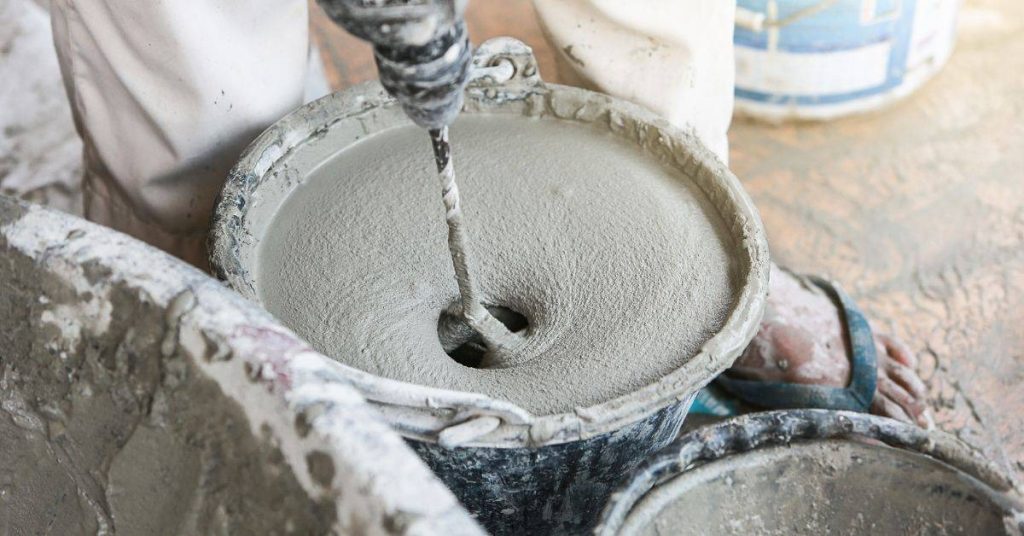
electric drill mixing cement in a bucket on dusty floor

Small-batch mixing: keeping ratios honest with buckets and a cheap scale

  Introduction Small-batch mixing means measuring everything in tiny, consistent portions so ratios stay true when you mix in buckets with a cheap scale. Keep it simple: use one bucket per component, tare the scale, and double-check labels before you start. Plan a batch size you can manage, and write down your target ratios in

Small-batch mixing: keeping ratios honest with buckets and a cheap scale Read More »

Closeup of wooden decking planks with natural grain patterns

Breathable Concrete Coatings: When Vapor Permeability Beats “Tougher” Paint

Introduction Breathable concrete coatings allow water vapor to pass through the film while still protecting the surface. For DIY folks, that means you get a protective layer without sealing in moisture or trapping dampness. Check the product label and manufacturer instructions for exact permeability guidance and proper preparation steps. Compared to traditional paints, these coatings

Breathable Concrete Coatings: When Vapor Permeability Beats “Tougher” Paint Read More »

Rough grey concrete wall with varied texture

Strip vs Grind a Failed Sealer: Choosing the Safer Method for Your Concrete Texture

Introduction Stripping removes the sealer with chemicals or rollers, while grinding buffs away the old coating with a machine to reveal a new surface. The safer choice usually depends on the sealer type and how badly the texture is damaged. For most DIYers, start with a careful test area and a gentler approach to evaluate

Strip vs Grind a Failed Sealer: Choosing the Safer Method for Your Concrete Texture Read More »

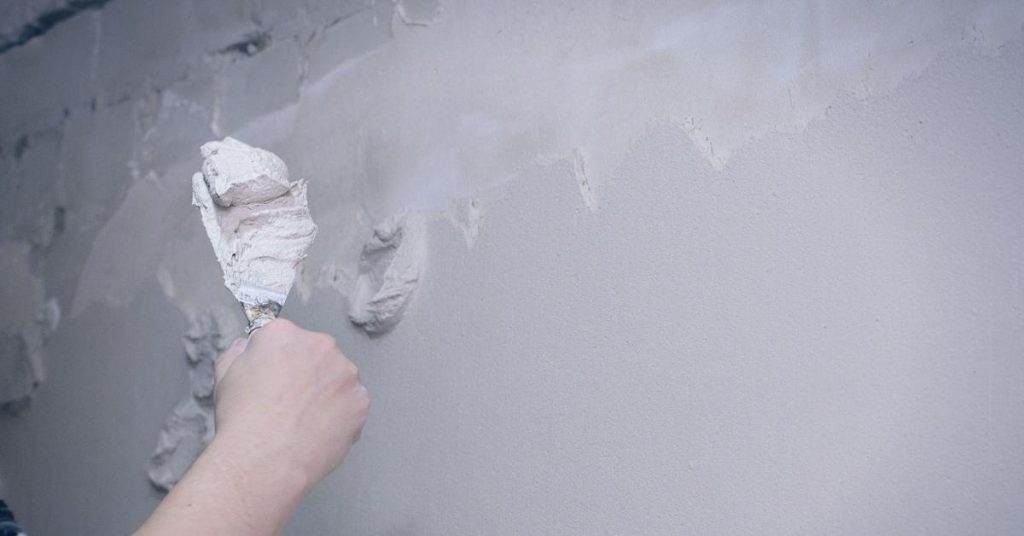
Hand applying plaster to damaged wall with trowel

Repairing Plaster Keys From the Back Side: When Access Exists and How to Lock It In

Introduction Repairing plaster keys from the back side means fixing the hidden anchors behind the plaster when you can reach them. You work from the cavity side, not the face, and you aim to reattach loose plaster to the lath or keys. This approach relies on solid access and careful placement to lock the repair

Repairing Plaster Keys From the Back Side: When Access Exists and How to Lock It In Read More »

Concrete floor grinder machine working on concrete surface

Concrete Grinding Grit Guide: What 16, 30, 60, 120 Actually Do to a Surface

Introduction Grinding concrete with grit sizes is how you condition the surface by progressively removing roughness and shallow imperfections. In practice, coarser grits like 16 and 30 remove material quickly, while finer grits such as 60 and 120 smooth and refine the finish. Start with a surface assessment and plan the steps based on your

Concrete Grinding Grit Guide: What 16, 30, 60, 120 Actually Do to a Surface Read More »

Freshly poured concrete slab indoors under natural light

Choosing a Diamond Blade: Segmented vs Turbo vs Continuous for Concrete and Masonry

Introduction A diamond blade is a cutting wheel that uses industrial diamonds to slice through concrete, masonry, and similar materials. The common styles are segmented, turbo, and continuous. Each type has its own trade-offs, so the right pick depends on your material and cut. Cutting with these blades can be done wet or dry, but

Choosing a Diamond Blade: Segmented vs Turbo vs Continuous for Concrete and Masonry Read More »

Person holding paint roller wearing gloves and blue overalls

Why New Paint Smells for Weeks: VOC Reality, Cure Conditions, and How to Vent Safely

Introduction VOC stands for volatile organic compounds, and new paint can release these compounds that cause odors lasting days or weeks. The duration depends on the product and conditions, and the smell comes from solvents and other components off-gassing. Ventilation, temperature, and how well the space is sealed influence how long it lingers—check the product

Why New Paint Smells for Weeks: VOC Reality, Cure Conditions, and How to Vent Safely Read More »