Search Results for: Finish

Stamped concrete patio surface with a textured pattern

Form Oil and Release Agents for Concrete: the Types That Stain and How to Avoid Fish-Eyes

Introduction Form oils and release agents are substances applied to molds to prevent sticking and ease demolding in concrete. They come in different types, including petroleum-based form oils and water-emulsion or semi-synthetic releases. The choice affects how the surface looks, so always check the product label and follow manufacturer instructions. To avoid fish-eye and staining, […]

Form Oil and Release Agents for Concrete: the Types That Stain and How to Avoid Fish-Eyes Read More »

Closeup of stacked concrete deck blocks

De-Icing Salts on Concrete: Which Products Attack Surfaces and Safer Winter Habits

Introduction De-icing salts on concrete are chemical products used to melt snow and ice, but they can damage the surface if misused. They work by lowering the freezing point of water, but some products can attack the concrete finish or initiate surface wear. Before applying, read the label and follow manufacturer instructions to choose a

De-Icing Salts on Concrete: Which Products Attack Surfaces and Safer Winter Habits Read More »

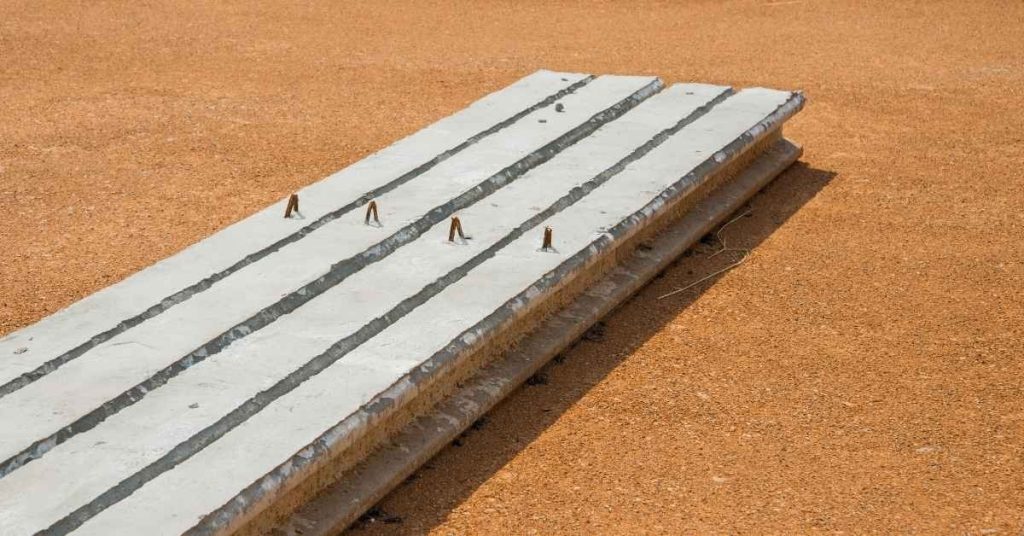
Concrete precast panel with exposed rebar on sandy ground

Penetrating Sealers Vs Film Sealers on Concrete: Picking One That Won’t Peel Outdoors

Introduction Penetrating sealers soak into the concrete and block moisture from within. Film sealers stay on the surface and create a protective film. Both aim to slow water and stain absorption, but they behave differently outdoors. Choose penetrating sealers for natural look and breathability on outdoor slabs. Film sealers can enhance color and provide a

Penetrating Sealers Vs Film Sealers on Concrete: Picking One That Won’t Peel Outdoors Read More »

Stacked precast concrete slabs outdoors under clear sky

White Haze on Concrete Slabs: Distinguishing Efflorescence from Sealer Blush

Introduction White haze on concrete slabs is a pale surface film caused by moisture interacting with the concrete. It can be efflorescence or sealer blush, and the two look similar but have different causes and remedies. Efflorescence is a mineral salt deposit driven by moisture migrating through the slab, while sealer blush is a surface

White Haze on Concrete Slabs: Distinguishing Efflorescence from Sealer Blush Read More »

Close-up of concrete slabs with surface bug holes and rough texture

Windy-day crusting on concrete slabs: evaporation reducers and how to avoid surface tears

Introduction Windy conditions can cause rapid evaporation from a freshly poured concrete slab, leading to crusting and surface tears. This crust forms as the outer layer dries faster than the interior, creating a thin, brittle skin. Understanding how wind drives that evaporation helps you plan a safer, smoother finish. Use evaporation reducers and proper curing

Windy-day crusting on concrete slabs: evaporation reducers and how to avoid surface tears Read More »

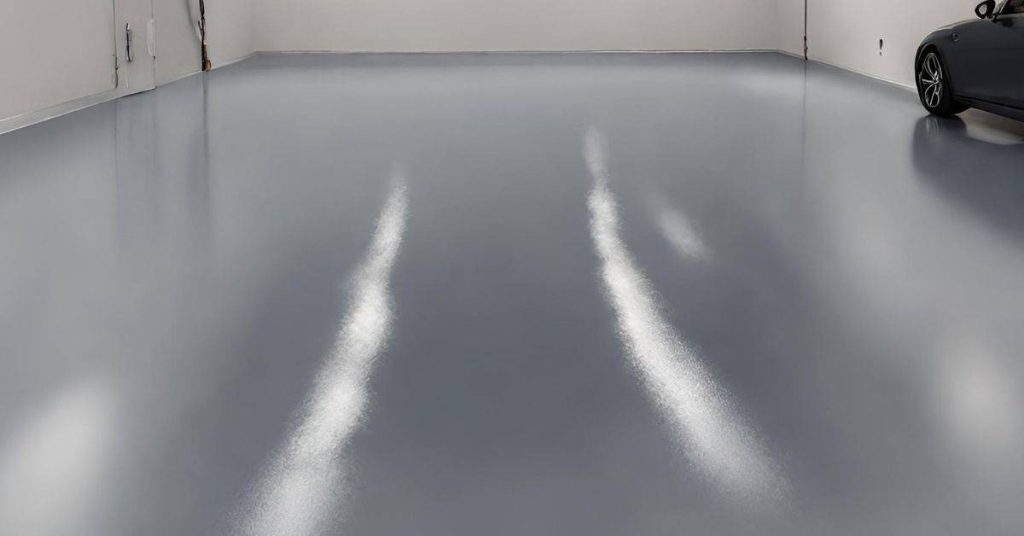
Smooth grey epoxy-coated concrete floor in garage

Anchor bolts in concrete that landed wrong: drill-and-epoxy fixes and layout prevention

Introduction Anchor bolts misinstalled in concrete can be repaired with drill-and-epoxy fixes and better planning for layout. The goal is to restore hold and align the bolts without overcomplicating the job. This approach keeps the work practical and repeatable in real-world settings. Start by cleaning the holes and surrounding concrete to remove dust and debris.

Anchor bolts in concrete that landed wrong: drill-and-epoxy fixes and layout prevention Read More »

rough textured grey concrete wall surface with marks

Concrete post base pockets and voids: where they come from and how to patch invisibly

Introduction Concrete post base pockets and voids are hollow spaces that form around a post base when concrete doesn’t fill evenly. They can occur from improper forms, settling, or air pockets during pouring. These gaps can weaken the attachment if not addressed. To patch invisibly, clean the area, mix a compatible repair mortar, and fill

Concrete post base pockets and voids: where they come from and how to patch invisibly Read More »

Worker pouring concrete over steel rebar grid

Fiber Vs Mesh Vs Rebar in Small Concrete Projects: What Each Actually Controls and Where It’s Wasted Money

Introduction Fiber, mesh, and rebar are concrete reinforcement options that control cracking, strength, and durability in small projects. Fibers add distributed micro-reinforcement, mesh provides a lattice to hold concrete, and rebar gives local strength where loads are concentrated. Each choice affects how a small concrete job holds up over time and is worth weighing against

Fiber Vs Mesh Vs Rebar in Small Concrete Projects: What Each Actually Controls and Where It’s Wasted Money Read More »

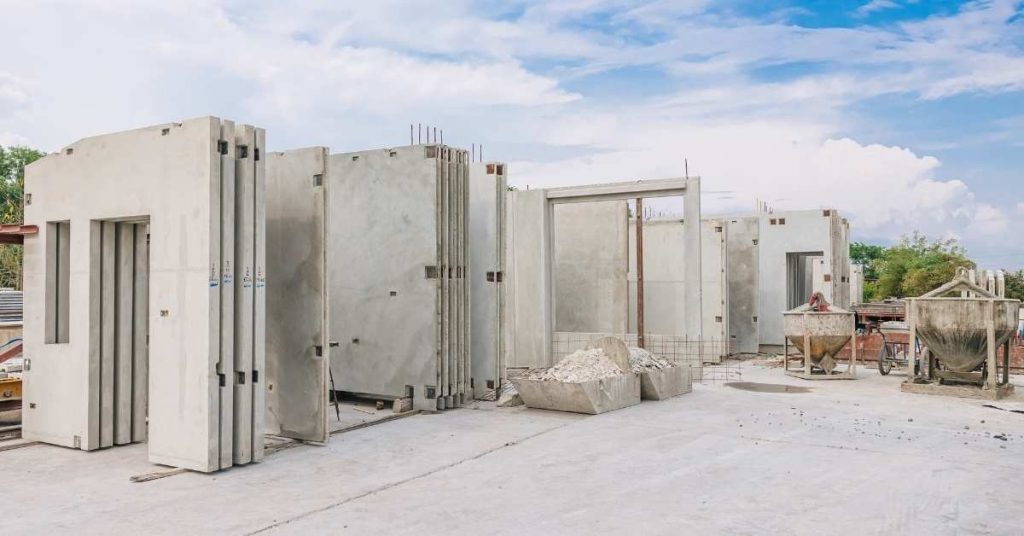
Precast concrete wall panels stored outdoors under cloudy sky

Control Joint Layout for Concrete Patios: Spacing Rules and How to Avoid Awkward Short Panels

Introduction Control joints are planned breaks in concrete that guide where cracks will form and help keep a patio looking even. They act as intentional weak points so or cracks can be controlled rather than appearing unpredictably. When laying out joints, aim for a regular pattern that avoids creating very short panels. In practice, spacing

Control Joint Layout for Concrete Patios: Spacing Rules and How to Avoid Awkward Short Panels Read More »

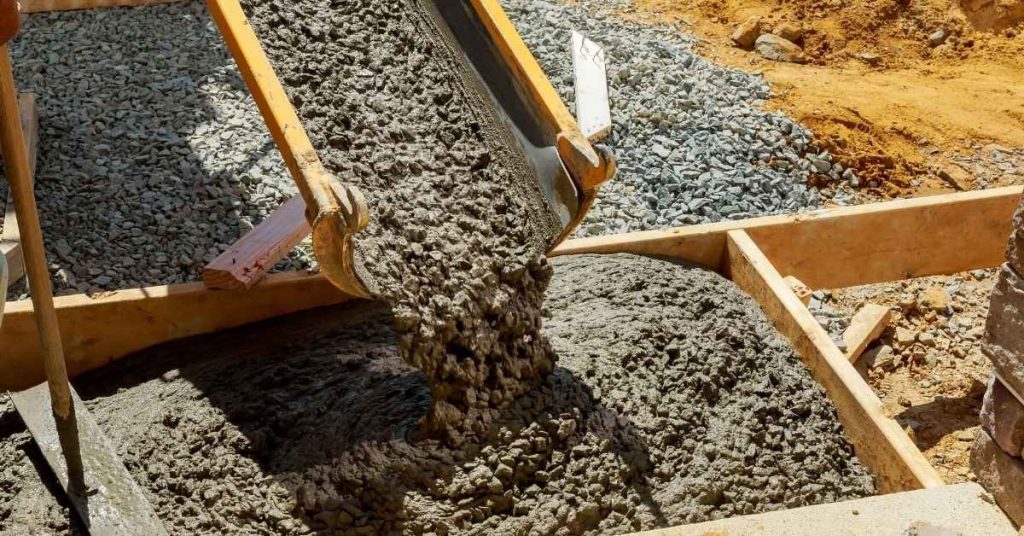
Wet concrete pouring into wooden forms outdoors

Magnesium Vs Wood Floats for Concrete: What They Do to Paste and When They Matter

Introduction Magnesium and wood floats are hand tools used to smooth and finish fresh concrete. Magnesium floats are a light metal option that can flatten high spots quickly, while wood floats provide a softer, more forgiving surface. These tools affect the paste by pulling fine aggregate to the surface and shaping the moisture as it

Magnesium Vs Wood Floats for Concrete: What They Do to Paste and When They Matter Read More »