Search Results for: 120 mortar

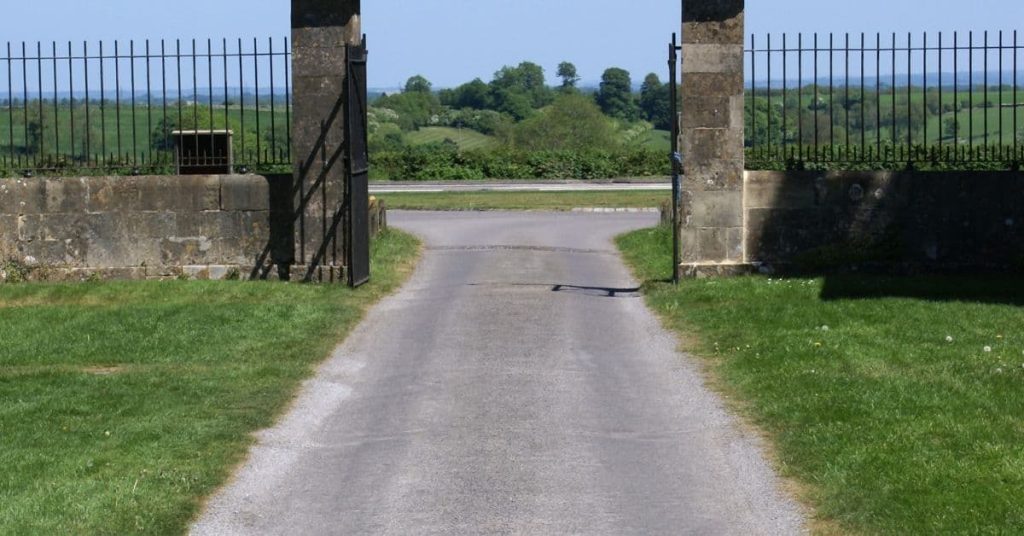
Stone-look concrete gate pillars with metal fence panels

Stone-Look Concrete Finishes: Rub Techniques, High Spots, and Sealer Choices

Introduction Stone-Look Concrete Finishes are achieved by rubbing and refining a concrete surface to resemble natural stone. On the job, you’ll use hand tools and trowels to work the surface while it’s still workable, then wipe, rub, and burnish to blend colors. Check product labels and manufacturer instructions for cure times and safety before starting. […]

Stone-Look Concrete Finishes: Rub Techniques, High Spots, and Sealer Choices Read More »

Smooth light gray concrete wall surface

Surface-Bonding Cement on Dry-Stack Concrete Block: When It’s Allowed and How to Reinforce

Introduction Surface-bonding cement on dry-stack concrete block is a thin adhesive layer applied to the face of stacked blocks to improve bond and stability when allowed. It’s a practical option you can use to reinforce and tidy up a wall that’s already in place. Check your local rules and manufacturer instructions to know if this

Surface-Bonding Cement on Dry-Stack Concrete Block: When It’s Allowed and How to Reinforce Read More »

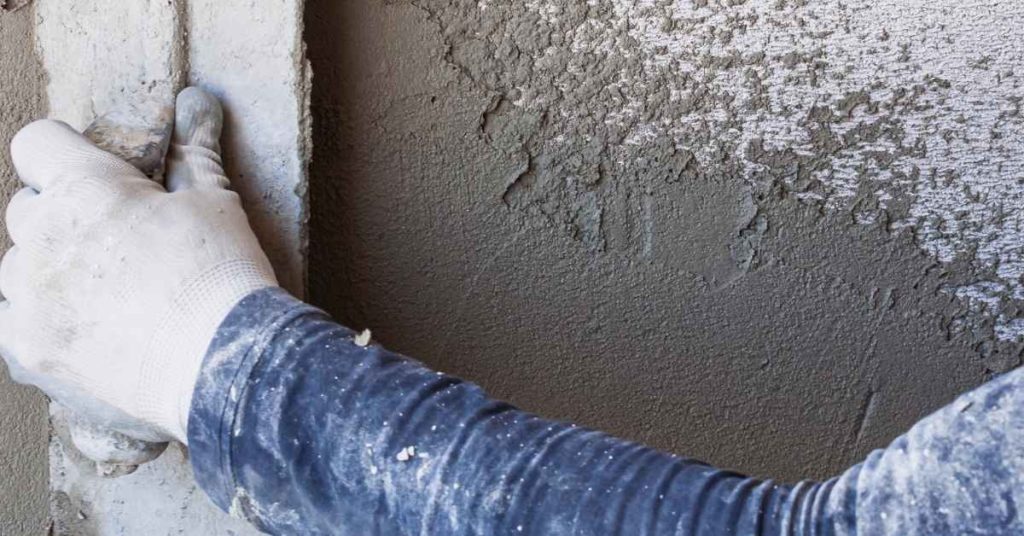
Worker smoothing plaster on a wall with a trowel

Microcement Over Old Plaster: Bond Layers, Movement Risk, and Sealer Selection

Introduction Microcement over old plaster means applying a thin cement-based coating on top of a plaster substrate with careful surface prep. Start by cleaning the surface and repairing obvious flaws to give the new layer something to grip. Roughen or abrade slightly and use an appropriate bonding primer to improve adhesion. Movement risk comes from

Microcement Over Old Plaster: Bond Layers, Movement Risk, and Sealer Selection Read More »

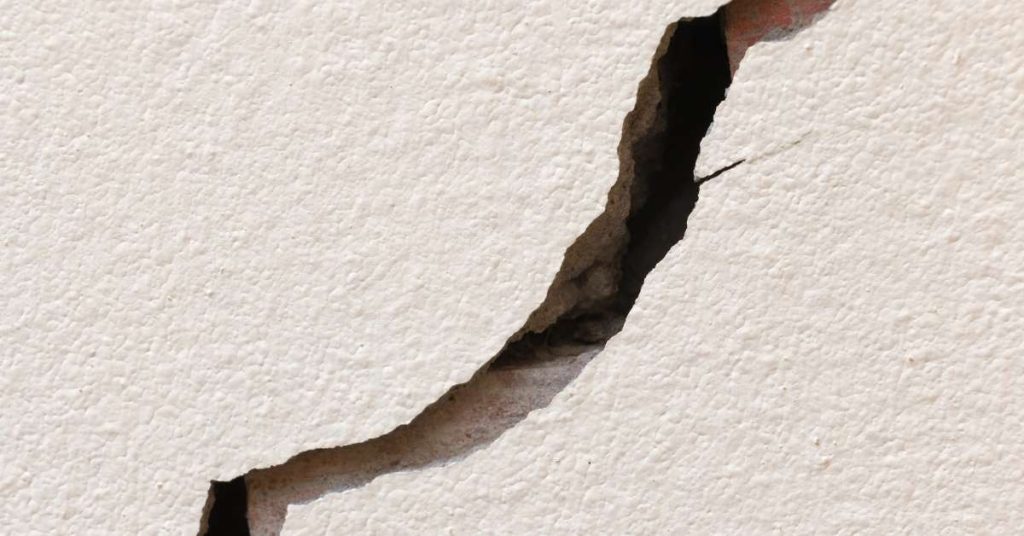
Closeup of deep irregular crack in textured stucco wall

Crack Repairs in Stucco Without Trapping Water: Drainage Plane Reality Check

Introduction Drainage planes are designed to move water out from behind stucco so you don’t trap it against the wall. When cracking repairs are done, you need to preserve that path for moisture to escape while sealing the crack. Check your current system and follow manufacturer guidance for any patch materials and installation steps. If

Crack Repairs in Stucco Without Trapping Water: Drainage Plane Reality Check Read More »

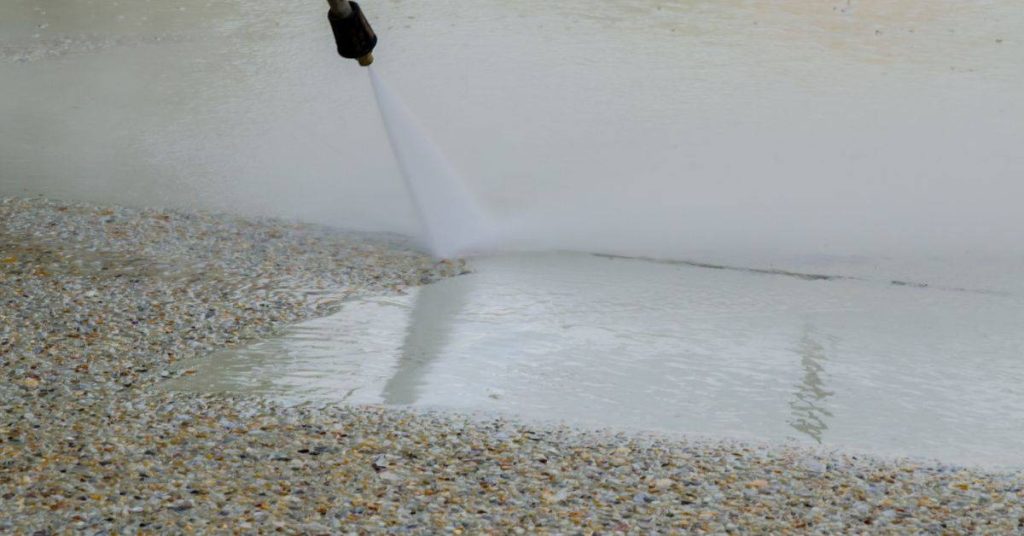
Pressure washing exposed aggregate concrete surface

Exposed Aggregate Repair Patches: Blending Stone Size and Washing Timing to Match

Introduction Exposed aggregate repair patches involve matching the look of the existing surface by using stone-size blends and controlled washing timing. This article gives a practical, hands-on view for DIYers on how to prep, bond, and patch exposed aggregate without a full resurfacer. We’ll cover how to choose the right aggregate size, how to wash

Exposed Aggregate Repair Patches: Blending Stone Size and Washing Timing to Match Read More »

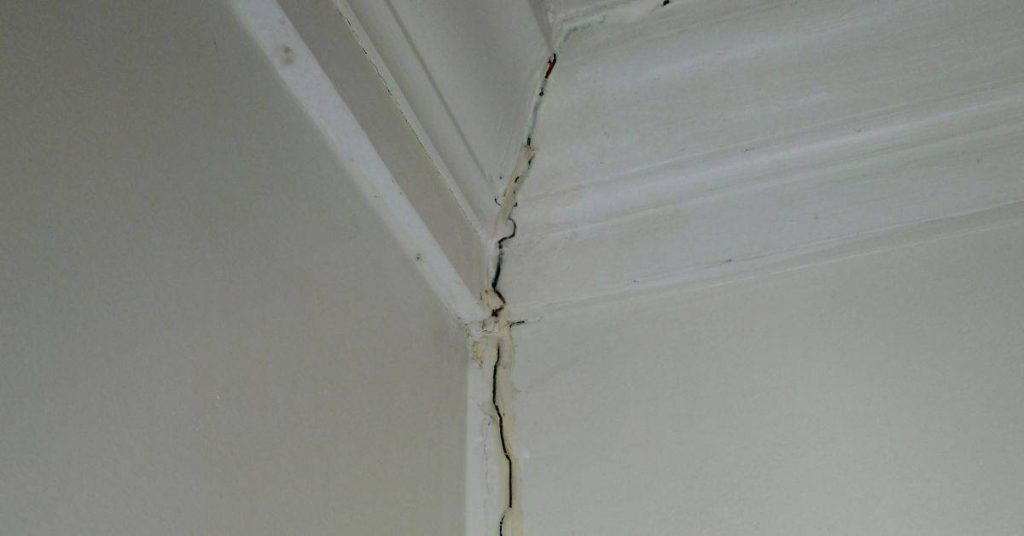
Hairline crack in plaster wall corner near ceiling trim

Hairline Crack Repairs That Don’t Show: Routing vs Injection vs Surface Fill

Introduction Hairline crack repairs that don’t show are methods that seal the crack and restore a smooth, uniform surface without visible seams. Routing, injection, and surface fill are common DIY options you can choose based on access and how the crack behaved. The goal is to blend the repair so it’s hard to notice after

Hairline Crack Repairs That Don’t Show: Routing vs Injection vs Surface Fill Read More »

Hand holding trowel with wet concrete inside container

Feather-Edge Patch Failures: Minimum Thickness Rules and Better Edge Details

Introduction Feather-edge patch failures occur when the thin edge of a patch is not thick or stable enough to grip the surrounding concrete. In plain terms, the edge can erode or chip and the patch pulls away. Make sure you follow the material’s directions and local rules for edge prep. To avoid failures, clean and

Feather-Edge Patch Failures: Minimum Thickness Rules and Better Edge Details Read More »

Wooden concrete forms filled with fresh concrete at construction site

Installing Sleeve Anchors: Edge Distance Rules and Avoiding Blowout

Introduction Edge distance for sleeve anchors is the minimum distance from the edge of the material to where the anchor is installed. This distance helps prevent cracks, splits, and blowout during loading. Understand that following the edge rule is essential for holding power and long life of the anchor. Look up the recommended edge distance

Installing Sleeve Anchors: Edge Distance Rules and Avoiding Blowout Read More »

Hand painting metal frame with orange paint roller

Sealing Cracks Before Painting Concrete: Fillers That Don’t Telegraph Through Topcoats

Introduction Sealing cracks before painting concrete means filling and sealing gaps so the finished surface looks uniform and the cracks don’t telegraph through the topcoat. It’s a practical, hands-on step you can tackle with basic fillers and simple tools. Always check the product label for curing time and application temperature before you start. Choose a

Sealing Cracks Before Painting Concrete: Fillers That Don’t Telegraph Through Topcoats Read More »