Search Results for: 10 INCH ROUND CONCRETE

close-up of weathered pink stucco wall with some peeling

Fog Coating Stucco Explained: When a Thin Coat Beats a Full Repaint

Introduction Fog coating stucco is a very thin skim of paint-like material applied over existing stucco to even out color and hide minor texture issues without stripping and redoing the whole surface. Think of it as a light cosmetic refresh rather than a full repaint or re-stucco, useful when the substrate is sound but tired-looking. […]

Fog Coating Stucco Explained: When a Thin Coat Beats a Full Repaint Read More »

Worker installing drywall ceiling panel with cordless drill

Ceiling Drywall Without a Lift: Panel Control Tricks, Temporary Bracing, and Safer Cutting Sequences

Introduction Ceiling drywall without a lift means using hand techniques, temporary bracing, and smart cutting sequences to hold and fasten panels safely when you don’t have mechanical help. This is about controlling the panel, supporting it temporarily, and cutting in the right order so you don’t fight sag or drop a sheet. Think like a

Ceiling Drywall Without a Lift: Panel Control Tricks, Temporary Bracing, and Safer Cutting Sequences Read More »

Room with unfinished drywall and ceiling drywall taped and mudded

Drywall Thickness for Ceilings vs Walls: Preventing Sag, Improving Sound, and Meeting Fire Requirements

Introduction Drywall thickness for ceilings versus walls is the choice of panel weight and rigidity you use to prevent sag on ceilings, control sound between rooms, and meet fire-resistance needs. In plain terms: ceilings often need stiffer or heavier board than walls to avoid sag, but exact thickness and fire ratings depend on the product

Drywall Thickness for Ceilings vs Walls: Preventing Sag, Improving Sound, and Meeting Fire Requirements Read More »

Close-up of white subway tiles with visible grout lines

Do Subway Tiles Need Spacers? Layout Rules, Exceptions, and Best Practices

Introduction Subway tiles benefit from spacers to keep joints even and straight as you set rows. The idea is to create uniform grout lines while you work, and to understand that layout options come from pattern choices like running bond or stacked tile. Always check the tile manufacturer instructions and local rules for any specific

Do Subway Tiles Need Spacers? Layout Rules, Exceptions, and Best Practices Read More »

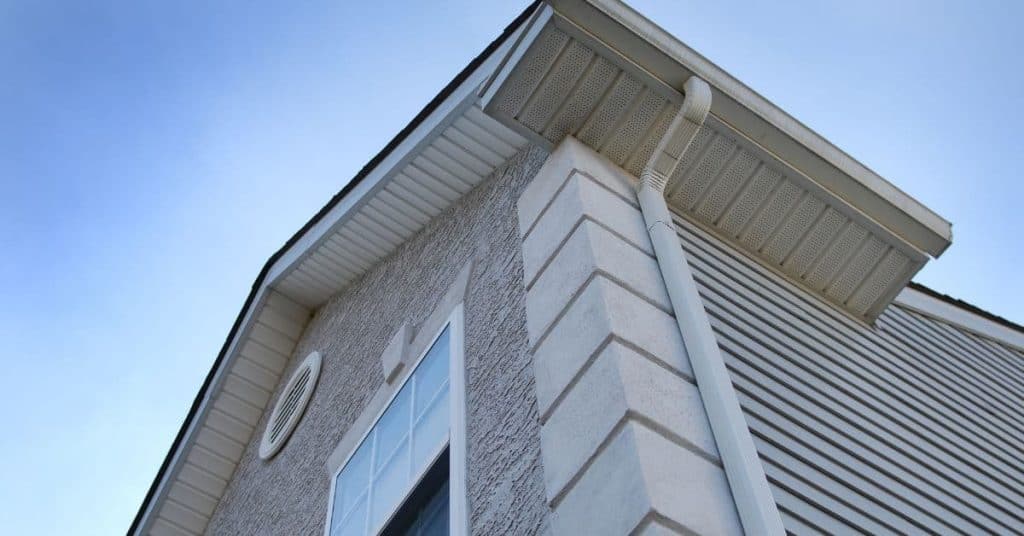
Close-up of house corner showing fascia drip edge gutter downspout

Fascia and Drip Edge: Common Failures, How to Diagnose, and Repairs That Last

Introduction Drip edge is the metal or flashing that directs roof runoff into the gutter and protects the fascia. Fascia is the board along the roof edge that the gutter hangs from. Common failures include loose or bent drip edge, corroded metal, gaps at corners, and damaged fascia that lets water behind the gutter. To

Fascia and Drip Edge: Common Failures, How to Diagnose, and Repairs That Last Read More »

Person installing asphalt shingles on sloped roof with nail gun

Can You Shingle a Flat Roof? DIY Reality Check, Steps, and Stop Rules

Introduction Yes, you can shingle a flat roof, but it requires different techniques and precautions. You’ll want to understand how flat roofs differ from pitched ones, especially around slope, drainage, and edge details. This piece gives a practical, hands-on look at what to check before you start and how to approach the work safely. Before

Can You Shingle a Flat Roof? DIY Reality Check, Steps, and Stop Rules Read More »

White painted wooden shiplap wall with horizontal boards

Flashing on Painted Walls: How to Stop Patchy Sheen From Showing Through

Introduction Flashing on painted walls is the thin barrier that keeps water from seeping behind paint. When it fails, patchy sheen can show through and ruin a smooth finish. Check the paint and flashing product labels for compatibility, and follow manufacturer instructions or local rules if you’re unsure. To prep, clean the wall and repair

Flashing on Painted Walls: How to Stop Patchy Sheen From Showing Through Read More »

Worker painting exterior wall with yellow paint using long roller

Fading Exterior Paint: Sun Exposure Checks and Better Recoat Timing

Introduction Fading exterior paint is what happens when sun exposure breaks down color and finish over time, caused by UV bleaching, heat, and weather cycling. You’ll notice it as color loss, chalky surfaces, or a dull sheen that won’t rebound with cleaning. Check by looking for noticeable color changes and a chalky or powdery feel

Fading Exterior Paint: Sun Exposure Checks and Better Recoat Timing Read More »

Hand holding paint spray gun releasing white spray mist

Dry Spray on Walls: Fixing Rough Overspray and Preventing It Next Time

Introduction Dry spray on walls is a rough, sandy coating left when spray material dries unevenly. It’s usually caused by improper spray technique or poor surface prep. Fixing it starts with cleaning, sanding, and blending so the surface is ready for another coat. To prevent dry spray next time, adjust the spray setup and ensure

Dry Spray on Walls: Fixing Rough Overspray and Preventing It Next Time Read More »