Search Results for: 10 INCH ROUND CONCRETE

Gloved hands connect electrical wires to a wall switch box.

Cutting Drywall for Electrical Boxes: Fast Templates, Router Settings, and How to Fix Overcuts Cleanly

Introduction Cutting drywall for electrical boxes means marking the box outline, cutting a neat opening, and adjusting if you nick too much so the box stays secure and the finish looks right. Think like a tradesperson: use a reliable method for layout, steady cutting tools, and check the box and device for fit before you […]
Cutting Drywall for Electrical Boxes: Fast Templates, Router Settings, and How to Fix Overcuts Cleanly Read More »

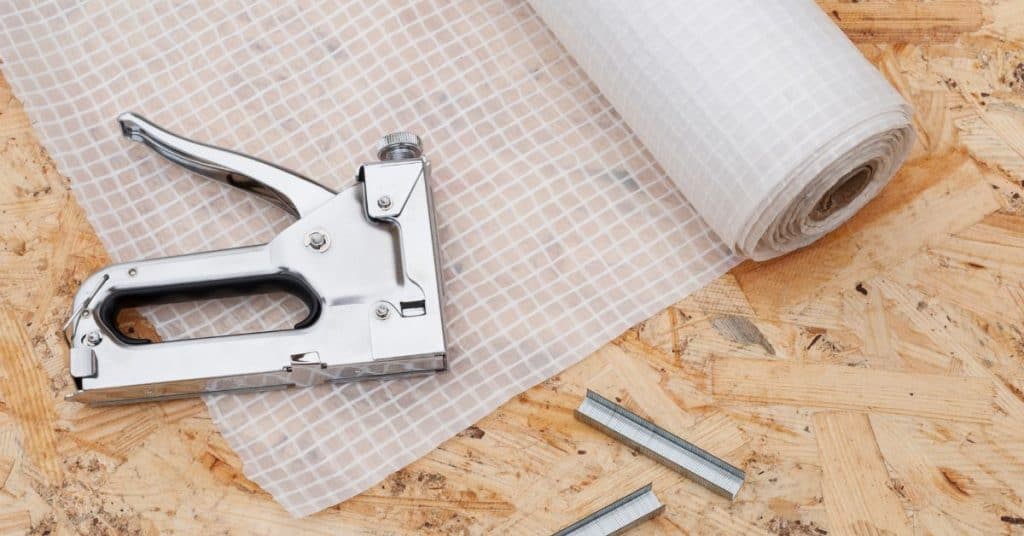
Staple gun beside roll of vapor barrier on plywood.

Vapor Barrier Under Slabs: How to Patch Tears, Seal Penetrations, and Avoid Moisture Bypass

Introduction A vapor barrier under a slab is a continuous sheet of material placed on the ground to stop water vapor from rising into the concrete; it needs to be intact, sealed at overlaps and penetrations, and taped or repaired when torn. Think practical: choose the right class of material for your project and check

Vapor Barrier Under Slabs: How to Patch Tears, Seal Penetrations, and Avoid Moisture Bypass Read More »

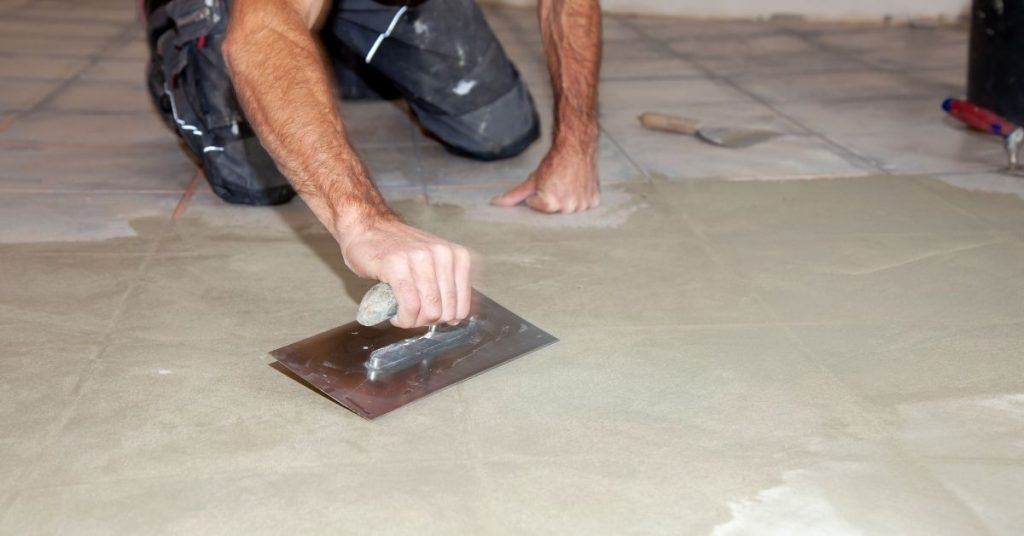
Trowel spreads leveling compound over floor during bathroom prep

Self-Leveling Compound Prep on “Problem Subfloors”: Primers, Seams, and Edge Dams That Stop Leaks

Introduction Self-leveling compound prep on problem subfloors means getting a board-backed surface ready so the liquid compound spreads and cures without running into gaps or flaking off. Think practical steps: pick a primer the compound maker recommends, seal seams and penetrations so water and dust won’t break the bond, and build temporary edge dams where

Self-Leveling Compound Prep on “Problem Subfloors”: Primers, Seams, and Edge Dams That Stop Leaks Read More »

Smooth light blue painted stucco wall surface

Stucco Blisters Under Finish Coat: Causes, Cutback Rules, and Rebuild Steps

Introduction Stucco blisters under the finish coat are pockets of trapped moisture or air beneath the surface layer that lift the finish and can lead to cracking or detachment. In plain jobsite terms, they usually mean water got into the wall system, the assembly dried poorly, or the underlying base or lath bond failed. I’ll

Stucco Blisters Under Finish Coat: Causes, Cutback Rules, and Rebuild Steps Read More »

Close-up view of crushed concrete aggregate stones

Exposed Aggregate Repairs: Re-Exposing Stone Without Washing Out the Patch

Introduction Exposed aggregate repairs that re-expose stone without washing out the patch means removing the surface paste down to the original aggregate so the patch blends with the surrounding concrete. It’s a hands-on process using mechanical abrasion and careful material matching rather than scrubbing with water until the new paste disappears. Check product labels and

Exposed Aggregate Repairs: Re-Exposing Stone Without Washing Out the Patch Read More »

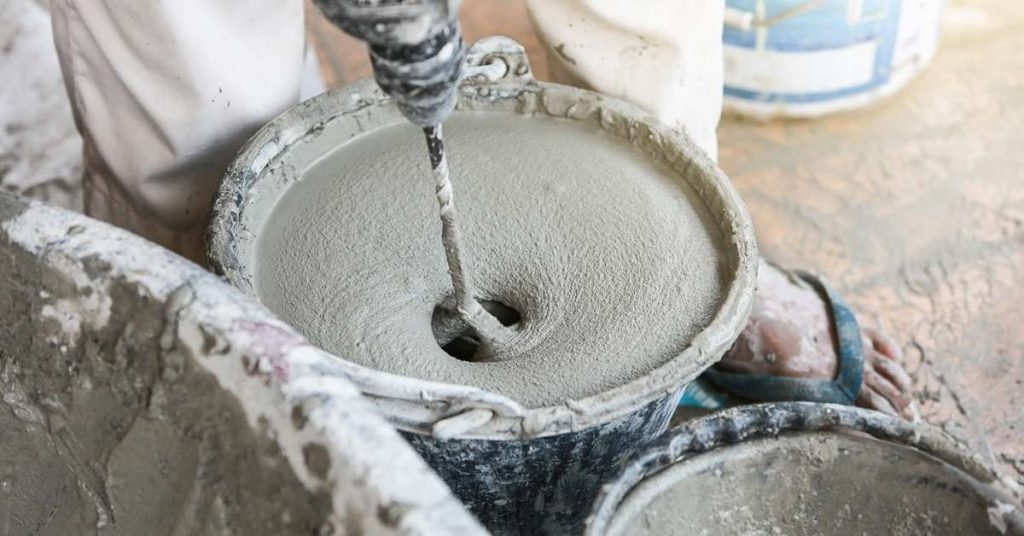
Mixing cement slurry in bucket with power drill paddle

How to Mix Small Batches Without Weak Spots: Bucket Mixing vs Mixer vs Paddle

Introduction Mixing small batches without weak spots means getting a uniform, well-worked mix every time; choose the method that matches your batch size, material, and access to tools. A bucket with a paddle is simple and cheap for very small pours, a portable mixer gives more consistent agitation for larger small batches, and a drill-mounted

How to Mix Small Batches Without Weak Spots: Bucket Mixing vs Mixer vs Paddle Read More »

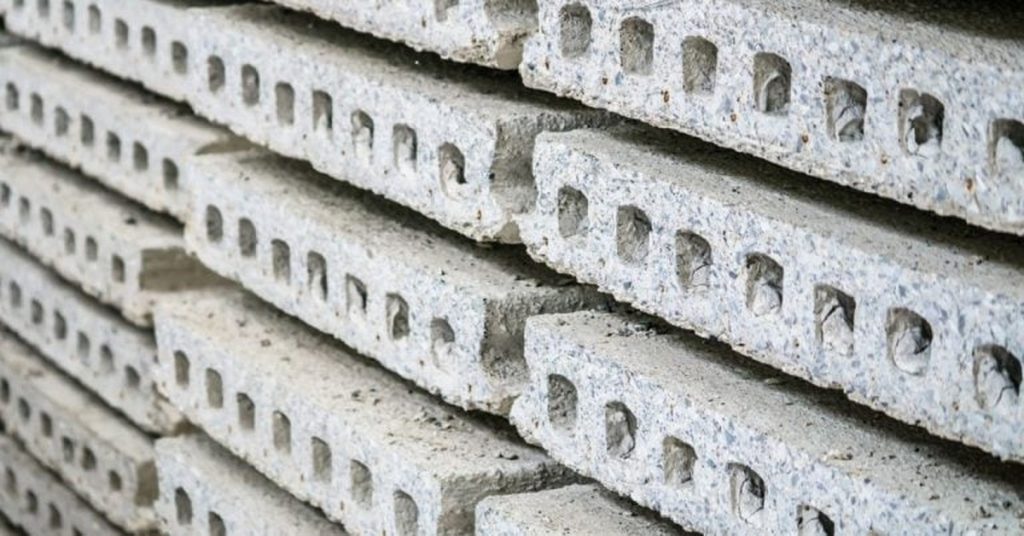
Stacked hollow core concrete slabs close up

Vapor Barriers Under Slabs: Timeline & Duration for Installation and Patching

Introduction The installation of a vapor barrier under your concrete slab is a critical step that requires careful planning. Understanding the timeline and duration of each stage can help you manage expectations, allocate resources effectively, and ensure a successful outcome. In this guide, we’ll break down the process into clear, time-specific steps, helping you estimate

Vapor Barriers Under Slabs: Timeline & Duration for Installation and Patching Read More »

Four concrete test slabs with markings on reddish ground

Isolation Joints vs Control Joints: Where Each Belongs on DIY Slabs

Introduction Isolation joints separate a slab from vertical or fixed elements, while control joints are intentional shallow cuts that encourage where a slab cracks; put simply, isolation keeps things apart and control tells concrete where to crack. These are different tools for the same problem of movement and cracking, and you choose based on what

Isolation Joints vs Control Joints: Where Each Belongs on DIY Slabs Read More »

Workers on suspended scaffold painting exterior building wall

Stucco Cure Time Before Painting: A Simple Calendar That Prevents Blistering

Introduction Stucco cure time before painting is the period you wait for the material to dry and chemically set enough to accept paint without trapping moisture. In plain jobsite terms, that means letting the stucco go from soft, damp, or lime-rich to stable and dry according to the product instructions before anyone brushes on paint.

Stucco Cure Time Before Painting: A Simple Calendar That Prevents Blistering Read More »