Search Results for: 10 INCH ROUND CONCRETE

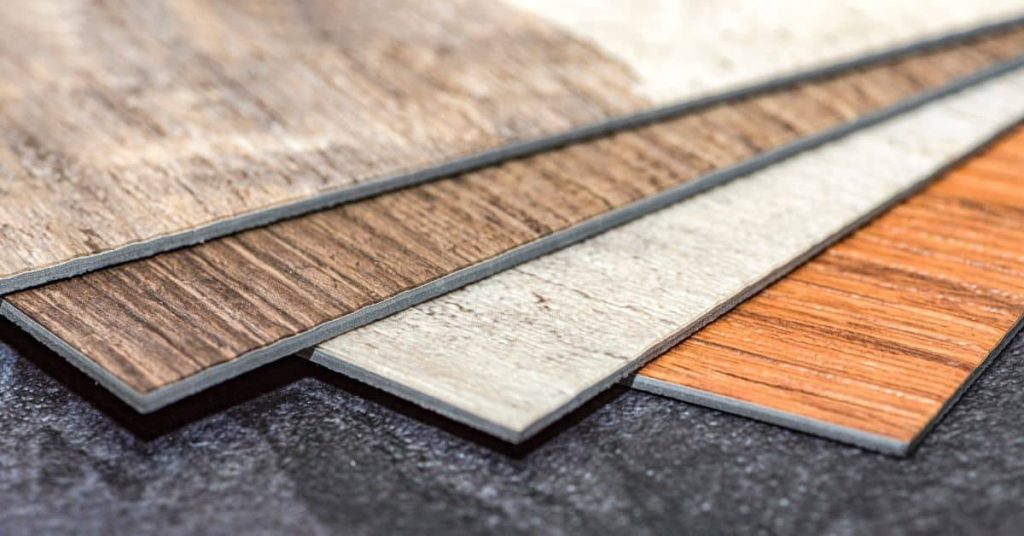
Close-up of various vinyl flooring plank samples in different wood tones

Calcium Chloride and RH Testing Explained: When DIY Tests Aren’t Enough for Flooring

Introduction Calcium chloride tests measure surface moisture and relative humidity (RH) tests measure internal moisture — use the one that fits your floor type and the manufacturer’s instructions. For DIYers, a calcium chloride kit can show if the surface is shedding moisture but it won’t tell you slab RH or moisture vapor drive, so check […]

Calcium Chloride and RH Testing Explained: When DIY Tests Aren’t Enough for Flooring Read More »

Worker in red overalls holding a toolbox in a garage

Shot Blasting Alternatives for DIY Prep: What Actually Works in a Garage

Introduction Shot blasting alternatives for DIY garage prep are practical mechanical or chemical methods you can do without industrial equipment; think grinders, diamond pads, acid etch, or degreasing depending on what the slab needs. In plain terms: grinding or diamond-sanding removes coatings and profile, chemicals etch and clean, and heavy degreasers strip oil—check product labels

Shot Blasting Alternatives for DIY Prep: What Actually Works in a Garage Read More »

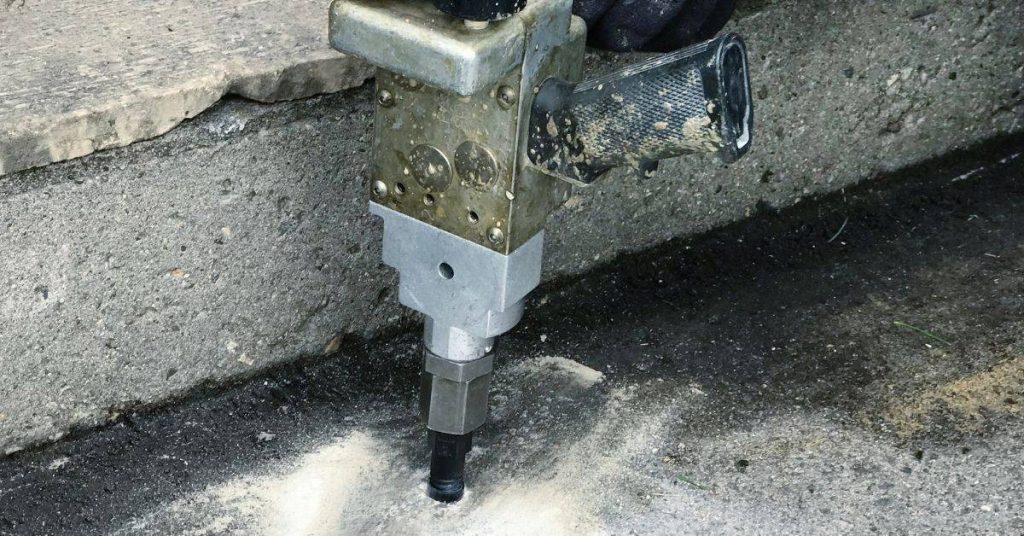
Close-up of concrete injection repair tool on cracked concrete

Epoxy Crack Injection Basics: When It’s Structural and When Flexible Sealants Are Better

Introduction Epoxy crack injection is a method that bonds and restores load-bearing concrete when a crack is clean, stable, and dry, while flexible sealants are better for cracks that move or need to keep out water without carrying structural loads. Think of epoxy like a hard glue for structural repair and polyurethane or silicone as

Epoxy Crack Injection Basics: When It’s Structural and When Flexible Sealants Are Better Read More »

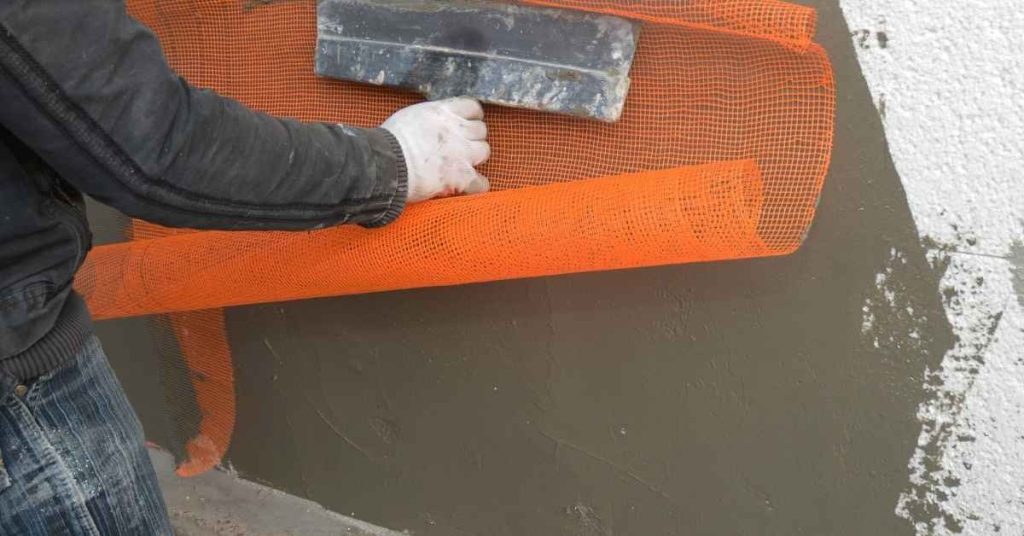
Worker applying orange mesh on wet stucco surface

Repairing Stucco at Inside Corners: Mesh Layout and Stress Relief Details

Introduction Repairing stucco at inside corners means reinforcing the corner with mesh and creating controlled stress relief so the patch bonds and moves without cracking. In practice you’ll cut and embed mesh over the corner, feather the scratch/base coats into the surrounding sound stucco, and finish with compatible topcoat material; check product labels and local

Repairing Stucco at Inside Corners: Mesh Layout and Stress Relief Details Read More »

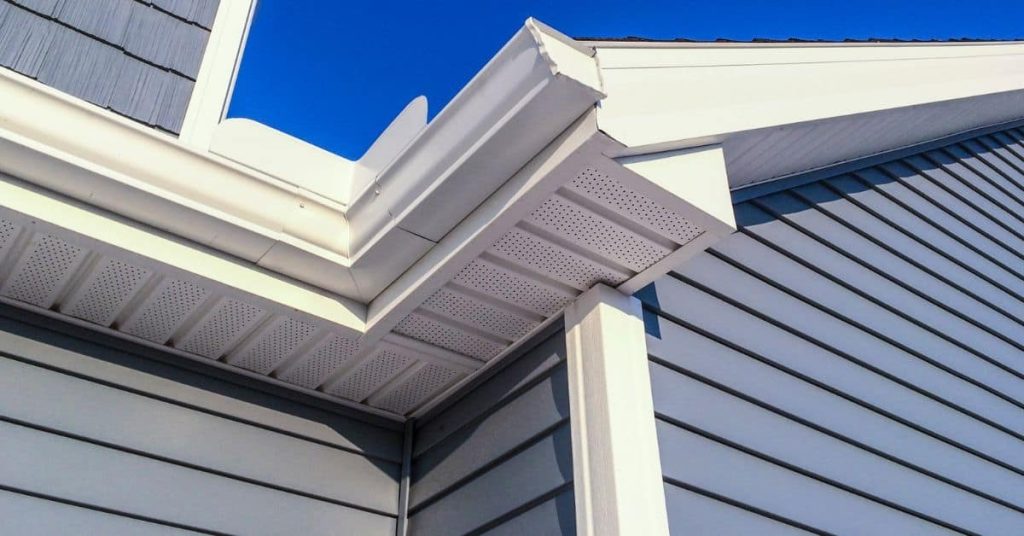
White composite trim with gray vinyl siding under clear blue sky

How to Paint Composite Trim: Adhesion Tests and Topcoats That Don’t Peel

Introduction How to paint composite trim: prep, adhesion testing, and choosing a compatible topcoat so paint bonds and stays put. In plain jobsite terms, that means cleaning, scuffing or sanding, testing a small area with your chosen primer and paint, and watching for lift or failure. If you’re unsure about a product, check the manufacturer’s

How to Paint Composite Trim: Adhesion Tests and Topcoats That Don’t Peel Read More »

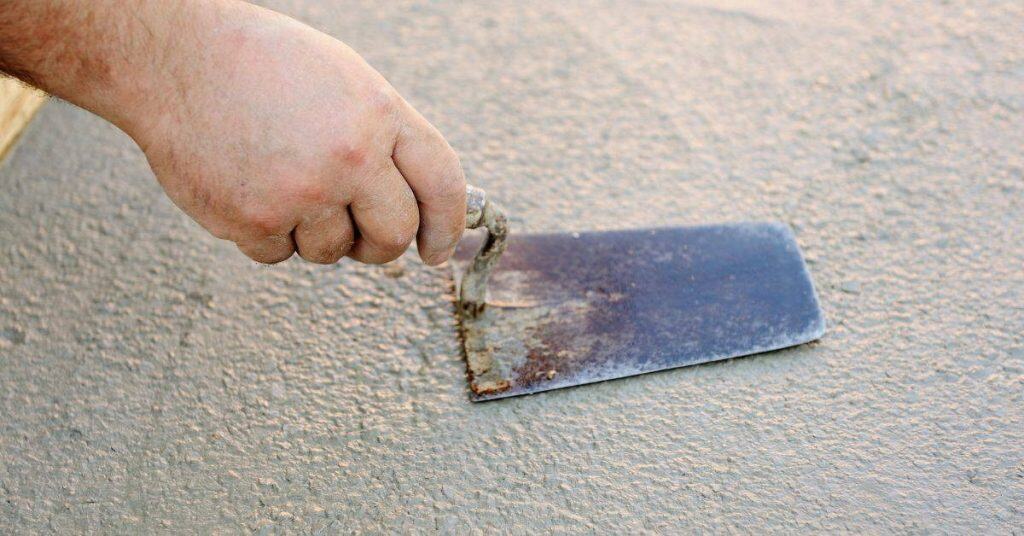
Hand holding a rusty trowel on a stucco surface

Stucco Layers and Purpose: How Each Coat Works and What Failures Look Like When One Is Wrong

Introduction Stucco layers are a sequence of coats—usually a scratch or bonding layer, a brown or leveling layer, and a finish coat—each serving to bond, build thickness, and protect or texture the wall. In plain jobsite terms: the first coat grabs the mesh and substrate, the middle builds out thickness and straightens the plane, and

Stucco Layers and Purpose: How Each Coat Works and What Failures Look Like When One Is Wrong Read More »

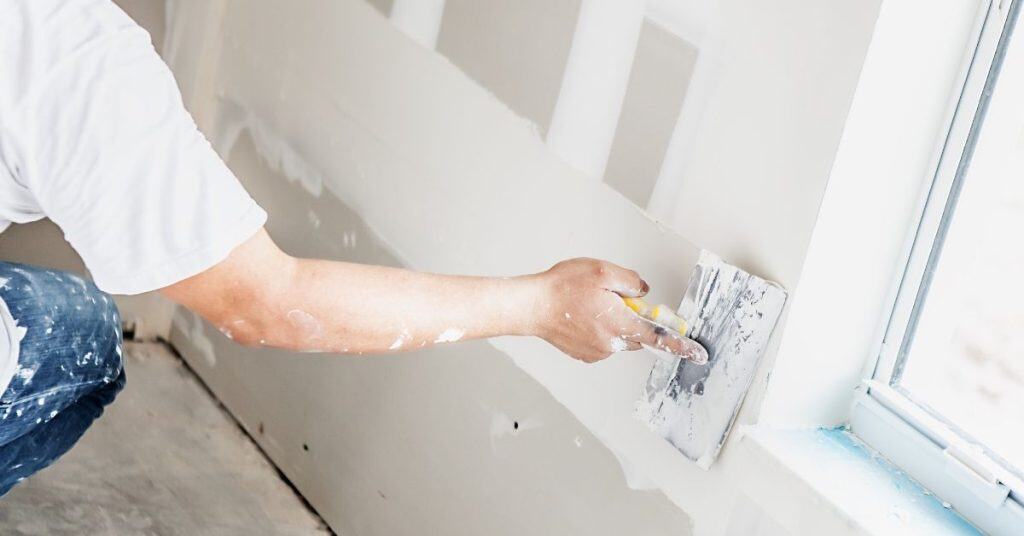
Person applying drywall joint compound near window

Choosing Plaster vs Joint Compound for Repairs: Durability, Sanding, and Paint Finish Differences

Introduction Plaster is a harder-setting wall finish made from cement- or gypsum-based mixes, while joint compound is a softer, gypsum-based product meant for taping and small repairs. For DIYers that means plaster will hold up better in high-traffic areas and where impact resistance matters, and joint compound is easier to apply and feather for small

Choosing Plaster vs Joint Compound for Repairs: Durability, Sanding, and Paint Finish Differences Read More »

Exterior stucco wall with scaffolding and windows

Stucco-to-Window Joint Leaks: Backer Rod Depth, Sealant Profiles, and Flashing Red Flags

Introduction Stucco-to-window joint leaks are failures where the seal between the stucco and the window lets water in, usually from improper backer rod depth, wrong sealant profile, or missing/incorrect flashing. Fixing them is about getting the joint depth right for the backer rod, choosing a compatible sealant, and making sure flashing directs water away from

Stucco-to-Window Joint Leaks: Backer Rod Depth, Sealant Profiles, and Flashing Red Flags Read More »

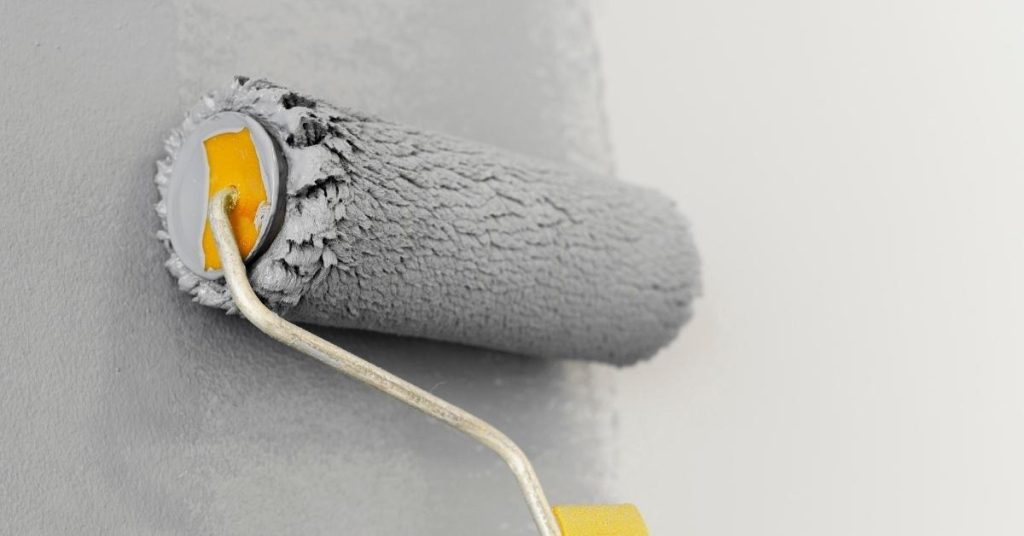
Paint roller applying gray paint on white wall

Rolling Paint Like a Pro: Managing Load, Speed, and Back-Rolling to Eliminate Stipple and Lap Marks

Introduction Rolling paint like a pro means controlling how much paint is on the roller, how fast you move it, and when you back-roll so the finish lays down smooth without stipple or lap marks. Think in practical terms: load the roller evenly, keep a steady, deliberate pace, and follow with a light back-roll while

Rolling Paint Like a Pro: Managing Load, Speed, and Back-Rolling to Eliminate Stipple and Lap Marks Read More »

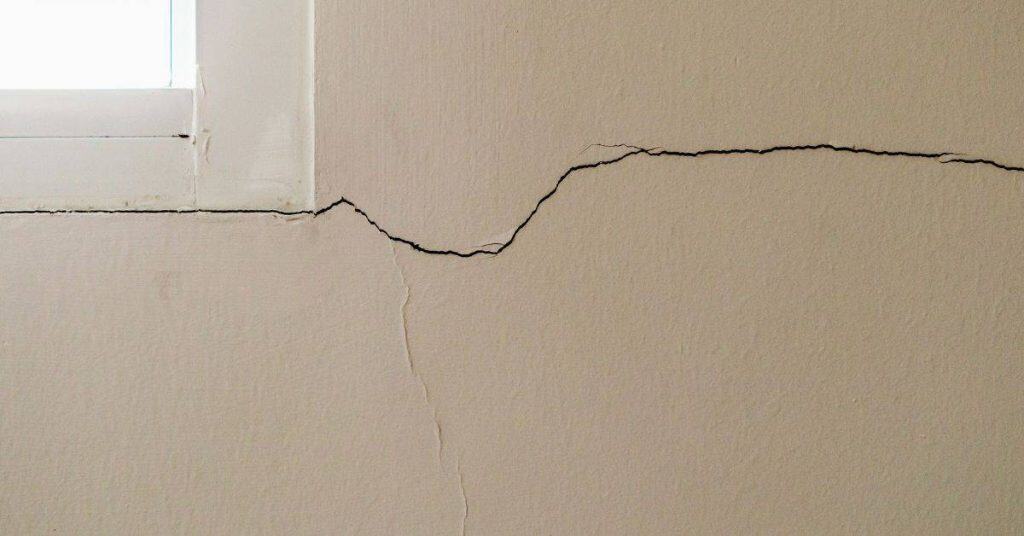
Wall with a long crack near a window frame

Plaster Cracks That Keep Coming Back: Movement Checks, Mesh Options, and Control-Joint Alternatives

Introduction Plaster cracks that keep coming back are usually signs of ongoing movement—either structural, thermal, or moisture-related—rather than a one-off surface failure. In plain terms: fix the movement first, then choose a flexible joint compound or mesh to bridge how much movement you expect and follow the product label for prep and cure times. Check

Plaster Cracks That Keep Coming Back: Movement Checks, Mesh Options, and Control-Joint Alternatives Read More »