Search Results for: 10 INCH ROUND CONCRETE

Cordless drill next to scattered box of screws on wood surface

How to Make Temporary Wet Screed Rails: Pipe, Wood, and Why Some Methods Leave Weak Lines

Introduction Temporary wet screed rails are temporary guides used to shape a wet concrete screed with straight edges. They can be made from pipes or boards that are set level and supported to leave clean, even lines. This intro covers how to choose materials and set up without leaving weak spots. What you do next […]

How to Make Temporary Wet Screed Rails: Pipe, Wood, and Why Some Methods Leave Weak Lines Read More »

Closeup of white paint roller applying paint on wall

Feathering Plaster Repairs: Avoiding a ‘Picture Frame’ Ridge Under Paint

Introduction Feathering plaster repairs means blending new patch material into the surrounding plaster so there’s no raised ridge under paint. It’s a hands-on fix that helps avoid a visible edge where paint can lift. The goal is a smooth transition that you can sand and feather with basic tools. Start by assessing cracks and holes

Feathering Plaster Repairs: Avoiding a ‘Picture Frame’ Ridge Under Paint Read More »

Person applying joint compound near window on drywall corner

Setting-Type Compound on Plaster: When Hot Mud Beats Topping Compound

Introduction Setting-Type Compound on Plaster is a fast-setting patching material that cures through a chemical reaction, not just by drying. On plaster walls, it can provide a hard, sandable surface and may cut touch-up time compared to traditional topping compounds. Check label instructions and local rules for mix ratios, open time, and ventilation before starting.

Setting-Type Compound on Plaster: When Hot Mud Beats Topping Compound Read More »

Blue painted stucco wall texture close-up

Mineral Paint on Stucco: When It Outlasts Acrylic and How to Prep Properly

Introduction Mineral paint on stucco provides a durable, breathable finish that can outlast typical acrylic when the surface is prepped properly. In plain terms, you start with clean, sound stucco, protect surrounding areas, and choose a mineral-based paint designed for masonry. The prep and technique matter more than color or brand. The application hinges on

Mineral Paint on Stucco: When It Outlasts Acrylic and How to Prep Properly Read More »

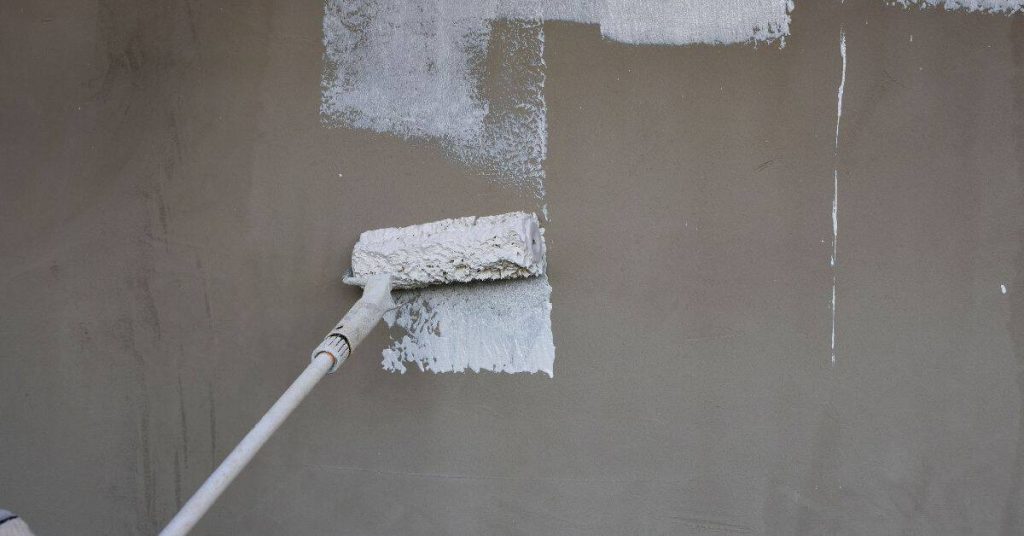
Paint roller applying white paint on brown stucco wall

Elastomeric Paint Over Hard Coat Stucco: When It Bridges Cracks and When It Blisters

Introduction Elastomeric paint over hard coat stucco is a flexible coating designed to bridge small cracks in the surface. It can improve weather resistance but may blister if the surface is dirty, damp, or improperly prepped. Proper prep and careful application are essential to a durable coat. Preparation and proper application are key to avoiding

Elastomeric Paint Over Hard Coat Stucco: When It Bridges Cracks and When It Blisters Read More »

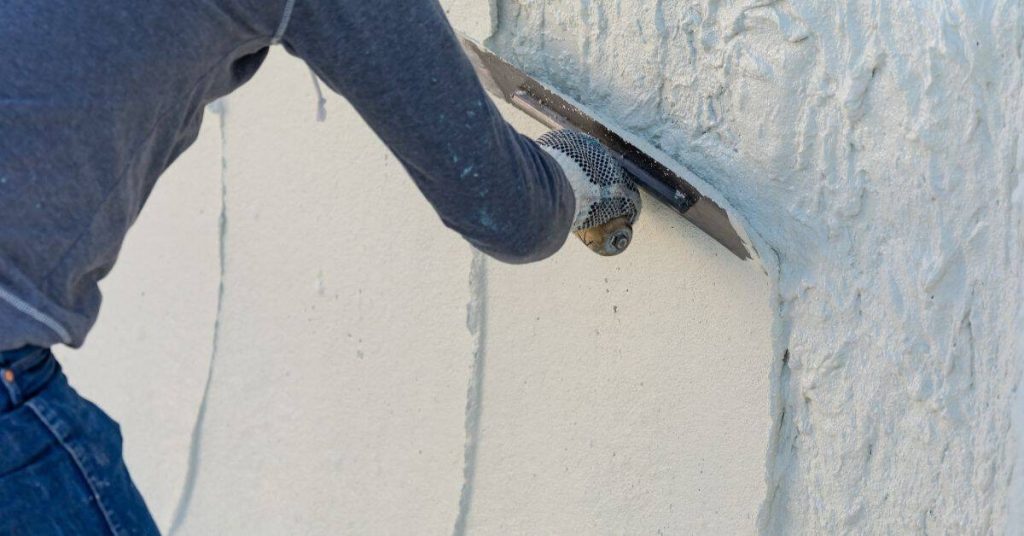
Close-up of light gray rough stucco texture

Stucco Texture Matching on Large Patches: How to Avoid ‘Panel’ Look in Sunlight

Introduction Texture matching on large stucco patches is about blending new material with the existing surface so it doesn’t read as separate panels when sunlight hits it. Work in manageable areas, keep the texture consistent, and feather the edges so the changeover isn’t obvious. If you see a mismatch, adjust trowel pressure, use a compatible

Stucco Texture Matching on Large Patches: How to Avoid ‘Panel’ Look in Sunlight Read More »

Person applying stucco texture to exterior foam wall

Stucco + Exterior Foam Additions: Transition Details That Keep Drainage Paths Open

Introduction This approach combines stucco with exterior foam to manage drainage and keep water from standing against the foundation. It adds an insulating layer outside the wall and creates a smooth receiver for the stucco finish. You’ll want to plan how drainage paths remain open while the layers are installed and sealed. For DIY work,

Stucco + Exterior Foam Additions: Transition Details That Keep Drainage Paths Open Read More »

White stucco coated brick wall texture close-up

Stucco Control Joint Layout: Where They Belong and Why Random Cracks Follow Bad Layout

Introduction Control joints in stucco are deliberate gaps that guide where cracks will form, instead of letting random cracks run everywhere. They serve as a planned break for movement due to temperature, moisture, and framing shifts. Placement guidelines depend on factors like height, openings, and changes in plane; check manufacturer instructions for specifics. Use appropriate

Stucco Control Joint Layout: Where They Belong and Why Random Cracks Follow Bad Layout Read More »

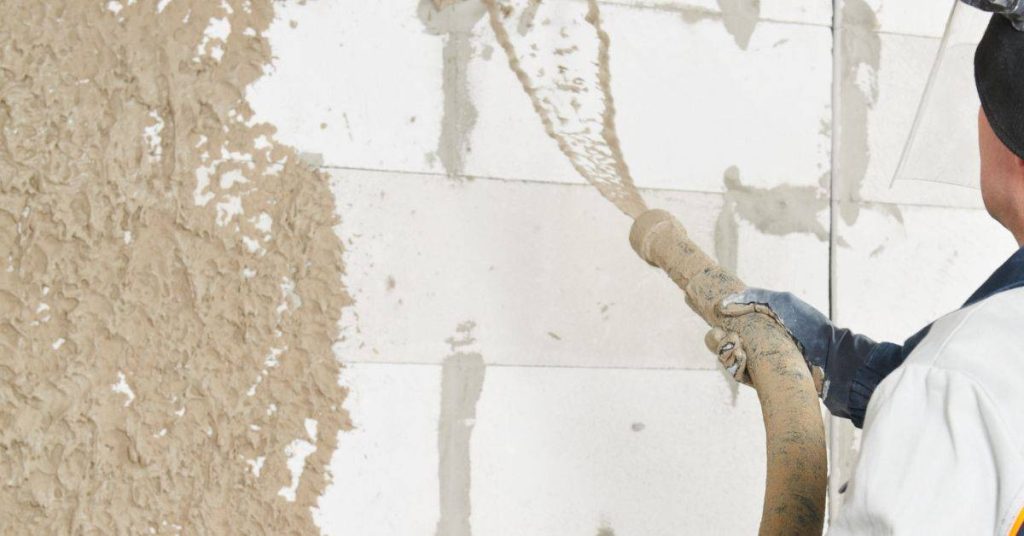
Person spraying stucco mixture onto a wall

How to Fix a Stucco Patch That Dries Too Fast: Pre-Wetting and Cure Mist Schedules

Introduction Pre-wetting and cure mist schedules help control how fast a stucco patch dries. This simple approach keeps the patch workable and reduces cracking. Set up a light dampening routine and watch for a smooth, even surface as you work. Common causes of rapid drying are sun exposure, wind, and heat on the patch area.

How to Fix a Stucco Patch That Dries Too Fast: Pre-Wetting and Cure Mist Schedules Read More »

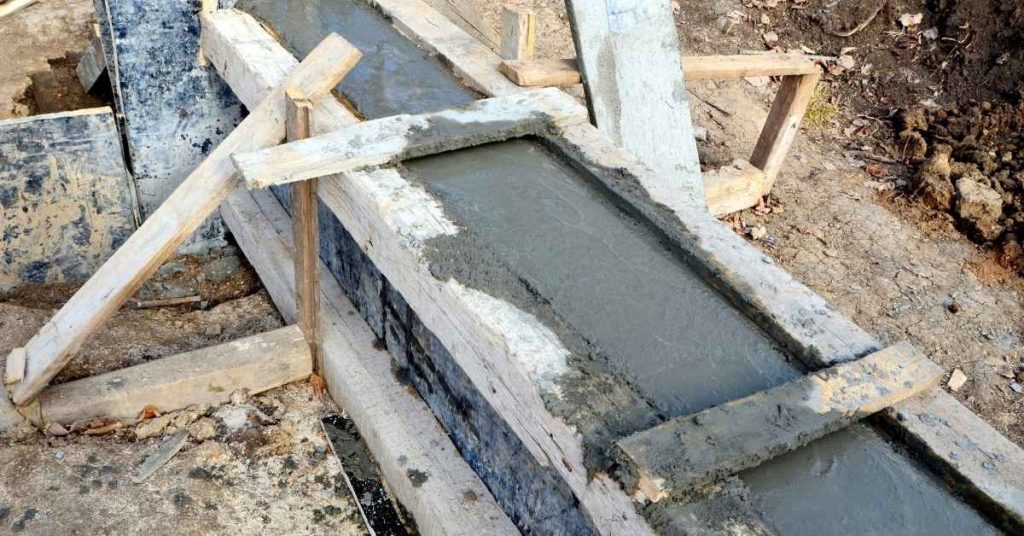
Fresh concrete poured into supported wooden forms outdoors

How to Strip Forms Without Breaking Corners: Release Timing and Support Tricks

Introduction Stripping forms without breaking corners means releasing the form panels at the right time and with proper support so the edges stay sharp. This article gives practical, hands-on tips for homeowners doing a small project. Use the right sequence, supports, and careful tool handling to minimize corner damage. Release timing depends on cure progress

How to Strip Forms Without Breaking Corners: Release Timing and Support Tricks Read More »