Search Results for: 10 INCH ROUND CONCRETE

curved stamped concrete patio next to garden bed

Cutting Control Joints in Stamped Concrete: Timing, Blade Choice, and Avoiding Ragged Edges

Introduction Cutting control joints in stamped concrete is about planning when to cut, choosing the right blade, and making clean edges to prevent cracks. Get your timing right by planning ahead before you stamp, so the concrete has the strength needed when joints are cut. Always check manufacturer instructions and local rules for any timing […]

Cutting Control Joints in Stamped Concrete: Timing, Blade Choice, and Avoiding Ragged Edges Read More »

Damaged concrete surface with peeling and cracks near wall base

Concrete Jackhammer Damage Repair: Rebuilding Edges Without Creating Microcracks

Introduction Repairing concrete jackhammer damage means rebuilding damaged edges without creating microcracks. Use careful hand tools and proper cleaning to prepare the edge before any repair. Work slowly and check for hollow spots or loose material as you go. Common causes include over-penetration, vibration, and poor initial compaction, which you can look for as cracks,

Concrete Jackhammer Damage Repair: Rebuilding Edges Without Creating Microcracks Read More »

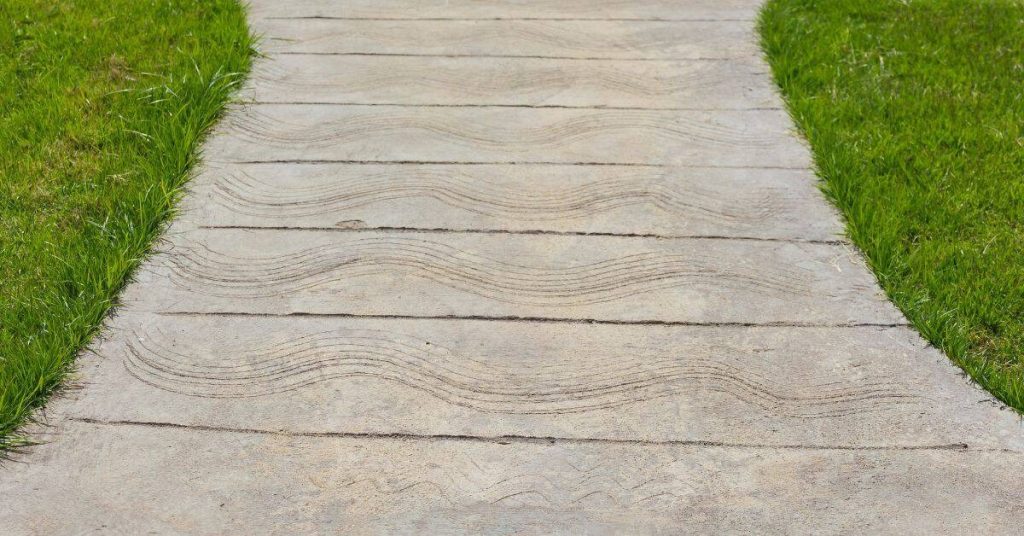
Concrete pathway with wave texture and green grass sides

Concrete Repair in Sulfate Soils: Material Selection That Won’t Turn to Mush

Introduction Concrete repair in sulfate soils means choosing repair materials that resist sulfate attack so the patch doesn’t crumble. Always check the product label and manufacturer instructions for sulfate resistance and compatible cementitious systems. If in doubt, confirm with local rules and test methods, and avoid mixes that aren’t specifically rated for sulfate exposure. Plan

Concrete Repair in Sulfate Soils: Material Selection That Won’t Turn to Mush Read More »

Close-up of a large crack in concrete slab surface

Concrete Crack Stitching With Staples: When It Works and How to Detail It

Introduction Concrete crack stitching with staples is a method that uses staples and epoxy to bridge and reinforce cracks in concrete. It’s most practical for non-structural cracks where movement is limited and the surface is accessible. Check product labels and local rules for epoxy and staple kit compatibility before starting. Typical materials to have on

Concrete Crack Stitching With Staples: When It Works and How to Detail It Read More »

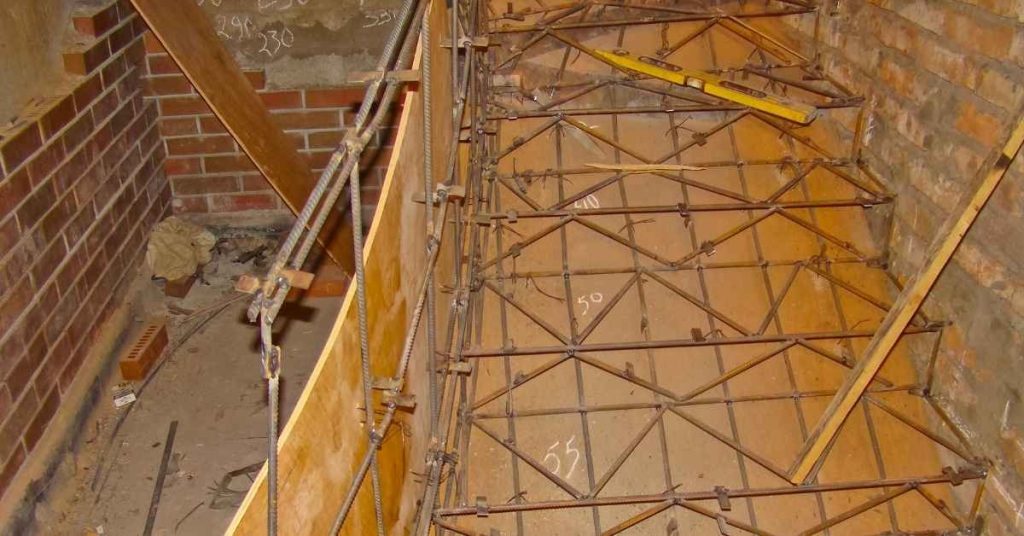
Concrete formwork with rebar inside brick walls

How to Write a Concrete Repair ‘Diagnosis Report’ for Your Own Projects: Photos, Measurements, and Decisions

Introduction A concrete repair diagnosis report is a simple, practical summary that defines what’s wrong, what you measure, and what you plan to fix. It guides your Photo-log, measurements, and observations into a clear set of next steps. Keep it grounded in what you can see, feel, and verify on the job site, with concrete

How to Write a Concrete Repair ‘Diagnosis Report’ for Your Own Projects: Photos, Measurements, and Decisions Read More »

Worker pouring concrete mix over steel rebar grid

DIY Grout-Style Mixes vs True Concrete: When High Sand Content Is Actually Stronger

Introduction Grout-style mixes with high sand content differ from true concrete in composition and how they cure. In some cases, more sand can bulk up the mix and feel stronger, but that doesn’t mean it works the same as real concrete in every situation. Always check the product label and manufacturer guidance to confirm sand

DIY Grout-Style Mixes vs True Concrete: When High Sand Content Is Actually Stronger Read More »

Close-up of textured and stamped concrete surface

Retarders in Decorative Concrete: Avoiding Cold Joints Without Soft Surfaces

Introduction Surface retarders are chemicals you apply to the top of fresh concrete to slow the surface set. They let you finish the body of the slab without creating a soft, uneven surface, helping you avoid cold joints. Different formulas work differently on color and texture, so understand what you’re using before you apply it.

Retarders in Decorative Concrete: Avoiding Cold Joints Without Soft Surfaces Read More »

Stacked hollow core concrete slabs outdoors

Recycled Concrete Aggregate (RCA) for Slabs: Gradation, Water Demand, and Pop-Out Risk

Introduction RCA for slabs is crushed concrete from demolished pavement or structures that you reuse as aggregate. You’ll typically screen and wash it to remove fines before it finds a place in a slab mix. Use it where the mix and compaction are appropriate and check local rules. Gradation and water demand depend on how

Recycled Concrete Aggregate (RCA) for Slabs: Gradation, Water Demand, and Pop-Out Risk Read More »

Stacked precast concrete hollow core slabs outdoors

Chloride Penetration in Concrete: Why Coastal Slabs Fail and How to Slow It Down

Introduction Chloride penetration in concrete is the inward movement of chloride ions from the environment into the concrete and reinforcement area. In coastal areas, salt spray, moisture, and wet-dry cycles push chlorides into the concrete matrix. This can lead to corrosion of reinforcing steel and reduce the structure’s long-term durability. To slow chlorides down, choose

Chloride Penetration in Concrete: Why Coastal Slabs Fail and How to Slow It Down Read More »

Peeling paint revealing concrete ceiling surface

Concrete Carbonation Test (Phenolphthalein): Step-by-Step and How to Interpret It

Introduction A concrete carbonation test using phenolphthalein is a simple way to see how deep carbonation has penetrated into the concrete. It involves applying a pH indicator to a freshly exposed surface to reveal carbonate-affected areas. The test is done on a clean, exposed face and interpreted by the color that appears on the surface.

Concrete Carbonation Test (Phenolphthalein): Step-by-Step and How to Interpret It Read More »