Search Results for: 10 INCH ROUND CONCRETE

Melting ice cubes with water pool on white surface

Concrete Laitance: How to Identify It and Remove It Before Coatings Fail

Introduction Laitance is a thin, weak surface layer of cement and fines on concrete that can ruin coatings if it isn’t removed. It often feels powdery or dusty and looks lighter or different from the surrounding concrete. If you leave laitance, coatings can fail early and moisture or dirt may trap under the finish. Removal […]

Concrete Laitance: How to Identify It and Remove It Before Coatings Fail Read More »
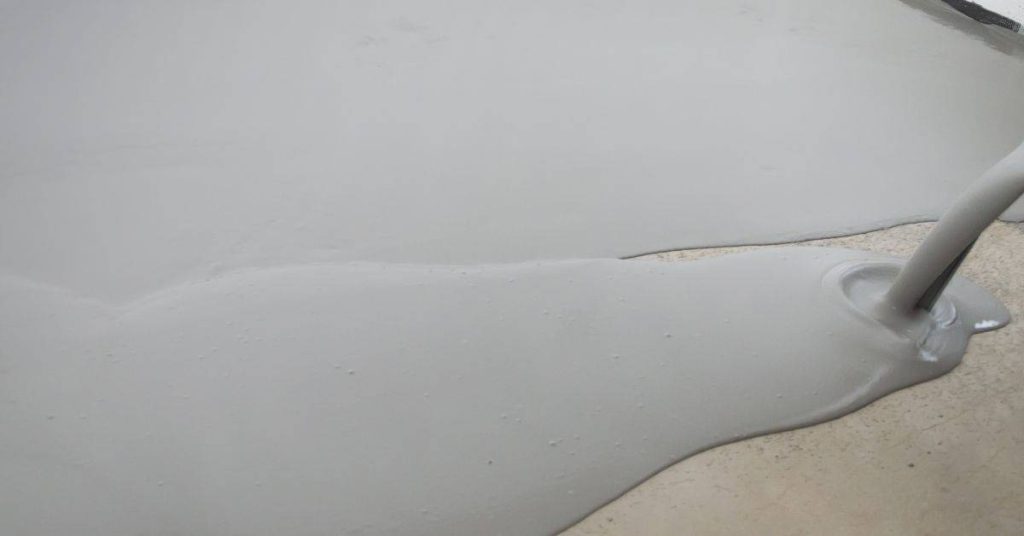
Fresh gray concrete being poured onto surface

Evaporation Reducer for Concrete: When to Spray, How Much to Use, and What It Fixes

Introduction An evaporation reducer for concrete is a chemical spray or treatment that slows water loss from fresh concrete. Use it when drying conditions are hot, windy, or dry to help finish quality and reduce surface crazing. Always read the product label and follow local rules to determine if it’s appropriate for your mix and

Evaporation Reducer for Concrete: When to Spray, How Much to Use, and What It Fixes Read More »

Workers pouring wet concrete into a wooden form

Pouring Concrete in Two Lifts: How to avoid a weak plane between pours

Introduction Pouring concrete in two lifts means placing the slab in two separate sessions to build up thickness while ensuring a solid joint. Work carefully so the second lift bonds to the first without forming a weak plane. Keep the site organized and follow the manufacturer’s guidance for timing and preparation. The key is proper

Pouring Concrete in Two Lifts: How to avoid a weak plane between pours Read More »

Metal skeleton frame of a concrete structure under blue sky

Concrete Footings in Loose Soil: Keeping holes from collapsing and contaminating mix

Introduction Concrete footings in loose soil are foundations that hold the hole open and the concrete clean while it sets. In practice, you deal with collapses, water, and soil that wants to fall in, so you carefully support the bore and keep the mix free of mud. This article explains practical, hands-on approaches you can

Concrete Footings in Loose Soil: Keeping holes from collapsing and contaminating mix Read More »

Red brick pavers being laid on sand base with masonry tools

Concrete Pads on Clay Soil: Base prep that reduces settlement and cracking

Introduction Concrete pads on clay soil require a proper base prep to minimize settlement and cracking. The base should be clean, graded, and compacted to create a stable, drainage-friendly surface. If you’re unsure about soil conditions, check with local rules or a product label for guidance on acceptable fill and compacting methods. Understanding what causes

Concrete Pads on Clay Soil: Base prep that reduces settlement and cracking Read More »

Close-up of a spiral drill bit drilling into concrete surface

Drilling Concrete Cleanly: Preventing surface spalls and blowouts

Introduction Drilling concrete cleanly means making precise holes without chipping the surrounding surface. Start by assessing the job and marking hole locations clearly, so you know exactly where to drill. Keep the area clean and set up a stable work surface to reduce wobble as you begin. Choose drill settings and approach carefully, deciding between

Drilling Concrete Cleanly: Preventing surface spalls and blowouts Read More »

Fresh asphalt driveway in front of garage door

Concrete at Garage Doors: Fixing ponding and preventing water intrusion

Introduction Concrete at garage doors refers to the slab at the door opening where improper drainage or settling can cause ponding. This condition signals potential water intrusion if left unaddressed. Start by noting slopes, cracks, and joints that may let water pool near the threshold. Common causes are poor drainage, foundation issues, or slab settling

Concrete at Garage Doors: Fixing ponding and preventing water intrusion Read More »

Trowel smoothing fresh concrete joint surface

Concrete Joint Adhesion Failure: Dirt, moisture, and primer fixes that work

Introduction Adhesion failure in a concrete joint means the surface won’t bond as intended, leaving joints that can peel or separate. Dirt, moisture, and poorly prepared or incompatible primers are common culprits that block proper adhesion. Check the surface for dust, oil, and dampness before applying anything. Polyurethane primer can help restore grip between concrete

Concrete Joint Adhesion Failure: Dirt, moisture, and primer fixes that work Read More »