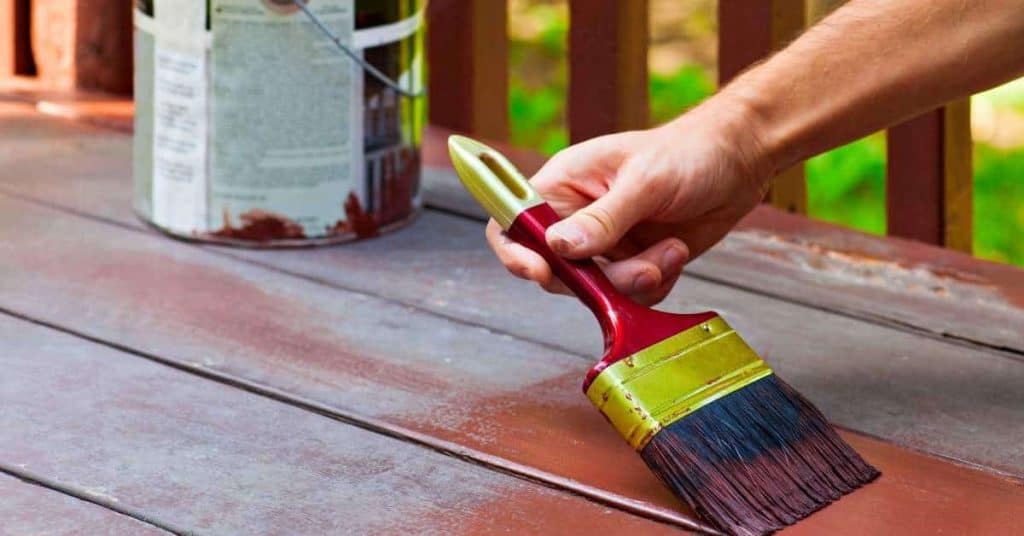
Hand painting wooden deck with a brush and red paint

Prepping, Priming, and Painting Inside and Outside — Workflow + Troubleshooting Fixes

Introduction

Prepping, priming, and painting are the essential steps you follow to protect surfaces and create a durable finish. This article walks you through a practical, hands-on workflow for both indoors and outdoors without fancy tools. Always check product labels and manufacturer instructions for surface prep and compatibility before you start.

If you run into issues, troubleshoot by confirming the surface is clean, dry, and free of old paint or loose material. Check that the primer and paint are compatible and that you’re following the expected order and drying conditions for your climate. When in doubt, rely on label guidance and local rules, and adjust prep or coatings to suit the job rather than guessing.

Key takeaways

  • Start by cleaning and repairing surfaces before any primer or paint.
  • Always mask edges and ventilate when painting interiors or exteriors.
  • Test primer compatibility on a hidden area before full application.
  • Sand glossy finishes smooth and remove dust before priming adequately.
  • Use thin, even coats and let each dry per manufacturer guidance.
  • Wear eye protection and gloves; inspect surfaces for hazards before painting.
Table of Contents

Project Workflow Overview and Planning

Outline an end-to-end workflow that works for both inside and outside projects. Map the sequence from prep to final coat, noting decision points along the way. Adapt the plan based on scope, surface type, and timing constraints by checking surface materials and environmental conditions.

Explain how to adjust sequencing for different surfaces, when to switch between primers and paints, and how to flag potential delays early. Use a simple checklist approach so the plan stays practical on the jobsite. Encourage verifying product instructions and local rules when finalizing the workflow.

Quick pre-project checklist and decision tree

Before you start, run through this quick checklist to make sure you’re on the right track.

  • Interior or Exterior? – Consider moisture levels, sunlight exposure, and traffic. Interior jobs usually need less prep but more care with fumes.
  • Strip or Overcoat? – Assess existing paint condition. If peeling, stripping might be necessary. Otherwise, overcoating can save time.
  • Pro needed? – High ceilings, lead-based paint, or complex surfaces may require a professional.
  • Surface type? – Identify substrate: wood, drywall, metal, etc. Each needs specific prep and primer.
  • Color choice? – Test colors before committing to ensure you like the final look.
  • Sheen level? – Choose based on desired effect and durability. High-traffic areas need tougher sheens.
  • Weather conditions? – Exterior jobs should avoid extreme temperatures, high humidity, or rain.
  • Tools ready? – Gather necessary tools: brushes, rollers, tape, drop cloths, etc.

Quick rule: Skipping checks can lead to poor results and extra work down the line.

Day-by-day timeline templates and contingency planning

Here’s a flexible timeline template. Be ready to adjust for weather or other delays.

  • Prep Day 1: – Clean, repair, sand, and prime surfaces. Allow drying time (usually 24 hours).
  • Paint Day 2: – Apply first coat of paint. Let dry as per manufacturer’s instructions.
  • Touch-up Day 3: – Inspect for missed spots or drips. Touch up as needed.
  • Second Coat Day 4: – Apply second coat if required by sheen or surface type. Let dry.
  • Contingency Day(s): – Set aside extra days for weather delays, substrate issues, or product hold-ups.

Quick rule: Always have a backup plan in case of unexpected delays.

Back to top ↑

Tools and Materials Checklist

List the essential tools for most interior and exterior projects, plus protective equipment. Include recommended types of brushes, rollers, trays, and squeegees, and the basics of surface prep tools. Mention optional specialty items for tricky surfaces or finishes.

Explain how to size tools to the job and finish requirements, and remind readers to verify tool compatibility with chosen paints and primers. Encourage checking product labels and manufacturer guidance for any specific use or safety notes.

Paint and primer types explained (sheen, binder, VOCs)

Before you start painting, understand the different types of paint and primers to choose the right one for your project.

  • Sheen: Gloss, semi-gloss, satin, eggshell. Higher sheen means easier cleaning but more visible imperfections.
  • Binder: Water-based (latex), oil-based, or solvent-based. Latex is water clean-up, dries faster, and has less odor. Oil-based provides better adhesion and durability.
  • Primer types: Stain-blocking, bonding, or universal. Use stain-blocking for bare wood or stained surfaces, bonding for poor-adhesion surfaces, and universal for general use.
  • VOCs (Volatile Organic Compounds): Check labels for VOC content. Lower VOCs mean less harmful fumes and better air quality.

Quick rule: Always check product labels to ensure you’re using the right paint or primer for your surface and project requirements.

Material specs and standards to check before buying

Before purchasing, confirm these product specifications to ensure you’re getting the right materials for your job.

  • Adhesion: Check if it’s suitable for your surface. Some paints won’t stick to certain surfaces like vinyl or glossy paint.
  • Weather resistance: For exteriors, ensure it can withstand UV rays, heat, and cold. Look for ‘weather-resistant’ or similar claims on labels.
  • Colorfastness: Check if the color will fade over time. Look for ‘lightfast’ or ‘fade-resistant’ claims.
  • Dry time: Faster drying means you can apply more coats in a day, but slower drying might mean better adhesion.

Quick rule: Always check product labels and technical data sheets to confirm these specs before making a purchase.

Safety gear and ventilation best practices

Protect yourself and maintain good air quality with the right safety gear and ventilation.

  • Indoor PPE: Wear a respirator or dust mask, safety glasses, and gloves. Keep windows open for fresh air.
  • Outdoor PPE: Use a respirator or dust mask to protect against pollen and other allergens, wear safety glasses, and long sleeves/gloves for sun protection.
  • Ventilation (indoor): Use fans to blow paint fumes towards open windows. Consider using air purifiers with HEPA filters.
  • Ventilation (outdoor): Paint on a calm day, away from wind directions that could carry fumes towards neighbors or open windows.

Quick rule: Always prioritize safety and good ventilation to protect yourself and others from harmful paint fumes.

Back to top ↑

Surface Preparation for Interiors

Walk through substrate prep for drywall, plaster, wood trim, metal, and previously painted surfaces. Emphasize adhesion, dust removal, and contamination control. Include moisture checks that can affect coating performance.

Highlight how to address common interior issues like humidity, peeling, and efflorescence on interior masonry if present. Remind readers to consult product data sheets and local codes for any moisture or lead considerations before priming or painting.

Cleaning, deglossing, and repair techniques

Start by removing any dirt, dust, or cobwebs with a damp cloth. Use mild soap for tougher grime.

Deglossing is needed when painting over glossy surfaces like varnished wood or previously painted walls. TSP (trisodium phosphate) solution or deglossing primer can help. Test in an inconspicuous area first.

For dents, holes, and loose paint, use spackling compound for small repairs. For larger areas, apply joint compound with a putty knife, feathering the edges. Let dry, then sand smooth.

Sanding and feathering without damaging substrates

Start with coarse grit (120-grit) sandpaper for heavy texture or imperfections. Progress to finer grits (220-grit) for a smooth finish.

Use a random orbital sander for large areas and a sanding sponge for tight spots. Keep the sander flat against the surface, moving in straight lines.

To feather, start at the edge of the repair and gradually decrease pressure as you move towards the undamaged area. This creates a smooth transition.

Moisture, mold, and hidden damage checks

Check for moisture intrusion using a moisture meter or by taping a piece of foil to the wall. If it’s damp after 24 hours, you’ve got a problem.

Identify mold vs. staining. Mold is usually green, black, or orange and has a musty smell. Staining is typically brown or gray and doesn’t have a smell. If unsure, test with a mold detection kit.

If you find mold, remediate immediately using a solution of water and bleach (1 cup per gallon). For large areas or health concerns, hire a professional. Check for hidden damage behind peeling paint or wallpaper.

Back to top ↑

Surface Preparation for Exteriors

Cover prepping common exterior substrates such as siding, brick, stucco, trim, and metal. Focus on weather considerations and choosing appropriate cleaning and sanding methods. Stress proper dust and contaminant removal to improve adhesion.

Discuss flaking paint, lead-paint precautions, and when to consult regulations and permits. Advise verifying local rules and manufacturer instructions for surface treatments and required weather windows before applying coatings.

Power Washing and Safe Surface Cleaning

Power washing is a quick way to clean exterior surfaces. But remember, it’s not one-size-fits-all.

Wood, vinyl, and other delicate materials need low pressure. High pressure can damage them.

For brick, stucco, or concrete, you can use medium to high pressure. But be careful not to blast away the surface.

If power washing isn’t an option, a good old-fashioned scrub with a stiff brush and detergent will do the trick.

Rust, Flaking Paint, and Substrate Stabilization

See rust? Treat it. Use a wire brush or sandpaper to remove loose rust. Then apply a rust converter.

Flaking paint needs mechanical removal. Scrape it off with a paint scraper. Sand any rough edges smooth.

If your substrate is failing, stabilize it before painting. For wood, use wood hardener. For stucco or concrete, use a patching compound.

Weather Windows and Temperature/Humidity Checks

The weather plays a big role in painting. Check your paint can’s label for ideal temps and humidity ranges.

Too cold, and the paint won’t adhere properly. Too hot or humid, and it’ll dry too fast or not at all.

Check local forecasts before starting. And don’t forget to account for dew in the morning.

Ideally, you want temps between 50-85°F (10-29°C) with low humidity.

Back to top ↑

Hand holding spray paint gun applying paint to metal surface

Priming — Choosing and Applying Primers

Explain when primer is required and how to decide between oil, latex, shellac, stain-blocking, or specialty primers. Link primer choice to surface type, stain concerns, and finish goals. Outline how to apply primers in thin, even coats for best adhesion.

Offer tips on surface preparation before priming, such as smoothing, sealing, or spot-priming problem areas. Remind readers to check product labels and manufacturer instructions for recoat intervals and compatibility with topcoats.

Primer selection by substrate and problem (stain blocking, tannins, rust)

Primers aren’t one-size-fits-all. Match the primer to your surface’s needs.

Tannin bleed from woods like cedar or redwood? Use a shellac-based primer. It seals tannins, preventing them from bleeding through topcoats.

Got rust on metal surfaces? Opt for a rust-inhibiting primer. It stabilizes rust and prevents further corrosion. Always check compatibility with your topcoat.

Dealing with high-moisture areas or mold issues? Choose a mildew-resistant, stain-blocking primer. It seals surfaces, preventing moisture-related problems and blocking stains.

Application methods, coverage expectations, and touch-ups

Applying primer right is key to a smooth finish. Here’s how:

Use a good quality brush or roller. For spraying, use an airless sprayer for latex primers, or a HVLP sprayer for oil-based ones.

Feather edges for seamless coverage. Start at the edge, then work your way inwards to avoid lap marks.

Spot-prime repairs. Apply primer only where you’ve patched or repaired. Let it dry, then lightly sand and wipe off dust before topcoating. This ensures a uniform appearance.

Back to top ↑

Painting Techniques for Interiors

Provide step-by-step interior painting techniques, including cutting in, rolling, and maintaining a wet edge. Describe methods to achieve a uniform sheen and avoid lap marks. Include practical cleanup steps and basic recoat timing guidelines.

Address working in stages to minimize dust and interruptions, plus how to protect nearby surfaces and furniture. Encourage verifying recommended temperatures, humidity ranges, and recoat windows on the product label or data sheet.

Tools, techniques, and finishing tips for trim and walls

Trim and walls need different approaches. Here’s how:

Trim (windows, doors, baseboards):

  • Use a 2-1/4″ angled brush for tight corners.
  • Apply paint in long, smooth strokes, working from top to bottom.
  • Avoid overbrushing; let paint set before backbrushing.

Walls:

  1. Use a 9″ roller cover for most surfaces. Check label for specific needs.
  2. Work in 3′ x 3′ sections, applying paint in W or M patterns.
  3. Avoid lap marks by maintaining a wet edge and feathering out strokes.

Finishing tips:

  • Let each coat dry fully before sanding (12-24 hours) and applying the next.
  • Use touch-up brushes for final details and mistakes.
  • Clean tools thoroughly after use to maintain quality.

Achieving durable, washable finishes and stain resistance

In high-traffic rooms like kitchens or bathrooms, durability is key. Here’s how to get it:

First, choose the right paint. For heavy traffic areas, opt for latex paints with built-in stain resistance and scrubbability. Check product labels for these features.

Next, prep your walls properly. Fill any cracks or holes, then sand smooth. Apply a quality primer to seal the surface and improve paint adhesion. Let it dry according to manufacturer instructions.

When painting, use high-quality brushes and rollers. Apply paint in even coats, allowing proper drying time between each. For added durability, consider applying a second coat.

Color selection, sampling, and lighting checks

Before you start slapping paint on your walls, there’s some homework to do. You gotta pick the right color, test it out, and check how it looks under different lights.

First off, choose a few colors you like. Don’t just go by what you see in the store. Colors can look different under different lights. So, grab some samples and bring ’em home.

Now, test those samples on your walls. Paint small patches, about 2′ x 2′, in a spot that gets good light at different times of day. Check ’em out at morning, afternoon, and evening to see how the color changes with the light.

Here’s where you might go wrong: some folks paint a whole room before checking it out under different lights. Don’t be that guy. Trust me, you don’t want to end up with a room that looks like a different color at night than it does in the day.

Back to top ↑

Painting Techniques for Exteriors

Describe exterior coating application tactics, including spray vs. roller tradeoffs and edge sealing. Discuss how to work with expanding and contracting substrates and maintain long-term weather resistance. Mention considerations for preventing flash rust and planning around rain checks.

Offer tips on pacing applications and protecting fresh coats from the elements while they cure. Remind readers to follow manufacturer instructions and local weather-related guidance for exterior coatings.

Detailing, flashing, and sealing joints

Painting exterior surfaces isn’t just about slapping on a coat of paint. It’s about protecting your home from water intrusion. That’s where detailing, flashing, and sealing come in.

Joints: These are the weak points where two materials meet – like siding and trim, or trim and windows. Seal them with caulk before painting to keep water out.

Flashing: This is a thin piece of metal that goes behind joints and under siding to direct water away from your home. Make sure it’s in place before you paint.

Large-surface strategies and spray vs. roller considerations

When painting large surfaces like siding or stucco, you’ve got two main options: spray or roll.

Spraying: It’s faster, but it requires more skill to get an even coat. Plus, you’ll need to mask off areas to prevent overspray.

Rolling: It gives you more control over the paint application, but it takes longer. Use a backrolling technique – applying paint in one direction, then rolling back over it perpendicularly – for even coverage. Blend edges where different surfaces meet to avoid visible lines.

Post-paint cleanup and inspection for warranty-quality work

When: After the paint has fully cured, usually after a few days.

  • Check for missed spots: Look for any areas that were overlooked. A flashlight can help you spot them.
  • Inspect for runs: Runs happen when too much paint is applied at once. They’ll look like drips or thick, uneven lines.
  • Check thin areas: These are spots where the paint didn’t adhere properly or was rubbed off. They’ll look patchy or have a different sheen.
  • Inspect edges: Make sure paint got into all corners and crevices, and that it’s not peeling back from edges.
  • Check for bubbles: Bubbles under the paint mean moisture is trapped. They’ll need to be addressed before they pop and ruin your paint job.
  • Inspect texture: Make sure textured surfaces like stucco or rough-sawn siding still have their texture after painting.
  • Check for mildew: If you see any signs of mold or mildew, it needs to be addressed immediately.
  • Document conditions: Take photos and notes on any issues. This can help if there are warranty claims or disputes with contractors.

Quick rule: Always inspect your work after it’s dried. It’s the only way to ensure you’ve got a durable, long-lasting paint job.

Back to top ↑

Troubleshooting Fixes and Maintenance

Organize common paint problems such as peeling, blistering, cracking, brush marks, discoloration, and mildew with clear causes. Provide practical quick fixes and longer-term solutions for both interior and exterior settings. Include preventive maintenance steps to extend coating life.

Include a simple plan for diagnosing issues on future projects and maintaining surfaces between coatings. Encourage checking product labels and local regulations when dealing with mold, lead, or safety concerns.

Fix-it flowchart for common failures

When you spot a problem, don’t jump into repairs right away. Follow this decision-based approach to diagnose the issue.

Step 1: Check if the paint is peeling, blistering, or cracking. If yes, go to Step 2. If not, check for other issues like mildew or discoloration.

Step 2: Inspect the substrate. If it’s sound and dry, spot repair might do. If damp or damaged, full sanding and repaint, or even substrate remediation may be needed.

Temporary quick-fixes vs. permanent repairs

Some fixes look good but don’t last. Here’s how to tell the difference:

A quick-fix might hide a problem temporarily, like touching up peeling paint without addressing the cause. It’s okay for minor touch-ups or emergencies.

A permanent repair tackles the root cause. For example, fixing moisture issues before repainting. If structural movement is involved, consider hiring a pro.

Seasonal maintenance schedule and visual checkpoints

Use this checklist: Spring for interiors, fall for exteriors. It helps catch issues early.

  • Spring (Interior): Check walls, ceilings, and baseboards for water stains or cracks. Ignoring these can lead to mold growth or further damage.
  • Fall (Exterior): Inspect paint for peeling, check caulking around windows and doors, and ensure gutters are functioning properly.
  • Spring & Fall: Check all painted surfaces for signs of mildew. If found, clean with a solution of bleach and water (1:8 ratio).

Quick rule: Regular visual checks help prevent small problems from becoming big, expensive ones.

Back to top ↑

Conclusion

Getting a solid paint job is about preparation, proper priming, and careful application, done safely to protect your investment and look. When you do it right, interiors stay clean, exteriors resist weather, and maintenance becomes simple.

Now move forward with a simple check: confirm the plan and timing for each surface, collect the right primer and paint for the job, clean and repair any cracks or gaps, sand rough spots smooth, wipe down dust, mask nearby areas, and test a small patch first to verify adhesion and color. Then seal the schedule, apply primer evenly, let it dry, then apply paint in steady coats, and finally inspect for misses, drips, or missed spots before the finish cures.

Common mistakes to avoid are skipping surface prep, choosing the wrong primer or paint for the surface, and rushing coats or skipping drying times. Safety rules to follow are wear eye and skin protection, work in good light and ventilation, keep ladders stable, and never mix incompatible products. If you’re unsure about compatibility, temperature, or structural issues, stop and verify before proceeding.

If the project would require major structural work, extensive repairs, or uncertain environmental conditions, call a professional. Otherwise, stay deliberate, follow the plan, and you’ll finish strong with a durable, good-looking result you can be proud of.

Back to top ↑

FAQ

How do I know whether a surface actually needs priming before painting?

If the surface is bare, patched, stained, or glossy, priming helps paint adhere and cover better. Check the product label or manufacturer instructions for guidance on priming needs for your specific surface. When in doubt, a primer directed at that surface type is safer than skipping it.

What’s the proper order for repairing, sanding, and priming interior walls before painting?

Fill cracks or holes, let the filler dry, then sand smooth. Wipe away dust, apply primer to the patched areas if required, then proceed with your paint. Don’t skip sanding; it keeps the finish uniform and helps adhesion.

How can I fix peeling exterior paint before repainting?

Scrape loose paint down to solid edges, feather the edges, and clean the surface. Prime bare or patched spots as needed, then apply the new paint. If the substrate is heavily damaged or rotted, address those issues before painting.

What should I watch for regarding humidity, temperature, and timing when painting?

Paint dries best in moderate conditions and dry surfaces. Follow the product’s recoat and drying guidance on the label or datasheet, and avoid painting if conditions are outside those ranges. If in doubt, wait for a clearer window and test a small patch first.

Back to top ↑