
Introduction
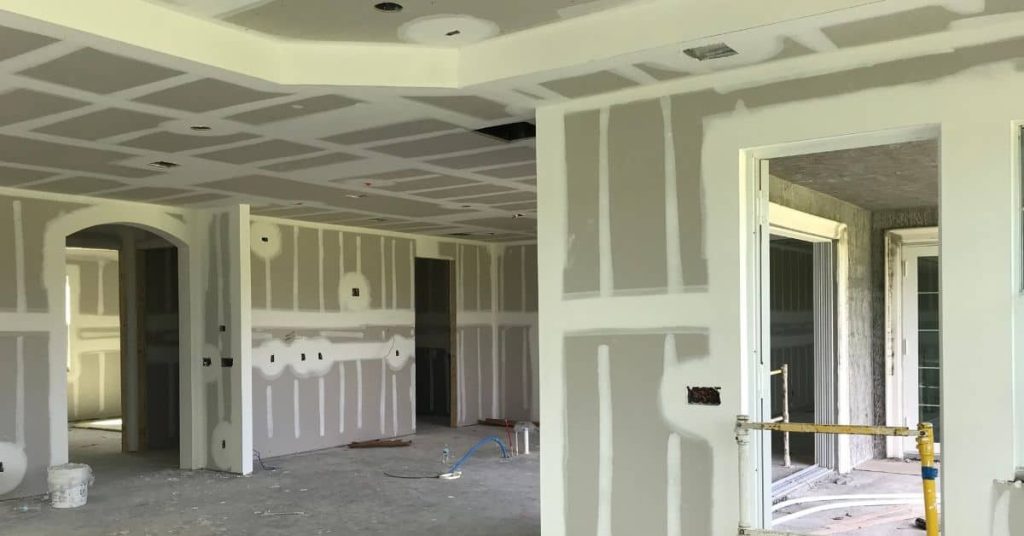
Drywall repair after wallpaper removal means fixing the torn or peeled gypsum board surface so it sits flat and ready for paint. You’ll likely need to patch the torn areas, skim the joints, and feather the edges so the wall looks seamless. This is a hands-on job you can do without specialized tools beyond basic joint compound and a putty knife.
Start by inspecting the damage and removing any loose paper so you have clean edges. Apply joint compound over the damaged spots, smooth it, and let it dry before adding a second coat if needed. Lightly sand when dry and prime the patched area before repainting.
Key takeaways
- Assess wall condition after wallpaper removal; note torn paper and underlying damage.
- Gather tools and materials: putty knife, drywall compound, sanding block, primer, PPE.
- Wear goggles and a dust mask; ventilate area while cleaning adhesive.
- Feather edges and repair torn paper with joint compound, avoiding bubbles under paint.
- Fill gouges, nail pops, and holes with appropriate compound, allowing proper drying between applications.
- Sand smooth, prime, and monitor for hidden bubbles; texture to match surrounding.
Table of Contents
- Introduction
- Key takeaways
- Assessing the Wall Condition After Wallpaper Removal
- Tools and Materials Checklist
- Preparing the Surface: Cleaning and Adhesive Removal
- Repairing Torn Drywall Paper and Feathering Edges
- Filling Gouges, Nail Pops, and Holes
- Sanding, Priming, and Preventing Bubbles Under Paint
- Texture and Finish Matching
- Troubleshooting and Maintenance
- Conclusion
- FAQ
Assessing the Wall Condition After Wallpaper Removal
Begin by inspecting the surface for torn paper, adhesive residue, and any visible drywall damage. Look for chalky edges, lifting paper, or soft spots that signal moisture issues. Note any areas that require patching or extra priming before spending time on repair work.
Check for moisture clues such as staining, musty odors, or soft edges near the joints. If you find moisture signs, verify the source and follow up with appropriate remediation before continuing. Use manufacturer or label guidance on any recommended tests or products if you’re unsure about the underlying condition.
Identifying types of damage (torn paper, adhesive, gouges)
After removing wallpaper, you’ll need to inspect the walls for various types of damage. This helps determine the repair approach.
Torn Paper: Look for loose or peeling edges. These areas might need patching or sanding before priming and painting.
Adhesive Residue: Check for sticky spots where glue wasn’t fully removed. Scrape off any residue with a putty knife to prevent bubbling later on.
Feel the wall surface for gouges. These can be caused by nails, screws, or rough scraping during removal. They’ll need filling before proceeding.
When to repair vs replace drywall
Deciding whether to repair or replace a section depends on the extent of damage.
Repair: Minor issues like small tears, gouges, or adhesive residue can usually be repaired. Patch these areas using joint compound and mesh tape.
Replace: If you find large sections of torn paper, severe water damage (warped or discolored drywall), or irreparable delamination (paper peeling off in sheets), it’s best to replace the entire panel.
Always consider safety. If there are signs of mold or structural weakness due to water damage, consult a professional before proceeding.
Tools and Materials Checklist
Gather basic hand tools like a utility knife, putty knives, and sanding blocks so you can work cleanly. Have joint compound, alkali-resistant mesh or paper tape, and a small sponge for smoothing. Bring a lightweight patching compound for minor repairs and a quality primer for the final coat.
For larger repairs or texture work, include a mounting knife, sanding screen, mixing tray, and a clean bucket. Keep a damp rag handy to wipe away dust and adhesive. Always check product labels and manufacturer instructions before mixing or applying any compound.
Essential tools
Before you start mixing and applying concrete, make sure you have all the essential tools on hand. This checklist will help you verify that you have everything needed for a smooth pour.
- Scraper/Strike-off: Check length to ensure it matches your slab size. Confirm edges are straight and sharp for clean cuts.
- Knife (Utility Knife): Inspect blade; replace if dull or damaged. Ensure you have extra blades on hand.
- Sanding Blocks/Mesh: Check grit size (60-120) to ensure it’s suitable for your finish. Confirm mesh is intact and not clogged with old sanding dust.
- Taping Knife (4″ – 6″): Verify blade is straight, sharp, and securely attached. Check trowel edge for any nicks or damage.
- Hawk/Spatula: Ensure it’s the right size (12″-18″) for your mixers and application. Confirm no cracks or chips in the handle.
- Sponge: Check size (16″ x 24″ is standard) to ensure it covers enough area. Inspect for any holes or tears that could retain water.
- Trowel (3/8″ – 1/2″):strong> Verify blade is straight, smooth, and securely attached. Check for any nicks or damage that could mar the finish.
- Bullfloat: Confirm size matches your slab size. Inspect float for any cracks, chips, or warping that could leave marks on the surface.
Quick rule: Always inspect tools before each use to prevent costly rework and ensure a high-quality finish.
Materials and product selection
Before you start your drywall project, use this checklist to ensure you’ve got the right materials. This will save you time, money, and prevent costly mistakes.
- Joint Compound: Check if it’s all-purpose or setting type. All-purpose is versatile for small repairs and new drywall; setting-type is ideal for large areas and heavy taping. Ensure it’s compatible with your tape and primer.
- Paper/Fiberglass Tape: Verify it matches the joint compound you’ve chosen. Fiberglass tape is stronger but more expensive, while paper tape is cheaper and easier to use. Check for any tears or weak spots before using.
- Primer/Sealer: Choose one that’s compatible with your joint compound and tape. It should seal the surface, prevent mold growth, and improve paint adhesion. Check the label for drying time and application instructions.
- Adhesive Remover: If you’re removing old wallpaper or adhesive residue, ensure the remover is safe and effective. Check if it’s designed to remove the specific type of adhesive you’re dealing with (e.g., vinyl, latex).
- VOC Levels: Check the VOC (Volatile Organic Compounds) levels in your products. Lower VOCs mean less odor and better air quality. Most paint stores can provide this information.
- Drying Time: Consider the drying time of your joint compound, primer, and sealer. Faster drying times mean you can complete more work in a day, but they also require careful timing to avoid mistakes.
- Safety Equipment: While not a product, ensure you have safety glasses, gloves, and a dust mask for sanding. Safety should always be a priority on the job site.
Quick rule: Always check product labels and manufacturer instructions to ensure compatibility and proper usage. This will help prevent common issues like improper curing, poor adhesion, and excessive odors.
Preparing the Surface: Cleaning and Adhesive Removal
Start with a gentle cleaning to lift loose adhesive without pushing it into the drywall paper. Use a damp sponge and mild cleaner, working in small sections. Avoid soaking the wall to protect the paper surface.
Test a small area first to ensure you don’t damage the finish. If adhesive remains, consider a commercially recommended product and follow the label directions. Dry the area thoroughly before moving to repair steps.
Safe adhesive removal techniques
Removing wallpaper adhesive safely involves a combination of mechanical and chemical methods. Start by scoring the surface with a utility knife to break up the adhesive. Then, use a softening agent like fabric softener or a commercial wallpaper remover.
Safety first: Always work in a well-ventilated area and wear gloves. Perform a patch test before applying any chemical solution to ensure it doesn’t damage your drywall paper.
Scrape off the softened adhesive using a wide putty knife or a wallpaper scoring tool. Be gentle to avoid damaging the underlying drywall. If residue persists, use a solvent alternative like white vinegar or denatured alcohol for tough spots.
Dealing with stubborn paste and sizing
Sometimes, residual wallpaper paste or sizing can be difficult to remove. If scraping doesn’t work, try a stronger approach.
For tough spots, use a commercial wallpaper remover containing enzymes that break down the paste. Apply it, let it soak for 15-30 minutes, then scrape off the residue. For extra stubborn areas, you might need to neutralize or seal the residues before repairing.
To neutralize, apply a mixture of white vinegar and water (1:1 ratio) to the affected area. Let it sit for 5-10 minutes, then rinse and dry. To seal, use a primer or shellac-based sealer before applying joint compound. This prevents any remaining residue from bleeding through.
Repairing Torn Drywall Paper and Feathering Edges
Stabilize torn edges by tacking down loose skin with light pressure and a compatible patch or tape. Apply joint compound over the torn area and feather the edges beyond the repair to blend with the surrounding wall. Build up gradually to keep a flat, even surface.
Smooth the transition with broad, light strokes and check for ridges or bubbles after the coat dries. If you see any bubbling under paint later, address the root cause by re-feathering and ensuring proper drying times. Rely on label instructions for drying and re-coat windows as needed.
Reattaching loose paper and sealing edges
A little bit of paper can go a long way. If you’ve got loose flaps, don’t just cut them off. Try to save what you can.
Use a thin adhesive or bonding agent. Apply it sparingly with a small paintbrush. Press the flap back down gently. Let it dry.
If the paper is too damaged, cut it away. But only if you have to. You don’t want to end up with more edges than necessary.
Skim-coating vs patching (when to use each)
A skim coat is like a thin layer of paint. It’s good for small tears or when you just need a little extra smoothing.
Use it when the paper is still intact, but there are minor imperfections. It’ll help prevent bubbles under your new wallpaper or paint.
Patching, on the other hand, is for bigger jobs. If you’ve got large tears or gouges, you’ll need to patch them.
It’s more work, but it’s necessary sometimes. Just remember, the bigger the patch, the more likely it is to bubble if not done right.
Filling Gouges, Nail Pops, and Holes
Fill gouges and nail pops with a patching compound that adheres well to painted drywall. Apply and smooth flush with the surrounding surface, then let it dry per the product’s directions. Lightly sand the area once set to prepare for a primer coat.
Avoid trapping air by pressing the filler into edges and feathering beyond the repair. Inspect for any ridges or indentations and address them before moving to priming. Always verify product guidance on drying times and recoat intervals.
Applying compound and layering for bubble-free finish
You’ve filled those gouges, nail pops, and holes. Now let’s get that compound on there right.
First off, check your compound’s label. It’ll tell you how much to use per layer. Stick to that. Too much at once is a recipe for bubbles and sagging.
Here’s the drill: Apply a thin, even coat. Use a wide trowel or squeegee to spread it out smooth. Let it set for the time your compound says – usually around 20-30 minutes. Then, check for any low spots or bubbles. If you see ’em, sand ’em down gently before moving on.
Now, here’s where the layering comes in. Apply another thin coat, just like before. Let it set again. Repeat this process until you’ve reached your desired thickness. But remember, patience is key. Rushing layers leads to trapped moisture and adhesive beneath.
Lastly, once you’re done layering, let the final coat cure for at least 24 hours before sanding or painting. That’s it. You’ve just laid down a bubble-free, smooth-as-glass finish.
Tape and joint compound techniques to prevent telegraphing
When filling gouges, nail pops, and holes in your drywall, it’s crucial to use the right tape and joint compound techniques to avoid seam show-through and future bubbling. This is what you need to do:
First off, use setting-type joint compound. It sets faster and reduces the risk of bubbles. Check the product label to ensure it’s a setting type.
Now, embed your tape properly. Use a wide, 4″ or 6″ tape for wider gaps. Press it firmly into the compound using a taping knife. Make sure you’re not leaving any air pockets behind. If you’re using paper tape, consider applying a thin layer of compound first to help adhesion.
Feathering your compound is key to preventing telegraphing. Start with a thin layer, feathering it out at the edges so there’s no sharp line. Let it set, then apply another coat, feathering it even more. This helps blend the seam into the wall, reducing the chances of seeing it in the future.
Sanding, Priming, and Preventing Bubbles Under Paint
Sand in smooth, even strokes to a uniform surface, checking for dust and stray fibers. Wipe clean and inspect for remaining imperfections that could show through paint. Choose a primer that blocks adhesive residues and helps seal the repaired area.
Follow the primer’s instructions for drying and recoat windows, ensuring the surface is completely dry before painting. If you detect moisture or contamination, address it per manufacturer guidance to prevent future bubbles. Confirm product data sheets for compatibility with your patching compounds.
Proper sanding steps and visual checkpoints
Sanding is crucial after repairing drywall to ensure a smooth surface for painting. Here’s your step-by-step checklist.
- Start with 120-grit: Remove major imperfections and feather out edges.
- Check feathered edges: Ensure they blend smoothly into the surrounding wall, no harsh lines.
- Inspect for low spots: Fill any with more compound, sand again.
- Switch to 150-grit: Refine the surface, remove 120-grit scratches.
- Wipe clean: Remove dust before proceeding. Skipping this causes swirl marks.
- Final pass with 220-grit: Achieve a super-smooth finish.
- Check for smoothness: Run your hand over the surface, feel for any remaining imperfections.
- Inspect for dry spots: Primer won’t adhere properly if it’s still damp. Quick rule: Sanding is done when: The surface feels consistently smooth and cool to the touch.
Choosing and applying a sealing primer to avoid bubbling
Using the wrong primer or applying it incorrectly can lead to bubbles under paint. Avoid these common mistakes.
- Avoid water-based primers: On walls with residual adhesive, they can cause bubbles due to moisture.
- Choose an oil- or shellac-based primer: These seal and lock down adhesives, preventing bubbles.
- Test for uncertainty: If you’re unsure about the substrate, perform a test patch first.
- Apply evenly: Roll on in thin, even coats. Too thick can cause bubbles.
- Avoid overbrushing: This can leave brush marks that show through paint.
Quick rule: Apply primer when: The surface is clean, dry, and sanded smooth.
Texture and Finish Matching
Study the existing wall texture and plan a compatible repair approach, whether patching or light texture spray. Apply texture in thin, controlled passes and blend the edges into the surrounding surface. Allow each pass to set before assessing the final look.
Avoid creating pockets where moisture can accumulate by keeping the repair level with the wall. Test texture on a small, inconspicuous area first and adjust technique as needed. Verify any texture product instructions before use.
Recreating common textures (orange peel, knockdown)
Matching existing wall textures can be tricky. Here’s how to tackle two common ones:
Orange Peel: Apply joint compound with a hawk and trowel, then use an orange peel texture comb to create the dimpled effect.
Practice on scrap board first to get the feel. Hold the comb at a 45-degree angle, apply light pressure, and work in small sections.
Knockdown: Apply compound with a trowel, then use a knockdown knife to create the texture. Work in small areas, holding the knife at a 30-45 degree angle and using firm, steady strokes.
When to blend vs reskim for a seamless look
Deciding whether to blend or reskim depends on the size and severity of your repair:
For small areas (<1 sq ft) with minor damage, blend the texture. Apply compound, create the texture, then sand lightly to match surrounding walls.
For larger areas (>1 sq ft), or when removing old, damaged texture, it’s best to reskim. Apply a thin skim coat of compound over the entire wall, let dry, then recreate the texture. This ensures consistency and helps prevent bubbling under paint.
Troubleshooting and Maintenance
If bubbles appear after painting, inspect for adhesive residues, moisture intrusion, or improper sealing. Address the underlying cause with re-prep, re-prime, and a fresh coat if needed. Keep an eye on humidity and temperature during drying to reduce reoccurrence.
Implement preventive steps like keeping the walls dry, using proper ventilation, and selecting compatible products. Routine maintenance checks will help catch issues early. When in doubt, consult product labels or manufacturer instructions for best practices.
Fixing bubbles that appear after painting
Bubbles appearing after painting can be frustrating, but they’re often fixable. First, identify the cause:
- Adhesive failure: The paint didn’t stick to the wallpaper. This happens when the paper wasn’t properly sealed or primed.
- Moisture: Trapped moisture under the paint causes bubbles. This could be due to condensation or leaks.
- Poor primer: Using a low-quality or incompatible primer can lead to bubbling.
Once you’ve found the cause, cut out the affected area using a utility knife. Repair the drywall as needed, then reapply a high-quality sealing primer before repainting.
Long-term prevention and humidity control
Maintaining optimal humidity levels is key to preventing future wallpaper-related issues. Here’s how:
- Monitor humidity: Keep indoor humidity between 30-50%. Use a hygrometer to track it.
- Inspect regularly: Check for leaks, condensation, or other moisture sources every few months.
- Control heating/cooling: Ensure your HVAC system is functioning properly and maintaining consistent temperatures.
If you notice any issues, address them promptly to prevent further damage. Regular maintenance will help keep your walls bubble-free for years to come.
Conclusion
The core idea is simple: clean, careful repairs built on proper prep and protection keep the wall strong and the finish smooth, which matters for safety, durability, and a professional look. You’re not patching a surface you don’t understand—you’re rebuilding the paper layer so paint can stick and stay put.
First, assess the wall, clean off residue, remove adhesive, verify patch edges are firm, then feather and smooth with light layers of joint compound; let each coat dry, sand only as needed, prime, and then apply texture to match the room before you paint. Do the steps in that order, test a small area first, and keep the work area dry and well ventilated. If you need to, repeat light coats until the surface is flush, then finish with a coat of primer before texture and paint.
Common mistakes to avoid are over-wetting the drywall or mud, which causes sagging or bubbles; over-sanding or revealing gouges again; skipping the priming step, which leads to uneven paint absorption; and rushing texture to hide flaws. A simple safety rule is to work in calm, dry conditions, wear a mask when sanding or handling dusty compounds, and wipe surfaces clean before applying each new layer.
If you find major nail pops that keep reappearing, signs of water damage, or you hit electrical wiring or structural concerns, call a professional rather than pushing ahead. When you complete these steps with patience and a clear plan, you’ll finish with a solid repair and a finish that lasts. Stay steady, follow the sequence, and you’ll see the result you want.
FAQ
How do I fix torn drywall paper without trapping bubbles?
Gently score the torn edge to identify the backing, then apply a thin coat of joint compound over the area, feathering out. Lightly press the torn edge with a damp sponge to smooth, and let it dry before sanding lightly and priming.
Can I use a setting-type joint compound for repairs, or should I stick to all-purpose?
Follow the manufacturer and label instructions for whichever compound you choose. If in doubt, start with a lightweight mix and test on a small spot, then allow proper drying time before sanding or painting.
What should I do if you see nail pops after wallpaper removal?
Drive the nail back gently with a hammer if it’s loose, then cover the area with joint compound and feather the edges. Recheck after it dries; you may need a second light coat and a touch of sanding before priming.
How can I prevent bubbles when painting over repaired drywall?
Let repairs fully dry and cure according to product guidance, then prime the patched areas before topcoat. Use a compatible primer and avoid overloading the roller to minimize trapped air.