
Introduction
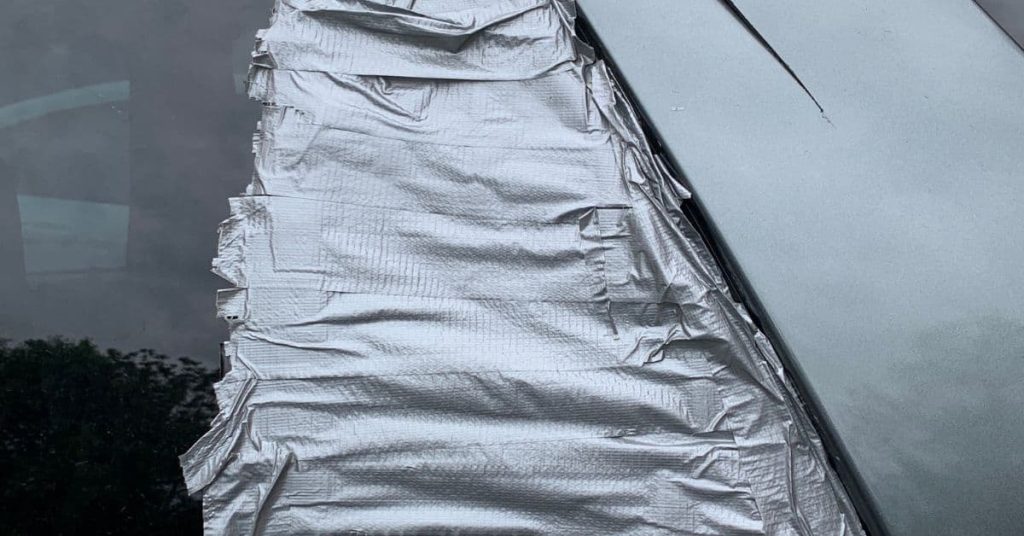
Duct tape residue is the sticky film left behind when tape is removed. It sticks to many surfaces and can attract dust and dirt over time. The approach to cleanup can vary with the surface, so test a small area first before committing to a method.
To remove residue, start with gentler methods like warm soapy water and a plastic scraper. If needed, try a mild solvent or a purpose-made adhesive remover, and always follow the product label and test an inconspicuous spot. To prevent residue in the future, use clean surfaces, apply tape smoothly, and consider using a less aggressive tape on delicate finishes.
Key takeaways
- Know why tape leaves residue due to adhesive and substrate interactions; remove before paint.
- Test a small hidden area to classify residue before full removal.
- Use gentle solvents sparingly to avoid surface damage; start with soap.
- Gather tools: plastic scraper, microfiber cloth, and compatible adhesive remover per label.
- Ventilate area and wear gloves to minimize fumes and skin contact.
- Prevention: apply tape on clean, dry surfaces and remove promptly after use.
- If residue stubborn or delicate surface, call a professional for guidance.
Table of Contents
- Introduction
- Key takeaways
- Why Duct Tape Residue Forms
- How to Identify and Classify Residue
- Tools and Materials Checklist
- Step-by-Step Removal Methods (Gentle to Strong)
- Surface-Specific Removal Guidance
- Safety, Ventilation, and Environmental Considerations
- Prevention and Best-Practice Strategies
- Troubleshooting and When to Call a Professional
- Conclusion
- FAQ
Why Duct Tape Residue Forms
Duct tape leaves residue mainly from the adhesive itself and how long the tape stays in place. The sticky layer can break down differently depending on temperature, humidity, and surface cleanliness. Environmental factors trick the adhesive into transferring or smearing more than expected.
As conditions change, the tack can increase or decrease, which affects how much residue sticks to the surface. Longer dwell times and varying surface textures encourage transfer and residue buildup. Understanding these basics helps you anticipate harder cleanups later.
Adhesive chemistry basics
The adhesive in duct tape is what leaves behind that pesky residue. Most tapes use one of two types: rubber-based or acrylic.
Rubber-based adhesives are strong and flexible, but they can leave more residue because they’re designed to stick to a wide range of surfaces. Acrylic adhesives, on the other hand, are less likely to leave residue but might not be as strong.
The tackifier in the adhesive is what makes it sticky. Some tapes have more tackifier than others, which can lead to more residue. The backing material also plays a role – thinner backings allow more adhesive to seep through and stick to surfaces.
Key factors that increase residue
Residue isn’t inevitable, but certain conditions can make it worse. Heat is one culprit – it softens the adhesive and makes it stickier.
Sunlight also plays a role. UV rays can break down the adhesive’s bonds over time, causing it to transfer more easily onto surfaces.
Pressure can increase residue too. The longer you leave tape on a surface, or the harder you press it down, the more adhesive can seep into the material and stick.
Some surfaces are just more susceptible to residue than others. Porous materials like wood or sensitive surfaces like painted walls can absorb more adhesive, making removal tougher.
How to Identify and Classify Residue
Residue comes in several forms: sticky, gummy, oily, or discolored. Each type behaves differently when you attempt removal. Look for gloss change, texture, and how easily it lifts from the surface.
Bond strength matters too. Some residue peels away with light pressure, while others require more effort or heat. A quick test on a hidden area can tell you how aggressive you’ll need to be later.
Step-by-Step Process
Follow this clear, numbered sequence to identify and classify duct tape residue effectively.
- Prepare your workspace: Clear the area, ensure good lighting, and wear gloves for protection.
- Inspect the surface: Look at the residue’s appearance, texture, and how firmly it’s bonded. Take notes or photos for reference.
- Test a small area: Gently scrape or rub a tiny part of the residue to check its tackiness and removal difficulty.
- Classify the residue: Based on your observations, categorize the residue as sticky, gummy, oily, or discolored. Note any surface damage or vulnerability.
- Clean up: Wipe off any residue from tools and hands using a damp cloth. Inspect the area one last time to ensure you’ve gathered all necessary information.
Visual and Tactile Clues
The color, texture, and tackiness of duct tape residue offer valuable insights into its composition and removal difficulty.
Color: Brown or yellowish residue might indicate age or contamination. Darker colors could suggest oil-based adhesives, making removal harder.
Texture: Gummy or stringy residue suggests a more aggressive adhesive that’s tough to remove. Smooth, shiny residue may come off easier but can still damage surfaces if not handled properly.
Tackiness: Sticky residue is simpler to remove than gummy or oily ones. However, it might leave behind a strong adhesive bond that requires more effort to break.
Surface Sensitivity Checklist
Use this quick mental checklist before attempting residue removal to protect your surfaces.
- Painted or finished surfaces: Check for any chipping, peeling, or weak spots. Residue removal could exacerbate these issues if not done carefully.
- Porous materials (wood, concrete): Inspect for cracks, holes, or other damage. Removing residue might require extra care to avoid further damage.
- Delicate surfaces (wallpaper, fabric): Be cautious; residue removal could potentially damage these surfaces if not done gently and carefully.
- Outdoor exposure: Check for sun, rain, or other weathering effects that might make residue removal more challenging.
Quick rule: If in doubt about a surface’s vulnerability, err on the side of caution. Consult a professional if needed.
Tools and Materials Checklist
Gather everyday items like soft rags, a plastic scraper, and a mild soap solution. Add specialty options such as adhesive removers or solvents if you plan to try them. Have a small, inconspicuous test spot ready before you commit to the whole area.
Check product labels and labels on household products for compatibility with your surface. Read manufacturer instructions or data sheets to confirm safe use and disposal. Keep a waste container handy for used wipes and residue.
Everyday household items to try first
Before reaching for harsh chemicals, try these gentle options. They’re safe for most surfaces and won’t cause damage if used correctly.
- Warm soapy water: Safe for most surfaces. Test an inconspicuous spot first to ensure no discoloration or damage.
- Cooking oil (vegetable, olive): Can help break down adhesive residue. Avoid on porous surfaces like wood or unsealed concrete.
- White vinegar: A mild acid that can dissolve residue. Not suitable for marble or other sensitive surfaces.
- Soft cloths (microfiber, cotton): Gentle on surfaces. Avoid abrasive materials like steel wool.
- Plastic putty knife: Gently scrapes residue without damaging surfaces.
- Rubber gloves: Protects hands from residue and cleaning solutions.
- Toothbrush or soft-bristle brush: Helps scrub residue in tight spaces. Avoid stiff bristles that can scratch surfaces.
- Plastic scraper (if residue is thick): Can help remove large chunks of residue. Be careful not to gouge the surface.
Quick rule: Always test these solutions on an inconspicuous area first to ensure they won’t damage your specific surface.
Specialty solvents and tools
When everyday items aren’t cutting it, consider these stronger options. Always check labels and test on an inconspicuous spot first to ensure compatibility with your surface.
- Rubbing alcohol (isopropyl alcohol): Effective on most surfaces but can discolor some plastics. Test first.
- Citrus-based removers: Natural and biodegradable, but may contain harsh chemicals like terpenes that can damage certain surfaces.
- Commercial adhesive removers (like Goo Gone): Stronger than household items. Safe for most surfaces, but test first to avoid damaging or discoloring.
- Mineral spirits: Effective on tough residue. Can be harsh on certain surfaces and may require ventilation.
- Plastic scraper (for thick residue): Can help remove large chunks of residue. Be careful not to gouge the surface.
- Microfiber cloths: Gentle yet effective for scrubbing and wiping. Avoid abrasive materials like steel wool.
- Heat gun (for stubborn residue): Can soften adhesive for easier removal. Be careful not to overheat or burn the surface.
- Plastic putty knife: Gently scrapes residue without damaging surfaces. Use with care on delicate materials.
Quick rule: Always read and follow product labels, and test solvents on an inconspicuous area before using them extensively.
Step-by-Step Removal Methods (Gentle to Strong)
Start with the gentlest approach: warm water with a mild soap and a soft cloth or plastic scraper. Work in small sections and avoid scrubbing aggressively. If the residue lifts cleanly, you’re done for that area.
If needed, progress to lighter solvents or adhesive removers following label directions. If stubborn residue remains, test a small area again and consider mechanical methods with care to protect the substrate. Stop if you see surface damage or discoloration.
Step-by-Step Cleaning Process
Follow these steps to safely and effectively remove duct tape residue from your surfaces.
- Prepare the area: Clear away any debris, and cover adjacent areas with drop cloths to protect them from cleaning solutions.
- Safety first: Put on gloves and eye protection. If using harsh chemicals, consider a respirator as well.
- Main work: Start with gentle methods like soap and oil, then progress to stronger techniques if needed.
- Cleanup: Wipe off residue with a damp cloth after each method, and rinse thoroughly when finished.
- Final check: Inspect the surface for any remaining residue or damage. If necessary, consult a professional.
Gentle methods: soap, oil, and mechanical lift
Begin by wetting the residue with warm water. Apply a mild dish soap, working it in with a soft cloth or sponge.
For stubborn spots, use an oil-based lubricant like mineral oil or baby oil. Let it soak for 15-20 minutes before gently scraping with a non-metal tool like a plastic scraper or credit card.
Be patient. Work slowly and carefully to avoid damaging the surface.
Solvent methods and safe application
Before applying solvents, test them on a small, hidden area first. If no adverse reaction occurs within 24 hours, proceed.
Apply the solvent to a cloth, not directly onto the surface. Gently rub the residue in circular motions. Wipe off with a clean, damp cloth.
Never mix solvents. Always follow manufacturer’s instructions for neutralizing and cleaning up after treatment.
Heat and mechanical techniques
Use a hairdryer on low heat to soften the adhesive. Hold it at least 6 inches away from the surface, moving slowly to avoid overheating.
Once softened, use a plastic scraper or putty knife to gently scrape off the residue. Work in small sections, applying heat as needed.
Be cautious. Too much heat can damage surfaces, and sharp tools can scratch them. If you’re unsure, consult a professional.
Surface-Specific Removal Guidance
Wood and painted surfaces require gentler methods to avoid dulling or lifting finish. Metal surfaces can tolerate light solvents but check for staining or corrosion risk. Plastic and vinyl may react to certain chemicals, so test first.
For each group, prefer non-abrasive approaches initially and reserve stronger options for spot treatment. Avoid aggressive scrubbing and harsh solvents on delicate finishes. Tailor your method to the surface behavior observed in tests.
Painted and sealed surfaces
When dealing with painted or sealed surfaces, your main goal is to remove the residue without damaging the finish. Abrasion should be kept to a minimum.
Start by spot-testing any solvents you plan to use in an inconspicuous area. This helps ensure they won’t damage the paint or sealant. Prioritize gentle solvents or adhesive removers formulated for painted finishes.
Never use harsh chemicals like acetone or nail polish remover on painted surfaces, as they can strip the paint and leave you with a bigger mess to clean up.
Porous materials (wood, drywall, fabric)
Porous materials like wood, drywall, and fabric can absorb liquids, making residue removal a bit trickier. The material’s porous nature affects how the residue behaves and what methods work best.
- Wood: Use solvents designed for wood finishes. Look for ones that evaporate quickly to prevent excessive absorption into the wood. Avoid water-based solvents as they can cause swelling or warping.
- Drywall: Spot test any solvent on a small, hidden area first. Some solvents can damage drywall paper. Use a damp cloth to blot the residue, then apply a small amount of solvent directly onto a cotton swab or soft brush.
- Fabric: Blot the residue with a clean, dry cloth to remove as much excess as possible. Apply a small amount of solvent directly onto a cotton swab or soft brush, working from the center outwards. Be cautious not to over-saturate the fabric.
Non-porous surfaces (glass, metal, plastic, electronics)
Non-porous surfaces like glass, metal, and plastic are generally easier to clean as they don’t absorb liquids. However, certain precautions should be taken.
For glass, use ammonia-based or vinegar-based cleaners. Avoid abrasive materials that could scratch the surface. For metal, mild soap and water can often do the trick. If more power is needed, use a specialized metal cleaner designed for the specific type of metal.
With plastics and electronics, caution is key. Some plastics can be damaged by certain solvents, so always spot test first. For electronics, unplug and power down devices before cleaning to prevent electrical shorts. Use a soft cloth dampened with isopropyl alcohol or specialized electronic cleaner to remove residue.
Safety, Ventilation, and Environmental Considerations
Wear eye protection and gloves when using solvents or cleaners. Ensure good ventilation in the work area to avoid fumes. Keep children and pets away from the work zone during the cleanup.
Dispose of used rags and containers according to local rules and avoid pouring solvents down drains. Look for low-odor or water-based options when possible to minimize environmental impact. Always read disposal guidance on product labels.
Personal protective measures
When dealing with duct tape residue and solvents, safety should be your top priority. Start by wearing a good pair of gloves to protect your hands from harsh chemicals.
Eye protection is also crucial. Safety glasses or goggles will shield your eyes from any splashes or debris.
Avoid direct skin contact with stronger solvents like Goo Gone or citrus-based cleaners. If you do get some on your skin, rinse it off immediately with plenty of water.
Ventilation, disposal, and eco-friendly choices
Proper ventilation is key when using solvents. Open windows or use a fan to ensure fresh air circulation. This will help prevent the buildup of harmful fumes.
Never dispose of contaminated rags in your regular trash. They can cause fires if not handled properly. Instead, take them to a hazardous waste facility for safe disposal.
Consider using greener remover options like citrus-based products or even white vinegar. These are less harsh on the environment and still effective at removing duct tape residue.
Prevention and Best-Practice Strategies
Select tapes with appropriate adhesion for the job and surface. Apply tape with clean, dry surfaces and avoid stretching it during placement. Use edge sealing to reduce lift and transfer.
Protect unfinished areas with temporary coverings when doing other work nearby. Remove tape within a recommended window to minimize residue transfer, and test a small area if you’re unsure how the surface will react.
Choosing the right tape for the job
The first step to preventing duct tape residue is selecting the right tape. Not all tapes are created equal, especially when it comes to their adhesive backs.
Go for low-residue or removable-friendly tapes whenever possible. These are designed with adhesives that leave less behind when removed. They’re usually marked as ‘removable’ on the packaging.
Avoid tapes with aggressive, heavy-duty adhesives if you can. These are great for holding things together but can leave stubborn residue behind.
Application and removal best practices
Proper application is key to minimizing residue. Press the tape firmly onto the surface, using even pressure along its entire length. This helps create a strong bond that’s less likely to leave residue when removed.
Remove the tape sooner rather than later. The longer it stays on, the more the adhesive can bond with the surface, making removal tougher and leaving more residue behind.
When removing, pull the tape off at a sharp angle, using a smooth, steady motion. Don’t peel it off slowly or at a low angle; this can stretch the adhesive and make it harder to remove.
Protective barriers and labeling
When you need tape to stick for an extended period, use protective barriers. These can be release films, painter’s tape, or clear barrier coatings. They create a layer between the tape and the surface, preventing direct contact and reducing residue.
If you’re using long-term adhesion, label your surfaces. Write the date when you applied the tape so you know exactly how long it’s been there. This helps you keep track of dwell time and remove the tape before it becomes too stubborn.
Masking layers can also help. Use painter’s tape to create a barrier around the area you’re taping, then apply your duct tape over this layer. When you remove the duct tape, the painter’s tape comes off with it, taking most of the residue with it.
Troubleshooting and When to Call a Professional
When residue is stubborn or causing surface damage, reassess the method and consider a fresh approach. If the substrate shows bubbling, discoloration, or finish lifting, pause and re-evaluate. Heavy or uncertain cases may require a professional assessment.
If DIY methods could risk structural or cosmetic damage, seek expert help sooner rather than later. A pro can advise on safer strategies, alternative products, or specialized removal techniques for delicate surfaces.
Common problems and DIY fixes
Duct tape residue can cause a few common issues. Don’t worry, most can be fixed at home.
Staining: If duct tape leaves stains, try using a mixture of warm water and mild dish soap to clean the area. For tougher stains, you might need a stronger cleaner like rubbing alcohol or white vinegar.
Finish lifting: If the residue is lifting your paint or varnish, act fast. Gently scrape off what you can with a plastic scraper, then use a suitable solvent to remove any remaining adhesive. Be careful not to damage the surface further.
Adhesive re-smearing: If you’re spreading the residue around while trying to remove it, stop! You might be making it worse. Try using a hairdryer on low heat to soften the adhesive before gently scraping it off.
Signs you should seek professional help
While duct tape residue can usually be handled at home, there are times when it’s best to call in a pro.
Extensive finish damage: If the residue has caused significant damage to your surface – like large chips or deep scratches – it might be time to bring in a restoration expert. They have the tools and knowledge to repair serious damage.
Large porous-area contamination: If you’re dealing with a large area of porous material (like drywall or fabric) contaminated with duct tape residue, consider hiring a professional. They can assess the damage and use specialized techniques to remove the residue without causing further harm.
Valuable/antique items: If the item with duct tape residue is valuable or antique, do not attempt to remove the residue yourself. Hire a conservator or restoration pro. They’re trained to handle delicate and valuable items safely.
Conclusion
Getting rid of duct tape residue without harming the surface protects safety, appearance, and long-term durability. Do the right steps now and you’ll avoid costly fixes later.
Identify the type of residue, choose the gentlest method that fits the surface, test a small area first, apply the method and wipe clean, reapply if needed, rinse and dry, and keep the work area well ventilated with proper protection.
Common mistakes to avoid: rushing removal on delicate finishes, using harsh solvents or scraping forces that gouge the surface, and skipping a test spot or ventilation. Follow safety rules: wear eye and skin protection, work in a well-ventilated area, and never treat a large area without confirming the method on a hidden spot first. If something doesn’t feel right, pause and reassess.
If the job is big, involves porous or restored surfaces, electronics, or high-value materials, or you notice damage, bubbling, or adhesive seeping into joints, call a professional rather than pushing ahead. Stay focused, work carefully, and you’ll finish cleanly and safely. test a small area, ventilate and wear protection, and when in doubt, call a pro.
FAQ
What factors affect whether duct tape leaves residue on a surface?
Surface finish, age, and exposure to heat all play a role. Porous or rough surfaces tend to hold more adhesive. Damaged coatings can make residue worse.
How can I test a surface for safe residue removal without causing damage?
Do a small patch test in an inconspicuous spot. Let the remover sit as directed, then wipe with a clean cloth. If there’s any color transfer or gloss change, stop and reassess.
What are safe, DIY steps to remove duct tape residue from painted surfaces?
Gently peel the tape, then use a mild adhesive remover or soapy water on a cloth. Wipe in one direction and dry with a clean rag. Avoid harsh scrubbing that could lift the paint.
How can I prevent duct tape residue on future projects?
Use painter’s tape for clean edges and remove it before it dries fully. If you must use duct tape, apply it only to noncritical areas and label surfaces so you remember to remove promptly. Store tape away from heat and sunlight to keep adhesive stable.