
Plaster Guides: Start Here
This hub collects plastering guides for getting smooth, durable walls—prep, bonding, base coats, finish coats, patching, and common fixes.
Plaster work rewards patience. The two biggest keys are surface prep and timing between coats. Start with those before you chase “perfect finish.”
Start here
Diagnose first (so you don’t patch over failure)
- Plaster keys 101: tell if plaster detached from lath
- Lime plaster vs gypsum plaster: simple DIY tests
Stabilize & bond (make the wall solid again)
- Loose plaster repair with washers: spacing, drilling, finishing
- Plaster bonding agents: coverage, tack time, common mistakes
Cracks (fix movement before you “fill the line”)
- Plaster crack repair that lasts: stabilize movement first
- Hairline plaster cracks: when to fill vs reinforce
Skim & finish (timing and technique)
- Skim coating old plaster: avoid bubbles, drag marks, ridges
- Create a smooth plaster finish: pressure and timing basics
- Plaster sanding mistakes: when sanding ruins the finish
- Match old plaster texture: brushing, sponging, feathering tricks
Drying, priming & paint prep (avoid paint failure)
- Plaster drying vs curing: why waiting longer prevents paint failure
- Prime dusty plaster: stop chalk and make paint bond
Latest plaster posts
Common rookie plaster mistakes: overwatering, overworking, and chasing perfection too soon
Introduction Rookie plaster mistakes are doing too much water, overworking the mix, and chasing a perfect finish before it’s ready. These habits can cause cracks, shrinkage, and a surface that won’t hold paint. Take a steady, practical approach: mix only what you need, apply in damp coats, and let each layer set. During a shifting project climate, many DIYers faced longer gaps and changing schedules. If you’re working with others,…
Blending sheen on polished plaster finishes: spot repair vs full-wall rework
Introduction Spot repair and full-wall rework are two approaches to restore or adjust sheen on polished plaster finishes. This article compares when to use each method and what you should expect in terms of result and effort. It keeps the focus practical, with plain-language guidance you can follow on a real job. Polished plaster has a soft, luminous look that can be altered by light scratches, dull patches, or uneven…
Mixing small plaster batches: setting time control without weakening the finish
Introduction Setting time control for small plaster batches means managing how fast plaster hardens without compromising surface quality. Keep an eye on temperature and humidity, since they influence cure speed and finish. Use small, workable batches and follow the manufacturer’s guidance for mixing and setting, then adjust for environmental conditions in your space. If you need to slow the set, consider safe options and check product instructions or local rules…
Best trowel angles for beginner plasterers: avoiding gouges and lap marks
Introduction The best trowel angles for beginner plasterers are the angles that keep the blade nearly flat against the surface to reduce gouges. Maintain a steady, light pressure and smooth motion to minimize digging into the plaster. Start with small, even passes and check your work as you go. Different trowel types and edge shapes affect finish quality, so choose a blade you can control with confidence and use the…

Adding insulation behind plaster: approaches that don’t destroy historic trim
Introduction Adding insulation behind plaster is placing insulation in the wall cavity behind the plaster to improve warmth while preserving historic trim. It aims to balance preservation with better energy use using approaches that keep trim intact. You’ll work with methods that minimize damage to plaster surfaces and trim during installation. Common options for historic homes include insulation materials that can fit behind or around the plaster without removing plaster…

Wallpaper on plaster: sizing, repair prep, and avoiding bubbles on uneven walls
Wallpaper application on plaster walls requires proper surface preparation for even adhesion and a smooth finish. Focus on inspecting, repairing, and preparing the wall surface before applying wallpaper. This ensures minimal bubbles and a professional look, especially on uneven plaster. Begin by examining your plaster walls for cracks or loose patches. Repair these areas as necessary. Next, apply a compatible sizing or primer according to manufacturer instructions. Work in sections…

Painting over fresh plaster repairs: timing, pH issues, and primer selection
Introduction Painting Over Fresh Plaster Repairs Painting over fresh plaster involves applying paint to repaired plaster surfaces once they have cured sufficiently. This guide covers when to start painting after plaster repairs and what to check beforehand. Timing: Allow the plaster to cure according to its type and room conditions. Paint only when the surface feels firm to the touch. pH Considerations: Fresh plaster can be alkaline, so select a…
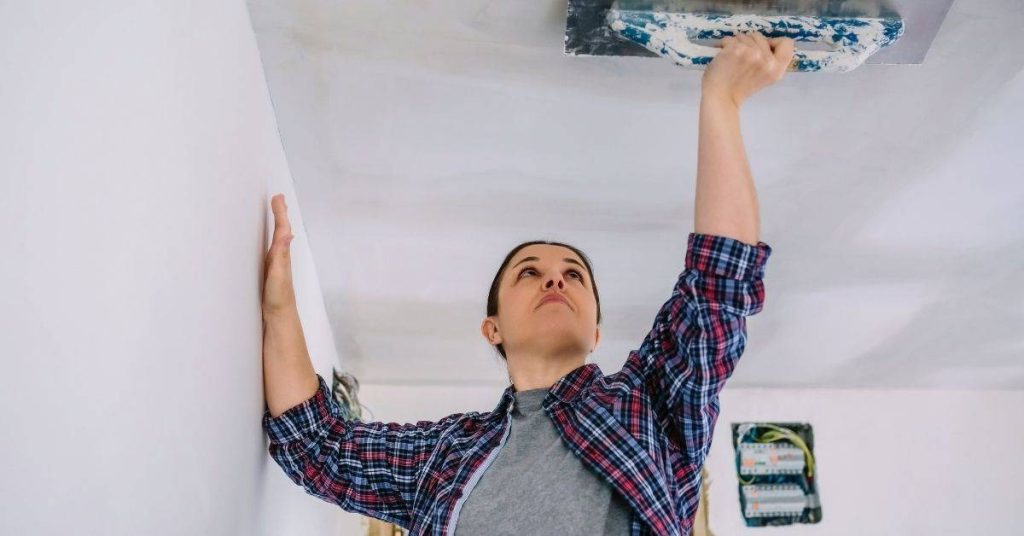
Repairing plaster coves and cornices: simple molds and patch materials
Introduction Repairing plaster coves and cornices means restoring damaged decorative plaster trims by patching and reshaping them to match the original profile. It’s a hands-on DIY task that starts with careful assessment, clean work areas, and choosing the right patch materials. Take your time to match texture and edge lines before the material sets. Plan small repairs first and test the patch material on a hidden area to see if…
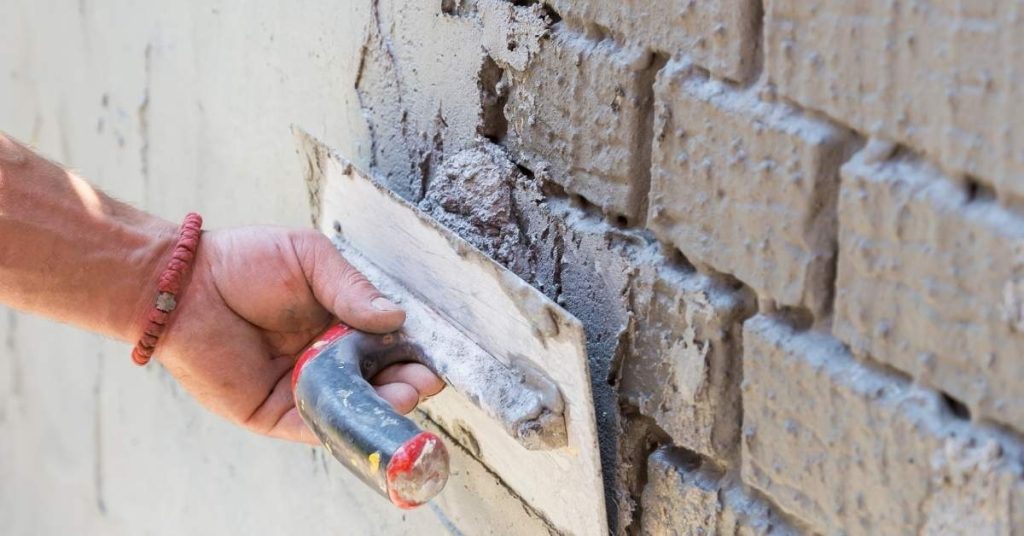
Cracks along baseboards in plaster walls: seasonal movement fixes and caulk choices
Introduction Cracks along baseboards in plaster walls are gaps that form where the wall shifts with seasons. These gaps are common where plaster settles or expands and contracts with humidity. Addressing them requires understanding movement and choosing a breathable sealant. Causes include seasonal movement of the plaster, framing, and humidity changes. For sealing, choose caulk types appropriate for plaster and trim and follow manufacturer instructions for cure time and paint…

Plaster soundproofing myths: what actually reduces noise without adding mass
Introduction Sound reduction without extra mass means using absorption and proper detailing to limit noise transmission through plaster walls. Many DIY myths promise big gains from extra plaster thickness, but real gains come from targeted materials and sealing. This article compares sound absorption vs soundproofing and suggests practical, budget-conscious approaches. Sound absorption buffers noise inside a wall cavity, while soundproofing aims to reduce what leaks through. Materials like mineral wool…