

Introduction
Painting pool decks means choosing a coating that resists slipping, stands up to chlorine and pool chemicals, and stays cooler underfoot; it’s a practical surface upgrade, not a decorative paint job. Think about slip additives, chemical resistance, and reflective or “cool” coatings when you pick products, and always check the label and manufacturer instructions for compatibility with concrete and pools.
As a DIY job, plan for surface prep, proper application conditions, and safe curing time so the finish performs well and lasts. If you’re unsure about a product’s chlorine resistance or temperature performance, check the technical data sheet or ask the manufacturer before you buy.
Key takeaways
- Assess substrate condition and moisture levels before selecting a pool deck coating.
- Choose a breathable, slip-resistant finish compatible with chlorine and sun exposure.
- Prepare surface thoroughly: remove oils, clean, repair cracks, and dry completely.
- Follow manufacturer instructions for temperature, drying, cure times; wear PPE and ventilate.
- Perform a slip-test and apply proper additives or texture to enhance grip.
- Budget for maintenance, recoats, and potential warranties; document permits and approvals.
Table of Contents
- Introduction
- Key takeaways
- Why Paint a Pool Deck — Goals and Decision Factors
- Coating Types and Cool-Deck-Style Options Explained
- Slip Resistance — Standards, Additives, and Testing
- Chlorine and Chemical Durability — Compatibility and Protection
- Surface Preparation and Repairs — Step-by-Step and Tools Checklist
- Application Process, Environmental Controls, and Finish Choices
- Maintenance, Cleaning, Recoat and Longevity Best Practices
- DIY Vs Professional Installation, Cost Factors, Permits and Warranties
- Conclusion
- FAQ
Why Paint a Pool Deck — Goals and Decision Factors
Owners paint pool decks for several practical reasons: to improve safety with slip-modified surfaces, freshen the look, reduce surface heat, and protect the slab from wear and water staining.
Which goal is most important—safety, appearance, cooling, or durability—steers your choice of product and how much prep and repair work is required; check product data sheets and manufacturer instructions to confirm a coating meets your primary objectives and substrate condition requirements.
When painting is a good choice vs resurfacing or replacement
Painting your pool deck can be a quick and affordable fix, but it’s not always the best solution. Here’s when to consider painting over resurfacing or replacement:
Minor cracks and discoloration: If your concrete has minor hairline cracks or is just looking dull, painting might be all you need. It can hide these imperfections and give your deck a fresh look.
However, if you’ve got major cracks, delamination, or structural issues, painting won’t solve the problem. Here’s why:
Cracks wider than 1/8″ or areas where the concrete is peeling off (delamination) need more than just paint. These are signs of underlying problems like poor base compaction or moisture issues. Painting over these won’t fix the cause, and the problem will likely return.
Structural issues, like settling or movement, also require professional attention. Painting won’t make your deck safe again if it’s structurally unsound. Always check with a pro before proceeding with any major repairs or painting.
Matching goals to expected performance
When choosing a coating system for your pool deck, you’ve got four main goals. Let’s prioritize ’em and match ’em with what you can expect from different paint types.
Slip resistance should be top priority, especially if you’ve got kids or elderly folks using the pool. Check product labels for slip ratings. Look for additives like silica sand or aluminum oxide in the mix. But remember, no paint’s perfect; always keep your deck clean and dry.
Chemical resistance is a must with all those pool chemicals floating around. Most acrylic paints and epoxy coatings should do the trick. Check manufacturer instructions to be sure. And for Pete’s sake, don’t use oil-based paints; they’ll break down quicker than a cheap suit at a wedding.
Heat reflection is important in hot climates. Lighter colors reflect heat better than darker ones. But don’t go too light or you’ll be squinting like a mole trying to find his way home. And check local rules; some places have color restrictions for energy efficiency.
Appearance is the cherry on top. You want something that looks good and lasts. Check reviews, look at samples under different lighting, and don’t be afraid to ask for second opinions. But remember, you’re painting a pool deck, not the Sistine Chapel. Don’t overthink it.
Coating Types and Cool-Deck-Style Options Explained
Common coating families include acrylic surface paints, epoxy or polyurethane systems, cementitious overlays, and proprietary “Cool-Deck” or reflective resurfacing products, each with typical use-cases and limitations tied to flexibility, UV stability, and adhesion.
Compatibility between the coating and the existing substrate (concrete, broom finish, paver, or old coating) is critical—verify adhesion and surface-prep guidelines on the product label or technical bulletin before committing to a system.
Acrylic and Elastomeric Deck Paints
Acrylic paints are a popular choice for pool decks due to their ease of application, affordability, and wide range of colors. They’re water-based, making them low in VOCs and easy to clean up.
Breathability is key with acrylic paints. They allow moisture to escape, reducing the risk of peeling or bubbling. However, they may not be as durable or UV-resistant as other options, so expect to recoat every few years.
Elastomeric paints are a type of acrylic paint with added elastomers for increased flexibility and durability. They’re great for filling small cracks and providing a tough, long-lasting finish. But they can be more expensive than standard acrylics.
Epoxy, Polyurethane, and Hybrid Systems
For high-traffic areas or where extra durability is needed, consider epoxy, polyurethane, or hybrid systems. These are two-part products that cure to form a hard, long-lasting surface.
Adhesion is excellent with these systems. They bond well to concrete and can be used to repair damaged decks before painting. However, they require careful surface preparation and proper ventilation during application due to their high VOC content.
While these systems offer superior durability, they can be slippery when wet. It’s crucial to choose a product with built-in traction or add non-slip aggregates during application. Also, expect a higher upfront cost compared to acrylics.
Cool-Deck and Cementitious Resurfacing Products
Cool-Deck systems are proprietary textured cement overlays designed to reduce heat buildup on pool decks. They work by creating a porous, textured surface that reflects heat and allows moisture to evaporate quickly.
These systems provide excellent traction, making them ideal for areas where slip resistance is crucial. They also come in various colors and textures, allowing you to customize your deck’s look. However, they can be more expensive than other options and may require professional installation.
Before choosing a Cool-Deck system, check the manufacturer’s recommendations for surface preparation and compatibility with your existing deck. Also, consider the long-term maintenance required to keep the textured surface clean and functional.
Slip Resistance — Standards, Additives, and Testing
Slip resistance is about wet traction and how a surface interacts with shoes and bare feet; manufacturers often reference test methods or values you should ask for when safety is a priority.
There are additives (aggregate broadcasts, non-slip additives) and test data to compare—request third-party test results or manufacturer-supplied test method references and consider application rate and maintenance needs when choosing an anti-slip approach.
Industry tests and what to ask manufacturers
When choosing a pool deck paint, it’s crucial to understand the slip resistance standards. Don’t rely solely on manufacturer claims. Ask for test data.
Two common tests are:
- Wet traction tests: These mimic real-world conditions. Look for results showing good grip under wet feet.
- Pendulum tests: This measures slip resistance on a scale of 0-135. Aim for results above 40 for pool decks.
Verify certifications like NSF/ANSI 56 (for swimming pools) and ask for third-party test reports to ensure you’re getting what you pay for.
Anti-slip additive options and blending guidance
To boost slip resistance, anti-slip media is added to paints. Here are your options:
- Silica sand: Inexpensive, but can wear out quickly under heavy traffic.
- Aluminum oxide: More durable and harder than silica, it’s a good choice for high-traffic areas.
- Polymer beads: These provide a consistent texture and are often used in cool-deck systems. They’re more expensive but last longer.
Blending tips: Follow manufacturer guidelines for mixing ratios. Consistency is key – mix well, and check for even distribution before application.
Visual and tactile checkpoints during application
Check your work throughout the application process to ensure a safe, non-slip finish:
- Even coverage: Inspect for any missed spots or thin areas that could become slippery.
- Texture depth: Feel the texture with your hand. It should be consistent and provide good grip.
- Avoid trip hazards: Ensure no sharp edges or high points that could cause trips.
- Dry time: Check if the paint is dry before walking on it to avoid damaging the finish.
Quick rule: If it feels smooth, it’s too slippery. Recheck your mix and application process.
Chlorine and Chemical Durability — Compatibility and Protection
Pool chemicals, notably free chlorine and pH swings, can attack binders, fade pigments, and break down surface films; chemical resistance describes how well a coating resists those effects in real use.
Look for product information on chemical resistance and recommended chemistries (for example, certain urethanes or cementitious formulas) and confirm details on the label or technical data sheet to match expected pool water conditions.
Typical chemical attack mechanisms and signs of failure
Chlorine, the most common pool sanitizer, can degrade coatings over time. It’s not just about high concentrations; pH fluctuations also play a role.
Discoloration, chalking, peeling, or softening are signs of failure. Discoloration might start as greenish or brownish hues. Chalking feels like fine dust on the surface.
Softening makes the paint feel gummy or sticky. Peeling starts at edges and corners, often lifting in large sheets if not addressed early.
How to verify a product’s chlorine resistance
Don’t rely on labels alone. Ask manufacturers for accelerated aging or splash/scrub resistance data. These tests simulate long-term exposure.
Perform your own patch test. Apply the paint to a small, hidden area of your deck. Spray it with chlorine solution daily. Check for signs of failure after a week.
If results are promising but you’re still unsure, consult with a professional or contact the manufacturer’s tech support.
Finish selection to resist stains and UV
Choose paints with UV-stable topcoats. These protect against sun damage, which can cause fading and chalking.
Opt for finishes formulated to resist stains. This is crucial in pool areas where spills and splashes are common. Stain-resistant paints have better chemical resistance too.
Consider using a sealer or clear coat over your paint. This adds an extra layer of protection against both UV rays and chemicals.
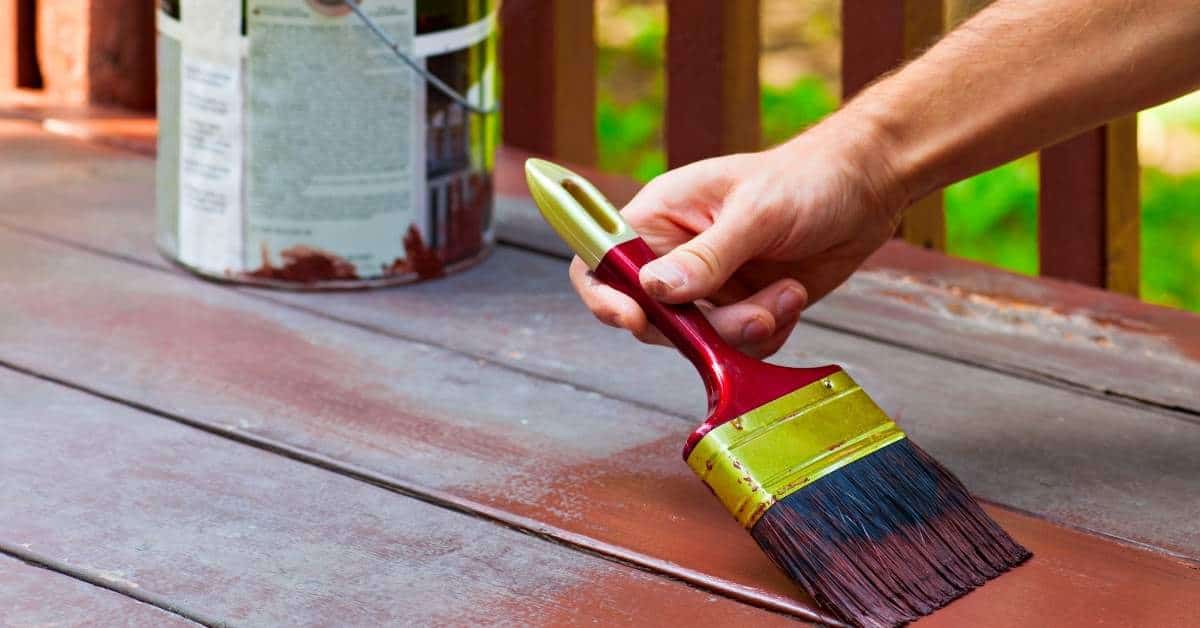
Surface Preparation and Repairs — Step-by-Step and Tools Checklist
Effective prep follows an ordered workflow: remove contaminants, degrease, establish the required profile with acid etch or mechanical abrasion, then repair cracks, spalls, and delamination before coating.
For DIYers and pros, assemble a checklist of cleaners, acids or grinders, patch materials, primers, rollers, brushes, and safety gear; remember that the quality of prep typically determines the long-term success of the coating system.
Step-by-Step Repair Process
Before you start painting, follow this step-by-step process to ensure your pool deck is in top shape.
- Safety first: Wear PPE and clear the area. Remove any debris or obstacles.
- Inspect the surface: Check for cracks, spalls, and delaminated areas. Note them down for repair.
- Clean the deck: Use a pressure washer to remove dirt, mold, and mildew. Let it dry.
- Degrease (if needed): If the deck has oil or grease stains, use a degreaser. Rinse and let it dry.
- Acid etch (or mechanically profile): For smooth surfaces, acid etching is best. For broom-finish, mechanical profiling may be needed. Follow manufacturer’s instructions.
- Repair cracks/spalls: Fill small cracks with a suitable patching compound. For larger spalls, use a concrete repair mortar.
- Level and smooth: Ensure all repairs are level and smooth with the surrounding surface.
- Final check: Inspect the entire deck for any missed spots or incomplete repairs.
Quick rule: Quality prep ensures coating success. Don’t rush through these steps.
Tools and materials checklist
Gather these essential tools and materials before you start your pool deck painting project.
- Pressure washer: To clean the deck thoroughly. Choose one with at least 1,200 PSI.
- Grinders/shot blaster or etcher: For mechanical profiling or acid etching. Rent if needed.
- Patching compounds: For filling cracks and spalls. Choose a fast-setting, concrete-based compound.
- Brushes/rollers: For applying paint. Use high-quality brushes for edges, and rollers for larger areas.
- Paint trays and liners: To hold and apply the paint.
- Safety gear (PPE): Includes safety glasses, gloves, ear protection, and work boots.
- Tape measure: For measuring areas to be repaired or painted.
- Chalk line: To mark out repair areas or paint lines.
Quick rule: Having the right tools and materials ensures a smooth, efficient job.
Repairing cracks, spalls, and delaminated areas
Before painting, repair any cracks, spalls, or delaminated areas on your pool deck.
- Small cracks (less than 1/4 inch): Use a concrete crack filler. Apply with a putty knife, let it dry, then sand smooth.
- Larger spalls: Remove loose material, clean the area, and fill with a concrete repair mortar. Level and smooth.
- Delaminated areas: If the concrete is peeling or flaking, it may be beyond simple repair. Consult a professional.
- Deep cracks (over 1/4 inch): These may need structural repair. Consult a professional before proceeding.
Quick rule: If in doubt about the extent of damage, consult a pro to avoid costly mistakes.
Preparing different substrates (broom-finish, smooth, previously coated)
Pool decks have varying surfaces. Here’s how to prepare each for painting.
- Broom-finish concrete: Mechanically profile the surface using a shot blaster or grinder. This creates a better bond for paint.
- Smooth concrete: Acid etching is best for smooth surfaces. Follow manufacturer’s instructions carefully.
- Previously coated surfaces: Remove any loose coatings, then test adhesion with a pull-off test. If it passes, lightly sand and clean the surface.
- Existing paint (in good condition): Lightly sand, clean, and prime the surface before painting.
Quick rule: Proper substrate preparation ensures optimal paint adhesion and longevity.
Application Process, Environmental Controls, and Finish Choices
The application phase covers mixing to manufacturer ratios, choosing the right primer, broadcast rates for anti-slip media, and selecting methods such as roller, squeegee, or spray for your system.
Environmental factors—ambient and surface temperature, humidity, and wind—affect pot life, tack time, and curing, so follow product-specific directions for working conditions rather than relying on general rules of thumb.
Mixing, primers, and application techniques
Start by mixing your paint according to the manufacturer’s instructions. Always mix in a well-ventilated area.
Primer: Use when required for better adhesion and to seal porous surfaces. Apply primer with a roller or sprayer, following the same technique as painting.
For consistent texture and coverage, use a roller for large areas, applying paint in ‘W’ or ‘M’ patterns. For edges, use a squeegee. Spraying is faster but requires proper equipment and technique to avoid overspray.
Curing, temperature, and humidity effects
Ambient temperature affects curing time. Warmer temps speed up drying, while cooler temps slow it down. Ideal temp for curing is 70-90°F (21-32°C).
High humidity can cause slower curing and potential issues with adhesion. Delay work if humidity exceeds 85%.
Surface temperature also matters. Don’t apply paint when the surface is hot, as it can cause uneven drying and reduced durability.
Allow adequate curing time before allowing foot traffic or reopening the pool to ensure safe adhesion and prevent damage.
Color, reflectivity, and “cool” options
Lighter colors reflect more sunlight than darker ones, keeping the deck cooler. Consider using light-colored paints to reduce surface temperature.
Cool-Deck-type surfaces and high-albedo coatings use infrared-reflective pigments to further reduce heat gain. These options can lower surface temperatures by up to 30°F (17°C) compared to traditional paints.
However, note that while these “cool” options can help with comfort, they may not significantly impact energy savings on a residential scale due to the relatively small area of pool decks compared to other structures like roofs.
Maintenance, Cleaning, Recoat and Longevity Best Practices
Routine maintenance—gentle cleaning, keeping pool chemistry balanced, and avoiding harsh solvents—extends a coating’s life and preserves slip resistance and appearance.
Inspect regularly and use condition-based criteria to choose spot repairs versus full recoat; request inspection guidance from the manufacturer or installer to know what wear patterns require action.
Routine cleaning and stain removal
Regular cleaning keeps your pool deck looking good and extends the life of your coating. Here’s how to tackle common stains without damaging your finish:
Algae: Use a solution of water and household bleach (1 cup per gallon). Apply, let it sit for 15 minutes, then scrub and rinse.
Sunscreen: A mild detergent like dish soap mixed with warm water should do the trick. Scrub, let it soak for a few minutes, then rinse.
Rust: Use a rust remover or a mixture of lemon juice and salt. Apply, scrub, let it sit briefly, then rinse.
Spot repair and touch-up procedures
Before you recoat your entire pool deck, try these spot repairs to save time and money:
First, prepare the area: clean it, sand any rough spots with fine-grit sandpaper, then wipe off dust.
Next, match the texture. Use a putty knife or trowel to apply a small amount of patching compound. Work it in, feathering the edges so it blends with the surrounding surface.
Before you recoat the entire area, test adhesion: Apply a small amount of your new coating and let it dry. If it peels off easily, you’ll need to strip and fully recoat.
When to strip and fully recoat
Sometimes spot repairs aren’t enough. Here’s when it’s time to strip off the old coating and start fresh:
If your deck has widespread delamination, where large areas of the coating are peeling or lifting, it’s best to remove it all.
Also consider stripping if you see significant cracking. While small cracks can be patched, widespread cracking indicates that the substrate is unstable and needs a fresh start.
Finally, if your deck has lost its non-slip properties, it’s time for a new coating. Slippery surfaces are dangerous and need to be addressed immediately.
DIY Vs Professional Installation, Cost Factors, Permits and Warranties
Deciding between DIY and hiring a pro depends on your experience with surface prep, mixing and application techniques, available time, and access to required equipment; improper application risks early failure.
When hiring, verify contractor qualifications, any permits needed, and warranty coverage details with both the contractor and product manufacturer—check written warranty terms and installer certification statements before work begins.
Cost and time factors to evaluate
When painting your pool deck, several factors influence the cost and timeline. First off, the size of your deck is a biggie – bigger decks take more product and time.
Prep work also adds to the equation. If you’ve got cracks or spalls to repair, that’ll take extra time and materials. Same goes for stripping old coatings.
Your choice of product matters too. High-end cool-deck options will cost more than basic acrylic paints. And if you’re adding anti-slip broadcast, that’s another cost to consider.
To get a solid estimate, check local provider quotes and compare product pricing. Don’t forget to factor in your own labor costs if you’re DIYing.
When to hire a professional
While painting pool decks can be a DIY job, there are times when it’s best to call in the pros. First off, if you’ve got extensive repairs needed – like major cracks or delaminated areas – it’s wise to have an expert handle it.
If your deck is large, consider hiring help too. It’s a lot of work to cover big areas alone. And if you’re planning complex overlays or special effects, pros have the know-how to get it right.
Warranty requirements might also dictate hiring a pro. Some manufacturers insist on certified installers for their warranties to be valid. Always check before you start.
Bottom line? If you’re unsure about any aspect of the job, don’t hesitate to call in a professional. It’s better to spend a bit more and get it done right than risk damaging your deck or voiding warranties.
Permits, warranties, and verification checklist
Before you start painting your pool deck, it’s crucial to ensure everything is in order. This handy checklist will help you confirm local code compliance and protect your investment.
- Check permits: Confirm if you need a permit for the job. Some areas require them for pool deck work.
- Verify insurance: Ask contractors for proof of liability and workers’ comp insurance to protect yourself from any accidents.
- Ask for references: A reputable contractor should have happy customers willing to vouch for their work.
- Confirm installer certification: If warranties require certified installers, make sure your pro is qualified.
- Check warranty scope: Know what’s covered and for how long. Some warranties only cover materials, not labor.
- Verify product certifications: Ensure any special products – like cool-deck coatings or anti-slip treatments – meet local standards and regulations.
- Confirm manufacturer recommendations: Follow the manufacturer’s guidelines for surface prep, application, and curing to maintain warranties.
- Check local codes: Make sure your chosen colors, reflectivity levels, and other factors comply with local pool safety codes.
Quick rule: Always double-check permits, warranties, and certifications before starting any work. It’s a small investment of time that can save you big headaches later on.
Conclusion
Finishing a pool deck with the right paint and finish is about safety, durability, and a look you can trust season after season. Do the prep, follow the mixing and curing rules, and protect people and plants around the pool while it dries.
First, inspect the surface and test a small area, pick a coating that holds up to chlorine and the cool-deck look you want, verify slip resistance with a simple test, repair any cracks or rough spots, mask off nearby surfaces, and then apply in the conditions the product requires. Keep a steady pace, follow cure times and environmental controls, and stay within the product’s recommended limits for temperature, humidity, and recoat windows.
Common mistakes to avoid include skipping proper surface preparation, rushing the coating or skipping steps, and ignoring compatibility with chlorine and cleaners. Don’t mix additives without checking the label, don’t coat over damp or dirty surfaces, and don’t neglect ventilation or safety gear. A simple safety rule: test first, protect yourself and others, and never apply when conditions exceed the product’s limits.
If you hit a section where the surface is uncertain, or if you’re unsure about permits, warranties, or professional options, it makes sense to call in a pro rather than push forward and risk a costly mistake. Stay practical, stay careful, and the deck will look good and hold up longer—you’ve got this.
FAQ
Can I paint a pool deck that’s newly poured or still curing?
Don’t paint until the surface has cured and is dry to the touch. Check the coating label for cure times and local rules. If in doubt, wait longer or test a small area first.
How do I know if I should strip the old coating before painting?
If the old coating is peeling, flaking, or soft, remove it and prep the surface bare or properly primed. If it’s in decent condition, clean and scuff the surface to help the new coat key in. Always follow the product instructions and local requirements for compatibility.
What steps help ensure slip resistance after painting?
Use a non-slip additive or textured finish as directed by the coating you choose. Apply or broadcast according to the product’s instructions and let it cure fully. If you have doubts, test a small area and consult the label or manufacturer guidelines.
Will a chlorine-heavy pool environment affect the paint, and how can I protect it?
Choose a chlorine-resistant coating and follow the manufacturer’s care instructions. Rinse or wipe spills, and avoid harsh scrubbing that can wear the finish. Verify compatibility with chlorine in the product label and local guidance.