

Introduction
Milk paint is a DIY finish you can make at home using simple ingredients and common tools.
The guide walks through mixing the recipe, selecting brushes and finishes, applying the paint, and avoiding the typical mistakes so you can achieve a durable, authentic look.
Key takeaways
- Milk paint relies on casein and lime for a durable natural binder.
- Prepare pigments and binder separately before mixing to ensure even color.
- Use filtered water and gentle stirring to prevent curdling during mixing.
- Test small sample on scrap board to refine consistency and finish expectations.
- Finish with natural wax or acrylic alternatives depending on moisture exposure.
- Store leftover mix in sealed containers away from heat and sunlight.
Table of Contents
- Introduction
- Key takeaways
- What is Milk Paint and Why Use It
- DIY Milk Paint Recipe and Ingredient Guide
- Tools, Materials, and Prep Checklist
- Step-by-Step Mixing and Application Process
- Finishing, Topcoats, and Maintenance
- Common Mistakes, Troubleshooting, and How to Fix Them
- Project Planning, Cost, Storage, and Environmental Considerations
- Conclusion
- FAQ
What is Milk Paint and Why Use It
Milk paint is a traditional casein-based powder you mix with water to make a paint. In historic use it relied on simple ingredients; modern mixes vary, which changes the finish, durability, and how you apply it. The base chemistry governs how matte the look is and how it behaves on different surfaces for a vintage patina.
DIYers reach for milk paint when they want a soft patina, a breathable finish, and an eco-friendly choice on furniture and trim. It shines on soft woods, old furniture, interior trim, and distressed finishes, provided the surface is clean, dry, and lightly prepared and glossy sealers are avoided. You should expect batch-to-batch color variation, longer cure times, and the need for a finishing topcoat or appropriate primer on tricky substrates.
Types of Milk Paint (Traditional vs. Modern Blends)
Milk paint is a traditional finish made from casein, the protein in milk, mixed with water and pigments. True casein powder requires you to mix it yourself on-site, giving you control over consistency and color depth. This type of milk paint offers an authentic look but can be more challenging to work with due to its drying time and sensitivity to moisture.
Modern formulations come in pre-mixed cans or as hybrid blends that include additives for better adhesion and durability. These versions are easier to apply, especially on surfaces like metal or plastic where traditional milk paint might struggle. They also tend to have a more consistent finish but may not achieve the same soft patina effect.
Choose true casein powder when you want an authentic look and don’t mind the extra effort in mixing and application. Opt for modern blends if you need better coverage, quicker drying times, or are working with non-traditional surfaces like laminate or metal.
Pros and Cons Compared to Other Finishes
Milk paint stands out for its natural ingredients and unique aesthetic but comes with trade-offs in durability and application ease compared to other finishes like mineral, chalk, or acrylic paints.
Pros
- Natural, non-toxic ingredients that are gentle on indoor air quality.
- Matt finish with a soft patina effect ideal for vintage furniture and rustic decor.
- Breathable and moisture-resistant, making it great for wood surfaces.
- Flexibility allows it to adhere well to uneven or textured substrates.
- Eco-friendly option with low or no volatile organic compounds (VOCs).
Cons
- Variability in color and finish from batch to batch, requiring careful mixing.
- Longer drying times compared to other finishes; can take days to fully cure.
- Sensitivity to moisture during application, which may cause bubbling or streaking.
- May require additional topcoats for durability on high-traffic areas.
- Not as durable in outdoor settings due to UV sensitivity and weather exposure.
Milk paint is ideal for indoor projects where a natural look and eco-friendly finish are priorities, such as refurbishing old furniture or painting interior walls with soft textures.
DIY Milk Paint Recipe and Ingredient Guide
DIY milk paint can be made from powdered casein with lime or from powdered milk plus lime as an alternative, and both paths deliver a usable binder and pigment carrier with different yields and handling characteristics you’ll notice on the bench and in the can. You’ll want to understand what each component does—binder, pigment carrier, and the alkaline agent—and how to keep the mixture workable without over-thinning, curdling, or letting it form lumps as you mix and test on a small sample first. Use plain terms and check labels or manufacturer instructions for any numbers or ranges you see, and treat them as starting points rather than hard rules you must follow to the letter.
Knowing the risks helps you avoid the common potholes: lumps, separation, or a paste that won’t spread nicely on wood, plaster, or primed surfaces, plus safe storage and signs that a batch has degraded or gone off. Start with a small test batch, follow a repeatable mixing order, pre-wet dry powders, and adjust thinning by eye while noting how the paste behaves on your substrate, then verify pH cues and pigment compatibility by comparing gently scraped test swatches; always check product labels and local disposal rules for leftovers and any packaging recommendations.
Basic Recipe (Powdered Casein + Water)
Mixing powdered casein with water is a straightforward process. Start by measuring out your casein powder and adding just enough water to form a thick paste, similar to peanut butter consistency. This mixture acts as the binder for your milk paint.
For every cup of casein powder, add about 1/2 cup of water. Mix thoroughly until there are no lumps. If you find it too dry or stiff, gradually add more water in small increments until you reach a workable consistency. Test this paste on a scrap piece to ensure coverage and smoothness.
Always check the manufacturer’s guidelines for specific ratios if using commercial casein powder mixes. This ensures optimal performance and avoids common mistakes like over-thickening or curdling.
Budget/Home-Source Alternative (Dry Milk + Lime)
The traditional method uses dry milk powder, hydrated lime, and pigment. Begin by mixing 1 cup of dry milk with 2 tablespoons of hydrated lime in a small amount of water to form a slurry. Let it sit for at least an hour before adding pigments.
Be cautious when handling hydrated lime; wear gloves and goggles as it can irritate skin and eyes. Mix your pigment into the slurry until you achieve the desired color, then thin with more water if needed. Aim for a consistency that flows easily but doesn’t drip excessively.
This method is cost-effective and uses readily available materials, making it ideal for DIY projects on a budget. However, ensure proper mixing to avoid separation or curdling issues.
Pigments, Fillers, and Additives
Selecting the right pigments is crucial for your milk paint’s color. Earth-based pigments like ochre or umber provide natural tones, while synthetic pigments offer a wider range of colors but may not be as environmentally friendly.
Fillers such as clay or chalk help extend coverage and improve durability. Add these gradually to avoid clumping. Tack reducers can make the paint easier to apply, especially on rough surfaces, while bonding agents enhance adhesion to various substrates.
Mixing different additives requires careful consideration of compatibility. Overuse of certain fillers might affect drying time or finish quality. Always test small batches before full application to ensure satisfactory results.
Tools, Materials, and Prep Checklist
This section covers the core tools and materials you need to mix and apply milk paint, from mixing cups or a drill mixer and a paint strainer to brushes or a sprayer, plus sandpaper in rough and finish grits, drop cloths, masking tape, and a basic water source for diluting or rinsing, along with surface prep notes for raw wood, previously painted surfaces, and sealed or varnished finishes. It also explains how each surface type changes the prep you must do before you even mix a batch of paint.
Why it matters: having the right setup saves you time and avoids failed finishes, especially when adhesion and compatibility swing on how you treat the surface. You’ll find practical guidance on PPE, ventilation, testing patches, and a simple, repeatable workflow that keeps you pointed toward a solid first pass, plus a one-page pre-paint checklist to help you prevent common mistakes and catch problems early.
Mixing and Application Tools
Before you start mixing your milk paint, make sure you have all the right tools at hand.
- Mixing container: Use a large bowl or bucket to mix your powder with water. Confirm it’s clean and dry before use; otherwise, your mixture will be contaminated.
- Immersion blender: A handheld immersion blender mixes paint faster than stirring by hand. Check if the blades are clean and sharp for smooth mixing.
- Paint strainer: Strain out lumps to ensure a smooth finish. Confirm it’s properly set up before starting; otherwise, you’ll end up with clumpy paint.
- Sanding blocks: Use different grits (120-220) for smoothing surfaces. Check if they’re clean and sharp; dull sandpaper won’t do the job right.
- Paint brushes: Choose natural bristle or synthetic brushes based on your preference. Confirm they are free of debris before dipping in paint.
- Sprayer: For even application, use a gravity-fed sprayer for milk paint. Check if it’s clean and properly set up; otherwise, you’ll get uneven coverage.
Quick rule: Always have your tools ready before starting to avoid delays or mistakes.
Surface Prep and Repair Supplies
Before applying milk paint, ensure you have everything needed for surface preparation.
- Cleaning solution: Use a mild detergent or degreaser to clean surfaces. Confirm it’s applied evenly; otherwise, dirt will interfere with adhesion.
- Sandpaper: Choose grits from 120-220 for smoothing wood and removing old paint. Check if the paper is not worn out before use; dull sandpaper won’t work well.
- Tack cloth: Use to remove dust after sanding. Confirm it’s clean and dry; otherwise, you’ll just spread more dirt around.
- Wood filler: For small holes or cracks on wood surfaces. Check if the filler matches your surface color for a seamless look.
- Adhesion promoter: Use to improve paint bonding on slick surfaces like plastic or metal. Confirm it’s applied evenly and allowed to dry; otherwise, adhesion will suffer.
Quick rule: Always prep the surface thoroughly before applying milk paint for best results.
Personal Protective Equipment and Safety
Ensure you have all necessary safety gear before starting your project to protect yourself from dust, chemicals, and other hazards.
- Gloves: Wear gloves when handling raw materials. Confirm they fit well; otherwise, you might get paint on your skin.
- Dust mask: Use a respirator or dust mask when sanding. Check if it fits properly and is clean; otherwise, you’ll inhale harmful particles.
- Eyewear: Wear safety glasses to protect eyes from splashes or flying debris. Confirm they are not scratched or fogged up.
- Ventilation: Ensure good airflow in your workspace. Check if windows and fans are working; otherwise, you’ll breathe in harmful fumes.
Quick rule: Always wear PPE to avoid health risks during the project.
Step-by-Step Mixing and Application Process
This section lays out an orderly workflow from measuring and mixing to applying multiple coats and curing, with practical timing and visual checkpoints. You’ll confirm the base and tools, measure pigments first, dissolve or disperse pigment in a portion of liquid, then add binder and remaining liquid gradually, all while aiming for a smooth, yogurt-like texture. Check the product label or datasheet for ratios and test a small batch to gauge color and consistency before you commit to the full surface.
Why it matters: following the sequence minimizes streaks and lap marks, and helps you know when to recoat and cure based on tack-dry feel and surface checks. It keeps your finish uniform, reduces wasted material, and makes cleanup and storage straightforward—seal leftovers, label batches, and note shelf-life or signs of spoilage on the next project. If you’re unsure about any step, double-check manufacturer instructions and local guidance before proceeding.
Step-by-Step Process
This sequence guides you through preparing, mixing, applying, and cleaning up your milk paint project.
- Set up your work area with all tools and materials laid out neatly. Check that the room temperature is comfortable for working.
- Weigh out pigments first using a kitchen scale. Mix them into a small portion of liquid until smooth.
- Add binder gradually to the pigment mixture, stirring well to avoid lumps. Test consistency by drizzling it slowly; it should hang like yogurt without dripping too fast.
- Prime or clean your surface thoroughly before applying the first coat evenly with a brush. Allow it to tack-dry and inspect for streaks or lap marks.
- If needed, lightly sand between coats using fine-grit paper. Apply additional coats as required until you achieve desired coverage and color depth.
Mixing: Ratios, Filtering, and Consistency Checks
Start by mixing pigments with a small amount of liquid to form a paste. Let this sit for about 15 minutes before stirring again.
Gradually add the binder while continuously stirring until you have a smooth mixture free from lumps. Use a fine mesh strainer if necessary to filter out any remaining particles.
Aim for a consistency similar to yogurt—thick enough to hold its shape but thin enough to spread easily with a brush or roller. If too runny, add more binder; if too thick, add water until it reaches the right texture.
Application Techniques: Brushing, Spraying, and Rolling
For brushing, use a high-quality natural bristle brush. Apply in thin layers with long strokes to avoid streaks or lap marks.
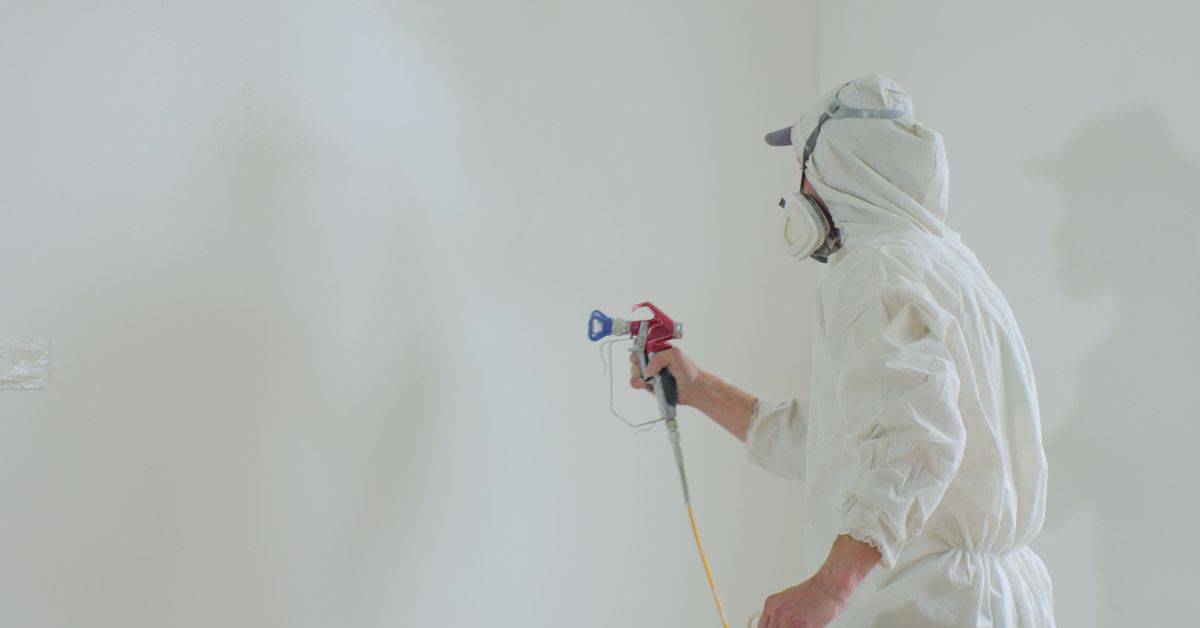
Spraying milk paint requires adjusting the spray gun for a fine mist. Thin the mixture slightly if needed but be cautious not to over-thin as this can affect drying time and finish quality.
Rolling is less common due to the thick consistency of milk paint, but it works well on large flat surfaces when using a long-nap roller. Ensure even coverage by rolling in one direction only.
Recoating, Sanding Between Coats, and Curing Time
Sand lightly between coats using fine-grit sandpaper to smooth out any imperfections. This helps the next coat adhere better.
The typical recoat window is about 24 hours after the previous coat has fully dried but still feels slightly tacky to touch. Avoid applying too many thin layers as this can lead to uneven finishes.
Full curing time for milk paint varies depending on environmental conditions, usually taking several weeks before the finish reaches its full hardness and durability. Keep humidity levels moderate during this period to avoid cracking or peeling issues.
Finishing, Topcoats, and Maintenance
A topcoat is what protects milk-painted concrete and how it looks over time. Choose wax, oil or tung oil, water-based polyurethane, or traditional polyurethane based on porosity, exposure, and desired durability, then apply as directed. The finish will change color depth, sheen, and wipeability, and it will wear differently in high-traffic areas versus decorative uses.
Prep is key: surface must be clean and compatible with the finish, and you’ll need the right number of coats with appropriate drying time between them. After application, keep maintenance simple with regular cleaning and watch for wear to know when a refresh or recoat is needed. This matters for longevity and appearance, so understand how each option behaves with milk paint and plan for reapplication before wear becomes visible.
Choosing the Right Topcoat for the Project
When it comes to milk paint on concrete, picking the right topcoat is crucial. For indoor furniture and tabletops, a water-based polyurethane offers good clarity and protection without yellowing over time. If you’re working with outdoor items like planters or garden benches, go for a tung oil. It’s weather-resistant and adds a natural sheen.
The key is to ensure the topcoat adheres well to the milk paint. Always test on a small area first. For best results, let the milk paint cure thoroughly before applying any topcoat. This prevents peeling or lifting down the road.
Remember, different finishes change how your project looks over time. A wax finish gives an antique feel with slight color variation, while oils and polyurethane keep things more consistent but offer better protection against wear and tear.
Aging, Distressing, and Decorative Techniques
To achieve an aged look on your milk-painted concrete, start by applying a thin layer of paint. Once dry, lightly sand the surface to expose some of the underlying material for that vintage charm.
For layered colors or glazing effects, apply one color then let it dry before adding another over top. Use a glaze medium if you want a translucent look. This technique can create beautiful depth and character in your project.
After distressing or layering, protect the finish with a clear coat that matches the intended use of the item. For instance, outdoor pieces need something more durable like tung oil to withstand weather conditions.
Cleaning and Long-Term Care
To keep your milk-painted concrete looking great, clean it regularly with mild soap and water. Avoid harsh chemicals that can strip the finish or damage the paint.
For deeper cleaning, use a soft cloth dampened with soapy water followed by a dry one to buff out any marks. This keeps the surface smooth and prevents buildup of dirt or grime.
Periodically check for signs of wear like scratches or dull spots. If you notice these, lightly sand them down and reapply a fresh coat of topcoat as needed. Regular maintenance ensures your project stays protected and beautiful over time.
Common Mistakes, Troubleshooting, and How to Fix Them
Common concrete paint issues include flaking, poor adhesion, brush marks, uneven color, and bubbling. For each, look for surface contamination, moisture, improper mixing, incompatible primers or sealers, and over-thinning or over-brushing, and fix with proper surface prep, the right primer or sealer, balanced mortar-to-paint ratio, and avoiding pooling.
A quick before-you-begin check and careful troubleshooting help prevent repeat problems. Check surface moisture, test patches on bare vs painted areas, and verify compatibility with the product you plan to use, then follow through with targeted fixes and sensible drying and feathering practices to keep a solid finish.
Application Errors and Immediate Fixes
Mistakes like using the wrong consistency, tools, or technique can lead to issues that need quick fixes. Here’s how to address them:
- Wrong Consistency: Too thick or thin. Adjust by adding water or pigment.
- Poor Tool Choice: Using brushes for rolling areas. Always match tools to surface and area size.
- Over-Brushing: Causes streaks and poor adhesion. Limit brushing strokes per area.
- Inadequate Drying Time: Rushing between coats leads to bubbling. Wait until previous coat is dry to touch.
- Poor Surface Prep: Inconsistent surface quality. Sand rough spots, feather edges for smooth transitions.
- Improper Mixing: Uneven color distribution. Mix thoroughly and filter before application.
Quick fixes like sanding, spot-priming, or re-coating can save the job from major redo work.
Adhesion and Compatibility Problems
Incompatible substrates like varnish or laminate can cause poor adhesion. Test patches are crucial to identify issues early.
If you encounter problems, consider using a bonding agent or primer before applying milk paint. In severe cases, stripping the surface might be necessary for proper adhesion.
Always ensure your substrate is clean and free of contaminants. A good rule of thumb is if it’s sealed with another finish, strip back to bare concrete for best results.
Color and Coverage Issues
Mismatched colors or uneven coverage can ruin your project’s look. Adjust pigment load by adding more colorant if needed.
Using an undercoat of the same base color helps achieve uniform results across different batches. This ensures a consistent tone throughout.
To hide streaks and ensure even application, use a roller for large areas and brush for details. Sand between coats to smooth out any imperfections before applying the next layer.
Project Planning, Cost, Storage, and Environmental Considerations
For this project, size drives everything: small decor jobs and large furniture projects change how you prep concrete, what primer you can use, and how you mix or thin milk paint, so you’re not guessing halfway through. Think of it as a quick decision guide and a simple flowchart to help you choose the right approach without overthinking. When you compare a DIY mix, pre-made milk paint, or a store-bought option, check pigment quality, the number of coats likely needed, surface prep requirements, and what tools or tarps you already own to avoid surprises on site.
Storage and environmental considerations matter because mixed batches and leftovers need careful handling: keep temperatures steady, use appropriate container types, and label dates, plus watch for signs paint is no good before you try to reactivate it. Disposal rules vary by location, so check local household hazardous waste rules and never dump solids or liquids into drains or soil. The big why is simple: staying mindful of low-VOC expectations, sustainable sourcing, water use, and finish durability helps you plan to minimize future repaint and waste, while sticking to practical safety steps like ventilation and gloves so you don’t pay for mistakes later.
Planning Guide by Project Size and Timeline
When tackling a milk paint project, start by assessing the size of your piece. For small decor items like picture frames or vases, you can knock out the prep work in one go. This includes sanding, priming if needed, mixing your milk paint, and applying it all within an afternoon.
For medium-sized furniture such as chairs or nightstands, plan to break up the process over a couple of days. First day for surface preparation, second day for painting, and maybe a third day for topcoats and finishing touches. This gives you time to let each coat dry properly without rushing.
Larger pieces like dressers or tables require more planning. Break down your project into manageable sections. For example, paint one side of the dresser on Monday, another side on Tuesday, and so forth. This method ensures that you don’t overwhelm yourself with too much work at once while keeping a steady pace.
Remember to factor in drying times between coats and allow extra time for any unexpected issues like touch-ups or rework. With this approach, even large projects can be completed efficiently without feeling overwhelming.
Cost Comparison and When DIY Saves Money
To determine if making your own milk paint is cost-effective, start by comparing the price of dry powder versus pre-made paints. Dry powder can be cheaper in bulk but requires more effort to mix correctly.
Consider additional costs like pigments for color customization, topcoats for durability, and any special tools you might need such as spray guns or air compressors. If you already own these tools, DIY becomes even more economical.
The number of coats needed also plays a role. Milk paint typically requires fewer coats than traditional paints due to its pigmentation density. This can save time and reduce material costs over the long run.
Lastly, evaluate your project’s scale. For small items or large batches, DIY often wins on cost efficiency. But for one-off pieces requiring unique colors or finishes, pre-made options might be more practical despite higher upfront costs.
Storage, Shelf Life, and Disposal
Milk paint powder should be stored in airtight containers away from moisture and direct sunlight. Keep it cool but not refrigerated to maintain its quality.
Mixed milk paint has a short shelf life once opened. Store unused portions in sealed glass jars or plastic containers labeled with the date of mixing. Refrigeration can extend this period, but only for a few days before discarding.
For leftover paint, consider reactivating it by adding more water and remixing if needed. This is especially useful for small batches that didn’t get used up completely. If you have large quantities left over, look into donating to local art schools or community centers where they can be reused creatively.
When disposing of unused paint, follow your municipality’s guidelines on hazardous waste disposal. Avoid pouring it down drains or in landfills. Instead, dry out the remaining liquid by spreading it thin and letting it air-dry before throwing away as regular trash.

Conclusion
Milk paint rewards careful prep and patient application. When you follow a solid process, it sticks well, looks authentic, and lasts without wasting materials or causing damage.
Start by outlining the steps in your own words and then follow them in rough order: check the ingredient guide and safety data, gather your tools and drop cloths, prep the surface and test a small area first, mix in small batches exactly as instructed, apply thin even coats with ample drying time between coats, sand lightly between coats if needed, watch for flash drying or peel, finish with the recommended topcoat, and store any leftovers in a labeled, sealed container away from moisture and heat.
Two common mistakes to avoid are rushing the coating or skipping a test patch, and neglecting surface prep or drying times. Protect yourself with proper ventilation and personal protective gear, work in a well-ventilated area, and never apply a finish over damp surfaces. If the project is large, complex, or you’re unsure about the substrate, don’t hesitate to consult a pro to prevent costly mistakes.
If you’re unsure about the surface, compatibility of ingredients, or the right topcoat for your project, consider calling a professional rather than pushing ahead. With care and a steady hand, you can finish strong and enjoy durable, good-looking results that stand up to daily use.
FAQ
What surfaces can I use milk paint on?
Milk paint works best on wood, plaster, and raw masonry. Clean the surface, roughen glossy areas, and wipe away dust. Don’t expect it to bond well to sealed or waxed finishes without proper prep.
How should I mix milk paint?
Mix slowly and aim for a thick cream consistency. Add water in small amounts until it flows off the stir stick like thick yogurt. Stir well and let it rest a minute before applying.
How do I test adhesion before finishing?
Apply a small sample patch and let it dry fully. Lightly sand the patch and pull or flex the edge to see if it peels. If it chips easily, prep more or choose a different product.
What common mistakes should I avoid?
Avoid thinning too much or skipping surface prep. Don’t rush coats; let each dry and sand lightly between layers. Humidity and heat swings can mess with cure time and adhesion, so plan accordingly.