Paint roller applying gray paint on white wall

Distressing Paint the Right Way: A Weekend Project Timeline

Introduction

Transforming furniture with distressed paint doesn’t have to be a lengthy process. With the right plan and techniques, you can achieve a beautiful, lived-in look in just a couple of weekend sessions.

In this guide, we’ll break down the distressing paint process into manageable steps, focusing on the timeline so you can complete your project efficiently without compromising quality.


The Weekend Project Timeline: Step-by-Step

To complete your distressed paint project in a weekend, follow this structured timeline. Each step includes estimated time ranges to help you plan effectively.

  • Saturday:
    1. Surface prep and substrate considerations (30 minutes)
    2. Layering strategy and color selection (1 hour)
    3. Step-by-step distressing techniques (2-3 hours, plus drying time)
    4. Waxing: Types, application, and performance (1 hour, plus drying time)
  • Sunday:
    1. Making distressed paint durable for everyday use (1 hour, plus drying time)
    2. Troubleshooting common problems and mistakes (30 minutes)
    3. Final inspection and touch-ups (30 minutes)

Total estimated time: 7-8 hours of active work across two days, plus drying times.

Key takeaways

The key to sticking to this timeline is proper planning and preparation. Ensure you have all the necessary tools and materials before starting (see our checklist below), and allow ample time for each step to dry according to product instructions.

  • Distressing furniture benefits from planned color layering and clear surface protection.
  • Use quality brushes and wax products, and test on hidden areas first.
  • Prep substrate properly: clean, degloss, and ensure adhesion before layering.
  • Build layers gradually and let each dry according to product instructions.
  • Wax types affect durability; choose durable wax and apply thin, even coats.
  • Safety: work in well-ventilated area, wear masks and eye protection.
Table of Contents

Why Distress Painted Furniture and Finishes?

Distressing paint is both an aesthetic choice and a practical fix: it creates timeworn looks like shabby chic, farmhouse, and vintage while softening visual flaws. Expect results that look aged rather than factory-new and know that some wear will continue to evolve with use.

Beyond style, distressing can hide minor dings, fill irregularities, or blend mismatched repairs so a piece reads as a cohesive whole. If exact durability matters, check product labels or manufacturer guidance about topcoats and wear resistance before committing to a final look.

Distressing styles and visual goals

Before you start, decide on the look you want. Distressing isn’t one-size-fits-all.

For a lightly weathered look, aim for subtle wear. Use fine-grit sandpaper and minimal chipping.

Heavy chipping gives a heavily worn appearance. Use coarse grits and be aggressive with your tools.

Two-tone distressing reveals the base color under the topcoat. Sand through to the base, then seal it.

When to distress vs refinish

Distressing isn’t always the answer. Here’s when to consider it:

If your piece has visible flaws, distressing can hide them. Chipping and sanding can make cracks less noticeable.

For a specific style, like shabby chic or farmhouse, distressing is key. It gives that worn-in look.

If your piece is well-worn already, consider refinishing instead. Distressing might not add much.

Back to top ↑

Tools and Materials Checklist

Gather paints, a compatible primer, sanding media (from fine to coarse), scrapers or steel wool, brushes, and clean rags—choices here influence both appearance and longevity. Include protective items like gloves, dust masks, and drop cloths for safety and tidy work.

Also plan for finish materials that affect durability: waxes, polyurethanes, or water-based topcoats are common—verify compatibility on product data sheets. If in doubt about a specific combination, test on a scrap piece or hidden area first.

Paints, primers, and undercoats explained

Before you start distressing, know your paints and primers. They’ll determine how well your finish holds up.

  • Latex paint: Water-based, easy to clean up, good for most surfaces. Use a primer with it.
  • Chalk paint: Matte finish, great for distressing, no need to sand or prime first.
  • Milk paint: Natural, non-toxic, requires a sealer after distressing. Use a bonding primer first.
  • Oil-based paint: Durable, great for trim and cabinets. Needs mineral spirits for cleanup. Prime with an oil-based primer.
  • Primer: Improves adhesion, seals porous surfaces. Use one that matches your paint type.
  • Undercoat: Optional, provides extra coverage and durability. Not always needed.

Quick rule: Match primer to paint type for best results.

Abrasives, scrapers, and specialty tools

Right tools make the job easier. Here’s what you need to distress like a pro.

  • Sandpaper grits: 120-grit for initial sanding, 220-grit for smoothing. Skip-sand with 80- or 100-grit for texture.
  • Steel wool: Fine (0000) for light distressing, medium (00) for heavier wear.
  • Scrapers: Useful for removing large areas of paint. Be careful not to gouge the surface.
  • Brushes: Natural bristle for oil-based paints, synthetic for latex. Size depends on job.
  • Orbital sander: Optional, speeds up sanding but can be harsh. Use with care.
  • Heat gun: Optional, helps lift paint for controlled distressing. Be cautious to avoid burning.
  • Safety gear: Gloves, goggles, dust mask. Protect yourself from debris and chemicals.

Quick rule: Start with coarse grits, finish with fine for smooth results.

Waxes, topcoats, and sealers

Protect your distressed finish with the right wax or sealer. Here’s what to consider.

  • Paste wax: Natural look, easy application. Buffs off for sheen. Not water-resistant.
  • Polymer wax: Durable, water-resistant. Harder to apply and buff. Great for high-traffic areas.
  • Polyurethane: Clear topcoat, durable, water-resistant. Yellows over time. Not ideal for white or light colors.
  • Polyacrylic: Water-based clear topcoat, non-yellowing, easy cleanup. Less durable than polyurethane.

Quick rule: Choose a sealer that matches your paint type and desired durability.

Back to top ↑

Surface Prep and Substrate Considerations

Clean the piece thoroughly to remove grease, wax buildup, or contaminants that block adhesion; use appropriate cleaners and rinse well. Address any loose veneer, structural damage, or deep gouges with repairs before layering paint.

Different substrates behave differently—solid wood sands and holds paint well, veneer can lift if over-sanded, and laminate often needs a special primer for good bond. When unsure about adhesion, perform a simple test patch and follow the manufacturer instructions for primers and adhesion promoters.

Cleaning, sanding, and bonding prep

Start by removing any dirt, dust, or grease with a damp cloth. Let it dry.

Sand lightly, just enough to roughen the surface for better paint adhesion. 120-grit sandpaper works well.

Wipe off sanding dust with a tack cloth or damp rag. Let it dry completely before painting.

Repairing chips, veneer, and joints before distressing

Fill small chips or gaps with wood filler. Let it dry, then sand smooth.

For larger repairs or loose veneer, use a two-part epoxy glue and clamps to stabilize. Re-sand after drying.

Distressing plan may change around repaired areas. Mark them for reference during distressing.

Adhesion tests and problem surfaces

Perform a quick adhesion test: apply painter’s tape, let it sit, then pull. If paint peels off, prep more.

Slick laminates need light sanding (120-grit) and a primer designed for laminates.

Oily woods require thorough cleaning with degreaser, then let dry completely before painting.

Back to top ↑

Layering Strategy and Color Selection

Plan your sequence of colors and where each layer will be exposed before you start: undercoats, mid-tones, and top color should be mapped so reveal edges and worn spots read naturally. Choose contrasting or complementary underlayer colors to control how dramatic the reveal will be.

Consider how many layers the piece can take without losing detail or causing adhesion problems, and mark areas you intend to distress more heavily. If you need exact layering guidance for a product, consult the paint manufacturer’s directions for recommended dry film build and repaint intervals.

Order of layers and paint compatibility

The right layering order ensures your distressed finish looks natural. Start with the base color, then apply a blocker or bonding coat to seal it in. Top that off with your final color.

Verify paint compatibility before you start. Use the same brand if possible. Test for lifting or bleeding by applying a small amount of each layer on a scrap piece. Let it dry, then check for any signs of incompatibility.

Pro tip: Always use a primer or undercoat between layers to improve adhesion and prevent bleed-through.

Choosing contrast, tone, and aging washes

For realistic wear, choose contrasting colors. Warm undercoats give a warm, inviting look when distressed. Dark undercoats create depth and drama.

Use tinted glazes or washes to simulate age and dirt. Apply them lightly over the top color, then wipe off excess. This technique gives your piece an aged patina.

Remember: Less is more with aging washes. Start light and add more as needed. You can always do more, but you can’t undo it if you use too much.

Visual checkpoints for desired reveal

Check your progress during layering to ensure you’re getting the look you want. It’s easier to fix issues as you go than to try and salvage a piece that’s been over-distressed.

  • Check color contrast: Make sure the undercoat is visible through the top coat where you’ll distress. If not, adjust your technique or colors.
  • Wipe on, wipe off: Check that aging washes are applying and wiping off evenly. Uneven application can lead to splotchy results.
  • Sand lightly: After each sanding step, check for even distressing. If you’re missing spots or have too much in one area, adjust your technique.
  • … (continue with 10-11 more items)

Quick rule: Always inspect your work after each step. A little extra time spent checking can save you from having to redo your entire piece.
Back to top ↑

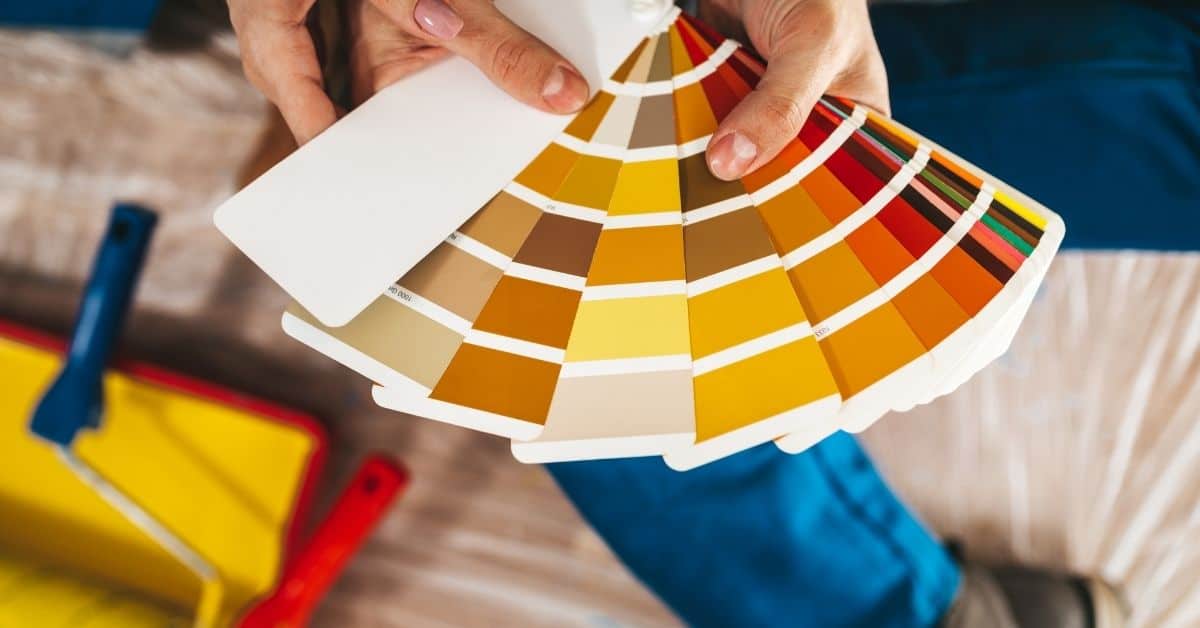
Person holding paint color swatches fan deck

Step-by-Step Distressing Techniques

Work from gentler methods to more aggressive ones: light sanding and targeted rubbing first, then scraping or chemical techniques only if needed; stop as soon as you achieve the desired look. Focus on natural wear points—edges, corners, and around hardware—to keep the finish believable.

Use the right abrasive for the job and keep safety in mind—wear masks for dust and follow product safety sheets for any chemicals. If a method creates unexpected results, pause and test a different approach on an inconspicuous area before proceeding.

Step-by-Step Process

Follow these practical steps to achieve a professional distressed finish.

  1. Preparation: Gather tools, safety gear (goggles, gloves), and materials. Check surface for stability and cleanliness.
  2. Safety checks: Ensure no live electrical wires nearby. Cover floors with drop cloths.
  3. Main work: Apply base color, let dry. Lightly sand to smooth any raised grain. Wipe off dust.
  4. Distressing: Use dry or wet methods (next sections) to expose undercoats and create wear patterns.
  5. Finishing: Apply topcoat or wax, following manufacturer’s instructions. Inspect for desired effect before final touch-ups.

Dry distressing: sanding, scraping, and edges

Targeted sanding and scraping create natural wear patterns. Start gently to avoid removing too much finish.

Edges: Use a sanding block or palm sander with 120-grit paper along edges. Scrape off any excess paint with a putty knife.

Flat surfaces: Lightly sand with 120-grit, focusing on areas that would naturally wear (door handles, corners). Wipe off dust.

Hardware areas: Gently scrape around hardware to reveal undercoat. Be careful not to damage underlying surface.

Wet distressing and removal methods

Use water, mineral spirits, or stripping gels for controlled layer removal. Always follow manufacturer’s safety guidance.

Water: Dampen a cloth, rub gently to remove top layers. Rinse and dry thoroughly before next step.

Mineral spirits: Apply with a cloth, let sit briefly, then wipe off. Be cautious; it can dissolve paint quickly.

Stripping gels: Apply, let sit as directed, then scrape off with a putty knife. Follow safety instructions for handling chemicals.

Advanced techniques and creative effects

Integrate these techniques into your durable finish plan for unique results.

Layering combs: Use a comb to create linear patterns. Apply paint, then drag comb through before it dries.

Crackle mediums: Apply, let dry, then paint over. As topcoat dries, it cracks, revealing undercoat.

Dry-brushing: Load brush with paint, wipe off excess on a cloth, then lightly brush onto surface to create texture and depth.

Faux oxidation: Use specialized products or mix your own to create an aged, oxidized metal look.

Back to top ↑

Waxing: Types, Application, and Performance

Waxes vary—paste waxes, soft finishing waxes, and clear or tinted options each behave differently in sheen, hardness, and rub-out time. Apply thin layers, work them in, and remove excess; always follow the product label for recommended application and cure guidance.

Wax adds surface protection and can enrich the distressed look, but it is not always as durable as some hard topcoats in high-wear areas. If longevity is a priority, check the manufacturer data sheet for cure times and compatibility with your paint and topcoat choices.

Wax vs Polyurethane and Other Sealers

When it comes to sealing your distressed paint, you’ve got options. Wax is a natural choice for many, but film-forming topcoats like polyurethane have their place too.

Wax offers a subtle sheen and enhances the natural texture of wood. It’s easy to repair if damaged and doesn’t yellow over time. But it’s not as durable or long-lasting as some other sealers.

Polyurethane, on the other hand, is tough and resistant to water and scratches. It’s great for high-traffic areas but can look too shiny and plastic-like in some settings. Plus, it’s harder to touch up if damaged.

Other sealers like varnish or shellac have their own pros and cons. The key is choosing one that fits your use-case and desired look.

How to Apply, Buff, and Build Wax Layers

Applying wax is a simple process. For paste or soft wax, warm it slightly first to make it easier to work with.

Use a brush or cloth to apply the wax, working in small sections at a time. Make sure to get into all those nooks and crannies for even coverage.

Buffing is where you’ll see the magic happen. Use a clean, lint-free cloth to rub the wax in circular motions. This will help bring out the natural beauty of the wood and give it that soft glow.

For added protection, apply multiple thin coats, allowing each one to cure before buffing. This way, you won’t end up with any gummy buildup.

Curing, Tack, and Performance Expectations

Wax needs time to harden before it’s fully protected. This is called curing. It can take anywhere from a few hours to a full day, depending on the type of wax and the humidity in your space.

The more intense the use, the faster the wax will wear down. So, if you’ve got a high-traffic area, you might need to reapply more often. Check your product’s instructions for specific guidelines.

To test how a particular wax performs, try applying it to a small, hidden area first. This way, you can see how it holds up before committing to the whole project.

Remember, even with proper care, no sealer will last forever. But with regular maintenance and touch-ups, your waxed surface should stay looking great for years to come.

Back to top ↑

Making Distressed Paint Durable for Everyday Use

Increase longevity by reinforcing high-wear zones with additional protection—select compatible topcoats, consider sealing edges, and use clear coats where traffic will be heavy. Combine finishes thoughtfully: some clear topcoats work over waxed or unwaxed paint, while others do not.

Plan a maintenance approach that matches the finish: periodic re-waxing or touch-up paint can keep the piece functional. When compatibility is unclear, consult product instructions or test a small area to confirm adhesion and appearance before finishing the whole piece.

Choosing the right topcoat for durability

The final step to making your distressed paint durable is selecting the right topcoat. This protects your piece from everyday wear and tear while preserving its look.

Water-based Polycrylic: This is a popular choice due to its quick drying time, low odor, and easy cleanup. It provides good protection against scratches and moisture but may not be as durable as oil-based options under heavy traffic.

Oil-based Polyurethane: For high-traffic areas or pieces that will face harsh conditions, consider an oil-based polyurethane. It offers excellent durability, resistance to moisture and UV rays, but has a longer drying time and stronger odor.

Conversion Varnish: This is another durable option, especially for pieces exposed to direct sunlight. It provides good protection against UV damage and can enhance the color and grain of your piece. However, it may yellow over time if not properly cured.

Reinforcing high-traffic areas and hardware

To further boost durability, reinforce high-traffic areas and hardware. Here’s how:

Use clear pads or felt feet on furniture legs to protect floors from scratches and prevent wobbling.

Lay down protective runners or mats in high-traffic areas to shield your piece from heavy foot traffic and dirt.

Apply a targeted clear coat on tabletops, edges, and drawer fronts. This adds an extra layer of protection where it’s needed most without altering the distressed look.

Maintenance, touch-ups, and re-waxing

Regular maintenance will keep your piece looking great for years. Here’s a simple plan:

Dust regularly with a soft cloth to remove dirt and prevent scratches.

For touch-ups, use a matching wax or touch-up paint to refresh worn spots. There’s no need to strip the whole piece unless absolutely necessary.

Every 2-3 years, depending on traffic and conditions, re-wax your piece. This restores protection and enhances the distressed look. Simply clean the surface, remove any old wax with a solvent like mineral spirits, let it dry, then apply new wax as described in the earlier section ‘Waxing: Types, Application, and Performance’.

Back to top ↑

Troubleshooting Common Problems and Mistakes

Common issues include uneven distressing, poor adhesion, or tacky wax—corrective steps often start with cleaning, spot-sanding, and retesting adhesion or finish compatibility. Address tacky finishes by allowing additional cure time as directed on the product label and by ensuring proper ventilation and temperature during curing.

If distressing looks blotchy or too artificial, soften edges with light sanding and blend with glazes or additional thin paint layers. For persistent adhesion failures, strip to a sound substrate and re-prime following manufacturer recommendations.

Fixing adhesion, peeling, and bleeding layers

If your distressed paint is peeling or lifting, it’s likely due to poor adhesion. First, diagnose the problem. Check for any underlying issues like moisture, grease, or old paint that might be causing the lift.

To fix this, you’ll need to sand back the affected area using fine-grit sandpaper. This will help create a better surface for your primer to adhere to. Use a bonding coat if necessary, especially on tough surfaces like glossy paint or varnished wood.

Once sanded and cleaned, re-prime the area with a good quality primer. Let it dry completely before proceeding with your distressing technique again. This should help prevent future peeling or bleeding layers.

Dealing with uneven distress and patchy reveals

Uneven distress can happen due to inconsistent sanding, scraping, or layer removal. To even out your reveals, start by lightly sanding the entire piece again using fine-grit sandpaper. This will help smooth out any rough edges.

Next, use a glaze in a complementary color to blend and even out the reveals. Apply it thinly with a brush or rag, working it into the cracks and crevices. Wipe off any excess with a clean cloth. Let it dry, then lightly sand again if needed.

For patchy reveals, focus on building up layers. Add more distressing techniques in those areas to create a cohesive finish. Remember, less is more – build up gradually to avoid overdoing it.

Resolving wax and topcoat conflicts

If your topcoat isn’t adhering or you’re experiencing tackiness, it’s likely a compatibility issue. Some waxes and topcoats just don’t play nice together. To fix this, first test for compatibility. Apply a small amount of each to an inconspicuous area to see if they react negatively.

If they’re incompatible, you’ll need to remove the offending product. For wax, use a wax remover or mineral spirits. For topcoats, sand lightly and wipe clean with a suitable solvent. Always follow manufacturer’s instructions for safe removal.

Once removed, reapply a compatible system. Make sure your wax and topcoat are designed to work together. Always follow the recommended application process and let each layer cure properly before moving on to the next. This should restore durability and prevent future conflicts.

Back to top ↑

Conclusion

Distressing paint successfully comes down to safety, proper prep, and a finish that lasts. Focus on the right layering, wax, and protection steps so your project can take daily use without looking worn out or failing early.

Finish a quick practical checklist: test your colors and wax on a hidden spot, plan your layering order, clean and dry the surface, apply thin, even coats with proper drying between steps, and seal with a compatible wax or topcoat before heavy use. Check edges and corners as you go, then rub out and buff only after the final coat has cured enough to handle light contact.

Avoid common missteps: never skip cleaning the surface or skim over sanding/priming steps, don’t rush drying between layers, and don’t mix waxes or finishes that aren’t compatible with your paint. Use proper ventilation, gloves, and eye protection, test in a small area first, and respect cure times to prevent lifting or dull spots.

If the piece has unusual substrates, stubborn finishes, or you’re aiming for a high-traffic piece, consider a pro for a precise finish or durable top layer. Stay deliberate, stay safe, and you’ll keep the look you want while avoiding costly mistakes.

Back to top ↑

FAQ

How do I protect a distressed finish from daily wear?

Choose a topcoat that matches your use and check the label for durability. Apply thin, even coats and don’t rush the drying times. Clean the surface first and avoid exposing it to harsh cleaners that can break down the finish.

Can I refresh or change the look after distressing without starting over?

Yes. Lightly clean the surface and reapply glaze or new glaze layers to adjust color. If adhesion is an issue, lightly sand the area and recoat, rather than piling on thick coats.

What should I know about wax versus other topcoats on a distressed piece?

Wax can soften and alter the sheen over time, and may affect how other topcoats adhere. Follow the manufacturer’s instructions and test in an inconspicuous spot before committing to the whole piece.

How do I fix a distressed finish that’s peeling or uneven?

Stop using it and inspect the issue. Remove any loose bits, clean the surface, and lightly re-distress where needed. Then reapply glaze and a compatible topcoat, following the product’s directions for cure times.

Back to top ↑