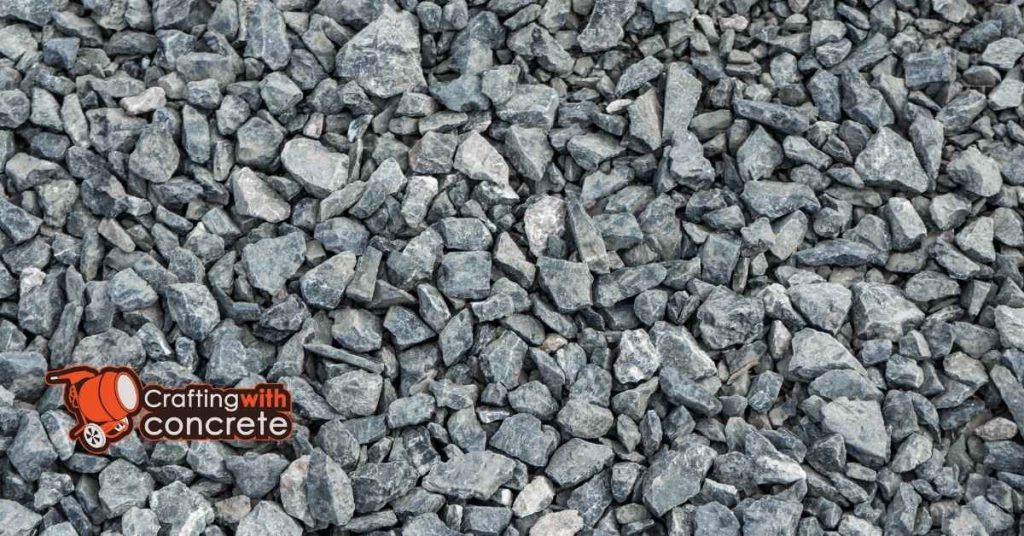
How to Use 2a Gravel as a Base for Driveways Step-by-Step Prep and Compaction

How to Use 2a Gravel as a Base for Driveways: Step-by-Step Prep and Compaction

Introduction

Use 2a gravel as a stable, well-compacted base to support a durable driveway.

The guide explains why proper subgrade prep, layering, and compaction matter, and walks you through step-by-step techniques, practical tips, and common-sense rules of thumb for achieving a solid foundation.

Related: The Guide to 2A Gravel: Everything You Need to Know.

Key takeaways

  • 2A gravel provides a stable yet permeable base for driveways.
  • Plan total depth with subgrade grades and anticipated wear, avoiding settling issues.
  • Compact in lifts, keeping moisture at optimum level for each pass.
  • Use geotextile fabric when soils are unstable or to prevent mixing.
  • Install durable edge restraints to maintain alignment and prevent lateral spreading.
  • Deliver properly graded material and spread evenly before final compaction and moisture checks.
Table of Contents

What is 2A Gravel and why it’s ideal for driveway bases

2A gravel is a crushed, mixed stone base composed primarily of angular aggregate with fines that fill the gaps between larger particles. It typically ranges from fine screenings up to roughly 1/2 inch or so, which distinguishes it from smoother, rounded gravels and larger crushed aggregates. The combination of sharp, interlocking stone and the fine material creates a locking action that compacts into a stable, rigid matrix that resists rutting under load.

For driveways, this lockable matrix distributes wheel loads, drains better than solid rock—reducing surface puddling—and provides durable stability with a cost that remains practical for long-term use. Installation-minded readers should plan a base thickness appropriate to traffic, keep moisture balanced to aid compaction, and anticipate good compaction behavior from properly graded 2A material. Quick checks like looking for clay pockets, poor drainage, or incomplete compaction will help you catch deficiencies early and adjust as needed for a solid, long-lasting base.

Composition and specs of 2A vs. other aggregates

Think of 2A as a mixed package: crushed stone plus some fines so the pieces lock together when compacted. That’s why it’s a favorite for driveway bases — it compacts well and gives a firm platform. When you’re choosing, check base compaction after each lift with a plate compactor; if it still shifts, you picked the wrong material or didn’t compact enough.

Compare quickly: crusher run and road base are similar to 2A but usually have more fines and a slightly wider range of particle sizes, so they can pack even tighter for heavy traffic or commercial loads. 21A is finer and better as a top layer or for a smoother finish; it won’t be as forgiving under heavy loads unless the base below is solid. Clear stone (no fines) drains like a champ but won’t lock together — great for drainage layers or washed driveways, bad as a solo base unless you use a geotextile and strong edging.

What you actually need to decide: if you want a stable, compactable base that holds up to cars, use 2A or road base and compact in 2–3 inch lifts. If drainage is the priority, build a clear stone layer under the base and use a geotextile to stop washout. For a finished riding surface, top with 21A or a thin cap of crusher run. And remember — poor compaction, poor slope, or no edging will undo any choice of material.

Benefits for driveways (drainage, compaction, cost)

2A gravel sheds water better than many mixes because the stone and fines lock together but still leave small voids for runoff. That means fewer puddles and less frost heave if you grade the driveway to drain and keep the surface pitched away from buildings.

The material compacts dense under traffic, so you get a stable surface without endless fiddling. Do a few passes with a plate compactor and check base compaction before adding the top layer. Skipping compaction or using the wrong depth is the most common reason driveways fail.

Finally, 2A is widely available and usually cheaper than specialty base products. You’ll save on material cost and labor because it packs well and supports loads once compressed. Don’t cut corners on thickness — cheap now can mean costly repairs later.

Back to top ↑

Gravel pile dumped from excavator bucket onto prepared base
Spread and level the gravel after dumping to form a stable walkway base.

Planning your 2A gravel driveway project

Plan the project by defining scope—width, length, elevation goals, and expected daily or weekly traffic—while evaluating whether heavy loads or equipment will commonly use the driveway. Conduct a thorough site assessment that considers drainage, slope, soil subgrade quality, utilities, obstacles, access for equipment, and potential frost heave or drainage issues. Clarify the drive-through purpose and load expectations, distinguishing between passenger vehicles and frequent heavy loads, and plan for seasonal use or snow plowing where applicable, then compare 2A gravel as a base against alternatives like 3/4″ minus, crushed rock, or geotextile systems.

Develop a clear design and prep plan that specifies an appropriate 2A base thickness, underlayment or fabric needs, edge restraints, drainage channels, and grading to direct water away from the driveway. Outline an installation sequence with quality checks, from site prep to compaction, and identify required equipment, target compaction metrics, inspection milestones, and contingencies for weather delays, so the DIY or jobsite team can stay on schedule and meet performance goals. Understanding these steps helps ensure long-term stability, proper drainage, and a reliable surface that matches traffic expectations and local conditions.

Calculating material quantities and depths

Material choice and depth decide how long the driveway lasts and how it looks. Pick the right aggregate, base, fabric and tools and you avoid washouts, ruts and constant topping up.

  • 2A ModifiedUsed as the surface layer for a clean, compact finish. Look for “2A” or “2A Modified” on the bag or spec sheet and a mix of fines and crushed stone. Choose it for driveways you want to shovel or rake; skip it if you want a loose, cheaper stone that tracks and washes out.
  • Crusher runPrimary base under the surface layer to lock everything together. Check for “crusher run” or “dense grade aggregate” and a 0–3/4″ gradation with fines to bind. Cheap pea gravel instead will shift and rut; expect $20–$40 per ton at retail yards.
  • Subbase aggregateExtra depth under heavy loads like RVs and trucks. Look for 2″–3″ minus or#57 stone depending on spec and add 2–6 inches extra under heavy loads. Use it when you expect repeated heavy axle loads or you’ll get permanent ruts and premature failure; price varies $15–$35/ton.
  • Geotextile fabricSeparator between soil and aggregate to prevent contamination. Choose a nonwoven, heavy-duty landscaping fabric labeled for “roadway” or “heavy duty stabilization.” Cheap landscape fabric will tear and let fines mix with subgrade, causing settlement; expect $0.25–$1.50/sq ft or rent a loader for large runs.
  • Edge restraintPlastic, timber, or stone to keep edges straight and gravel contained. Look for rigid edging rated for driveways or concrete curbing if you want permanent support. No edge means gravel migration and shoulder collapse; timber is cheap but rots—concrete or metal is pricier but durable ($2–$10/ft).
  • Compactor rentalPlate compactor or tandem roller to lock layers tight. Check rental spec for plate size and compaction force (psi or vibration rating). Don’t try hand tamping on anything bigger than a single-car drive; rental is $50–$150/day and saves future sinking and loose surfaces.
  • Quantity mathConvert length × width × depth to cubic yards before ordering. Multiply feet (L × W × depth in feet) then divide by 27 to get cubic yards. Order 5–10% extra for compaction and waste; getting 10% too little means a thin, failing base.

Pro tip: Buy aggregate by the ton from a local quarry, store bags off the ground and covered, and mix or place materials on a dry day. If you don’t own a compactor, rent one — cheap tools save costly repairs later.

Permits, utility checks, and local codes

First thing: call your local building department and ask if you need a permit. Small projects sometimes fly under the radar, but many towns require permits for new driveways or changes to drainage. Ask about setbacks, driveway width limits, and any special rules for curb cuts. If you already worked out material and depth, mention that when they ask—don’t re-explain your whole plan.

Before you dig, call 811. They’ll mark buried utilities so you don’t hit water, gas, electric, or fiber. Wait the required time after the call. If a utility company flags a line, adjust your layout or plan to have the line relocated by the utility, not by you. Hitting a line is expensive and dangerous—don’t be the person who thinks they can “eyeball” locations.

Check zoning and impervious-surface rules for stormwater. Some areas limit how much hard surface you can add and may require pervious alternatives or drainage plans. If your gravel will be compacted over a large area, local code may treat it like impervious paving. If in doubt, get a quick sign-off from the town planner. That single phone call can save you a stop-work order and fines later.

Back to top ↑

Tools and materials checklist

Here’s a practical tools and materials checklist for creating a solid base: assemble a precise roster of plate compactor, hand tamper, wheelbarrow, rake, shovel, level, laser or string level, and cutting tools, plus essential safety gear—gloves, eye protection, and a dust mask. Include a quick maintenance check before use and keep a supply of these materials: 2A gravel for the base, optional subbase, landscape fabric, edging to contain the gravel, and any roll-out or pre-fabricated forms. Plan for site preparation steps like fabric placement and edging installation, with clear reasons to prevent rutting and weed growth as you ready the area.

Why it matters: a well-organized toolkit and accurate materials list save time, reduce headaches on site, and improve long-term durability under traffic. The setup supports proper sequencing—fabric first, edging secure, then gravel spread and compacted to a uniform level, checked with a level or laser. Practical substitutions and space-saving tips help when access is tight or budgets are constrained, and reminders about weather, tool function, and material compatibility keep the job safer and smoother from start to finish.

Renting vs owning equipment

Big compactors and loaders make the job fast, but you don’t need to own them unless you do this a lot. Rent heavy gear for larger drives and rely on small, affordable tools for one-offs.

  • Plate compactor — A vibrating plate compacts base and gravel. Use a 200–400 lb plate for driveways; lighter plates don’t get deep compaction. Rent for large driveways (weekend rental $80–$200/day); buy only if you’ll reuse it often. Tip: under-compacting leads to late settled ruts — don’t skimp on weight or passes.
  • Hand tamper — A manual tamper finishes tight spots and edges. No specs beyond a heavy, flat steel base; cheap homeowner models are fine. It’s essential for corners and around drains where a plate won’t reach; optional otherwise. Warning: using only a hand tamper on a whole driveway will leave it soft and settle quickly.
  • Skid steer / mini loader — Moves material fast and spreads base. Rent a small skid steer with pallet forks or bucket for big jobs; hour or daily rates apply ($150–$400/day). Optional for small single-car drives but essential if you’re moving yard loads of gravel. Jobsite tip: over-excavating with aggressive buckets can create soft spots — control bucket depth.
  • Small roller (walk-behind) — Smooths and compacts asphalt or fines on top layers. Choose a steel drum roller with 1–2 ton equivalent vibration for asphalt patches; rent if paving more than a car width. If you use a too-light roller, the surface will crack or ravel under traffic.
  • Landscape rake — Levels base and spreads fines evenly. Look for 48–60″ steel tines; cheap models are fine for homeowners. Essential for a neat surface before compaction; optional if you hire grading. Tip: dragging with a bent or worn rake leaves dips that later trap water.
  • Wheelbarrow — Hauls gravel, sand, and tools. Single-wheel for tight turns, dual-wheel for stability; buy a durable poly tub ($60–$150). You’ll regret trying to move tons by hand without one; overloading cheap wheelbarrows will break the handles.
  • Long straightedge / screed — Sets final grade for pavers or concrete edges. Use a 10–12′ aluminum or straight board; essential for accurate slopes. Renting is unnecessary — a good one costs $30–$80. Tip: a warped screed gives uneven grades and water pooling.
  • Shovel (round point) — Digging and trimming trenches, moving material. A heavy-duty round-point shovel with a solid handle is all you need; cheap homeowner shovels are okay. Essential basic tool — using a flimsy shovel can snap it and slow your work.
  • Measuring wheel — Quick linear measures for driveway length and material estimates. Inexpensive models work for homeowners; rent only for precision takeoffs. Optional but handy; wrong measurements lead to wasted trips and material shortfalls.

Pro tip: Rent the heavy stuff by the weekend and combine a rented plate compactor with your hand tamper and landscape rake. That combo covers speed, tight spots, and finish grade without buying expensive machinery you’ll rarely use.

Material specs and where to buy 2A gravel

Material choices control how long the job lasts and how it looks. Pick the right gravel, base, and sand and the surface stays flat and drains. Pick the wrong stuff and you get sinkage, staining, or blowouts down the road.

  • 2A Gravel (surface) Used as the top wearing layer or under pavers for drainage and compaction. Look for “2A” or “2A Modified” on the delivery ticket and a mix of crushed stone and crusher-run fines. Cheap pea gravel or rounded river rock will shift and leave gaps; expect $25–$60 per ton depending on region and delivery.
  • Crushed stone base This is the structural layer under 2A and pavers. Spec: crushed rock with angular particles, 3/4″ minus (or #57 for some jobs); it should compact hard. Using bank-run or washed sand as a base is a recipe for settlement and cracking; base rock costs $20–$50/ton and needs a compactor to perform.
  • Polymeric or joint sand Fills joints between pavers and locks them in place. Look for “polymeric sand” with a polymer binder; standard masonry sand is for bedding only. Avoid plain dry sand in high-traffic areas — joints will wash out and weeds will move in; a 25 lb bag runs $10–$30.
  • Bedding sand (concrete sand) The smooth layer under pavers for leveling. Label should read “concrete sand” or “sharp sand” with coarse grains. Don’t use play sand — it compresses and drains poorly, causing lippage; a yard of concrete sand is about $30–$60 delivered.
  • Landscape fabric (optional) Separates soil from the base to slow migration of fines. Look for woven, heavy-duty fabric rated for load-bearing and UV resistance. It doesn’t replace a proper base; cheap fabric tears and lets mud mix with your rock, causing soft spots and drainage failure; expect $0.20–$0.60/ft².
  • Metal edging or plastic edge Holds the perimeter in place and prevents spreading. Choose 16–18 gauge steel or heavy-duty polymer labeled for pavers. Weak stakes or flimsy plastic let the edge roll and stones escape; decent steel edging is $50–$150 for a 20–30 ft run.
  • Delivery and truckload sizing Order from a landscape supplier and ask three things: crusher source, fines content, and delivery options (loose dump vs end-dump). A cubic yard of gravel weighs ~1.2–1.6 tons; measure area and depth to estimate yards. Underordering means extra trucking fees; overordering costs storage and cleanup.

Pro tip: Buy materials close to when you will install and keep bags dry. Ask suppliers for a sample or delivery ticket showing product name and crusher, and store loose stone on pallets or in a tarp-covered pile so it stays clean and easy to compact.

Back to top ↑

Site selection and driveway layout

Choosing the right site criteria and driveway layout means assessing drainage away from structures, identifying low spots and high points, noting existing vegetation, sunlight, and utilities, and establishing setbacks from property lines, easements, and roadways, so that alignment supports safe sightlines, proper connections, and future expansion if needed. It also involves planning driveway alignment that minimizes sharp turns while preserving smooth entry and exit angles, ensuring the connection to the road is compatible with existing grades, and sizing width to accommodate typical vehicles without overhangs or scraping, all while accounting for turning radii and ease of maintenance.

This approach matters for a DIY or jobsite reader because it translates site observations into practical, actionable steps, from marking stakes and string lines to confirming grade with a level or laser, and from selecting a gentle drainage slope to designing swales that prevent erosion and water buildup. Understanding how to balance drainage, slope, and width helps avoid costly rework, ensures you meet local codes and permit requirements, and makes future landscaping and irrigation adjustments easier, all while keeping utilities and buried obstacles in view so excavation depth and base material transitions are predictable and safe.

Slope, crown, and drainage planning

Keep the driveway running on a steady, shallow fall away from the house. Aim for a 1–2% grade across the length — steeper than that and water runs fast and causes ruts, flatter and water pools. Check the grade with a 10‑foot board and level or a laser; if you can feel the slope with your feet it’s about right.

For two‑way drives and wider single lanes add a shallow center crown about 1/4″ per foot so water sheds to the edges. Don’t over-crown: too much makes driving unpleasant and concentrates runoff at the shoulder. Roll the crown into the final compacted surface so it stays put under traffic.

Decide where water leaves the driveway early. Place drainage swales, rock-lined ditches, or culverts at natural low points and where the shoulder meets the road. If a culvert is needed, size and place it before you compact base material. Ignore drainage and you’ll be patching potholes every season — don’t be that homeowner.

Visual checkpoints and marking the footprint

Walk the line first and look for high roots, drip lines, and hidden dips. Put stakes at the ends and every 10–15 feet. Run a string line between stakes on both edges so you can see the actual width. If you prefer paint, spray a continuous edge and then re-walk it to catch wobbles and jogs.

Square the corners with a 3-4-5 triangle or measure diagonals until they match. Sight down the string from a low angle to spot any bulges or narrow spots. Measure the width at several points and correct anything more than an inch or two out — inconsistent width is the kind of thing that bites you later when forms or base material don’t sit right.

Mark locations for gates, mailboxes, drainage inlets and utility lines clearly and give them extra buffer. Stake any transitions to pavement or walkways so you can check smooth flow. If you’re using heavy equipment, flag soft spots and obvious obstructions before you start digging. And call your utility locate service — no excuses.

Before you finish, take a photo from each end and the middle. Photos help when you argue with a contractor or need to reestablish the line after weather. Keep one simple rule: if you can’t eyeball a straight edge from the string, fix it now. A crooked footprint costs time and money later. Check base compaction once the footprint is cut in and before you place any aggregate.

Back to top ↑

Excavation and subgrade preparation

This section covers removing vegetation and topsoil, excavating to the required driveway base depth, and creating a stable, organic-free subgrade suitable for a 2a gravel base. It also emphasizes establishing proper drainage, a slight crown, and edge support to prevent washouts and edge failure under load. You’ll plan utility checks, stake the footprint, verify drainage away from structures, and set aside material for disposal or stockpiling.

A solid subgrade reduces future settlement and rutting by providing uniform firmness and consistent moisture handling, which keeps the driveway base stable over time. Testing can be as simple as feeling the surface, assessing rock hardness, or performing a basic compaction check, with moisture conditioning if needed before finishing passes. Use a plate compactor or manual tamping to achieve uniform density, install edging or forms to maintain shape, and plan for erosion control, drainage access, and any local permit requirements to stay compliant.

Dealing with soft or clayey soils

If the native soil squishes under a shovel or holds water after a rain, don’t pretend it’s fine. You’ll either have to remove the weak soil and replace it, bring in structural fill, or stabilize in place. For small areas the fastest fix is digging out the bad stuff and importing compactable fill. For larger areas that’s costly, so consider other options.

Stabilizing in place usually means geotextile fabric plus a thicker crushed-stone subbase. Lay the fabric, add stone in thicker lifts than normal, and compact each lift well. That approach saves money but needs attention to drainage and compaction; sloppy work here equals future settlement and headaches.

Before you start, dig a test pit or two and check base compaction. Decide how deep the bad layer goes and price both removal and import vs. fabric + stone. If you see continuous soft clay or perched water, don’t gamble—plan for removal or professional ground improvement. Bad subgrade is the fastest way to ruin any pavement or slab.

Contouring and compacting the subgrade

Rough grade so you end up at the final compacted depth — leave a little extra for the surface material, not the other way around. Set your slope for drainage (usually 1–2% away from buildings) and walk the area to spot low spots. If you already handled the excavation and soft soils, this step is where the job either holds or fails.

Work in manageable lifts. Spread soil or fill in 3–6 inch layers and compact in layers with a plate compactor or hand tamper. Don’t try to get full compaction in one pass. Moisture matters: the material should be damp, not muddy. Too dry and it won’t pack; too wet and it will rut and settle later.

After compacting each lift, run the compactor in overlapping passes and check base compaction by walking and probing or rent a simple compaction gauge if you want a number. If unsure about underlying soils or you’re building a driveway or patio, hire a test. Cutting corners now means settlement and headaches down the line.

Back to top ↑

Installing geotextile fabric (when and how)

Geotextile fabric is placed over the prepared 2a gravel base to separate underlying soil, suppress weeds, and improve stability in poor soil conditions. Choose fabric types (wound vs non-woven; permeable vs low-frap) with appropriate permeability and durability to prevent water pooling while allowing drainage.

Overlap fabric seams by 12–24 inches, align it with site features, and secure with staples, pins, or tacking to prevent shifting during gravel placement. Seam taping and edge containment help the fabric stay flat as you lay the 2a base. Expect weed suppression and organics separation plus easier maintenance, while avoiding damage from heavy equipment and inspecting for worn sections as needed.

Fabric vs no-fabric scenarios

If the ground is squishy, peat-rich, or you’re building over clean sand or reclaimed fill, lay fabric. In those cases the fabric keeps the base from sinking into the subgrade and saves you from relaying the job next season. Think of fabric as cheap insurance for unstable ground or sites that see a lot of wheel or foot traffic — soft soils and heavy traffic are the usual red flags.

If the soil is firm, well-draining, and the area is light-use — a backyard path, light patio, low-traffic garden bed — you can skip the fabric to save money. Before deciding, do two quick checks: dig a small test hole and check base compaction, and consider how often vehicles or heavy loads will cross the area. If compaction is good and loads are light, skipping fabric is fine.

When in doubt, err on the side of fabric for long runs or where future use might change. If you skip fabric, make sure your base material is correctly graded and compacted (see the main installing section for methods). Bad practice: skipping fabric just to cut corners on known weak soils — that will cost you more later.

Back to top ↑

Building durable driveway edges and restraints

A firm edge is essential to keep gravel in place, prevent lateral spread, and stop roll-off where the driveway meets the base and surrounding soil, especially under traffic and during freeze–thaw cycles. Edge options to consider include timber edging, steel edging, concrete curbs, and paver borders, each with distinct installation ease, upfront cost, and long-term durability, so your choice should balance performance with site conditions. Selecting the right edging helps contain the base during loading and compaction, supports a crisp, well-defined border, and reduces the risk of shifting gravel or turf invasion over time.

Plan edge height and alignment relative to the driveway surface and sub-base, aiming for a level transition that maintains drainage toward the intended slope and avoids puddling beside the pavement. Consider trench depth, anchoring methods (stakes, pins, or adhesive), and compatibility with 2a gravel and landscape fabric, while accounting for local frost heave and soil conditions to prevent failure. A proactive maintenance plan—periodic inspection, brushing back displaced material, re-compactment around the edges, and timely replacement or reinforcement—keeps the edge firm, neat, and effective through many seasons ahead.

Installing landscape edging for 2A base

Set your edging before you place the 2A base so the top of the edging sits flush with the finished surface. Hold the edge at the planned finished grade, then backfill and compact the 2A against it. If you wait until after the base is down you’ll fight to get a clean line and the base will roll away from the edge.

Use stakes or concrete-filled sleeves to anchor at grade—not just a few thin spikes that pull out when you compact. Drive anchors into undisturbed soil below the subgrade or use short concrete footings where traffic loads are high. Check alignment with a stringline or laser; a consistent profile matters more than perfection of each stake.

Before compacting, check base compaction near the edging along a few spots with a hand tamper or plate. If the base loosens or drops away from the edge, re-tamp and add thin lifts of 2A. Finally, trim edging tops to match surface material (pavers, asphalt, gravel) so the edge protects the base and gives a crisp, finished look.

Back to top ↑

Laying the subbase (if required)

A thicker subbase is essential when soils are soft or clayey, when frost is a concern, or when heavy vehicle loads are planned, and it helps create a stable, uniform below-2A layer. Choose materials like larger crushed rock or road base, compatible geotextile, or standard 3/4″ minus mixes, and tailor lifts to drainage, compaction needs, and the anticipated traffic. Plan lift-by-lift thickness targets with light residential drives needing thinner courses and heavier uses requiring deeper, dual lifts, while ensuring proper preparation and compaction sequence.

During construction, remove organics, check moisture, and compact in thin, even lifts to minimize voids and settle, with edge and drainage considerations to prevent pooling. Edge support and slope toward proper drainage paths, plus a geotextile underlayment where soils are marginal, help preserve stability and extend subbase life for the 2A underlay. Verifying uniform lift, compaction, and absence of voids on each pass reduces surprises later and makes it easier to adjust if settlement occurs.

Compacting the subbase properly

After you spread each lift of subbase (see the earlier step on laying the subbase), don’t rush the compaction. Work in thin lifts — typically 2–3 inches loose for a plate compactor, or thicker if you have a vibrating roller. Run the compactor in overlapping passes and keep it moving steadily; pausing or hopping the machine leaves soft spots.

Aim for near-optimum moisture before compacting. The material should be slightly damp, not muddy. Too dry and you won’t achieve density; too wet and the base will pump and settle later. If in doubt, wet the area lightly and let it sit a few minutes, then compact.

For a plate compactor expect about 2–4 passes per inch of lift, more on granular fines or heavier equipment tracks. Use more passes around edges and across joints. For large areas use a roller and do a final pass in two directions. Always finish by checking base compaction as you go — patches that don’t firm up need loosening and re-compacting before you lay the pavement.

Back to top ↑

Delivering and spreading 2A gravel

Delivering and spreading 2A gravel requires coordinating full-load versus spot-delivery, confirming load type and vehicle access with the supplier, and inspecting each truck for material consistency, moisture, dust control, and any debris before it reaches the worksite. From setting up a staging area, clearing an on-site path, and planning a safe unloading sequence to establishing edge restraints and a smooth path for offloads, this approach pairs receiving, handling, spreading, and initial leveling to help create a stable, uniform base suitable for pavers.

Plan for a common base depth of 4–6 inches for 2A under pavers, using edging boards or restraints to hold the edges and prevent feathering as you spread across the drive width, then spread evenly with rakes, steel-tined rakes, and screed boards and guide the process with a plate compactor to achieve uniform thickness. Focus on moisture management, dust control, and removing contaminants during delivery so the material compacts well and drains properly, and keep a clear on-site team ready to assist with staging and offloads to avoid tracking material into finished areas. A few careful steps here save rework later: consistent spreading, gradual compaction, and a reliable fall/drainage plan help prevent low spots, maintenance headaches, and drainage problems around new pavement.

Screeding and raking technique

Start with a flat reference edge—string lines, straight board, or a screed rail. Lay the 2A close to that edge and pull a rake toward you to spread it. Keep each pass shallow so you are laying a 2–4 inch layer before compaction; trying to do more makes uneven spots and weak compaction.

Use a straight board or metal screed bar to shave off high spots and fill low spots as you go. Drag the screed with steady, even pressure. If you see ripples, stop and correct them now. Don’t keep pushing material over long distances—move the screed and the material in short controlled passes.

Before compacting, walk the area and visually confirm level and thickness, and check base compaction. If you find thin spots, add small amounts of gravel and re-screed. If you see piles, rake them out rather than trying to compress them down—compactors won’t fix poor distribution.

Back to top ↑

Moisture control and optimal compaction conditions

Moisture for 2A driveway base should be kept damp, not saturated, because that range promotes maximum particle interlock and minimizes rutting under load. When the aggregate is in this sweet spot, compaction creates a denser, more uniform mat with fewer voids that can trap water and cause settlement later. Achieving this state requires awareness of how moisture reacts to traffic and weather, so the base remains stable through seasonal cycles rather than washing out or becoming too soft.

Practical field checks include a hand or feel test, simple moisture meters, and visual cues such as a clayey feel or sheen on the surface to confirm you are within the target damp range. Weather and forecasts drive the compaction window: wait for dry spells, avoid starting when rain is imminent, and plan multiple passes within a narrow moisture band to avoid over-wetting or drying out mid-course. After each pass, verify uniform density and surface firmness, watch for wheel ruts or erosion, and adjust watering, drying, or sequencing to maintain balance and long-term stability.

Wetting methods and avoiding overwatering

Here are the common mistakes I see on site when people water and compact. These tips assume you already know the basic moisture targets and compaction goals covered earlier—this is about what usually goes wrong in the field.

  • Flooding at once — Dumping a lot of water to “speed things up” creates puddles and soft layers. Add water in small passes, let it soak, then re-check before compacting.
  • Surface-only wetting — Wetting just the top leaves dry, loose material underneath. Lightly scarify or rake between wettings so water penetrates the full lift before you compact.
  • Compacting too soon — Compacting while water is still standing smears and traps moisture, making the layer unstable. Wait until surface sheen disappears and the material holds weight without sticking to the plate.
  • Waiting too long — Letting a wetted lift dry out overnight means you’ll have to re-wet and re-mix. Plan watering so compaction follows within the workable window for your soil type.
  • One-size-fits-all watering — Treating all soils the same causes problems. Sandy mixes need less water than clay-rich mixes. Adjust water amounts and wait times based on material and do simple field squeeze tests.

Double-check these points on every lift. Small adjustments to how and when you water save you rework and keep the compacted layer stable.

Back to top ↑

Concrete being poured from a pump line onto a gravel base at construction site.
Pouring concrete over a prepared base is the first step in leveling a slab.

Compaction step-by-step for a stable 2A base

For a stable 2A base, apply lifts of 2–3 inches and maintain a damp but not saturated subgrade, checking moisture content to optimize compaction and prevent puddling while you stage each layer. Use a defined pattern and equipment switching: start with a plate compactor or roller as appropriate, perform overlapping passes in a consistent speed, and build density toward a target of about 95% engineered density or the local spec. Carefully manage edges, transitions between lifts, and joints so they don’t form soft spots, and decide finishing with a roller or stopping after the plate based on consolidation cues.

This approach yields a stable, well-graded base that resists movement under loads and reduces settlement, reflecting both the planned lift sequence and real-time field checks. DIY builders benefit from clear lift timing, moisture control, and documented pass counts, because repetition and consistency are what keep the base from varying thickness or creating voids. By watching for finish cues—roller finish when the surface is uniformly firm, plate-only when denser leveling is needed—and recording results for each lift, you gain predictable performance and fewer callbacks.

Step-by-Step Process

This sequence walks you from initial checks through final verification so your 2A base is compacted, level, and ready for the next layer. Follow each step in order and stop if a condition you can’t fix arises.

  1. Clear and mark the area. Remove loose debris and confirm grade lines so you compact only where needed; this keeps material distribution even. Quick check: surface is free of large trash and stake-lines match your plans. Call a pro if you discover buried utilities or unstable slopes you didn’t expect. No wait time.
  2. Spread the 2A base in 2–3 inch lifts with a rake. Layering allows the compactor to work efficiently and prevents voids. Check by eye and with a straightedge—each lift should be uniform and about the right thickness. Stop and call a pro if material keeps slumping or you can’t maintain lift thickness. Proceed immediately to compaction; no cure time for the lift.
  3. Make a first pass with a plate compactor or walk-behind roller. This sets the particles and reduces settlement later. Check: compactor moves smoothly and surface firms up underfoot; you should see minor fines rising. If the machine stalls, vibrates off-balance, or you feel excessive soft spots, get a pro or rental tech to inspect. No curing—continue to next pass while surface is warm.
  4. Perform at least two cross-direction passes. Compacting in perpendicular directions closes voids and prevents rutting. Quick check: run a straightedge; deflection should be minimal and the surface feels solid under a hammer-test. Call a pro if 8–10 passes still leave soft zones or the base compresses more than expected. No additional wait; keep compacting until firm.
  5. Check density (simple field test). Use a shovel-and-weigh or sand-cone test if you have equipment, or do the thumb-test/rod test for DIY: a 1–2 inch depression that rebounds slightly is okay. Reason: density confirms compaction and load-bearing capacity. Call a geotech if you can’t reach target density or the area varies widely. Small repairs can be patched and re-compacted immediately; otherwise await pro advice.
  6. Trim and feather edges. Compact the edges with smaller passes and hand-tamp where the plate won’t reach; this prevents edge failure under load. Check: edges hold a straightedge and don’t break away under foot. If you see persistent edge crumbling, hire a contractor to rebuild that section. No curing time—finish edges before any overlay is placed.
  7. Final clean, grade check, and protect the base. Sweep away fines and confirm final slope for drainage with a level or stringline; good drainage prevents future soft spots. Check: water sheds off the surface and there are no low spots deeper than a quarter inch per foot where water pools. If large depressions appear after light rain, call a professional to evaluate the subgrade. Allow a short settle period (24–48 hours) if weather is wet before placing the next layer or pavement.

Pro tip: Don’t rush compaction cycles—shortcuts here mean redoing the base later. If you ever find persistent soft patches or flooding after compaction, stop and get a pro; fixing it right now costs less than tearing out a failed base later.

Visual and measurement checkpoints for compaction quality

After each lift, look and feel first. The surface should be uniform with no loose pockets or visible stone-rich and fines-rich bands. Run a straightedge or your boot across it — you want a flat plane with no soft spots. If you can see tracks that don’t spring back, re-compact that area right away.

Do the thumb and walk-over tests as quick checks. Thumb test: press firmly with your thumb or a wrench handle; you should not leave a deep thumbprint — a slight mark is okay. Walk-over: stomp a few times — you should feel almost no give. If it feels spongy, add moisture or another pass with the roller or plate.

For final acceptance, use a field density test. Target about 95% of standard Proctor for a 2A base (use nuclear gauge or sand cone). Spot-test areas that looked borderline. If a plate load or deflection test is available, aim for deflection under design load to be under about 1/4″–1/2″ depending on traffic — tighter for patios and walkways, looser for low-use driveways.

Don’t guess on big jobs. A few quick tests now save ripping up a poorly compacted base later. If tests fail, rework the lift instead of covering it up. No shortcut makes for a stable base.

Back to top ↑

Topping and finishing layers (surface material choices)

Topping and finishing layers placed directly over a compacted 2A base offer multiple surface options, including stone dust, 3/4″ gravel, asphalt millings, and pavement, each with distinct pros and cons for driveways and typical use-cases. The section outlines practical final layer depths and explains how depth affects drainage, compaction needs, and load-bearing performance, helping you choose a compatible finish based on traffic, climate, and base condition.

This matters for DIY jobs because the right topping affects long-term durability, maintenance, and cost, and it guides how you prepare the base, assess moisture, and execute edging and transitions. Factoring in soil type and freeze–thaw cycles, you’ll learn installation checks, from moisture content and leveling to final compaction, plus quick troubleshooting for sagging, heave, or rutting and suggested maintenance windows to maximize lifespan.

Installing asphalt, pavers, or loose gravel over 2A

Start by walking the job and check base compaction. The 2A base must be well compacted and crowned for drainage. If the base is soft, add and compact more 2A before you move on. Keep the surface clean of loose fines right before you pave or lay bedding sand.

For asphalt: tack coat the 2A if the surface has been sitting, lay your hot mix in consistent lifts, and compact with a roller until you get a smooth, dense mat. Aim for the thickness recommended for your use (typically at least 2″ for walkways, 3″–4″ for driveways) and don’t skimp on compaction — a half-hearted roller job equals early cracks and raveling.

For pavers and gravel: install a proper edge restraint, put down a geotextile if you expect migration, then set 1″ of screeded bedding sand for pavers and compact. After laying pavers, sweep joint sand and plate-compact the surface in two passes. For loose decorative gravel use a thicker cover (generally 2″–4″ depending on traffic), keep it well contained with edges, and never dump gravel onto an uncompacted base — it will rut and migrate fast.

Back to top ↑

Edge drains, culverts, and water management

Effective water management for a 2a gravel driveway base focuses on directing runoff, ensuring proper groundwater drainage, and preventing erosion, with edge drains, crossdrains, and driveway culverts forming the core components of the system. Crossdrains should be placed along the driveway and at natural low spots to intercept water before it reaches the base, with thoughtful spacing and slope to promote quick drainage without compromising the driveway surface. French drains and trench or circle drains each have advantages depending on soil type and clay content, so choose based on ground conditions and how surface runoff tends to pool or channel along the access path.

For culverts, size and placement matter: select a diameter and material (PVC, corrugated metal, or HDPE) that aligns with the expected flow and the drainage path, and position them to pass under the driveway with cleanout access to minimize clogging and freeze–thaw damage. Follow a practical installation sequence that prioritizes grading the surface, laying geotextile, installing edge drains, placing filter fabric, backfilling, and ensuring outlet protection and sediment control. A proactive maintenance and inspection plan should note signs of clogging, sediment buildup, erosion, and ponding, with timely actions to preserve the base before damage occurs.

Preventing rutting and washouts

Keep water off the wheel line and shoulders. Make sure you have a clear slope away from the traveled surface — a simple, consistent proper crown and side grade will shed water instead of letting it concentrate and cut a rut. If you see wheel ruts forming, stop using that route until you fix the grade; driving through soft spots only makes them deeper.

Stabilize the edges where pavement or compacted gravel meets softer fill. Tie the edge into firm material, check base compaction, and add a short section of reinforcement geogrid at the transition if heavy loads or frequent traffic cross it. Don’t rely on a thin strip of compacted fill — that’s where washouts start.

Put the drains and culverts you already planned in the places where water pools or crosses the road — not buried under a rut later. Inspect after storms and backfill or recompact any scoured areas immediately. If you ignore small washouts, they become big repairs fast.

Back to top ↑

Maintenance tips to extend life of a 2A base driveway

Maintenance for a 2A base driveway centers on keeping the surface drained, topped with fresh material, and free of weeds, through routine regrading, gravel refreshment, and seasonal checks that catch issues before they grow. Check the slope and low spots at least seasonally or after heavy rains, regrade to direct runoff away from the drive, and maintain a target gravel depth that supports firm footing without creating soft spots. Keep weed control and surface cleanliness in the mix by crumbling joints, using weed barriers where appropriate, and performing timely topping and compaction so the base remains stable and easy to maintain.

A proactive schedule for seasonal pothole filling, edge retention, and perimeter care helps prevent water ponding, gravel migration, and rutting, while simple inspections become a quick monthly habit. For DIY readers, following a concise maintenance checklist and recognizing signs of drainage trouble or material washout means you can tackle most issues safely with basic equipment, avoiding costly repairs later. Always prioritize safety, weather conditions, and when signs exceed your comfort or equipment capabilities, escalate to regrading or professional help.

Repairing low spots and potholes

Start by locating the soft or broken area and dig out the soft area down to firm material. Remove loose debris and mud until you hit solid, undisturbed base. If water pooled, let it dry or drain before you work — patching wet material is a waste of time.

Fill the hole with 2A base in thin layers. Put in a layer, tamp it hard, then add another. I usually do compact in 2–3 lifts so each lift gets full compaction. Keep the final surface slightly crowned so water sheds away from the patch.

After compacting, dress the edges and blend the patch into the surrounding driveway so traffic doesn’t catch the joint. If you’re unsure about the underlying firmness, check base compaction — a poorly compacted patch will fail fast. For routine care ideas and prevention, refer back to the maintenance tips earlier in the article.

Back to top ↑

Cost estimate and time schedule for a DIY 2A driveway

This section outlines ballpark costs and a practical time schedule for a DIY 2A gravel driveway, covering both small (single-car) and medium (double-car) footprints. It lists the key cost components—material (2A gravel and base), equipment rental (compactor, plate tamper), and labor hours—with rough ranges tied to driveway area and depth. Expect notes on regional price variability, material sourcing, and a straightforward estimation approach that scales from narrow to wide layouts and can be summarized in a simple two-size comparison table and narrative benchmarks.

The content walks through the typical sequence—prep, base layer installation, compaction, inspection, and finishing—plus buffers for weather and seasonal shifts, so you can forecast days needed and idle time. You’ll find quick guidance on weighing self-performed labor against hired help and adjusting estimates as you shift from single-car to double-car configurations, including how to account for additional base depth or drainage considerations. This matters because clear cost and schedule insights help you order the right amounts of material, minimize on-site waste, and decide when it’s prudent to bring in a pro for grading, drainage work, or more complex sub-base concerns.

When to hire a contractor

If your driveway is more than a single-car width, carries heavy equipment, or will see commercial loads, hire a contractor. Those jobs need heavier base material, larger compaction gear, and experience laying a thicker section. Don’t try to guess compaction or depth by eye—call a pro.

Hire someone when drainage or grading involves new catch basins, retaining walls, or re-routing water. Improper drainage ruins a driveway faster than anything. Also hire if you need permits, structural ties to an existing pavement, or engineered plans. These are not DIY weekend tasks.

Before you sign a contract, ask the contractor to show equipment and proof of compaction testing or to check base compaction. Get a clear price and a timeline that lines up with the rough DIY estimate you already worked out. If you want a warranty and less personal liability, hiring is worth the cost.

Back to top ↑

Common mistakes and how to avoid them

Common mistakes in gravel base work undermine driveway durability: insufficient depth, under- or over-compaction, skipped lifts, improper edge restraint, and poor moisture control that lets the base misbehave under load. Planning the critical depth and compaction targets for a 2a gravel base under a driveway—including a safe minimum thickness, the required density, lifting sequence, and how to verify with a plate compactor or roller—helps you stay on track and avoid overthinking the process. Getting moisture within an ideal range, testing it with a simple field check, and ensuring proper layering with sub-base, base, and drainage considerations prevents weak spots, rutting, and settlement over time, especially in wetter climates.

Why it matters: edge restraints and perimeter containment keep the base from spreading laterally, and a disciplined moisture plan prevents soft zones and wheel-track rutting as you compact. When things go off-plan, mid-project fixes like redoing lifts, re-tamping to target density, or adding keystone compaction work, plus adjusting blade contact and roller passes, can save long-term stability and reduce rework. A quick post-compact inspection—looking for an even surface, no hollows, uniform density readings, and a simple field-check against the planned gradient—gives you confidence before you proceed to edging, drainage, and surface installation, and helps you decide whether to add further lifts or seal joints.

Troubleshooting sinking or shifting areas

Start with a quick inspection. Walk the area and press down where it moves. Look for soft spots, pooling water, and loose pavers. If you see movement, check base compaction with a screwdriver or tamping rod. If the tool sinks easily, the base isn’t firm enough.

Decide fast: small, isolated dips can sometimes be fixed by removing the affected pavers, adding and compacting a bit more base material, then relaying. Larger or recurring problems mean you need to re-excavate and rebuild. That usually calls for a thicker, properly compacted subbase and finer bedding sand. Cheap shortcuts like adding only surface sand will fail again.

Don’t ignore standing water. Fixing slope and installing simple drains or a gravel trench will stop many shifting problems. If soil is clay or you have heavy traffic, plan for a deeper crushed-stone base. When in doubt, spend time on a solid foundation — it saves money and headaches later.

Back to top ↑

Environmental considerations and material recycling

Environmental considerations and material recycling focus on controlling runoff, selecting surface options like recycled aggregates (millings) over 2A, and prioritizing local disposal or reuse of excavated materials. It emphasizes grading the driveway base to direct water away from structures, creating swales or edge dams, planning perimeters and outfall points, and anticipating effects on adjacent landscaping or properties, while noting whether a stabilizing underlayment or binder is needed when using recycled surface layers. It also covers erosion control and sediment measures during construction and after completion to protect soil health and comply with regulations.

For a DIY or jobsite reader, this matters because it helps establish a practical, environmentally responsible workflow that reduces runoff risk, streamlines material sourcing, and supports permit or inspection requirements. Understanding local disposal and reuse options, stockpiling strategies, and documenting recycling efforts can lower costs and minimize regulatory pitfalls while keeping the project compliant and efficient. The approach also clarifies how to assess surface stability, compaction needs, and long-term maintenance for a durable, low-impact driveway that aligns with environmental and community standards.

Sourcing recycled millings vs virgin 2A

If you want a wearing layer on top of a 2A structural base, decide first what you expect from the surface: temporary drive, low-speed yard, or a driveway you’ll use daily. Recycled millings are cheaper and compact well for low-traffic uses, but they can shed fines, rut under load, and hold oil stains. Virgin 2A gives you a more predictable, durable finish and bonds better if you plan to seal or top with surface mix.

Before buying, check base compaction and moisture. Millings need a firm, well-drained 2A base or they’ll sink and track. If your 2A base is inconsistent, dump a load of millings on a test area, compact it, then drive it for a week. If you see deep ruts or powdering, either add more structure under the millings or stick with virgin 2A for the whole section.

When sourcing, ask the supplier about grade and contamination — no big clumps of demolition debris, minimal fines, and a recent screen test if possible. For a lasting surface, I prefer virgin 2A over reclaimed millings unless budget forces a compromise. If you do use millings, compact them in thin lifts, crown the surface for drainage, and plan on maintenance like regrading or re-rolling every few seasons.

Back to top ↑

Visual signs and examples to look for

This section guides you to spot visual signs of base quality and progression, using a simple photo checklist that captures layout, subgrade, fabric, lift stages, and final compaction to verify workmanship and create a reliable reference for maintenance. Expect 2a gravel thickness around 4–6 inches with a uniform depth across the driveway footprint; verify this with a straightedge or laser level anchored to fixed reference points, then assess cross-slope for drainage and longitudinal grade with string lines, stakes, or a transit, aiming for a tolerance of roughly +/- 1/2 inch over 10 feet.

Beyond the basics, look for tangible signs of adequate compaction—firm, non-springy surfaces that resist hand impression, fewer visible depressions after multiple passes, and a consistent density when tested with a rebound measurement or a compactometer if available—and document fabric placement, seams, overlaps, and edge wrapping to prevent mixing and erosion. The photo checklist should require top views of the layout, subgrade, fabric, each lift, and the final compacted surface, with scale references, timestamps, and notes, following the specified sequence to ensure spacing, lift thickness, and compaction order, and to produce a durable record for DIY viability and future maintenance.

Final inspection checklist before opening to traffic

Walk the surface end-to-end. Feel for any soft spots with your boot and listen for hollow sounds near edges. If anything gives underfoot or the edge crumbles when you press it, don’t open it yet — those are repairs that will get worse fast once vehicles run over them.

Confirm the slope and drainage by standing at the highest point and watching water paths during a quick spray or after a rain. Water should run off cleanly to the drains or shoulder. Puddles, trapped water, or slow runoff mean drainage isn’t working and must be fixed before traffic starts.

Check surface depth and base compaction visually and by probing with a rod. The surface should be uniform in depth and feel firm under a straightedge or plate. If you see low spots, loose areas, or less material at the edges, add and compact more material. No shortcuts — weak spots show up as failures under load.

Back to top ↑

Where to buy 2A gravel, deals and delivery tips

Locating 2A gravel is about finding nearby bulk yards, landscape suppliers, or building centers that carry AASHTO 2A and can deliver to your site. Look for reputable sources with clear product specs, including whether the material is washed, moisture content, and certs like gradation. Gather quotes from several vendors to compare price, minimum order, delivery windows, and any freight or fuel surcharges.

Check delivery terms early, including lead times, offloading requirements, and access surcharges for steep driveways, so you can plan around your schedule. Ask for sample loads or test portions if available, read local reviews, and confirm after-sales support like rescheduling credits. This approach helps ensure you get the right gradation, consistent moisture, and reliable delivery, saving time and reducing the risk of issues on driveways or base surfaces.

How to read a supplier gradation or spec sheet

Start by finding the sieve analysis or gradation curve on the sheet. Look for the columns or chart that list percent passing at specific sieve sizes — especially the larger sizes, 3/8″ and No.4, the intermediate No.10, and the fines listed as percent passing No.200. Those numbers tell you whether the mix is actually the coarse-plus-dust blend you paid for or something overly sandy or silty.

Check the header for a test date, lab stamp and lot number. A gradation older than a few months or without a lab name is worth questioning. If the sheet is vague, ask for recent sieve analysis or a sample from the exact load. A good 2A will show a smooth gradation curve and relatively low fines; too many fines (high percent passing No.200) makes the material hard to compact and causes drainage problems.

On delivery day, compare the delivery ticket to the spec sheet and eyeball the material. If the sheet shows wildly different percentages than what you expected, or if the load is overly dusty or full of fines, reject high-fines loads and call your supplier. Also note moisture on the ticket — wet loads compact differently — and always check base compaction after spreading, so you know the material behaves like the spec promised.

Back to top ↑

White garden shed with double doors open on gravel base and wooden steps.
Gravel base under shed aids drainage and stability; ensure proper depth and compaction.

Conclusion

The key to a durable 2A driveway base is solid planning, controlled moisture, and staged, thorough compaction. Do it right and you’ll get a stable foundation that lasts years without big repairs, even in wet seasons or heavy-use periods.

Now act on this plan: confirm the layout and grading, test a small patch of subgrade for moisture and firmness, lay the geotextile if you’ve decided it’s needed, set durable edges and restraints, install the subbase if your site requires it, deliver and spread the 2A evenly, maintain proper moisture during the process, compact in lifting passes with the right equipment, sweep in and compact successive topping layers, and finally install any edge drains or drainage features before finishing with the surface material and a maintenance routine. Do all of this in clear, logical steps and keep each stage within your capability and tools on hand.

Common mistakes to avoid are making the base too wet or too dry during compaction, skipping edge restraints or drainage, and rushing the process without verifying stability at every stage. Safety rules are simple: test a small area first, wear eye and foot protection, and stop if soils are constantly soft or waterlogged; never overwork a frozen or muddy base, and never skip critical steps like geotextile installation or proper edge anchoring. If drainage is uncertain, or access is limited, pause and reassess rather than forcing a finish.

If drainage complexity, large areas, difficult access, or uncertain subgrade conditions arise, don’t push on alone—calling in a professional can prevent costly mistakes. When the site calls for it, get an expert opinion on edge drains, culverts, and long-term maintenance plans, and use that guidance to stay on track. Stay practical, stay safe, and you’ll have a solid, reliable 2A driveway base you can be proud of.

Back to top ↑

FAQ

Do I need a sub-base before laying 2a gravel?

Yes. Clear the area, remove topsoil, and put down a solid base stone or crushed rock. It should be well compacted before you add the 2a gravel.

How thick should the 2a gravel layer be?

Aim for 4 to 6 inches after you compact it. If the driveway will see heavy use, go toward the higher end and pack it firm.

How do I compact 2a gravel properly?

Use a plate compactor and work in layers, or lifts. Lightly sprinkle water as you go and keep the surface flat and solid before moving to the next lift.

Should I use fabric or geotextile under the gravel?

Yes. A geotextile helps prevent mixing with the sub-base and keeps the driveway stable. Don’t skip it if the ground is soft or prone to mixing.

Back to top ↑