
Introduction
Removing a failed acrylic sealer from concrete without etching means lifting the film without harming the concrete surface. Do this safely with good ventilation, eye protection, and gloves, and follow the product instructions. Your choice of remover depends on the sealer type and the concrete porosity, so always check the label and local rules before proceeding.
Before applying a new sealer, prepare the surface by removing residue, washing, and letting it dry. Choose a remover that suits the sealer you have and apply it per the manufacturer’s directions, using proper timing and methods for agitation. After cleaning, rinse and let the slab dry completely before resealing, and follow up with any recommended surface prep and cleaning steps.
Key takeaways
- Inspect surface for loose seal, staining, or peeling before selecting remover.
- Choose remover labeled safe for acrylic sealers and concrete surfaces.
- Apply remover per label directions, using thick coats and proper ventilation for safety.
- Neutralize or rinse thoroughly after treatment to avoid residue interfering with reseal.
- Sand or mechanically abrade only after removal is complete and dry.
- Prepare surface by cleaning, drying, and profiling before recoating for best adhesion.
Table of Contents
- Introduction
- Key takeaways
- How to Tell If an Acrylic Sealer Has Failed
- Planning the Job and Key Safety Precautions
- Tools and Materials Checklist
- Step-by-Step Chemical Stripping Method (no Etching)
- Mechanical and Abrasive Alternatives to Etching
- Preparing the Concrete for Recoating After Sealer Removal
- Troubleshooting Common Problems and Avoiding Damage
- Cost, Time, and When to Hire a Professional
- Conclusion
- FAQ
How to Tell If an Acrylic Sealer Has Failed
Acrylic sealers on concrete don’t last forever, and failure shows in clear, avoidable patterns. Look for peeling or flaking, blisters, tackiness, discoloration, cloudiness, or a dull loss of gloss that can’t be explained by normal wear. Distinguish these signs from routine wear such as light scuffing or minor surface dulling.
On site, run quick checks to confirm failure: test water beading versus absorption, perform a tape pull test at edges, and try a light scratch to see if the coating lifts. Inspect joints and corners for edge separation or peeling. Note laitance, efflorescence, or contaminants that could impede adhesion and plan a remediation approach accordingly.
Step-by-Step Process
Follow these steps to accurately determine if your acrylic sealer has failed. This will help you decide whether removal is necessary before applying a new sealer.
- Prepare the area: Clear debris, ensure safety with barriers if needed, and wear appropriate PPE (personal protective equipment).
- Visual inspection: Look for signs of failure like peeling, flaking, discoloration, or loss of gloss. Check edges, joints, and corners where failures often start.
- Water test: Sprinkle water on the surface. If it beads up and stays on the surface, the sealer is likely intact. If it absorbs quickly, the sealer may have failed.
- Tape pull-off test: Apply painter’s tape firmly to a suspected failed area, then pull it off quickly. If the sealer comes off with the tape, removal is needed.
- Document findings: Take photos of reflective vs. dull areas and map out deteriorated zones for future reference during removal or reapplication.
Visual indicators and timing
Acrylic sealers failing often show these visual signs:
Peeling/Flaking: This typically starts at edges, corners, or areas exposed to heavy traffic. If you see large pieces lifting off, removal is needed.
Blistering: Small bubbles or blisters under the sealer indicate trapped moisture or contaminants. Remove and prep properly before reapplying.
Discoloration/Cloudiness/Gloss Loss: These signs often appear gradually over time due to UV exposure, traffic, or improper preparation. If these issues cover a large area, consider removal.
Simple adhesion and water tests
These quick tests help confirm if your acrylic sealer has failed:
Water Test: Sprinkle water on the surface. If it beads up, the sealer is likely intact. If it absorbs quickly or leaves dark spots, removal may be needed.
Tape/Pull-off Test: Apply painter’s tape firmly to a suspected failed area, then pull it off quickly. If the sealer comes off with the tape, removal is necessary as adhesion has been compromised.
Common causes of failure to diagnose correctly
Before removing a suspected failed sealer, consider these common causes:
Improper Preparation: Inadequate cleaning, removal of laitance, or insufficient curing can lead to premature failure. Always prep surfaces properly.
Incompatible Products: Using incompatible sealers or primers can cause failures. Ensure you’re using the right products for your surface and conditions.
Contamination/UV/Traffic Exposure: Dirt, oils, or other contaminants on the surface can prevent proper adhesion. UV exposure and heavy traffic can also degrade sealers over time. Consider these factors when diagnosing failures.
Planning the Job and Key Safety Precautions
Begin with a clear scope: assess the concrete condition, identify any laitance or contaminants, and confirm the sealer type and removal method compatibility. Decide whether you will re-coat or re-prep, based on the substrate and the extent of failure. Document your plan before starting any work.
Safety and regulatory checks matter: wear the right PPE, ensure ventilation, and observe lockout/tagout if applicable. Check local rules on chemical usage and waste disposal, and secure any permits required for work in your area. Plan for dust control, noise limits, and protected zones for nearby surfaces and operations.
Personal protective equipment and ventilation
The safety of you and your crew is paramount. Here’s what you need:
- Respirator: Protects from chemical fumes. Use a P100 or N95 rated one. Rental: $20-$30/day
- Gloves: Chemical-resistant, like neoprene or nitrile. Size M fits most. $5-$10/pair
- Eye Protection: Safety glasses with side shields or goggles. $5-$20/pair
- Skin Protection: Long sleeves, long pants, and boots. Clothing: $10-$30 each item
- Ventilation: Use a fan to blow fumes away from you. Box fan: $20-$50
Containment, runoff, and disposal considerations
Containing solids and liquids is crucial to prevent contamination:
Solids: Use drop cloths or plastic sheets to catch any falling debris. $10-$20/each
Liquids: Place a tray or pan under the work area to collect stripper runoff. $5-$15 each
Follow local rules for disposal: some areas require hazardous waste facilities. Check with your city or county.
Site prep and timing
Preparing the site ensures a smooth, safe job:
Isolate the area: Block off the work zone with barriers or cones. $10-$50 each
Protect adjacent surfaces: Cover nearby plants, grass, or other surfaces with plastic sheets. $10-$20/each
Timing: Work on a dry day when temps are between 50-90°F (10-32°C) for best results.
Tools and Materials Checklist
Non-etch removal goals mean you’ll rely on mechanical or non-acid chemical methods to prep for adhesion. Focus on surface compatibility and achieving a sound profile for recoating. Prepare a small test area to gauge effectiveness before full use.
Stock essential hand tools and safety gear, plus power tools suited to the job. Have a grinder with a suitable pad, a sander, brushes, rags, tape, knives, and PPE. Keep non-etch cleaners, degreasers, and removal aids ready, along with disposal supplies for waste material.
Chemical stripper categories and selection criteria
Before you start, understand the types of chemical strippers to choose the right one for your job.
- Solvent-based: Effective on most acrylics. Check label for ‘solvent’ or ‘alkyd’. Skip this: Risk damaging surface if not compatible.
- Alkaline strippers: Work well on water-based sealers. Look for ‘alkaline’ or ‘caustic soda’. Skip this: May not work on solvent-based sealers.
- Biodegradable/low-VOC: Eco-friendly, less harsh fumes. Check label for ‘biodegradable’ or ‘low VOC’. Skip this: Might take longer to work.
- Test patch: Always test on a small area first. Skip this: Could cause damage if full application doesn’t work.
Quick rule: Choose based on sealer type and your environmental preference. Always test first.
Mechanical tools and abrasive alternatives
Use these tools to physically remove the failed acrylic sealer without damaging the concrete.
- Angle grinder with diamond cup wheel: For heavy-duty scuffing. Use coarse grit for faster removal. Skip this: Could damage surface if used improperly.
- Floor buffer with abrasive pad: For large areas. Use medium-grit pad to avoid deep scratches. Skip this: May not reach edges effectively.
- Scrapers and putty knives: For small areas or tight spots. Use stiff blades for better control. Skip this: Can be time-consuming on large areas.
- Pressure washer: To rinse off residue after mechanical removal. Use low pressure to avoid damaging surface. Skip this: High pressure can etch concrete.
- Blasting (sand, bead, or ice): For heavy-duty jobs. Professionals only. Skip this: Can damage surface if not done correctly.
Quick rule: Choose tools based on job size and complexity. Always start with lower abrasion to avoid damaging the concrete.
Consumables, cleanup supplies, and testing aids
These items will help you remove the sealer effectively and safely.
- Rags: For wiping up residue. Use lint-free for a clean finish. Skip this: Lint can leave marks on surface.
- Scrapers: To remove loosened sealer. Use stiff blades for better control. Skip this: Can scratch surface if not used carefully.
- Neutralizer (pH balanced cleaner): To rinse off chemical strippers. Check pH to ensure it’s balanced. Skip this: Unbalanced pH can damage surface.
- Shop vacuum: For dry and wet pickup. Use proper attachment for each. Skip this: Can spread residue if not used properly.
- pH test strips: To check surface after cleaning. Should read 7 (neutral). Skip this: Unbalanced pH can affect sealer adhesion.
- Visual/probe testing: Check for any missed spots or weak areas before sealing. Skip this: Could lead to premature failure if not thorough.
Quick rule: Use the right tools and supplies to ensure a clean, safe, and effective removal process.
Step-by-Step Chemical Stripping Method (no Etching)
Safety and prep come first: wear appropriate PPE and ensure good ventilation. Verify the stripper label allows use on concrete with acrylic sealers and that it does not etch the surface. If needed, check for pH-neutral alternatives and plan utility locations before applying anything.
Test a small area to confirm compatibility with the existing sealer and concrete. Follow label instructions for dwell time and application method, then monitor heat buildup and maintain a wet edge. After the setup, proceed to rinse and neutralize as required by the product directions.
Step-by-Step Process
This section guides you through the practical steps of safely removing a failed acrylic sealer from concrete using a chemical stripper, without acid etching.
- Preparation: Put on your PPE (personal protective equipment), ensure proper ventilation, and check that your chosen stripper is safe for use on both concrete and acrylic sealers. Locate any nearby utilities and consider pH-neutral alternatives if needed.
- Test patch: Perform a small-area test to confirm the stripper’s compatibility with your existing sealer and concrete. Check for laitance or flaking before proceeding.
- Surface preparation: Mask off adjacent surfaces to protect them from the stripper. Ensure the concrete surface is clean, dry, and free of any debris.
- Stripper application: Apply the stripper according to the manufacturer’s instructions, using a sprayer, roller, or brush. Maintain wet edges to prevent rapid drying and manage heat buildup.
- Dwell time: Allow the stripper to sit on the surface for the recommended dwell time. This can range from 15 minutes to several hours, depending on the product used.
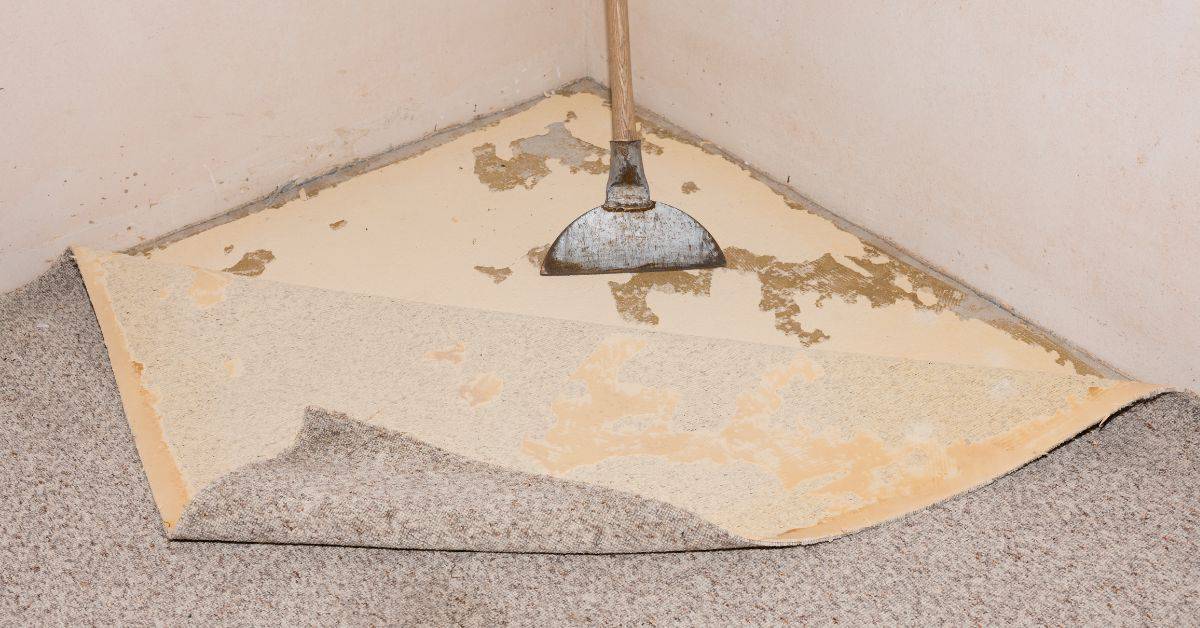
- Removal: Gently agitate the sealer with a nylon brush or scraper to loosen it. Be careful not to damage the concrete surface. Remove residue using a squeegee or putty knife.
- Neutralization and rinsing: Neutralize any alkaline or solvent residues as per product instructions, then rinse thoroughly until the pH is appropriate for your next coating.
- Final check: Re-check the surface cleanliness to ensure all residue has been removed. Document test results for future reference.
Pre-test and small patch procedure
Before applying the stripper to your entire surface, perform a small-area test to confirm its effectiveness and compatibility. This step helps you avoid potential issues and ensures a successful stripping process.
Choose an inconspicuous area or a section with similar sealer and concrete conditions. Apply the stripper according to the manufacturer’s instructions and observe the results.
Check for: ease of removal, any damage to the concrete surface, and whether the stripper is effectively lifting the sealer. If the test is successful, proceed with the full application. If not, consider trying a different stripper or adjusting your approach.
If you’re unsure about the results, consult a professional or contact the stripper manufacturer for advice. It’s better to spend extra time on testing than risk damaging your surface.
Application, agitation, and removal techniques
Proper application and gentle agitation are crucial for successful stripping without damaging the concrete surface. Here’s how to apply, agitate, and remove the stripper:
Application: Use a sprayer, roller, or brush to apply the stripper evenly across the surface. Ensure wet edges to prevent rapid drying and maintain consistent stripper contact with the sealer.
Agitation: After the recommended dwell time, gently agitate the loosened sealer using a nylon-bristled brush or scraper. Work in small sections, applying light pressure to avoid damaging the concrete. Be careful not to scrub too hard or use metal tools that could scratch the surface.
Removal: Once the sealer is fully loosened, remove it using a squeegee or putty knife. Work in manageable sections, scraping the residue off the surface and into a designated container for disposal. Be sure to wear appropriate PPE during this process to protect yourself from any residual chemicals.
Neutralizing and rinsing after stripping
After removing the sealer, it’s essential to neutralize any remaining residues and rinse the surface thoroughly. This step ensures that your concrete is clean and ready for any subsequent coatings or treatments.
Neutralization: Follow the manufacturer’s instructions to neutralize any alkaline or solvent residues left on the surface. This may involve applying a neutralizing agent, such as an acid solution, followed by thorough rinsing with water.
Rinsing: Rinse the surface thoroughly using clean water until the pH is appropriate for your next coating. Test the pH level using litmus paper or a pH meter to ensure it’s within the acceptable range (typically between 6 and 8). This step helps prevent any chemical reactions that could compromise your next coating’s adhesion or performance.
Allow the surface to dry completely before proceeding with any subsequent treatments or coatings. This may take several hours or even a few days, depending on weather conditions.
Mechanical and Abrasive Alternatives to Etching
The goal is to remove the failed sealer without introducing etching you can’t undo, while achieving an appropriate surface profile. Use methods that fit the substrate and coating system you plan to apply next, and avoid overdoing it on delicate slabs.
Typical options include diamond grinding, scarification, shot blasting, or abrasive disc grinding. Plan passes to reach the target surface profile and cleanliness, while protecting reinforcing and minimizing dust creation. Verify readiness with quick tests before moving to coating application.
Diamond Grinding and Shot/Abrasive Blasting
These methods are aggressive, efficient at removing acrylic sealers, and create a suitable surface profile for refinishing. They work by physically abrading the sealer and concrete.
Diamond Grinding: Uses diamond-impregnated tools to grind away sealer and concrete. Expects SP 2-3 profiles (similar to light sandblasting) and removal rates up to 1/8″ per pass. Ideal for large areas with intact sealers.
Shot/Abrasive Blasting: Uses compressed air to propel abrasives (like sand, steel shot, or glass beads) at high speeds. Creates SP 3-5 profiles (similar to heavy sandblasting) and removal rates vary by abrasive type. Great for small areas, tight spaces, or heavily contaminated surfaces.
Heat, Floor Buffers, and Hand Scraping
These methods are best suited for localized areas with thin coatings or when preserving the existing profile is crucial. They work by softening, loosening, or physically removing sealers.
Heat Guns: Use heat to soften acrylic sealers, making them easier to scrape off. Effective on small areas and thin coatings. Be cautious not to overheat and damage the concrete.
Floor Buffers with Stripping Pads: Uses orbital motion and stripping pads to abrade and remove sealers. Creates SP 1-2 profiles (similar to light grinding) and works well on small areas or thin coatings. Expect slower removal rates compared to aggressive methods.
Hand Scraping: Manual method using scrapers to physically remove softened or loosened sealers. Ideal for small, localized areas or tight spaces where other methods may cause damage. Creates minimal profile (SP 1) and requires more labor.
Preparing the Concrete for Recoating After Sealer Removal
Start with substrate readiness: the surface should be clean, dry, and properly profiled for the new coating system. Remove curing compounds, waxes, oils, and any residual sealer without harming the concrete. Document surface conditions to guide the next steps.
Moisture management matters: perform moisture tests as needed and plan drying or conditioning as required. Ensure the surface is open or suitably textured, and establish a dust-free, ready-to-coat workspace with a clear record of tests and outcomes.
Cleaning, degreasing, and residue testing
Before recoating, your concrete needs to be clean as a whistle. Here’s how:
Degrease: Use a concrete degreaser to remove oils, waxes, and other contaminants. Follow the manufacturer’s instructions. Let it soak, then scrub with a stiff-bristle brush.
Test for residue: Swab the surface with isopropyl alcohol. If it beads up, there’s still residue. Keep cleaning until it wets evenly.
Perform pH and adhesion test patches: Do a small patch test with your new sealer to check pH compatibility and adhesion. Follow the manufacturer’s guidelines.
Repairing damage and achieving correct profile
Your concrete should be in tip-top shape before recoating:
Patching spalls: Fill any cracks or holes with a concrete patch. Let it cure, then grind smooth if needed.
Filling joints: If your joint sand has washed out, refill them to prevent coating delamination.
Verify surface texture: Check that the surface profile meets your new sealer’s requirements. Some coatings need a lightly etched or open surface for best adhesion.
Troubleshooting Common Problems and Avoiding Damage
Common failure modes to watch for include sticky residue, whitening or hazing, incomplete removal, and risks of surface etching. Use a diagnostic approach to identify the root cause before choosing a fix. Keep notes of what you observe to guide the next steps.
Carry out small test patches to verify remedies, and proceed with targeted methods such as mechanical, chemical, or a hybrid approach as needed. After removal, neutralize residues and monitor the surface to prevent future issues and to protect the substrate.
Dealing with ghosting, stains, and haze
Removing acrylic sealers can sometimes leave behind unwanted residues like stains or haze. This is often due to incomplete removal of the sealer or underlying contaminants.
Ghosting, where the outline of the old sealer remains visible, occurs when the sealer has penetrated deep into the concrete’s pores. To tackle this:
- Use a poultice made from powdered cleaner and water to draw out the stain.
- Apply, let it sit, then scrape off and rinse. Repeat if necessary.
Stains can be caused by improper cleaning or using harsh chemicals. Neutralize with a suitable cleaner and rinse thoroughly.
Preventing and mitigating substrate damage
Proper technique is key to avoiding damage while removing acrylic sealers. Over-grinding, for instance, can lead to thermal cracking or expose the aggregate, causing pitting.
Over-grinding happens when you grind too deeply into the concrete. To prevent this:
- Use a light touch with grinding tools.
- Regularly check your progress and stop if you hit the base material.
If damage occurs, repair it promptly to prevent further deterioration:
- For thermal cracks, fill with an appropriate concrete repair product.
- For pitting, use a concrete patching compound.
Cost, Time, and When to Hire a Professional
When planning, consider factors that will drive cost and duration, such as area size, the degree of failure, concrete condition, and access. Factor in equipment needs, disposal, and potential additional tests to validate adhesion readiness. Use these considerations to set a realistic plan.
Compare methods by effort and complexity, and weigh DIY versus professional help for large areas or complex substrates. Look for indicators that a pro is warranted, such as deep epoxy layers, laitance, or fragile substrates, and use a simple framework to estimate the project timeline based on approach chosen.
Cost/time trade-offs and decision checklist
Use this checklist to decide whether to tackle sealer removal yourself or hire a pro.
- Area size: Measure the area. More than 1000 sq ft? Consider hiring help.
- Sealer condition: Check for deep epoxy, laitance, or heavy buildup. These may require equipment and expertise beyond DIY.
- Concrete substrate: Inspect for cracks, damage, or weak spots. Complex substrates need careful handling.
- Access: Evaluate if you can safely reach all areas. Limited access might need pros with specialized tools.
- Equipment rental: Consider if you’ll use it enough to justify purchase. Rental costs add up over time.
- Safety: Assess if you have proper PPE and know-how for handling chemicals, dust, and noise. Safety first!
- Time commitment: Realistically estimate how long it’ll take. More than a few days? Consider pros to speed up the process.
- Budget: Compare DIY costs vs. hiring. Remember, cheap now might be expensive later if mistakes happen.
Quick rule: If in doubt, consult with a pro first. Better safe than sorry!
Questions to ask a contractor and documentation to get
Before hiring, ask these questions to ensure you’re getting the best service:
Ask about their experience with your specific sealer type. They should know how to remove it safely and effectively.
Inquire about their insurance coverage. You want protection in case of accidents or damages.
Request references from past clients. A good contractor will provide them gladly.
Get a clear, written scope of work. This should outline the job, materials used, and expected timeline.
Conclusion
Removing a failed acrylic sealer without etching protects the concrete’s appearance and keeps the surface durable. Do it safely, follow the plan, and you’ll avoid costly mistakes that steal time and money.
Begin by checking a small test patch to confirm the sealer’s failure mode, wear proper PPE, and then work in manageable sections. Follow the chemical stripper’s label directions, keep the area well ventilated, and rinse or neutralize as required. Inspect each section after treatment, dry the surface, and only proceed to recoating when the concrete is clean, dry, and free of residue.
Common mistakes to avoid are overdoing mechanical scrubbing or aggressive cleaners that dull concrete, skipping a patch test, and rushing the rinse or dry time. Always document a plan, respect venting and PPE, and never mix products unless the labels say it’s safe. If the job requires significant surface damage control, or you’re unsure about the substrate’s condition, consider a professional for a clean, durable finish that lasts. Stay steady, follow the plan, and you’ll have a solid, even surface ready for coating.
FAQ
What should I check on the remover label to choose the right acrylic sealer remover?
Look for compatibility with acrylic sealers and concrete. Check application instructions, dwell time, and safety notes. If anything is unclear, compare with manufacturer guidance or ask the supplier for a clear answer.
What are the best non-etching surface preparation methods after removing the sealer?
Sweep and vacuum to remove dust, then wash with a mild concrete cleaner or degreaser. Rinse thoroughly and let the surface dry completely before recoating. If stains remain, consider a light mechanical scrub without heavy abrasion.
How should I apply a remover for acrylic sealers to avoid damage?
Follow the product directions step by step and apply evenly with a compatible applicator. Do not leave puddles or over-apply in corners. Work in small sections and keep the surface wet for the recommended dwell time.
What safety precautions are essential during removal and post-cleaning?
Wear eye protection, gloves, and a respirator or good mask if fumes are present. Ventilate the area and avoid mixing cleaners. After cleaning, rinse thoroughly and inspect the surface for residue before sealing again. If you’re unsure about a product, check the label, datasheet, or local guidance.