

Introduction
Shot blasting is a surface preparation method that uses high-velocity abrasive to clean and roughen a surface. For DIY projects, you can rent equipment and compare how it fits your time, budget, and safety plan. Always check the operator’s manual and local rules for ventilation and containment before you start.
There are walk-behind, self-propelled, and ride-on machines that vary in footprint and power. Dust control is a major factor; look for built-in enclosures, dust collectors, or water suppression and plan containment. Rentals work best for small to medium jobs when you can schedule setup, use, and cleanup without committing to a long-term tool.
Key takeaways
- Assess project material, surface condition, and access to decide if shot blasting is warranted.
- Walk-behind, self-propelled, and ride-on blasters suit different scales and spaces.
- Shot blasting uses propelled media to abrade surfaces, exposing fresh, uniform profiles.
- Choose media by material type and desired texture; avoid embedding into substrate.
- Rent with a contained dust-control plan and mobility for your workspace.
- Always use PPE, seal off area, and verify local rules before blasting.
Table of Contents
- Introduction
- Key takeaways
- Is Shot Blasting Right for Your DIY Project?
- Types of Shot Blasters and How They Differ
- How Shot Blasting Works (Mechanics and Surface Effects)
- Choosing the Right Shot Media
- Dust Control and Containment Strategies
- Rental Options: What to Look for and a Pre-Rental Checklist
- Renting Vs. Buying: Decision Factors for Diyers
- Safety, Maintenance, Common Mistakes, and Environmental Considerations
- Conclusion
- FAQ
Is Shot Blasting Right for Your DIY Project?
Shot blasting suits projects where you need a clean, prepared surface, a defined profile, or coatings to key well for adhesion. Think old coatings removal, surface cleaning, or profile creation for coatings on concrete floors, patios, or countertops. The key outcomes to watch are a clean surface, proper profiling, and coating readiness.
Consider the match to your goals: mechanical cleaning, surface profiling, and improved adhesion. Look at what you need to remove, the desired roughness, and how much time and labor the project will require. Also review safety and dust control, including PPE, ventilation, containment options, and any local rules. A quick decision checklist can help you compare shot blasting to grinding and other methods to judge if it’s worth it for your scenario.
When shot blasting is worth it
Shot blasting shines when you need to remove old coatings, rust, or contaminants quickly and efficiently. It’s your best bet for creating a consistent surface profile for coating application.
Time-saving: Shot blasting can cover large areas faster than grinders or hand methods. It’s ideal for big projects like warehouse floors or long driveways.
Superior profile: Unlike grinders, shot blasting doesn’t generate heat that could damage the substrate. It creates a uniform surface profile, improving adhesion of new coatings.
When to choose alternatives
While shot blasting is powerful, it’s not always the best tool for the job. Here are some scenarios where other methods might be preferable:
Small areas: For tiny jobs like removing paint from a small patio or countertop, hand scraping or grinding might be more practical and less messy.
Delicate surfaces: Water-based blasting or chemical removal could be gentler on sensitive substrates. They’re great for historic concrete that you don’t want to damage.
Environmental concerns: If dust control is a major issue, consider water-based blasting or enclosure methods. For toxic contaminants, chemical removal might be safer.
Types of Shot Blasters and How They Differ
The main categories are walk-behind, self-propelled, and ride-on machines, each with its own footprint and power needs. Walk-behind units are usually lighter and easier to maneuver in tight spaces. Self-propelled and ride-on options cover larger areas with different speed and reach.
Scale and maneuverability drive what works for your space. Small patios or interior slabs often suit a walk-behind unit, while bigger garage floors may justify a larger machine. Operator skill and training influence how you set feed rate, blast pressure, and nozzle selection, with safety and supervision as ongoing requirements.
Walk-behind models — best fit for small DIY jobs
For smaller spaces like garages, patios, or interior slabs, walk-behind shot blasters are your best bet. They’re compact and easy to maneuver.
These units typically have widths ranging from 12″ to 48″, making them perfect for narrow or tight areas. They’re also lighter, usually weighing between 50 to 300 lbs, so you can control them with ease.
Operator skill is crucial here. You’ll need to master the feed rate, blast pressure, and nozzle choice to get the desired profile. Safety gear like goggles, gloves, and ear protection are a must.
Self-propelled and ride-on for larger areas
When you’ve got bigger spaces to cover, like large garage floors or commercial warehouses, self-propelled or ride-on shot blasters are the way to go. They offer greater capacity and speed.
These machines usually have widths ranging from 48″ to 72″, and they’re heavier, weighing between 1000 to 3000 lbs. They require more space for turning and often need a dedicated power source (gas or electric).
Operator skill is still key, but these machines also introduce access and transport requirements. You’ll need to ensure there’s enough room to maneuver, and you might need help moving the machine around.
Safety is paramount here too. These machines can kick up a lot of dust, so proper ventilation, containment, and PPE are essential.
How Shot Blasting Works (Mechanics and Surface Effects)
At the core, a turbine drives media at high velocity to strike the surface, causing micro-abrasion and cleaning that exposes aggregate and removes coatings. This mechanical action creates a roughened surface ready for coatings. The results depend on the media and settings you choose.
Media size and hardness, along with nozzle distance and travel speed, shape the profile and cleanliness you’ll see. Concrete behaves differently from overlays, so expect visible differences in texture and uniformity as you adjust the setup. Safety and setup checks, including PPE, ventilation, and securing the area, keep the job controlled and clean.
Turbines, shot velocity, and surface profiling
The heart of a shot blaster is its turbine. This spins at high speeds to accelerate media (shot or grit) out of the nozzle.
Imagine it like a tiny sandblaster. The faster the turbine spins, the harder the media hits your surface. That’s impact energy – what creates micro-abrasion and cleans your concrete.
The right velocity exposes aggregate, removes coatings, and prepares your surface for new finishes. Too slow, you won’t get clean results. Too fast, you might damage the substrate.
Visual checkpoints for acceptable results
Before moving on to your next step – like sealing or overlaying – use this checklist to ensure your surface is ready. Do this after blasting and before any cleanup.
- Uniform texture: Your surface should look consistent, with no smooth spots or missed areas.
- Exposed aggregate: You should see small stones or gravel on the surface. This indicates good adhesion for new coatings.
- Coating removal: Old paint, stains, or sealers should be completely gone.
- No shiny spots: These indicate missed areas where the old coating is still present.
- Rebar exposure: Check for any exposed rebar. If found, grind it smooth and apply a protective coating before proceeding.
- Surface damage: Look for cracks or other defects that need repair before overlaying.
- Dust-free: Your surface should be dry and free of loose dust. A quick wipe with a damp cloth can help check this.
- Consistent profile: The entire surface should have the same level of roughness, ready for your next step.
Quick rule: If something doesn’t look right, recheck your work. It’s better to spot issues now than after applying new materials.
Choosing the Right Shot Media
Media types include steel shot, steel grit, ceramic beads, and glass beads, each with distinct aggressiveness and finishing texture. The material’s composition, shape, and size drive how it cuts and how the surface feels after blasting. These choices influence the final profile and cleanliness on concrete substrates.
Think about substrate compatibility and coating needs when selecting media. Some media are gentler on hardened floors or coatings, while others offer stronger surface removal. A quick compatibility check with your substrate and coating data will guide a practical choice for your project.
Reuse, separation, and disposal considerations
The shot media can be reused multiple times in a closed system. But once it’s spent – too worn or contaminated – it needs to go.
Spent steel shot/grit should be separated from other debris. It’s magnetic, so use a magnet to help. Then, recycle it at a metal recycling center.
Ceramic and glass beads can’t be recycled like steel media. Once spent, they’re usually disposed of as hazardous waste due to their silica content. Check local regulations for safe disposal.
Media vs. coating compatibility
Different shot media can embed or contaminate surfaces, affecting coatings. Here’s what to check:
Steel shot/grit can leave micro-scratches that might affect adhesion of thin coatings like urethanes or epoxies. It’s safe for terrazzo and decorative overlays.
Ceramic and glass beads are gentler, making them safer for thin coatings. But they can embed in softer substrates, so avoid on new concrete or surfaces with exposed aggregates.
Always test a small area first to ensure compatibility. And remember, the better you prep your surface, the better your coating will perform.
Dust Control and Containment Strategies
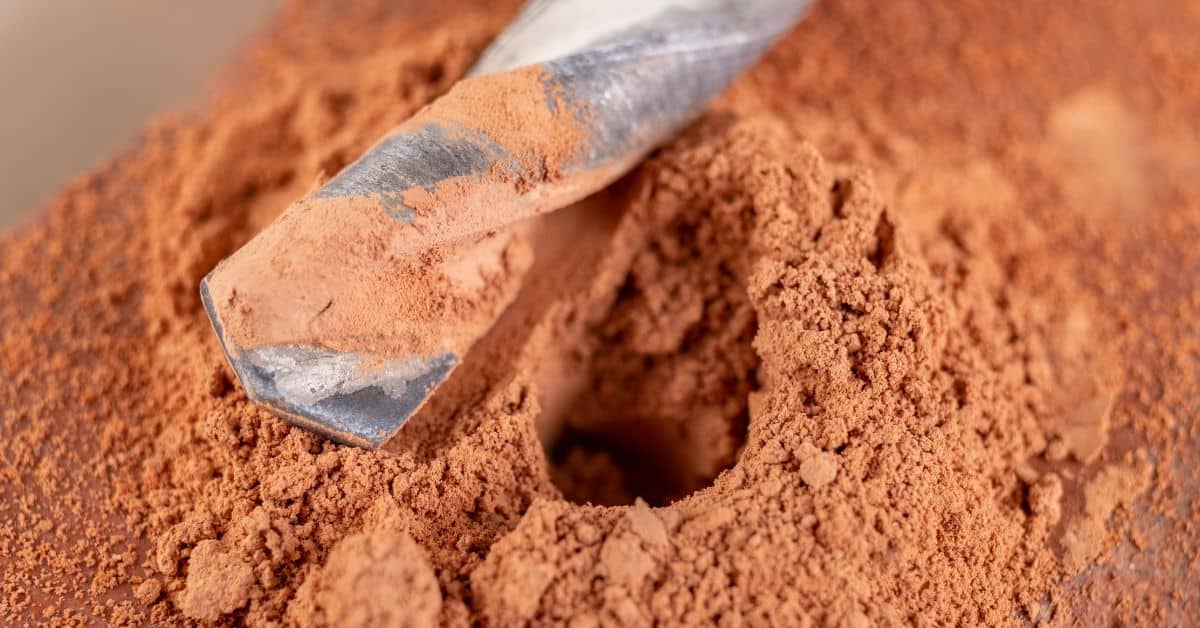
Dust sources include fines, silica dust, and media fragments, with health and indoor air quality implications for DIYers. Plan containment and ventilation to keep the work zone safe and compliant. Enclosures, barriers, and controlled airflow are your first line of defense.
Containment strategies include temporary enclosures, plastic sheeting, airlocks, and negative-pressure setups. Dust collection can be supported by portable units with appropriate filters to capture dust at the nozzle. Coupled with housekeeping, these steps reduce cleanup burdens and exposure in occupied spaces.
Dust collectors and filtration basics
A dust collector is your first line of defense against shot blasting dust. When renting, ensure the provider includes one that’s compatible with your blaster.
Check for these signs to confirm your dust collector is working properly:
- Suction: It should create a strong pull at the nozzle.
- Filter change: If filters need frequent replacement, it might be undersized or clogged.
Containment, negative pressure, and cleanup steps
Contain the dust to keep your workspace clean and protect indoor air quality. Use temporary walls or plastic sheeting to seal off areas.
Create a negative-pressure setup by ensuring airflow is directed outwards. This prevents dust from migrating into sealed spaces.
After blasting, use a vacuum with a HEPA filter to clean up remaining dust. This will help minimize cross-contamination and simplify post-job cleanup.
Rental Options: What to Look for and a Pre-Rental Checklist
When evaluating rental providers, consider the fleet’s age, maintenance history, and availability of DIY-friendly shot blasting equipment. Look for equipment that matches your room size and surface type. A simple check of operational readiness helps prevent on-site delays.
Logistics matter too: plan delivery and pickup, access needs, staging space, and return procedures. Ask about operator support, safety briefings, and whether an on-call ex