Hand tool smoothing a concrete slab surface outdoors

Concrete Dust Control: HEPA Vac Basics for Grinders and Cutters

Introduction

HEPA vacuums are high‑efficiency cleanup tools that trap fine concrete dust while you grind or cut. They help reduce airborne dust exposure and keep your work area cleaner, especially when paired with the grinder or cutter you’re using. Use them with care, following the tool’s setup steps and maintaining the filter and hose connection as you work.

Different models offer varying capacity and suction power, so choose based on the size of your grinder or cutter and the job you’re doing. Always check the manufacturer instructions and any local rules for dust control, and make sure you have compatible accessories for grinding and cutting tasks. Plan to use the vacuum for every grinding or cutting session to keep dust under control.

Key takeaways

  • Choose a true HEPA vacuum rated for concrete dust and grinder chatter.
  • Use a compatible attachment for grinders and cutters to seal dust paths.
  • Regularly check filters for loading and replace per manufacturer guidance.
  • Plan budget and ROI by comparing purchase cost, maintenance, and dust-related saves.
  • Always wear proper PPE; never rely solely on dust collection for safety.
  • Inspect hoses, seals, and casings for damage before each grinding session.
Table of Contents

Why Concrete Dust Control Matters (Health, Cleanup, and Compliance)

Dust control matters for health, cleanup, and keeping the project moving. It protects workers from respirable crystalline silica exposure and reduces the burden of cleanup after grinding or cutting. Compliance rules may require engineered controls in many jobs and regions, with penalties for noncompliance.

Health risks come mainly from inhaling fine silica dust, which can lead to serious lung conditions over time. Engineering controls like HEPA vacuums and water suppression are preferred over relying on PPE alone. Practical steps on site help maintain productivity by avoiding delays and hazards while staying within regulations.

Health risks of silica and exposure symptoms

Silica dust, when inhaled, can cause serious health issues. It’s tiny – smaller than a human hair – so it gets deep into your lungs.

Short-term: You might experience nosebleeds, coughing, or chest tightness right after exposure.

Long-term: Regular exposure can lead to silicosis, a lung disease with no cure. It’s progressive and can be fatal. Minimizing airborne dust reduces these risks.

Regulations, standards, and employer responsibilities

OSHA has set a permissible exposure limit (PEL) for crystalline silica at 50 µg/m³ (micrograms per cubic meter) as an 8-hour time-weighted average.

Employers must provide engineering controls like HEPA vacuums, water suppression, or local exhaust ventilation to keep exposures below this level. Regular air monitoring and employee training are also required.

Local regulations may vary, so check your state’s rules too. Non-compliance can lead to fines and penalties.

When to choose HEPA vacs versus wet methods or local exhaust

HEPA vacuums are ideal for dry cutting/grinding tasks. They collect dust at the source, keeping it out of the air.

Wet methods – using water to suppress dust – are great for tasks that generate a lot of dust, like concrete grinding or jackhammering. But they can create slip hazards and may not be suitable for all surfaces.

Local exhaust ventilation systems draw dust away from the work area. They’re useful in confined spaces or when working on sensitive materials. Choose the method based on your task, surface, and workspace conditions.

Back to top ↑

How HEPA Vacuums Work and Vacuum Types for DIY and Trades

A HEPA vacuum is central to concrete dust control because true HEPA filtration traps fine particles and keeps the work area safer. The right vacuum matters for health and air quality around grinders and cutters. Verify manufacturer ratings rather than trusting marketing claims.

Vacuum categories include handheld shop vacs with HEPA options, wet/dry vacuums, and portable dust collectors. Each has practical pros and cons for different jobsite tasks and setups. Choose based on compatibility with your dust shroud and tool layout, not just price.

HEPA filters vs standard filters — what to verify

When it comes to concrete dust control, not all vacuums are created equal. HEPA stands for High-Efficiency Particulate Air. It’s a type of filter that traps 99.97% of particles as small as 0.3 microns.

True HEPA filters are certified by the U.S. Department of Energy to meet these standards. To confirm, look for the ‘HEPA’ logo and check if it’s true HEPA or just ‘HEPA-like’.

Inspect filter seals too. Tears or gaps can let dust escape. Make sure they’re intact and well-sealed.

Portable/DIY vs jobsite/industral vacuums

Vacuums come in different sizes and strengths. For DIY projects, portable handhelds or shop vacs with HEPA options might suffice. They’re lighter, cheaper, and easy to move around.

For jobsites, consider industrial-grade vacuums. They’re tougher, have larger capacities, and can handle heavy use. But they’re bulkier and pricier.

Think about your workflow too. If you’re moving around a lot, portability is key. If you’re in one spot all day, capacity might be more important.

Wet/dry, antistatic, and ATEX considerations

Some vacuums can handle both wet and dry messes. If you’re working with both types of dust or spills, these wet/dry vacuums are handy.

Antistatic features help prevent static buildup, which can be a fire hazard with fine dusts like concrete. Check if this is important for your setup.

Atex certification is for vacuums used in explosive environments. If you’re working around flammable materials, ensure your vacuum has the right ATEX rating.

Back to top ↑

Choosing the Right HEPA Vacuum: Features to Prioritize

Assess how the vacuum’s airflow matches your grinder or cutter setup to prevent dust from bypassing the collection system. A good fit keeps more dust inside the bag or canister where you want it.

Look for easy filter access, reliable seals, and sturdy construction for on-site use. Mobility and compatibility with your tools influence how often you will actually use the unit. Verify labeling that clearly explains HEPA performance and maintenance guidance.

Tool compatibility, hoses, and adapters

Matching your HEPA vacuum to your concrete tools is crucial for effective dust collection. Here’s what to consider:

  • Vacuum-to-tool fit: Ensure the vacuum’s inlet port matches your tool’s exhaust port size.
  • Hoses and adapters: Check if hoses are included, and if not, look for compatible adapter options. Some tools may require specific adapters.
  • Airflow path: A clear, unobstructed airflow path from tool to vacuum is vital for efficient dust collection.
  • Optional/rentable tools: Consider renting or purchasing additional tools like shrouds or dust extraction systems for better containment and efficiency.
  • Price cues: Realistically, expect to spend around $100-$300 for a good quality HEPA vacuum with compatible hoses and adapters.

Filter class, sealing, and maintenance access

The filter is the heart of your HEPA vacuum. Here’s what to look for:

HEPA filter class: Ensure the filter meets the required HEPA standard (e.g., H13 or H14) for effective dust capture.

Sealing: Check gaskets, lid locks, and inlet-to-can seals to prevent bypass leakage. A well-sealed system ensures concrete dust stays contained.

Maintenance access: Look for tool-free filter removal, clear housing for easy checks, and readily available replacement filters to minimize downtime mid-project.

Noise, weight, portability, and jobsite durability

Balancing noise levels, weight, portability, and ruggedness is key when choosing a HEPA vacuum for your jobsite:

Noise: Consider the noise level, especially if you’re working in residential areas. Expect around 60-80 dB(A).

Weight and portability: Lighter vacuums (around 15-30 lbs) are easier to maneuver but may lack durability for heavy use. Wheeled models with long power cords or cordless options can improve portability.

Jobsite durability: For tough jobs, consider heavier-duty vacuums with robust casters and sturdy construction. Regular maintenance, like cleaning prefilters, will also extend your vacuum’s lifespan.

Back to top ↑

Comparing Brands and Models (Practical Evaluation)

Use a framework to compare vacuums by real needs on concrete jobs, such as filtration efficiency, portability, and compatibility with common grinders. Separate marketing claims from verifiable features before deciding.

Read spec sheets with a critical eye and consider warranty terms and service networks. Plan how you will service the unit and source replacement parts locally to avoid downtime.

What to include in a comparison checklist

Before you start comparing HEPA vacuums, create a checklist to ensure you’re evaluating the right features. Here’s what to consider:

  • Certification: Look for independent certifications like OSHA or NIOSH to ensure safety and performance.
  • Tool Compatibility: Check if the vacuum fits your grinder’s dust port size and shape.
  • Filter Availability: Verify reusable filters are available, and disposable ones aren’t too expensive.
  • Warranty: Ensure it covers at least 1 year and includes labor.
  • Local Service Options: Check if there’s a service center nearby for repairs.
  • CFM & Static Pressure: Compare airflow (CFM) and static pressure to match your grinder’s power.
  • Noise Levels: Consider noise at typical distances to protect your hearing.
  • Weight & Portability: Ensure it’s light enough for you to carry around the jobsite.
  • Accessories: Check if hoses, adapters, and cyclone kits are available.

Quick rule: The more boxes ticked, the better suited the vacuum is for your needs.

How to vet reviews and performance claims

Not all reviews are created equal. Here’s how to spot credible feedback and verify performance claims:

First, look for verified purchases. These carry more weight than unverified ones. Also, check if the reviewer has a history of leaving helpful reviews.

Next, pay attention to specifics. Reviews mentioning actual CFM, noise levels, or filter lifespan are more useful than vague praise or criticism.

Lastly, cross-verify claims with other sources. If a vacuum claims high CFM but reviews mention poor suction, something’s amiss. Always check multiple sources before making a decision.

Questions to ask sellers and service providers

Before you buy or commit to a service plan, ask these targeted questions:

Replacement Filters: How much do replacement filters cost? When will they be available?

Repair Services: Where is the nearest repair center? What’s their typical turnaround time for repairs?

Return Policy: What’s your return policy if I’m not satisfied with the product or service?

Upgrade Paths & Accessories: Are there upgrade paths available, like cyclone kits or longer hoses? How soon can they be delivered?
Back to top ↑

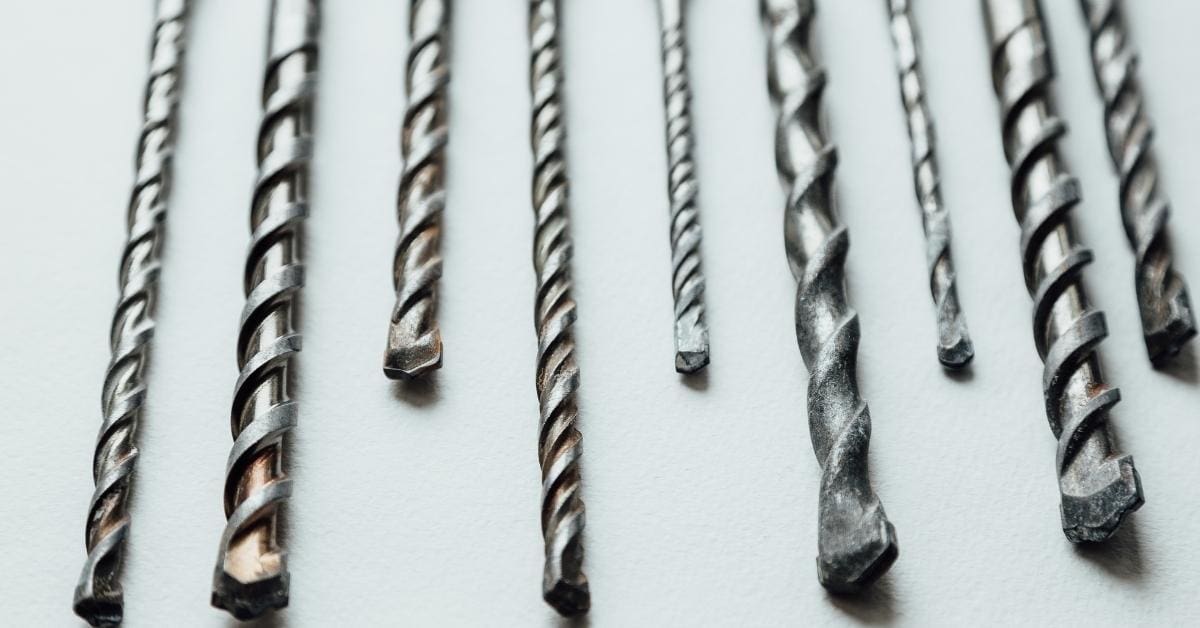
Various concrete drill bits arranged on white surface

Planning Your Purchase: Cost Breakdown and ROI Considerations

Think through total cost of ownership, including the upfront price, replacement filters, and maintenance supplies. Don’t overlook adapters and accessories that affect compatibility with your tools.

Estimate return on investment by weighing reduced cleanup time and lower regulatory risk against ongoing costs. Gather data on current cleanup hours and labor costs to benchmark improvements over time.

Upfront vs Ongoing Costs to Budget For

When planning your purchase, it’s crucial to understand the difference between upfront and ongoing costs. This helps you make an informed decision and avoid unexpected expenses down the line.

Upfront costs include the purchase price of the HEPA vacuum, any adapters or attachments needed for your grinder/cutter, and initial maintenance supplies like filters and seals. These are one-time expenses that you’ll incur when you first buy the equipment.

Ongoing costs, on the other hand, are recurring expenses that you’ll face throughout the lifespan of your vacuum. These include replacement HEPA filters, energy use (electricity or fuel), and any required consumables like hoses, gaskets, or brush seals. Additionally, consider warranty or service plans to keep your equipment in top shape.

Estimating ROI and Payback Factors

To estimate the return on investment (ROI) of a HEPA vacuum, you’ll need to consider several variables. While we can’t provide specific values, understanding these factors will help you make an educated guess.

The primary factors influencing payback include:

  • Job frequency: How often do you or your crew perform concrete grinding or cutting tasks?
  • Crew size: Larger crews can complete jobs faster, reducing downtime and increasing productivity.
  • Fine-dust cleanup time saved: Estimate the time spent on cleanup with and without a HEPA vacuum. The difference is your potential time savings.

Other factors to consider include reduced compliance risk (dust exposure and regulatory penalties) and improved worker health, which can lead to increased productivity and lower incident/health costs.

Buying Used vs New and Warranty Trade-Offs

When considering a HEPA vacuum, you might be tempted to buy used equipment to save money. While this can be a viable option, it’s essential to weigh the pros and cons and understand what you’re getting into.

Pros of buying used: Lower upfront cost, potentially suitable for infrequent users or those on a tight budget.

Cons of buying used: Unknown maintenance history, reduced warranty coverage (if any), potential hidden defects, and lower resale value. When inspecting used equipment, pay close attention to the condition of filters, hoses, and the vacuum’s overall build quality.

Warranties and service networks are crucial considerations when buying new or used equipment. A comprehensive warranty can provide peace of mind and help cover repair costs. Additionally, a strong service network ensures that you’ll have access to maintenance and support when you need it.

Back to top ↑

Setup, Accessories, and Tools Checklist for Grinders and Cutters

Plan a practical dust-control layout that minimizes hose bends and maximizes suction at the tool line. A clean setup helps maintain consistent performance during a long shift.

Build a comprehensive accessories list, including hoses, cuffs, tool shrouds, mounting hardware, and clamps. Ensure parts fit common grinder and cutter models, and have printable templates or guides ready for quick installation.

Essential accessories and spare parts checklist

Before you start, ensure you have all the necessary accessories to maintain a tight seal and efficient dust control. Here’s a quick checklist:

  • Correct-diameter hoses: Match hose diameter to your tool’s exhaust port to maintain suction efficiency.
  • Adapters/cuffs: Have various sizes on hand for different tools and ports.
  • Gaskets: Ensure a tight seal at connections. Check for wear and replace if needed.
  • Extra HEPA filters: Keep spares to maintain suction power and filter out 99.97% of particles.
  • Replacement seals: Have spare O-rings, gaskets, and other seals to prevent leaks.
  • Clamps: Secure hoses and cords to prevent snagging or tripping hazards.
  • Anti-static features: Ensure your setup is anti-static to prevent static buildup and sparks.
  • Mounting hardware: Have screws, bolts, and washers for mounting shrouds and cuffs securely.

Quick rule: Regularly inspect and replace worn or damaged parts to maintain suction efficiency and prevent dust leakage.

Proper hookups and sealing techniques

Correct hookup and sealing are crucial for efficient dust control. Follow this checklist to create a tight seal:

  • Shroud fit: Ensure the shroud fits snugly around the tool’s cutting surface.
  • Cuff attachment: Secure the cuff tightly onto the shroud and hose using clamps or screws.
  • Hose connections: Connect hoses securely to tools, vacuums, and other accessories. Check for leaks at joints.
  • Sealant application: Apply sealant around gaskets and O-rings to prevent dust leakage.
  • Tool-specific adapters: Use grinder-specific adapters if needed to ensure a tight fit.
  • Over-shroud configuration: If using an over-shroud setup, ensure the shroud covers the entire cutting area.
  • Inline configuration: For inline setups, ensure the hose is securely attached to the tool and vacuum.

Quick rule: Regularly inspect connections for leaks. Tighten or replace seals as needed to maintain suction efficiency.

Visual checkpoints before starting a job

Before you start cutting or grinding, perform these quick visual checks to ensure your setup is ready:

  • Hose integrity: Inspect hoses for cracks, holes, or kinks that could restrict airflow.
  • Seals and gaskets: Check seals around cuffs, shrouds, and hose connections for any signs of wear or damage.
  • Airflow path: Ensure the airflow path is clear from blockages or obstructions.
  • HEPA filter: Inspect the HEPA filter for any visible damage or clogging. Replace if needed.
  • Cord and hose management: Ensure cords and hoses are properly managed to prevent tripping or snagging hazards.
  • Tool compatibility: Double-check that your shroud, cuffs, and adapters are compatible with the tool you’re using.

Quick rule: A quick visual check before starting can prevent downtime and ensure efficient dust control throughout the job.

Back to top ↑

Best Practices and Techniques for Dust Control While Grinding and Cutting

Pair the grinder or cutter with a HEPA-rated vacuum and verify the system before starting. Confirm the vacuum has the right hose diameter and that the filter is in good condition.

Create a controlled work zone with barriers and negative pressure where possible. Position the vacuum inlet near the dust path without interfering with tool operation to maximize capture and minimize rework.

Step-by-step technique for one-operator and two-operator setups

Mastering the sequence of operations ensures optimal dust capture. Here’s how to do it, whether you’re flying solo or have an assistant.

  1. Position the vacuum inlet close to the cutting/grinding line, without obstructing tool operation.
  2. For one-operator: power tools on first, then initiate vacuum. Engage grinding/cutting slowly and steadily.
  3. Keep the tool’s dust path aligned with the vac inlet. Pause periodically to clear the line.
  4. For two-operators: assistant manages hose routing and maintains suction. Main operator focuses on cutting/grinding.
  5. Communicate clearly between operators to ensure smooth workflow and minimal rework.

Work sequencing, containment, and housekeeping

Before you start grinding or cutting, stage your work area for success. Contain dust and keep things tidy.

Barriers and plastic sheeting create a controlled work zone. Negative pressure helps contain dust.

Interim cleanup habits matter too. Regularly clear settled dust, empty bags, and inspect equipment to maintain peak performance.

Coordination with other controls (wet methods, local exhaust)

Sometimes, HEPA vacuuming isn’t enough. Combining methods ensures safety and efficiency.

For wet cutting, switch your vac to compatible wet/dry settings. Maintain proper drainage to prevent clogging.

Use local exhaust ventilation in tight corners or overhead work. Angle nozzles and use flexible hoses for best results.

Balance methods safely. Too much water can damage surfaces, while too little suction leads to rework.

Back to top ↑

Maintenance, HEPA Filter Care, and Troubleshooting

Set a practical maintenance schedule with quick daily checks and deeper weekly or monthly maintenance. Align the plan with how often you use grinders and cutters and the dust exposure you face.

Handle used filters safely, following PPE guidance and local disposal rules. Document changes, inspect seals and hoses, and note any performance changes to catch issues early.

Routine maintenance checklist and frequency guidance

Use this checklist daily, weekly, and monthly to keep your HEPA vacuum running smoothly. Follow manufacturer service intervals for best results.

  • Daily: Check dust bag or canister; empty when full.
  • Daily: Inspect power cord and connections for damage.
  • Weekly: Examine filter housing for cracks or leaks.
  • Weekly: Check airflow at exhaust; ensure it’s not restricted.
  • Monthly: Clean pre-filter (if applicable) using manufacturer-approved methods.
  • Monthly: Inspect vacuum seals and gaskets for wear or damage.
  • Monthly: Check filter pressure drop; note any increases.
  • Every 3 months: Deep clean the vacuum, following manufacturer guidelines.

Quick rule: Stick to your maintenance schedule. Skipping checks can lead to reduced suction and costly repairs.

How to tell when a HEPA filter needs replacement and safe disposal

A HEPA filter’s efficiency drops over time. Replace it when you notice these signs:

Suction drop: Reduced suction power indicates clogging or filter damage.

Visible damage: Cracks, tears, or punctures compromise the filter’s seal and should be replaced immediately.

Disposal: Bag used filters in double plastic bags. Seal tightly and dispose of according to local hazardous-waste guidelines. Always wear gloves when handling used HEPA filters.

Common problems and simple fixes

Here are common issues you might face with your HEPA vacuum and their solutions:

Clogged filter: Regularly clean or replace pre-filters to prevent clogs. If the main filter is clogged, try reversing airflow (if applicable) to dislodge dust.

Loss of suction: Check for blockages in the vacuum hose or filter housing. Ensure all connections are secure and tight.

Unusual noises: Inspect the vacuum for any loose parts or debris causing noise. If the problem persists, contact a service professional.

Back to top ↑

Conclusion

Keep the dust under control or you pay in health, cleanup time, and a worse-looking finish. A good HEPA vacuum and smart setup protect you, your space, and your project from costly setbacks.

Check your plan in plain terms: confirm you have a true HEPA unit, verify the hose and attachments fit your grinder or cutter, run a quick test in a small area, and document a simple workflow for each job. Start with setup and airflow, then test one cut or grind pass, monitor for visible dust, and only proceed if the area stays clean and breathable.

Avoid these common mistakes: using a non-HEPA vacuum or a shop vac without a dedicated filter, ignoring seal gaps around the vacuum or tool, and blasting dust into your face or into other rooms. Safety rules are simple: seal the work area as much as you can, wear a proper respirator, and never bypass filters or rush cooldowns after grinding. Keep your tools clean and maintain filters regularly to prevent performance drop and damage to the vacuum motor.

If the job goes beyond small renovations, or you’re unsure about dust containment in complex spaces, call a pro for a quick setup or evaluation. When in doubt, stop and verify, then proceed with a clear plan. Stay focused on safety, and you’ll finish cleaner, faster, and with fewer surprises.

Back to top ↑

FAQ

Can a HEPA vacuum really handle concrete grinding and cutting, and what should I check before buying?

Yes, a HEPA vacuum can handle concrete dust, but verify it has a true HEPA filter and a sealed design. Look for manufacturer guidance on dry concrete dust use and compatibility with grinders or cutters. Check that it includes or supports dust shrouds and accessories for grinding or cutting tasks.

Also confirm the vacuum’s intended use with concrete dust in its instructions, not just marketing claims. If in doubt, ask the seller or check the label for approved dust types and maximum safe operation notes.

What features matter most for DIY use with grinders and cutters?

Capacity helps you run longer between dumps, and strong suction matters for collecting fine dust. A unit with easy-to-clean filters, a reliable automatic filter clean or simple maintenance loop, and a flexible hose plus compatible attachments makes the job quicker. Noise level and portability are practical, especially on small jobs around the house.

Make sure there is a dust shroud or adapter compatibility for your grinder or cutter. Confirm that the hoses and fittings fit your tool and that replacement parts are readily available.

What safety tips should I follow when using a HEPA vacuum with concrete tools?

Wear a respirator rated for dust and eye protection whenever grinding or cutting. Seal off the work area as much as possible to prevent dust spread. Never use a vacuum indoors if it isn’t rated for the dust or has a known safety issue.

Keep the vacuum away from sparks or open flames, and avoid dusty drains or areas where dust could enter the electrical system. Check the manual for any cautions about dry dust and electrical cords.

What maintenance steps help keep a HEPA vacuum reliable for concrete dust?

Regularly empty the canister or bag and inspect the pre-filter for buildup. Clean or replace the HEPA filter per the manufacturer’s instructions and as needed after heavy use. Inspect hoses and attachments for cracks or clogs and store the unit in a dry place.

Record any performance changes and check the seal between the housing and filter. If you notice reduced suction, review the setup and consult the manual before continuing with risky operation.

Back to top ↑

More about this topic