
Introduction
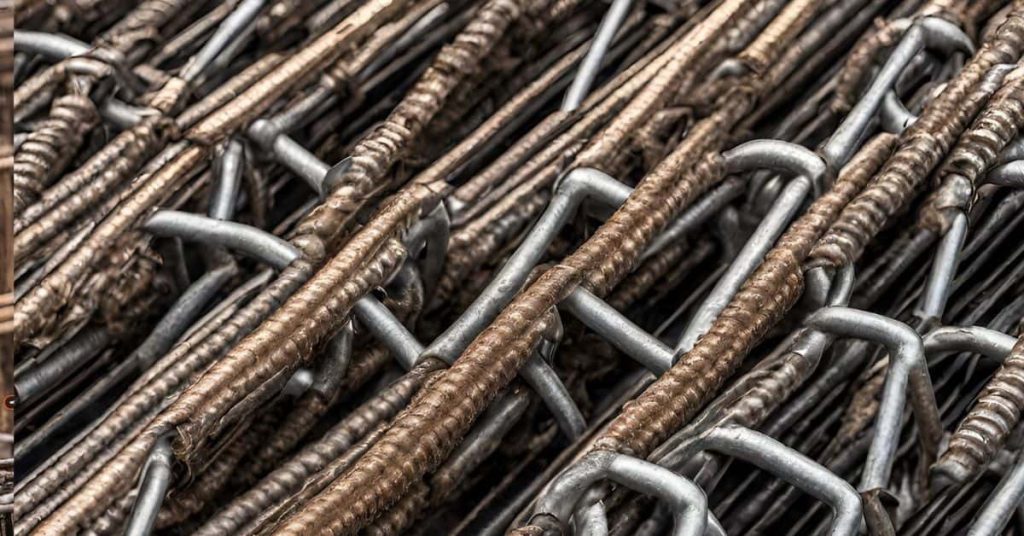
Galvanized rebar is steel reinforcing bar coated with zinc to resist rust.
In DIY projects, that coating matters for longevity in moist concrete, but you still need to follow local rules and manufacturer guidance. When you’re tying it into repair work, consider how the galvanized surface will interact with repair mortars and what to verify before mixing.
Check the product label and manufacturer instructions for coating type, compatibility with repair mortars, and any exposure limits. Have the right basic tools on hand: wire cutters or bolt cutters, an adjustable pliers, a hammer, and a masonry chisel for prep, plus PPE for concrete work. If you’re unsure about standards or suitability for your repair mortar, check local building rules or ask a pro for guidance.
Key takeaways
- Galvanized rebar resists corrosion, extending embedded member life in concrete applications.
- Check coating type and standards to ensure proper bond with repair mortars.
- Compatibility varies with mortar chemistry; verify slump, set times, and additives.
- Tools: wire brushes, pliers, and protective gloves; avoid bending on-site.
- Follow material specs and local codes; improper detailing risks cracking and corrosion.
- Inspect coatings, sleeves, and intersections; plan sequencing to minimize downtime.
Table of Contents
- Introduction
- Key takeaways
- What Is Galvanized Rebar?
- Pros and Cons of Using Galvanized Rebar
- Material Specs and Standards Explained
- Compatibility of Galvanized Rebar with Repair Mortars
- Tools and Materials Checklist for Working with Galvanized Rebar
- Applications and Common Use Cases
- Safety, Handling, and on-Site Best Practices
- Cost, Planning Guidance, and Common Mistakes to Avoid
- Conclusion
- FAQ
What Is Galvanized Rebar?
Galvanized rebar is standard reinforcing steel with a zinc coating to resist corrosion. The coating is most commonly applied by hot-dip galvanizing, with electrogalvanizing as an alternative, and the primary goal is to protect the steel in concrete and repairs by delaying rust and reducing corrosion-related failures.
The zinc coating acts as both a sacrificial barrier and a physical blockade against moisture and chlorides once embedded in concrete, helping the rebar last longer. For repairs, watch for coating damage during cutting and use compatible mortars and bonding agents; verify coating integrity with simple visual checks and read the product label and datasheet for markings.
How galvanizing differs from other coatings
Galvanized rebar isn’t the only option for corrosion protection. Epoxy-coated and stainless steel reinforcement are alternatives, but they work differently.
Epoxy-coated rebar has a protective layer that prevents direct contact between steel and concrete. If damaged, it can lead to localized corrosion. Galvanizing, on the other hand, provides a sacrificial barrier that protects even if damaged.
Stainless steel is highly resistant to corrosion but comes at a higher cost. It’s often used in harsh environments where galvanizing might not suffice, like marine structures or exposure to high chlorides.
Typical manufacturing and finishes
Galvanized rebar is typically manufactured using one of two methods: hot-dip galvanizing or electrogalvanizing. Hot-dip is dominant, offering a thick, uniform coating.
Factory finishes may vary. Check product datasheets for details on:
- Coating thickness: Typically 2-4 mils (0.05-0.1 mm) for hot-dip galvanizing.
- Uniformity: Hot-dip provides better coverage, including rebar ends and deformations.
- Adhesion: Both methods offer good adhesion, but hot-dip is superior in embedded conditions.
Pros and Cons of Using Galvanized Rebar
Galvanized rebar can keep steel from rusting in normal environmental and chemical exposures, which means longer life and less maintenance compared to plain rebar. The main tradeoff is cost: you’ll pay more for the galvanizing, and you may run into limits on where it’s practical or effective depending on the substrate and repair mortar you’re using. Also, the coating can be nicked during handling or installation, which creates weak spots that defeat the corrosion protection you paid for, and some substrates or mortars don’t bond as well to galvanized steel as they do to plain steel.
When you’re planning, consider the different galvanizing options and how they affect bond and compatibility with repair mortars and bonding agents. Hot-dip, electrogalvanized, and epoxy-coated varieties each behave differently in terms of coating integrity and how they wear in service, so check the label or manufacturer instructions to understand what’s compatible with your concrete and mortar mix. This matters for long-term performance: you’ll need to inspect for coating damage, maintain proper concrete cover, and decide if galvanized rebar is worth it or if another approach (or alternative materials) fits your project better.
Key advantages
Galvanized rebar’s main benefit is its excellent corrosion resistance. The zinc coating protects the steel from typical environmental and chemical exposure, extending your concrete’s lifespan.
Ease of inspection: Galvanizing allows for better visual inspection. You can see any damage or rust formation under the coating, helping you catch issues early.
Galvanized rebar is beneficial in scenarios where corrosion is a concern, like in areas with deicing salts or near coastal regions. It’s also great for repair work as it bonds well with most repair mortars.
Limitations and trade-offs
The main drawback is the higher material cost compared to non-galvanized rebar. But remember, you’re paying for better protection and longevity.
Coating damage: Careless handling can scratch or damage the coating, exposing the steel to corrosion. Be gentle during installation and storage.
Mechanically, galvanizing doesn’t change much. It still behaves like regular rebar in terms of strength and flexibility. However, it’s not suitable for all substrates or repair mortars – always check compatibility before using.
Material Specs and Standards Explained
Galvanized rebar follows specific zinc-coating and reinforcing steel standards. Learn which spec families apply and what sections matter for design, install, and durability. In the datasheet, check coating type and thickness, substrate grade, mechanical properties, minimum yield or tensile strength, and lot traceability.
Keep an eye on the certificate types: mill test reports, coating certificates, and any third‑party QA certificates, and know how to verify they apply to your project. This helps you spot red flags like missing data or vague coating specs. Also note how the coating interacts with repair mortars, so you can prep the surface, choose bonding primers, and pick compatible mortars or additives to seal the job.
What to check on the datasheet
Before you order, review the manufacturer’s datasheet. It’s your key to understanding what you’re getting.
- Coating description: Check zinc coating class (e.g., Z275 means 275g/m²).
- Adhesion tests: Look for pull-off or scratch adhesion test results.
- Corrosion resistance: Confirm declared corrosion resistance in hours or days.
- Substrate grade: Ensure it matches your project’s requirements (e.g., B500C).
- Mechanical properties: Check minimum yield and tensile strength.
- Lot/batch traceability: Verify tracking info for quality control.
- Test methods: Confirm they align with relevant standards (e.g., ASTM, ISO).
- Coating thickness: Ensure it meets your project’s needs.
Quick rule: If unsure, consult the manufacturer or engineer.
Relevant standards and code references
Galvanized rebar must meet certain standards. Here’s what to check:
Zinc-coating standards: Look for ASTM International (e.g., ASTM A153) or ISO standards (e.g., EN ISO 1461).
Reinforcing steel standards: Check ASTM (e.g., ASTM A615, A616) or ISO (e.g., EN 10080) standards for reinforcing bars.
Local codes and permits: Confirm with local authorities that your chosen rebar complies with their requirements. Always check the latest versions of relevant codes.
Compatibility of Galvanized Rebar with Repair Mortars
Galvanized rebar can work with some repair mortars, but the zinc coating changes how the metal and the mortar behave together. The key is to avoid galvanic corrosion at the interface and to pick a mortar that won’t attack or separate from the coating. Look for mortars that are known to be compatible with zinc and follow the coating manufacturer’s guidance.
In practice, check the product label or datasheet for compatibility notes, surface prep, and curing needs. Pay attention to moisture movement, porosity, and the environment you’re in, especially if chlorides are present. Do safe prep, encapsulate or protect the coating if required, and use the recommended curing conditions to keep the bond solid and the rebar protected.
Chemical compatibility and corrosion inhibitors
The chemistry of repair mortars can affect galvanized rebar. Here’s what to consider:
Alkalinity: Mortars are often alkaline, which can cause zinc (galvanizing) to corrode faster. Some manufacturers add inhibitors to mitigate this.
Chlorides: Chloride-rich environments speed up galvanic corrosion. Avoid mortars with high chloride content near galvanized rebar.
Always verify mortar chemistry and inhibitor presence with the manufacturer before use.
Bonding and mechanical performance with mortars
The bond between mortar and rebar is crucial for durability. Here’s what influences it:
Surface prep: Clean, de-greased surfaces ensure better bonding.
Mortar type: Epoxy and polyurethane mortars often provide stronger bonds than cementitious ones.
Setting behavior: Shrinkage during setting can weaken the bond. Some mortars shrink less than others.
When unsure, perform bond tests or mock-ups to confirm performance.
Choosing mortars for repairs with galvanized rebar
Consider these mortar types when repairing structures with galvanized rebar:
Cementitious mortars: These are cheap but can corrode zinc faster due to alkalinity. Some have inhibitors.
Polymer-modified mortars: These often provide better bond strength and durability, but may be more expensive.
Epoxy/polyurethane mortars: These are non-corrosive and usually provide strong bonds, but require careful application and curing.
Confirm mortar compatibility with galvanized rebar by checking product technical data.

Tools and Materials Checklist for Working with Galvanized Rebar
You’re looking at a practical, DIY-friendly toolbox for galvanized rebar: cutting and shaping tools, measuring and marking gear, and fasteners that play nice with galvanized steel, plus PPE you actually wear on site. Include rust inhibitors, repair mortars compatible with galvanized rebar, bonding agents, cleaners, and brushes, plus the basics for surface prep and debris control. For the workflow, plan cuts, deburring, spacers, centering, and setting anchors or couplers before applying repair mortar and letting things cure. Always check labels or manufacturer instructions for any limits or compatibility notes.
This matters because galvanized finishes slow you down if you choose the wrong fasteners or mortars, or skip surface prep. You’ll save time and avoid rework by cleaning oil, grease, and rust properly and by protecting surrounding areas from dust and debris. A clear pre-job plan and the right consumables keep you safer, improve adhesion, and help the repair stand up to use without surprises; when in doubt, verify coating thickness, galvanization type, and fastener ratings with the product data or manufacturer guidance.
Cutting, bending, and fixing tools
Before you start working with galvanized rebar, make sure you have the right tools to cut, bend, and secure it without damaging the coating.
- Hacksaw or reciprocating saw: For cutting straight lines. Use a blade suitable for metal.
- Angle grinder with cutoff wheel: Faster cuts but requires steady hands to avoid damage.
- Rebar bender: To bend rebar to shape. Use jigs to maintain consistent angles.
- Tape measure and marker: Accurate measuring and marking for precise cuts.
- Gloves and safety glasses: Protect hands and eyes from sharp edges and sparks.
- Ear protection: For using power tools like angle grinders.
- Dust mask or respirator: To protect against metal dust when cutting.
- Deburring tool or file: Remove sharp edges after cutting to prevent injury and coating damage.
- Rebar couplers or anchors: For joining rebar or securing it to concrete. Ensure they’re rated for galvanized steel.
Quick rule: Always use clean, undamaged tools to avoid scratching the galvanizing and compromising its protective layer.
Mortars, primers, and ancillary materials
To ensure a strong bond and prevent corrosion, use compatible repair mortars and primers when working with galvanized rebar.
- Galvanized-compatible repair mortar: Check the datasheet to confirm compatibility. Common types include polymer-modified cement-based mortars and epoxy mortars.
- Epoxy primer or bonding agent: Apply before the mortar to improve adhesion and protect against corrosion.
- Rust inhibitor: Use if there’s any rust on the rebar to prevent further corrosion.
- Clean solvent/degreaser: Remove oil, grease, and dirt from the rebar before applying primer or mortar.
- Brushes: Have various sizes on hand for applying primer and cleaning.
- Non-dusting rags: For wiping and cleaning. Avoid cloths that leave lint behind.
- Curing compound or cover: To maintain moisture during curing, ensuring a strong repair.
- Clean water: For mixing mortars and primers. Use clean water to avoid contamination.
Quick rule: Always follow the manufacturer’s instructions for mixing, application, and curing of mortars and primers to ensure optimal performance.
Applications and Common Use Cases
Galvanized rebar is a solid choice for projects where corrosion can bite, such as new concrete pours near coastlines or in de-icing environments, retrofits of deteriorated framing, and anchorage for brackets and fixtures where rust resistance matters. It offers corrosion resistance, durability, and easier handling for DIY work compared to bare or epoxy-coated options.
For installation, pay attention to placement details like required concrete cover and proper splice lengths, and understand how galvanization affects bonding with repair mortars and the substrate. Match repair mortars to tolerate galvanized steel, use surface prep or bonding agents if needed, and clean the surface to avoid coating damage during cutting and embedment. Avoid using galvanized rebar in highly acidic soils or extreme chemical exposure and inspect coatings for flaws before embedding; when in doubt, check the product label or manufacturer instructions for specifics.
New construction applications
Galvanized rebar is a smart choice for new concrete pours, especially in environments where corrosion resistance is crucial. It’s ideal for exposed elements like retaining walls or foundations in coastal areas or regions that use de-icing salts.
In these scenarios, galvanizing provides an extra layer of protection against the harsh conditions. It also simplifies the construction process as you don’t need to apply additional protective coatings on-site.
Remember, concrete cover is key here. Ensure the rebar has enough cover – typically 2 inches or more – to protect it from direct contact with air and moisture.
Retrofit and repair scenarios
When repairing or retrofitting concrete structures, galvanized rebar is your go-to for splicing, lap joints, and patch repairs. Its corrosion resistance helps prevent further deterioration of the existing framing.
In retrofit situations, you might need to lap splice new galvanized rebar with old bare steel. Ensure the lap length is at least 12 times the bar diameter for adequate strength.
For patch repairs, use a repair mortar that’s compatible with galvanized steel. You might need a bonding agent or surface prep to ensure good adhesion and maintain corrosion protection.
Safety, Handling, and on-Site Best Practices
Safety, handling, and on-site best practices focus on protecting you and preserving the zinc coating from transport to placement. Wear gloves, eye protection, and sturdy footwear, and use approved tools to minimize coating abrasion, chipping, or contamination. Transport securely, store weatherproofly, and shield the surfaces to prevent scratches and the spread of rust, then deburr and re-coat only if you notice minor coating loss, following the label or datasheet guidance.
This matters because damaged coating invites corrosion and weak spots that show up in the concrete, and improper handling can cause misalignment or embedment issues. By planning spacing and alignment, checking embedment depth, and limiting vibration during placement, you protect both the rebar and the finished job. Post-cut or placement, inspect the coating integrity, perform immediate repairs as needed, and dispose of scrap and residues properly, while following local guidance and manufacturers’ instructions if available.
Personal protective equipment and cutting safety
Safety is paramount when working with galvanized rebar. Here’s what you need to protect yourself and maintain the zinc coating.
- Eye protection: Wear safety glasses or goggles to shield your eyes from sparks, debris, and zinc oxide dust.
- Gloves: Use cut-resistant gloves for handling rebar. Avoid leather as it can cause coating damage.
- Footwear: Wear steel-toe boots to protect your feet from falling objects and provide grip on uneven surfaces.
- Respirator: Optional, but recommended when cutting or grinding to prevent inhaling zinc oxide dust. Rentable for around $20/day.
- Ventilation: Use a portable ventilation system (around $50/day) to control fumes and dust while cutting.
Visual checkpoints and inspection before embedding
Before encasing galvanized rebar in concrete or mortar, perform a quick visual inspection to ensure coating integrity and proper alignment.
- Coating damage: Inspect for any scratches, chips, or missing zinc. Even minor damage can lead to rust and corrosion.
- Cleanliness: Check for dirt, oil, or other contaminants that could hinder bonding with the mortar. Clean if necessary.
- Alignment: Ensure rebar is straight and properly spaced according to your design. Misaligned rebar can cause concrete cracking.
- Rebar ends: Verify that cut ends are smooth, without burrs or sharp edges that could damage the zinc coating.
- Threading: If using threaded rebar, ensure threads are clean and undamaged for proper connection with other pieces.
- Bending: Check bent rebar for any cracks in the zinc coating. Repair if necessary.
- Concrete/mortar compatibility: Confirm that your chosen mix is compatible with galvanized rebar to prevent delamination or corrosion.
Quick rule: Always inspect before embedding to avoid costly repairs and structural issues down the line.
Cost, Planning Guidance, and Common Mistakes to Avoid
Galvanized rebar changes the long-term cost picture. Start with your project scope and pick the right grade, diameter, spacing, and embedment length, then plan for lead times and mortar compatibility. Avoid common mistakes like mixing metals, skimping on embedment, or skipping surface prep.
Having a clear plan helps you feel confident on site and reduces downtime in exposed or coastal environments. It matters because surface prep, bonding agents, curing, and compatible coatings all affect performance and patch longevity. Use a simple planning checklist, source galvanized rebar from reliable suppliers, and know when to call a structural pro for critical fixes.
Cost and lifecycle considerations
Galvanized rebar’s upfront cost is higher than plain steel, but it pays off in the long run. Galvanization provides a protective zinc layer that resists corrosion, extending service life and reducing maintenance needs.
Expected service life: Galvanized rebar can last 50-100 years in normal environments, up to 20 years longer than plain steel. In harsh conditions like coastal areas, it still outperforms plain steel.
Maintenance and downtime costs: While galvanized rebar requires less maintenance, improperly coated or damaged rebar can lead to costly repairs and downtime. Always check supplier pricing and warranty details for peace of mind.
Planning checklist for DIY and small projects
Before starting any project, follow this step-by-step checklist to ensure safety and success.
- Check local codes: Ensure your project complies with local building codes and standards.
- Consult an engineer: For critical fixes or large projects, consult a structural professional for advice.
- Determine rebar needs: Calculate required rebar grade, diameter, spacing, and embedment length based on project scope.
- Check lead times: Order rebar early to avoid delays; galvanization adds processing time.
- Choose compatible coatings: Ensure repair mortars are compatible with galvanized rebar’s coating.
- Prepare surface: Clean and prepare the surface for bonding; improper prep leads to weak bonds.
- Apply bonding agent: Use a suitable primer or bonding agent to enhance adhesion between rebar and mortar.
- Plan curing time: Allow adequate curing time for both rebar coating and repair mortar.
- Gather tools: Have the right tools on hand, including those listed in our earlier article.
Quick rule: Always double-check your calculations and plans before starting work to avoid costly mistakes.
Common mistakes and how to avoid them
Even with the best intentions, mistakes happen. Here are some frequent errors and how to prevent them.
- Inadequate surface prep: Skipping proper cleaning and preparation leads to weak bonds between rebar and mortar. Always clean surfaces thoroughly before applying bonding agents.
- Damaged coatings: Improper cutting or welding can damage the galvanization, leaving steel vulnerable to corrosion. Use approved methods for cutting and welding galvanized rebar.
- Incompatible mortars: Using repair mortars not designed for use with galvanized rebar can lead to poor bonding and reduced service life. Always choose compatible materials.
- Insufficient embedment: Inadequate embedment depth exposes rebar to corrosion, reducing its lifespan. Ensure rebar is properly embedded in concrete according to design specifications.
Regular inspection and maintenance can help catch potential issues early, preventing costly repairs down the line.
Conclusion
galvanized rebar can give you longer life and better durability in repair work, but only when you use it with the right mortar, correct sizing, and proper handling. the goal is a stable, visually clean repair that resists corrosion and keeps its strength over time.
First, confirm compatibility with your chosen repair mortar and follow the material specs you checked earlier. next, inspect the rebar for any damage or corrosion, clean and deburr the ends, keep it dry before installation, and lock it in with the proper supports and spacing. then install in small, controlled steps: align, anchor, tie or weld as required by the project, and test fit before pouring the repair mix. finally, cure the mortar as directed and protect the joint from moisture or freeze-thaw cycles until it reaches sufficient strength.
Common mistakes to avoid are skipping the compatibility check, ignoring coating integrity or cleanliness, and rushing the setup without proper anchorage or curing. always wear appropriate PPE, keep the work area dry and well-ventilated, and don’t force fittings or cut corners on cleaning or preparation. if you’re unsure about how the coating will interact with your repair mortar, or if the project involves structural elements or large spans, call a professional instead of pushing ahead alone.
When in doubt, plan carefully, test a small area first, and proceed in clear, measured steps. stay focused on safety and quality, and you’ll finish with a repair that lasts and looks right.
FAQ
What are the material specifications I should verify for galvanized rebar before using it?
Check the coating type and thickness on the label or datasheet. Look for the grade of steel and the intended用途 for structural or repair work. If unsure, follow the manufacturer instructions and local guidance for the project.
What standards or compliance should I look for when selecting galvanized rebar?
Ask for a product that shows proper labeling and a manufacturer specification sheet. Compare what you buy to the project requirements and any local rules or guidance. If in doubt, check with the supplier or the manufacturer for applicable standards.
Is galvanized rebar compatible with common repair mortars, and what should I verify?
Yes, it can be compatible, but you must verify the mortar’s mix compatibility with the coating and substrate. Read the mortar label or datasheet for bonding guidance and any prohibition against galvanic contact. If not sure, ask the mortar maker for a compatibility statement.
What tools and handling practices are essential when working with galvanized rebar?
Use basic cutting and bending tools suited for rebar. Protect the coating during installation to prevent rust initiation. Check tool labels or manufacturer guidance for any special handling steps and safety notes.