

Introduction
Concrete bonding slurry is a thin mix used to make new concrete or patch material stick to old concrete by creating a paste-like contact coat. It’s about getting the right cement-to-water consistency and timing the application so the slurry is tacky when you press the repair over it. Check product labels or manufacturer instructions for recommended mixes and cure windows.
Good surface prep — removing loose mortar, oil, and laitance, and opening the pores with mechanical abrasion — is more important than any single mix ratio. Wetting the surface to a damp, not puddling, condition and choosing a bonding method that matches your materials will save you rework; if you’re unsure, follow the material supplier’s directions or consult local guidance.
Key takeaways
- Choose between mechanical roughening and chemical bonding based on surface type.
- Wetting the substrate before slurry helps moisture balance and initial tack.
- Mix for a creamy consistency that stays place without sagging on verticals.
- Prepare surface by removing loose material and cleaning oil, dust, and laitance.
- Test bond early by pressing a small patch; reject if debonding occurs.
- Safety: wear eye protection, gloves, and sealers; handle slurries with care.
Table of Contents
- Introduction
- Key takeaways
- What a Bonding Slurry Is and When to Use It
- Tools and Materials Checklist
- Surface Preparation: the Foundation of a Good Bond
- Choosing a Bonding Method: Mechanical Vs Chemical
- Mixing Ratios, Consistency, and Quality Control
- Step-by-Step Application and Timing
- Checking the Bond, Common Mistakes, and Troubleshooting
- Safety, Cost Considerations, and Long-Term Durability
- Conclusion
- FAQ
What a Bonding Slurry Is and When to Use It
A bonding slurry is a thin cementitious or compatible admixture-based coating used to form a mechanical and chemical link between existing concrete and new cementitious material. It is applied to bridge micro-porosity and improve capillary and surface bonding rather than relying only on surface roughness.
Use a slurry for repairs and overlays where you need improved adhesion: small to medium concrete patches, thin overlays, repair of cracked slabs, and localized toppings such as cabinet or raised floor areas. Before using one, confirm substrate cleanliness, moisture condition, and compatibility with the repair material by checking the product label or data sheet, and be cautious when full resurfacing or structural repair is required instead.
Purpose and benefits
A bonding slurry’s main job is to stick new concrete to old. It creates tiny ‘keys’ that lock into the existing surface, making a strong bond.
Here’s how it works:
Mechanical Bonding: The slurry fills micro-pores and small cracks, creating a physical link between the two surfaces.
Chemical Bonding: It also forms chemical bonds with both old and new concrete, further strengthening the connection.
The result? Better adhesion, reduced delamination (peeling), and even suction for a smoother pour.
When to repair versus replace
Bonding slurry is great for many repairs. But sometimes, concrete needs replacing, not patching.
Here are signs it’s time to replace:
Movement: If you see cracks widening or new ones forming, there might be movement in the foundation. Slurry won’t fix that.
Widespread deep cracking: A few hairline cracks? No problem. But if cracks are wide and spread out, it’s a sign of serious damage.
Major spalling: If large chunks of concrete are falling off or flaking away, it’s time for replacement, not repair.
Tools and Materials Checklist
Gather core tools: a mixing container, a heavy-duty drill with a paddle, a margin trowel or putty knife, measuring cups or a scale, and a wet-dry vacuum or sponges for cleanup. For materials, have the base bonding slurry or binder (cementitious or polymer-modified), clean water, any surface prep chemicals (degreaser/etcher), optional primer or bonding admixture, and any sand/aggregate your chosen recipe calls for.
Protect yourself with gloves, safety glasses, an appropriate dust mask or respirator, knee pads, and long sleeves, and lay drop cloths with good ventilation for dust control. For larger jobs consider renting or borrowing a portable mixer, long-handled paddles, scaffold or stable step, extra lighting, and plan small test batches to verify consistency and substrate readiness per the product instructions.
Essential tools
Before you start, ensure you have all the necessary tools for accurate slurry mixing and application.
- Mixing container or bucket: Essential for preparing your bonding slurry. A 5-gallon bucket is a good size for most DIY jobs.
- Power drill with heavy-duty paddle: This will help you mix the slurry quickly and efficiently, preventing lumps from forming.
- Margin trowel or putty knife: Used to apply the slurry onto the surface. A 6-inch margin trowel is versatile for most applications.
- Measuring cups or scale: Crucial for maintaining precise ratios in your slurry mix. This ensures your slurry has the correct consistency and adhesion properties.
- Wet-dry vacuum or sponge: For cleanup after application, keeping your work area tidy and safe.
- Gloves: Protects your hands from cement burns and makes handling materials easier.
- Safety glasses: Essential for eye protection during mixing and application.
- Dust mask or respirator: Keeps you safe from dust inhalation, especially when working with dry materials.
- Knee pads: Provides comfort while working on your knees, applying the slurry onto surfaces.
- Long sleeves: Protects your arms from cement splashes and keeps you warm during cooler weather.
Quick rule: Always double-check your tools before starting. Missing a tool can lead to improper mixing or application, resulting in poor bond strength.
Material options and specs explained
Choose the right materials for your bonding slurry based on your project’s requirements and local standards.
- Neat cement slurry: A simple mix of cement and water. It’s cheap but has limited adhesion and flexibility.
- Polymer-modified slurry: Incorporates polymers like acrylic or vinyl for improved adhesion, flexibility, and durability. Ideal for repairs on vertical surfaces or areas with movement.
- Commercial bonding agents: Pre-mixed products designed for specific applications. They offer convenience but may have limited shelf life once opened.
- Cementitious binder: A cement-based product that provides a strong bond and can be used as an alternative to neat cement slurry.
- Sand or aggregate: Optional, depending on the recipe. It improves the slurry’s consistency and workability but may reduce adhesion if not properly mixed.
- Degreaser or etching solution: Used for surface preparation to remove contaminants and improve adhesion.
- Bonding agent or primer: Optional, but can enhance adhesion and penetration into the substrate. Choose one compatible with your slurry mix.
Quick rule: Always check product technical data sheets and local standards to ensure compliance and optimal performance of your chosen materials.
Surface Preparation: the Foundation of a Good Bond
Surface preparation removes contaminants, laitance, and loose material so the slurry can contact a sound substrate and develop a proper mechanical profile. Cleaning steps include degreasing, rinsing, and drying—avoid leaving residues from detergents or solvents that could inhibit bonding.
Profile the surface by mechanical abrasion (grinding, scarifying, wire brushing) or chemical etching to expose the aggregate and create a roughness the slurry can key into; follow the product guidance for acceptable profile levels. Identify problem areas—oil-saturated spots, old coatings, efflorescence—and decide whether to remove, treat, or encapsulate them, and perform simple visual and moisture checks before proceeding.
Cleaning and contamination removal
Before applying a bonding slurry, it’s crucial to remove all contaminants from the concrete surface. These include oil, grease, curing compounds, efflorescence, paint, sap, and other foreign materials.
Start by scraping off any loose material with a chisel or wire brush. For oil stains, use a degreasing agent or solvent like acetone. Apply it, let it sit for 15-30 minutes, then scrub and rinse with low-pressure water. Avoid high-pressure washing as it can drive contaminants deeper into the concrete.
For efflorescence, use a hydrochloric acid solution (1 part acid to 4 parts water). Apply, let it react for 10-15 minutes, then brush off and rinse. Always wear protective gear when handling chemicals.
Ensure the surface is completely dry before proceeding with profiling or applying the slurry. Any moisture or residue can hinder bonding.
Repairing substrate defects and profiling
The concrete surface should be structurally sound with no major cracks, delamination, or other defects. Chase out any cracks using a chisel and hammer, then fill them with an appropriate repair material.
If there are areas of delamination, remove the loose concrete using a chipping hammer or needle gun. Patch these areas with a latex-modified concrete or other suitable repair material.
Even if the surface appears smooth, it needs to be profiled to provide a mechanical bond for the slurry. This can be done by scarifying, etching, or brushing the surface. The goal is to achieve a recommended surface profile (CSP/RP numbers) that provides adequate roughness for adhesion.
After profiling, perform a visual and tactile check of the surface. It should feel rough and look free of any defects. Allow the surface to cure for at least 24 hours before applying the slurry to ensure it’s ready for bonding.
Choosing a Bonding Method: Mechanical Vs Chemical
Mechanical bonding uses surface profile and keys (grinding, chipping, scarifying) while chemical bonding relies on slurries, polymer modifiers, or adhesives; choose mechanical methods for sound, load-bearing interfaces and chemical options when substrate profiling is limited or contamination persists. Simple on-site tests (scratch or pencil rub) help you judge whether the surface profile is adequate before adding a chemical bond coat.
Mechanical methods are practical for creating positive keys but can weaken thin sections if overdone; chemical systems (slurries, polymer mortars, epoxies) offer adhesion on less-than-ideal surfaces but require compatibility checks and attention to cure times. Often the best approach combines both: mechanically prepare the surface, then apply a compatible bonding slurry or primer in the sequence recommended by the material manufacturer.
Mechanical Bonding Techniques
Mechanical bonding is all about creating a rough surface for better grip. It’s your go-to when you’ve got a solid, load-bearing interface.
Here are some practical methods:
- Scabbling: Use a scabbler to chip away at the concrete, creating deep grooves.
- Sandblasting: Blast the surface with sand to roughen it up. Be careful not to damage the substrate.
- Shear Keys: Cut or form keys into the concrete to create interlocks.
These methods are usually enough on their own, but they can alter substrate integrity if not done right. So, be cautious and know your stuff.
Chemical Bonding Approaches and Polymers
Chemical bonding uses slurries, adhesives, or polymer modifiers to create a strong bond. It’s great for tough-to-rough or contaminated substrates.
Here are your options:
- Cement-only Slurries: A mix of cement and water, these are simple but not as strong as other options.
- Polymer-modified Slurries: Add polymers to the cement slurry for extra strength and flexibility. Follow manufacturer guidance for compatibility.
- Liquid Bonding Agents: Epoxy or urethane adhesives create a powerful bond. They need careful application and usually require primers.
Each option has different cure times and affects subsequent coats or patches differently. So, read up on them before you start.
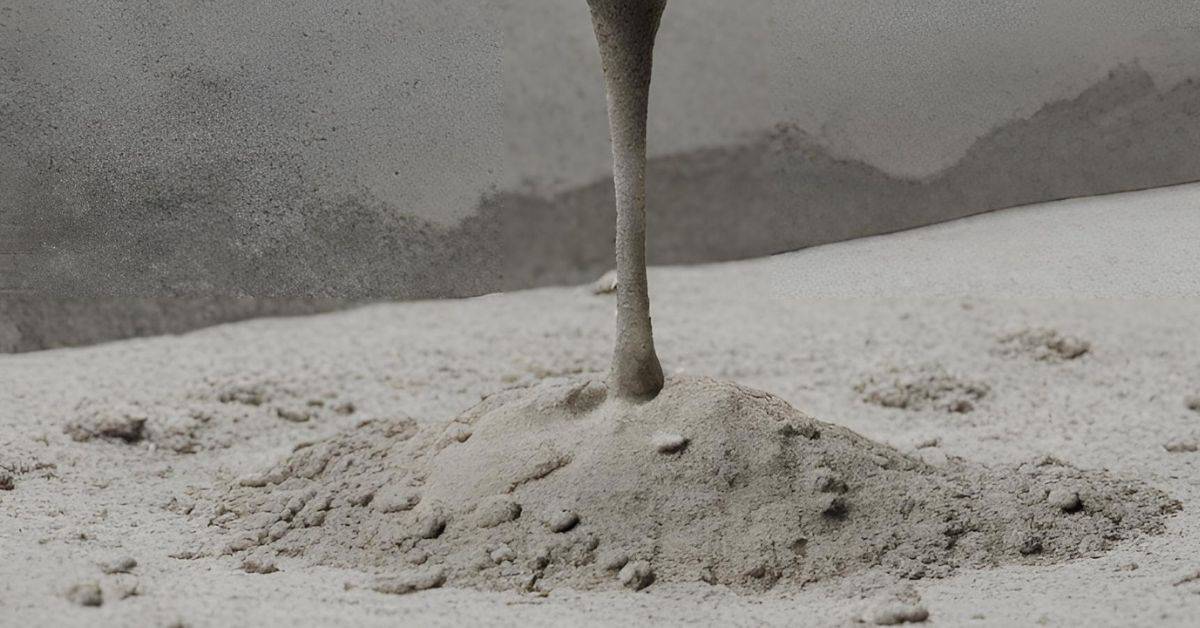
Mixing Ratios, Consistency, and Quality Control
Select the slurry formula that matches your repair material—cementitious, epoxy, or latex-modified—by consulting the technical data sheet and manufacturer instructions for compatibility. Key variables that affect mix decisions include substrate type, ambient temperature and humidity, patch size, and required working time versus cure time.
Measure by weight or precise volume, mix to a lump-free consistency appropriate for the product (target viscosity or slump is stated on the data sheet), and adjust with caution using water or approved admixtures. Run a small test batch and perform an adhesion check on scrap material, and record batch data and pot life to ensure consistent results across the job.
Achieving the right consistency (visual checkpoints)
Before applying, ensure your bonding slurry has the correct consistency. Here’s a simple checklist to help you.
- Brushable/Paintable: Slurry should flow smoothly from the trowel or brush without clumping. It should spread evenly and not be too thick or thin.
- Not Too Thick (Paste-like): If it’s too thick, it won’t spread well and may not bond properly. Add water or admixtures to achieve the right consistency.
- Not Too Thin (Watery): If it’s too thin, it might run off the surface before setting. Add more base powder to thicken it.
- No Lumps: Ensure there are no lumps or dry spots. These can weaken the bond and cause issues later on.
- Consistent Color: The slurry should have a consistent color throughout, indicating proper mixing.
- Adheres to Surface: Test a small amount on a scrap substrate. It should stick without peeling off easily.
- No Air Bubbles: Excessive air bubbles can weaken the bond. Ensure your mixing equipment is suitable and you’re not overmixing.
- Right Viscosity for Job: For small patches, a thicker consistency might be better. For larger areas or vertical surfaces, a thinner consistency may work better.
Quick rule: Always check your slurry’s consistency before applying. It can make or break your bond.
Polymer-modified vs neat cement slurries
Neat cement slurries are basic, made only with cement and water. They’re strong but lack flexibility.
Polymer-modified slurries, on the other hand, have added polymers like latex or epoxy. These provide better flexibility and adhesion, making them ideal for repairs where movement is expected.
Bond strength is generally higher with polymer-modified slurries due to their ability to penetrate and bond with the substrate better. They also typically have a longer open time, giving you more working time before they set.
When choosing, always check product labels and technical data sheets for recommended mix ratios and directions. Follow these guidelines to ensure your slurry performs as expected.
Step-by-Step Application and Timing
Decide whether to pre-wet the substrate or use a primer by testing porosity; lightly dampening is often needed but avoid standing water. Choose scratch coat or full slurry coat based on thickness and crack control needs, and follow manufacturer guidance for coat thickness and sequencing.
Mix small batches to maintain pot life, apply primer or scratch coat first if required, then the slurry using a trowel or squeegee, feathering edges to blend with existing concrete. Monitor working times, avoid overworking the material, and protect the applied slurry from rapid drying or freezing until it develops initial strength per the product instructions.
Step-by-Step Process
Follow these practical steps to apply and time your concrete bonding slurry like a pro.
- Check surface for contamination. Remove any dirt, grease, or loose material using a wire brush and compressed air.
- Inspect substrate for defects. Repair cracks, holes, or other damage with appropriate patching materials.
- Choose your application method: scratch coat or full slurry coat. For better bonding and crack control, opt for a 1/8″ to 1/4″ thick full slurry coat.
- Mix your slurry according to the specified ratio (see earlier section). Aim for a consistency similar to peanut butter. Adjust with water or cement as needed.
- Apply primer if using one. Brush it on evenly, allowing it to sit for the recommended time before applying the slurry.
- Apply the first coat of slurry. Use a trowel or squeegee to spread it evenly, working from the bottom up. Feather edges to avoid ridges.
- Allow the first coat to set slightly (around 15-30 minutes). Then apply the second coat, following the same technique. Repeat until desired thickness is achieved.
- Tool the surface with a float or darby. Work quickly and evenly to remove voids and ensure consistent contact.
- Cure the surface properly. Cover it with plastic sheeting, keeping it moist for at least 7 days to allow proper curing.
Pre-wetting, priming, and timing considerations
Proper preparation of the substrate is crucial for a strong bond. Test your surface’s porosity by sprinkling water on it. If it beads up, lightly dampen the surface with a sponge or spray bottle before applying the slurry.
Priming is recommended for concrete substrates to improve adhesion and seal the surface. Apply a neat primer or acrylic additive according to the manufacturer’s instructions. Allow it to sit for the recommended time before applying the slurry.
Temperature and humidity affect open time. In hot, dry conditions, work quickly as the slurry will set faster. In cool, humid conditions, you may have more working time. Always check the pot-life of your mix and adjust accordingly.
Application techniques and finishing
Proper application ensures minimal voids and consistent contact with the substrate. Use a brush to apply primer or bonding agent, ensuring even coverage.
For slurry application, use a trowel or squeegee to spread it evenly. Work from the bottom up, feathering edges to avoid ridges. Compact the material using a darby or float to remove voids and ensure consistent contact with the substrate.
Tooling should be done quickly and evenly to prevent overworking the slurry, which can lead to premature drying or sagging. Always check your work for any signs of failure such as laitance, pinholes, or cracks. If found, re-apply or repair as necessary.
Checking the Bond, Common Mistakes, and Troubleshooting
Inspect the repair area during early cure and after full cure for uniform color, lack of tackiness, and firm adhesion; document observations and environmental conditions. Simple tests include a tap/knock test for soundness and a gentle pull or skim-coat removal to check adhesion—refer to product guidance for acceptable cues.
Frequent mistakes are inadequate surface prep, wrong mix consistency, applying over contaminated or wet substrates, and poor curing conditions; these issues often cause delamination or pinholing. If a bond fails, grind or feather the edges, clean thoroughly, retest moisture and contamination, and reapply following the manufacturer’s recoat or remediation recommendations.
Visual and simple functional checks
Inspect your concrete bond early, around 24–72 hours after application, to ensure it’s setting up right. Look for any signs of poor adhesion or hollow spots.
Tap test: Gently tap the surface with a hammer or trowel. A solid ring indicates good bonding. A dull thud suggests a problem.
Edge inspection: Check edges and corners closely. These areas are prone to debonding due to their higher exposure to air.
Early curing observations: Keep an eye out for any cracks or excessive shrinking during the early stages of curing. These could indicate bonding issues.
Why slurry bonds fail (common mistakes)
Many bond failures can be traced back to preventable mistakes. Here are some to avoid:
- Inadequate cleaning: Dust, oil, or other contaminants on the substrate can hinder bonding.
- Incorrect consistency: Slurry that’s too thick or thin won’t bond properly. Refer back to our earlier guide on achieving the right consistency.
- Substrate too dry or wet: Applying slurry over a substrate that’s too dry or still damp can lead to failure.
- Incompatible products: Using incompatible materials can cause debonding. Always check product compatibility before application.
Address these issues promptly to avoid bond failures and potential costly rework.
Safety, Cost Considerations, and Long-Term Durability
Use appropriate PPE—glasses, gloves, and a respirator suitable for dust and vapors—and control dust and ventilation when grinding or mixing powders. Verify substrate tests (moisture, pH) and product compatibility with any existing coatings or sealers before committing to a repair system.
Balance cost and performance by comparing cementitious versus polymer-modified or epoxy systems and factor in labor and lifespan when choosing products. Expect longevity to depend on movement, moisture cycles, and maintenance; establish inspection intervals and a maintenance plan to catch and repair early signs of deterioration.
Safety and environmental precautions
First, gear up. You’ll need a P100 respirator for cementitious slurries, or an N95 with organic vapor filter for polymers. Safety glasses and face shield protect your eyes and face from splashes. Gloves, long sleeves, and sturdy footwear keep you safe.
Ventilation is key. Use fans to blow dust away from work areas. If working at heights, secure scaffolds or ladders properly. Always handle slurry bags carefully to avoid spills.
Disposal: Follow local regulations. Generally, cementitious slurries can go in regular trash once dry. Polymers may need special handling. Keep products away from water sources and plants.
Cost vs performance and maintaining the repair
Compare upfront costs with expected lifespan. Cementitious slurries are cheaper but may not last as long as polymer-modified ones. Ready-mix might cost more but save on labor.
Maintenance: Regular inspections help catch issues early. Check for cracks, delamination, or signs of wear. Seal any cracks promptly to prevent water intrusion. Reseal every 3-5 years to maintain bond performance.
Monitor temperature cycling and moisture movement. These can cause stress on the repair, leading to failure. Address any issues promptly to extend durability and reduce maintenance costs.
Conclusion
A solid bond means long-lasting results. When you respect proper ratios, timing, and surface prep, you get durability, cleaner appearance, and fewer callbacks—and you avoid costly mistakes.
First, verify the surface is clean, sound, and free of loose dust; decide on a mechanical or chemical approach and have your tools ready; mix to the right ratios and achieve a consistent slurry, then apply within the recommended open time, work it into the substrate, and press or trowel to a uniform bed; check the bond on a small area first and then proceed, keeping materials dry and protected until cure; and finally plan for safe handling, proper ventilation, and clean-up procedures as part of the job.
Common mistakes to avoid include skipping surface preparation, rushing the mixing or application, or letting the slurry get too thick or too thin; never reuse old slurry or mix with dirty water, and always follow the open time and cure guidance. Safety rules matter: wear eye protection and gloves, keep the work area well ventilated, clean spills promptly, and test a small area first to confirm adhesion before committing to the whole project.
If the substrate is cracked, heavily brittle, or you’re working in irregular or complex joints, consider bringing in a pro instead of pushing on alone. When in doubt, plan a conservative schedule, double-check the ratios and tolerances, and stay focused on the fundamentals—the bond is only as strong as the prep and the process. You’ve got this—steady steps now prevent costly failures later.
FAQ
What surface prep techniques help the bonding slurry grab best on old concrete?
Clean the surface well. Remove dust, loose particles, oil, and film with a stiff brush and a power washer if you have one. Roughen the area slightly with a stiff broom or grinder to give the slurry a tooth to bite into.
How do I choose the right bonding method for my project?
Match the method to the job: for a thin overlay, slurry alone may work; for large patches, add a mechanical key or primer as directed by the product you’re using. Read the product label and follow the manufacturer’s instructions for surface type and prep steps.
What materials are typically recommended for bonding slurry?
Use materials specified on the product label or datasheet. Common elements are cement and water with permitted additives. If you’re unsure, check the manufacturer’s guidance or local retailer recommendations and stick to those exactly as written.
How can I ensure the surface stays moist and accepts the slurry properly?
Keep the surface damp but not pooling before applying the slurry, especially in hot or dry weather. Lightly mist the area if you need to maintain moisture balance, and work the slurry into a fresh, workable surface.