
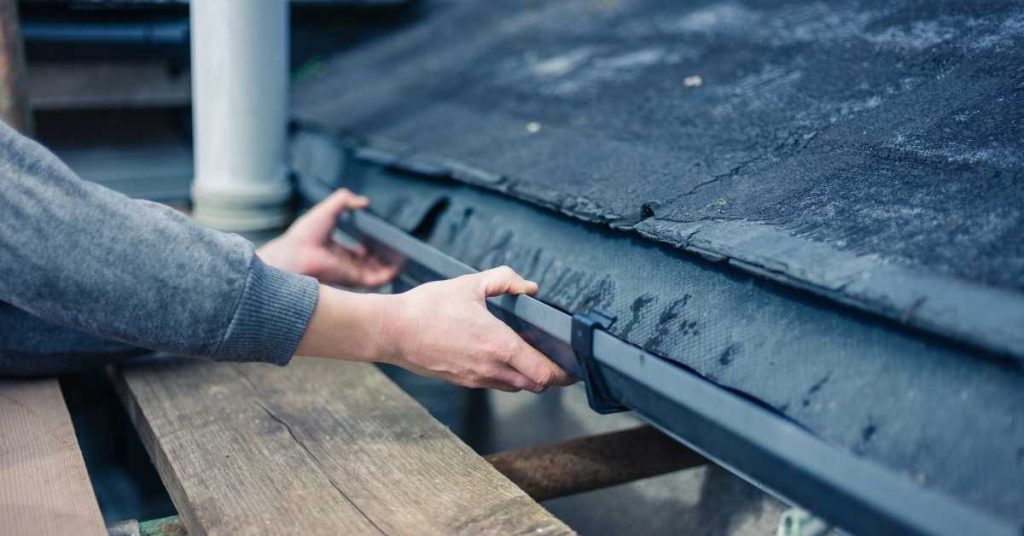
Introduction
A commercial roofing contractor is the pro you hire to install, repair, or maintain flat or low-slope roofs on commercial buildings. This article dives into the mistakes homeowners often make and practical, safer fixes you can do or plan for. Stay aware of what to check on, from surface signs to basic maintenance tasks, before calling in a pro.
Common mistakes include skipping inspections, underestimating weather impact, and hiring unqualified help. Regular roof inspections and timely maintenance save trouble and money, but you should verify licensing, certification, and proper insurance when choosing a contractor. If you notice leaks, buckling, or widespread wear, or if a job seems beyond DIY scope, get professional help rather than guessing.
Key takeaways
- Regular inspections catch ponding, flashing failures, and membrane damage before costly repairs.
- Vet contractors for licensing, insurance, and documented maintenance history to reduce risk.
- Schedule proactive maintenance plans aligned with roof type and expected wear patterns.
- Don’t DIY critical fixes; hire pros for flashing, drainage, and membrane repairs.
- Ensure clear contracts detailing scope, safety, warranties, and completion milestones.
- Prioritize material compatibility and proper sealants to prevent leaks long term.
Table of Contents
- Introduction
- Key takeaways
- Why Commercial Roofing Mistakes Matter
- The Most Common Commercial Roofing Mistakes (Overview)
- Installation and Material Mistakes — What Goes Wrong and How to Fix It
- Maintenance, Inspections, and Small Repairs — Prevention Beats Emergency Fixes
- Drainage, Ponding, Ventilation, and Thermal Movement — Design Issues That Fail over Time
- Flashing, Seams, Adhesives, and Material Compatibility — Sealing the Building Envelope
- Hiring the Right Commercial Roofing Contractor — Vetting, Contracts, and Safety
- Preventive Strategies, Maintenance Plans, and Smart Lifecycle Planning
- Conclusion
- FAQ
Why Commercial Roofing Mistakes Matter
Commercial roofs face harsh weather, foot traffic, and heavy mechanical loads every day. Those conditions amplify small issues into big problems if left unchecked. Understanding the high-stakes landscape helps prioritize proper workmanship from the start.
Lifecycle and warranty consequences follow quick, inexpensive fixes that aren’t durable or correctly documented. Early mistakes can shorten roof life, trigger costly repairs, and potentially affect manufacturer or contractor warranties. Expect downtime, energy losses, and tenant disruption if issues aren’t addressed proactively.
Long-term cost implications
A cheap roof might seem like a good deal, but it’s often a false economy. Upfront savings can turn into long-term headaches and higher costs.
For instance, using subpar materials or cutting corners on workmanship can lead to early leaks and structural damage. You might save money initially, but you’ll pay more in the long run with frequent repairs and an early replacement.
Example: A $10/ft² roof that lasts 15 years costs $150/ft² over its lifespan. But a $12/ft² roof that lasts 20 years only costs $60/ft², even with the higher upfront cost.
Skipping routine maintenance also shortens your roof’s life and increases costs. Regular inspections and preventative care keep small issues from turning into big problems.
How warranties and codes are affected
Improper materials, installation, or unlicensed contractors can void manufacturer and contractor warranties. This leaves you on the hook for expensive repairs.
Violating building codes is also a big risk. It can lead to fines, legal issues, and problems when it’s time to sell your property. Inspectors will find code violations during a sale or insurance claim, which could delay the process or even deny coverage.
Example: Using unlicensed contractors might save you money initially, but if they do shoddy work that voids warranties and violates codes, you’ll pay dearly in the long run.
Always use licensed, experienced professionals to ensure your roof meets warranty requirements and local building codes. It’s a small price to pay for peace of mind and protection from costly surprises down the line.
The Most Common Commercial Roofing Mistakes (Overview)
We’re focusing on a concise list of recurring errors: inspections neglected, poor material choices, installation faults, drainage issues, ignored small repairs, flashing failures, and contractor-selection risks. Each item has a real impact on performance and cost over time. This overview sets the stage for prevention.
For each mistake, consider concrete outcomes like leaks, energy waste, membrane damage, standing water, accelerated wear, or warranty voids. Prevention relies on regular inspections, proper material standards, workmanship checks, drainage design, flashing maintenance, and thorough contractor vetting.
Quick checklist of red-flag issues
Regularly inspect your commercial roof using this quick checklist. Catching these signs early can prevent minor issues from turning into costly repairs.
- Ponding water: Check for any standing water that hasn’t drained after 48 hours. It could indicate clogged drains or improper slope, leading to membrane damage and accelerated wear.
- Open seams: Inspect all seams for gaps or tears. Open seams allow water intrusion, causing leaks and energy loss.
- Rust: Look for rust on metal components like flashing and drains. Rust weakens metal, leading to failures and potential leaks.
- Blistering membrane: Check the roof membrane for blisters or bubbles. These can indicate trapped moisture, which accelerates membrane degradation.
- Clogged drains: Inspect all roof drains to ensure they’re clear and functioning properly. Clogged drains cause ponding water, leading to various issues.
- Gutter damage: Check gutters for signs of damage or blockages. Damaged gutters can’t direct water away from the building, causing foundation problems and other issues.
- Flashing failures: Inspect all flashing to ensure it’s securely attached and not damaged. Failed flashing allows water intrusion, leading to leaks and energy loss.
- Worn-out membrane: Check the roof membrane for signs of wear, such as cracks or tears. A worn-out membrane needs replacement to prevent leaks and energy loss.
Quick rule: If you notice any of these issues, address them promptly to avoid further damage and costly repairs.
Which mistakes are repairable vs replacement drivers
Some commercial roofing mistakes can be fixed, while others necessitate replacement. Here’s how to tell the difference.
- Small punctures or tears: These are typically repairable. Prompt repair prevents water intrusion and further damage. Regular inspections help catch these early.
- Widespread membrane damage: If more than 25% of the membrane is damaged, replacement might be the better option. Widespread damage indicates a failing roof that’s nearing the end of its useful life.
- Leaks around penetrations: These are often repairable with proper flashing and sealant. However, if leaks persist despite repairs, replacement may be necessary.
- Clogged or damaged drains: These issues can usually be repaired. However, if the drainage system is severely compromised or outdated, replacement might be more cost-effective in the long run.
- Widespread rust on metal components: While some rust can be treated and painted over, extensive rust indicates that the metal has weakened significantly. In this case, replacement is often the safer choice to prevent failures.
If you’re unsure whether a problem can be fixed or if replacement is necessary, consult with a professional commercial roofing contractor. They can assess your roof’s condition and provide expert advice tailored to your specific situation.
Installation and Material Mistakes — What Goes Wrong and How to Fix It
Common installation mistakes include improper membrane handling, seam misalignment, and inadequate substrate preparation. These issues translate into leaks and long-term failure with practical, observable indicators during pre-install checks. Address them before the lid goes on.
Adhesion and material compatibility problems arise from wrong membranes or surface prep gaps. Weather constraints and field reports matter, so verify manufacturer data and site conditions. Corrective methods should align with installation standards and documented test results.
Proper material selection and specs to demand
The right materials make all the difference in a roof’s lifespan. Here are key factors to consider.
- Membrane type: EPDM, TPO, or PVC? Each has its pros/cons. Look for UV resistance and durability ratings.
- Insulation: Choose compatible insulation with your membrane. Check R-value and fire rating.
- Adhesives/welding materials: Match these to your membrane type. Check manufacturer’s recommendations.
- Fasteners: Use the right length/type for your roof deck. Avoid over/under-fastening.
- Edge details: Specify proper edge terminations to prevent water intrusion.
Correct installation practices and inspection checkpoints
Use this checklist during installation to ensure a solid, leak-free roof.
- Substrate prep: Check for clean, dry, primed surface. No defects allowed.
- Membrane handling: Ensure proper storage and handling to prevent damage.
- Seam welding/adhesive: Verify correct application per manufacturer’s guidelines.
- Thermal movement allowances: Check for proper expansion/contraction provisions.
- Laps and overlaps: Ensure adequate overlap to prevent leaks.
- Fastener spacing: Confirm correct spacing per manufacturer’s specs.
- Drainage/float issues: Check for proper slope, no standing water.
- Edge details: Verify proper termination at roof edges.
Quick rule: Inspect after every major step. Better to fix now than later.
Maintenance, Inspections, and Small Repairs — Prevention Beats Emergency Fixes
A formal maintenance plan creates a predictable schedule that reduces emergency calls. It also builds a warranty-friendly approach by documenting work and conditions. Consistency pays off over the life of the roof.
Use a simple inspection checklist for membranes, fasteners, flashing, drainage, penetrations, and moisture signs. Promptly address loose seams, minor leaks, and ponding to avoid bigger issues and preserve warranty eligibility.
Inspection frequency and visual checkpoints
Regular inspections are key to catching issues early. Here’s a cadence and checklist for your commercial roof.
- Every 6 months: Inspect drains, gutters, and downspouts for blockages or damage.
- Annually: Check flashings around penetrations (HVAC units, vents) for signs of wear or movement.
- Annually: Inspect seams for any separation or cracks. Look for blisters too.
- Every 2-3 years: Examine fasteners to ensure they’re tight and secure. Check for rust or corrosion.
- Every 5 years: Assess the roof coating’s condition. Look for wear, fading, or chalking.
- After severe weather: Inspect for any immediate damage like punctures or tears.
Quick rule: Always inspect after severe weather events to prevent small issues from turning into big problems.
DIY interim fixes vs when to call a pro
Some roof issues you can temporarily fix yourself. Here’s what to do and when to call in the pros.
- Debris: Remove any debris (leaves, branches) that could cause water buildup or damage.
- Small leaks: Apply a temporary patch using roofing cement and a piece of flashing. This buys time until professional repair.
- Ponding water: Try to clear the area with a broom handle or similar tool. If it persists, call a pro.
- Signs of moisture in insulation: Call a pro immediately! This indicates a serious leak that needs immediate attention.
- Loose or missing tiles/shingles: Temporarily secure with roofing cement. Do not attempt to replace entirely.
Quick rule: If you’re unsure about any issue, or if it’s causing significant damage, always err on the side of caution and call a professional.
