
Introduction
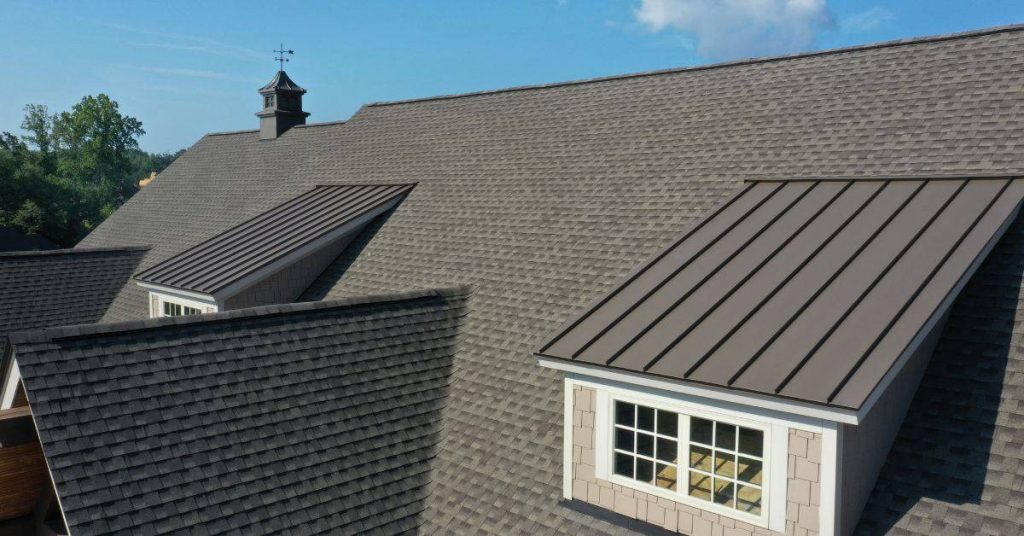
Yes, you can install a metal roof over existing shingles, but it isn’t automatically the best option for every home. Start by making sure the current roof is sound, dry, and free of soft spots. Check local rules and the shingle deck, underlayment, and any attic venting requirements before you proceed.
Inspect for soft spots, missing shingles, and moisture, and address those issues before proceeding. Follow the metal panel manufacturer’s guidance for spacing, fasteners, and underlayment, and check local rules if you’re unsure.
Key takeaways
- Assess shingle condition thoroughly; damaged or curled shingles block reliable overlay.
- Check local codes and manufacturer instructions before deciding to overlay.
- Ensure roof structure supports metal over shingles without excessive load.
- Perform water shedding tests and visual inspections to spot hidden leaks.
- Protect edge details and flashing; improper overlaps cause leaks and ice damming.
- Always wear fall protection and ladder safety when working on roofs.
Table of Contents
- Introduction
- Key takeaways
- Overview: Is Installing Metal over Shingles Possible?
- Assessing the Existing Shingle Roof Condition
- Types of Metal Roofing and Compatibility with Shingles
- Common Causes That Make Overlay Problematic
- Tests and Inspections to Decide Between Overlay and Tear-Off
- Preparation Steps If Overlay Is Viable
- Installation Best Practices and Visual Checkpoints
- Common Problems After Installation and How to Fix Them
- Conclusion
- FAQ
Overview: Is Installing Metal over Shingles Possible?
Installing metal roofing over asphalt shingles is a topic many homeowners consider. There are clear pros and cons depending on the roof condition and the chosen metal system. Building code and manufacturer guidance should be checked before moving forward.
Generally, some situations allow an overlay while others require removal of the old shingles. This intro summarizes when an overlay is commonly permitted and when it is not, so you know what questions to ask and what to verify from official sources.
Pros and Cons at a Glance
Before you decide to install a metal roof over your existing shingles, consider the following pros and cons.
Pros
- Cost-effective: No tear-off costs.
- Time-saving: Faster installation.
- Disposal avoidance: No need to dispose of old shingles.
- Improved aesthetics: Metal roofs can enhance your home’s curb appeal.
Cons
- Weight: Metal roofing is heavier, may require additional support.
- Ventilation: Can trap heat and moisture if not properly vented.
- Warranty issues: Some manufacturers may void warranties if installed over shingles.
- Long-term maintenance: May hide underlying damage that could worsen over time.
It makes sense to install a metal roof over shingles when the existing roof is in good condition, and local codes allow it. Always consult with a professional before proceeding.
Code, Warranty, and Insurance Considerations
Before you proceed with installing a metal roof over your existing shingles, it’s crucial to check local building codes. Some areas may prohibit this practice due to safety concerns.
Manufacturer warranties may also be void if the new roof is installed directly over old shingles. Always review and understand the warranty terms before proceeding.
Additionally, insurance policies might not cover damage to a reroofed structure as well as they would if the old roof had been removed. It’s essential to consult with your insurance provider to ensure you’re adequately covered.
Assessing the Existing Shingle Roof Condition
Start with a careful visual inspection of the current roof. Look for curling, cupping, or missing patches that might indicate a weak base. You should also note any signs of rot or moisture intrusion into the sheathing.
Decide whether the shingle layer looks sound enough for an overlay or if removal is the safer route. If you see widespread damage, plan for a full tear-off instead of overlaying.
Visual Checkpoints and Red Flags
The first step in assessing your shingle roof is a visual inspection. Use this checklist to spot any signs of damage or issues that may require removal before installing a metal roof.
- Rot: Look for dark, soft spots on the roof. Rot can compromise the structural integrity of the roof and needs immediate attention.
- Blistering: Blisters are raised areas filled with water or moisture. They indicate that the shingle is failing and should be replaced.
- Granule Loss: Check for bare spots on the shingles, especially around the edges. Granule loss can lead to leaks and reduced lifespan of the shingles.
- Curling: Curled shingles are a sign that they have reached the end of their useful life. They should be replaced before installing a metal roof.
- Multiple Layers: More than two layers of shingles can trap moisture and cause issues. Consider removing excess layers before installing a metal roof.
- Cracked or Broken Shingles: Inspect for any cracks or breaks in the shingles. These can lead to leaks and should be replaced.
- Moss or Algae Growth: While not an immediate cause for removal, excessive moss or algae growth can indicate trapped moisture and may require attention before installing a metal roof.
Quick rule: If you spot any of these issues, consult with a professional roofer to determine if removal is necessary before installing a metal roof.
Structural and Decking Inspection
Before you start any work, it’s crucial to ensure your roof deck can support the additional weight of a metal roof. Use this checklist to inspect the structural integrity of your roof.
- Sagging: Check for any sagging in the roof. This could indicate weak spots or damaged joists that need immediate repair.
- Warping or Cupping: Inspect the roof deck for any warped or cupped boards. These can cause issues with the new metal roof and should be replaced.
- Fastener Integrity: Check that all nails or screws are securely fastened and not rusted or missing. Replace any damaged fasteners.
- Joist Spacing: Ensure your joists are spaced no more than 16 inches apart. If they’re further apart, you may need to add additional support before installing a metal roof.
- Sheathing Condition: Inspect the sheathing for any signs of rot, damage, or delamination. Replace any damaged sections.
Quick rule: If you find any significant structural issues, consult a structural engineer or professional roofer before proceeding with your metal roof installation.
Types of Metal Roofing and Compatibility with Shingles
Common metal options include standing seam, corrugated panels, and metal shingles. Each type behaves differently when installed over asphalt shingles. The choice affects drainage, ventilation, and the potential for moisture traps.
Check compatibility notes from the metal system’s label or manufacturer instructions before deciding. Local rules or the roof structure may also influence which type is appropriate for an overlay.
Standing Seam vs. Corrugated vs. Metal Shingles
The three main types of metal roofing differ in profile, installation method, and underlayment needs when overlaying shingles.
Standing Seam: Has vertical panels with seams raised above the level of the panel’s flat area. Uses hidden fasteners, reducing risk of leaks. Requires a solid substrate (like plywood) or battens for proper installation over shingles.
Corrugated: Features an exposed-fastener system with rounded or ribbed panels. Can be installed directly onto existing shingles but may require additional underlayment to prevent leaks at screw holes.
Metal Shingles: Mimic the look of asphalt shingles, slate, or tile. Typically have exposed fasteners and can be installed over shingles with proper underlayment and flashing.
Material Thickness, Weight, and Fastening Systems
The gauge (thickness) of metal, its weight, and the chosen fastening system significantly impact overlay installations.
- Gauge: 26-29 gauge is standard for residential use. Thicker gauges offer better durability but add more load to your roof structure. Look for ratings like ’26-gauge Galvalume’ and avoid going too thin (like 32-gauge) as it may dent easily.
- Weight: Heavier metals put more stress on your roof’s structure. Consider your roof’s load-bearing capacity before choosing a metal type.
- Fastening Systems: Hidden fasteners reduce the risk of leaks but require a solid substrate. Exposed fasteners are simpler to install but may leak if not properly sealed and maintained.
- Expansion Issues: Metal expands and contracts with temperature changes. Use proper spacing between fasteners and consider expansion joints for larger installations to prevent buckling or warping.
- Avoid Overlapping: Installing metal over shingles without removing them first can trap moisture, leading to mold, mildew, and structural damage. Always remove old shingles before installing a new metal roof.
Common Causes That Make Overlay Problematic
Poor ventilation can lead to trapped heat and moisture under the metal. This condition can cause latent issues that show up after the install. A flat or low-slope roof also increases the risk of leaks with overlays.
Flashing conditions and existing penetrations play a big role in overlay success. If flashing is compromised, a tear-off plus proper re-flashing may be the better path.
Trapped Moisture and Condensation Risks
Overlaying a metal roof on top of shingles can trap moisture, leading to serious issues like mold, rot, or corrosion. Here’s what you need to know:
Moisture from rain or snow can get trapped between the old shingle roof and the new metal one. Without proper ventilation, this moisture has nowhere to go.
Signs of trapped moisture: Look for water stains on the ceiling, peeling paint, or musty odors coming from your attic. These could indicate that moisture is building up under your roof.
To mitigate these risks, ensure your existing roof has proper ventilation before installing a metal overlay. If you’re unsure, consult with a professional roofer.
Flashing, Valleys, and Penetration Issues
Existing flashing around chimneys, vents, and valleys can be compromised when you overlay a metal roof. This can create new leak paths, leading to water damage in your home.
When you install a metal roof over shingles, the new roof’s edges won’t seal tightly against these penetrations. This leaves gaps where water can enter.
Check for compromised flashing: Inspect the areas around chimneys, vents, and valleys on your existing roof. Look for damaged or missing flashing, and ensure they’re in good condition before installing a metal overlay.
If you find any issues, repair them before proceeding with the overlay. It’s crucial to have a solid base to prevent leaks from occurring later on.

Tests and Inspections to Decide Between Overlay and Tear-Off
Use simple moisture checks to gauge the roof deck condition. A moisture meter can help identify hidden damp spots under the shingles. If moisture is found, plan accordingly.
A nail-pull or fastener test can reveal the integrity of the shingle layer and decking. For more precision, consider a thermal scan conducted by a professional to map heat and moisture patterns.
Moisture Meter and Infrared Scan Use
Before you start, use these tools to check for hidden moisture. It’s crucial to find any dampness before overlaying.
- Check decking with a moisture meter: Insert probes into the decking at multiple points. readings above 15-17% indicate moisture. If found, skip overlying until resolved.
- Scan insulation with an infrared camera: Look for cold spots (blue/purple) which may indicate missing or damp insulation. If present, address before overlaying to prevent condensation issues.
Quick rule: If moisture is detected, don’t proceed with the overlay until the issue is fixed.
Fastener and Deck Soundness Tests
Before you install new fasteners, ensure your shingles and decking can hold them. Here’s how to check:
- Test nail