
Introduction
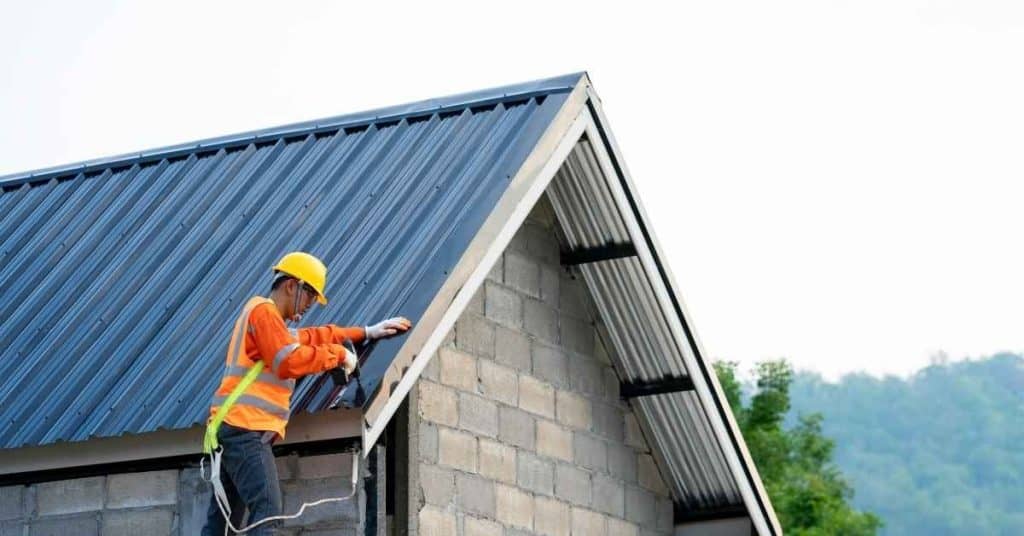
Metal roofing directly on felt means installing metal panels over a roof underlayment without a solid wood deck. This setup can work in some situations, but it requires careful attention to the underlayment condition and fastener plan. Before you start, inspect the felt for tears, lifting, or bunching, and decide if you need to address these with patches or replacement.
Test the setup by walking the panels gently and checking for gaps or movement after temporary fasteners, and listen for any creaks. If you see loose edges or moisture behind the felt, stop and reassess, because a small issue can become a leak. Fixes depend on what you find, but plans usually involve securing a solid fastening pathway and ensuring a proper seal at overlaps; always follow manufacturer instructions and local rules.
Key takeaways
- Inspect underlying felt for delamination, damp spots, or exposed edges before installing metal.
- Routinely check for corrosion under panels and rust streaks from compromised felt.
- Perform on-roof tests for panel movement, wind uplift, and foam or sealant failures.
- Always wear fall protection and harness when inspecting exposed roofs.
- Permanent fixes require replacing felt or underlayment and resealing all panel joints.
Table of Contents
- Introduction
- Key takeaways
- Why Installing Metal Roofing Directly over Felt Happens
- Risks and Failure Mechanisms of Metal over Felt
- Visual and Physical Signs That Metal over Felt Is Problematic
- On-Roof Tests and Diagnostics
- Short-Term Repairs and Temporary Fixes
- Permanent Fixes: When to Replace Felt, Underlayment, or Panels
- Material Specs, Compatibility, and Standards
- Cost Estimates, Lifespan Expectations, and Roi
- Conclusion
- FAQ
Why Installing Metal Roofing Directly over Felt Happens
Homes and renovations often push for speed and lower upfront costs. In many cases, metal is put over existing felt to save on tear-off time and disposal hassles. Some projects are accidental, while others are deliberate choices driven by contractor recommendations or availability of materials.
Look for situations where a quick cover is chosen for a renovation, or when an older roof is left in place to avoid a full replacement. Always verify what the plan was with the installer and what the manufacturer allows for underlayment and metal mating surfaces.
Historical and regional practices
In some regions, it’s common practice to install metal roofing directly over existing felt. This is often due to historical building traditions or local codes that allow for this method.
For instance, in areas with a long history of using metal roofs, like the American Midwest, installing metal over felt might be seen as a quick and cost-effective way to replace an old roof.
However, it’s crucial to understand that while this practice may have been acceptable in the past, modern building codes often require proper ventilation and barrier layers under new roofs.
Contractor mistakes and homeowner DIY choices
Both contractors and homeowners can make errors that lead to metal roofing being installed over old or inappropriate felt. Here are some common mistakes to avoid:
- Inadequate inspection: Not checking the condition of the existing felt before installing new metal roofing.
- Ignoring felt age: Assuming that old felt is still serviceable and not replacing it when necessary.
- DIY shortcuts: Homeowners may try to save money by skipping steps, like removing damaged felt or installing a new underlayment.
- Following outdated practices: Some contractors might still follow old methods that don’t meet current building codes.
To prevent these issues, always ensure your contractor inspects the existing roof thoroughly and follows modern installation practices. If you’re doing it yourself, take the time to learn proper techniques and don’t cut corners.
Risks and Failure Mechanisms of Metal over Felt
Felt beneath metal can trap moisture and hinder drainage, which invites problems over time. Corrosion concerns arise when moisture sits against metal fasteners and panels. The combination can lead to accelerated wear and potential leaks as conditions change.
Fastener issues are common with hidden underlayment, including loosening and seal failure. Long-term durability depends on how well water can escape and how compatible the materials are with each other. Check with a professional if you’re unsure about the set-up.
Moisture trapping and rot
Felt paper is designed to absorb water, which is great for protecting your roof from leaks. But when you install metal roofing directly over it, that moisture gets trapped. Here’s why that’s a problem:
The moisture can’t escape, so it sits there, slowly rotting the underlying structure of your roof. Mold and mildew love this environment too, setting up shop and causing even more damage.
Over time, this trapped moisture weakens your roof’s structure. It’s like a slow-motion disaster waiting to happen.
Corrosion and chemical incompatibilities
The asphalt in felt paper can react with the metal in your roofing panels. This reaction can cause corrosion, which eats away at the metal over time.
Some felts have additives to make them fire-resistant. These chemicals can also react with the metal or coatings on your roofing panels, accelerating corrosion and damaging the finish.
Even if you don’t see any rust right away, these chemical reactions are still happening. It’s a silent enemy that could cause big problems down the road.
Visual and Physical Signs That Metal over Felt Is Problematic
Staining or discoloration on metal near edges can indicate trapped moisture. Look for blistering or bubbling where panels meet the roof plane. Buckling or warping of sheets may signal underlying moisture or substrate problems.
Fasteners that appear to be leaking or weathered, along with loose or backing-out screws, require attention. If you notice damp insulation or a musty smell, treat these signs as urgent and inspect further with a pro.
Exterior visual checkpoints
Before grabbing your ladder, use this checklist to spot potential issues from ground level or a safe vantage point.
- Rust streaks: Look for vertical red or brown lines. They signal moisture and corrosion.
- Panel separation: Check for gaps between metal panels. Wide spaces mean water can get in.
- Loose seams: Inspect where panels meet. If they’re lifting, water’s getting through.
- Visible fastener problems: Look for popped or missing nails/screws. They let water in.
- Buckling: Panels should lie flat. If they’re warped, there’s an underlying issue.
- Water stains: Check for dark spots on siding or walls. They hint at leaks.
- Gutter issues: Clogged or damaged gutters can cause water to back up and leak under the roof.
- Missing drip edge: This prevents water from getting behind the fascia. If it’s gone, water can seep in.
Quick rule: If you spot any of these, don’t wait – get up there and investigate further.
Interior inspection clues
Before climbing into your attic, use this checklist to find signs of a failing roof assembly from inside your home.
- Damp insulation: Feel around for wet or damp areas. It’s a sign of water intrusion.
- Rust stains: Look for orange or red spots on ceilings or walls. They indicate leaks and corrosion.
- Light penetration: Check for sunlight coming through the roof. It means your barrier is compromised.
- Water spots on joists/rafters: Dark spots or streaks signal water damage.
- Mold/mildew: Smell or see any? It’s a sign of moisture and potential rot.
- Warped or sagging ceilings: These are signs of serious water damage that needs immediate attention.
- Wet spots on the floor: Check for damp areas, especially around vents or skylights.
- Missing or damaged shingles (if visible): From inside your attic, look for gaps in your roof’s protective layer.
Quick rule: If you find any of these signs, don’t ignore them. Get up into your attic safely and investigate further.
On-Roof Tests and Diagnostics
Contractors perform non-destructive checks such as moisture meters and surface investigations to see if water has penetrated under felt. They may probe seams and fasteners to test for looseness or corrosion risk. Homeowners can request an assessment of underlayment condition and fastener integrity from a qualified roofer.
Ask for documentation of performed tests and what they indicate about drainage, ventilation, and moisture paths. If in doubt, verify that tests align with local building code guidance and manufacturer recommendations.
Fastener and seam inspection procedures
Before you start any roofing work, use this checklist to inspect your roof’s fasteners and seams. This will help you identify potential issues early and prevent costly rework.
- Check nail heads: Ensure all nail heads are flush with the shingle surface or slightly below. Any protruding nails can cause leaks and damage.
- Test nail tightness: Gently pull on a few nails at different locations to ensure they’re secure. If any wobble, they may need retightening.
- Inspect staples: For roofs with staple guns, check that all staples are fully seated and not backing out.
- Check seam integrity: Walk your roof’s ridges, hips, and valleys to ensure seams are intact. Look for any cracks, gaps, or lifted edges.
- Examine flashing: Inspect all flashings around vents, chimneys, and skylights. Ensure they’re securely fastened and show no signs of rust or damage.
- Check underlayment: If accessible, check the underlayment for any punctures, tears, or signs of water damage.
- Inspect drip edge: Ensure your roof’s drip edge is securely fastened and in good condition. This prevents water from getting behind your fascia.
- Check gutter attachment: Make sure gutters are securely attached to the fascia. Any loose or missing hangers can cause leaks and damage.
Quick rule: Always inspect your roof after severe weather events, such as heavy rain, snow, or windstorms. This helps catch any issues early before they become major problems.
Moisture mapping and infrared/thermal checks
Before you start any roof repair or replacement, you need to find out if there’s trapped moisture. This can cause rot, mold, and other big problems down the road.
When to check: If your roof is leaking, or it’s been a while since the last inspection. Also, before installing new insulation or covering up old materials.
Here’s what you need to do:
– Use a moisture meter to check for dampness in your roof’s structure. Press it against the surface and follow the manufacturer’s instructions. If it shows high moisture content, there might be a problem.
– For a more detailed look, use an infrared/thermal camera. This shows temperature differences, helping you spot hidden moisture. It’s like having X-ray vision for your roof. But remember, this tool is no substitute for good old-fashioned inspection and common sense.
– Always check the product labels and manufacturer instructions to ensure you’re using these tools right. And if you’re not sure about anything, don’t hesitate to call a pro. It’s better to be safe than sorry when it comes to your roof.
Short-Term Repairs and Temporary Fixes
Temporary fixes focus on reducing water ingress and protecting fasteners until a permanent plan is in place. Sealing exposed gaps with appropriate sealants can help, but avoid relying on them as a long-term solution. Improve ventilation where possible to help dry conditions under the metal.
Be mindful of safety and code constraints when applying any patch or seal. Always confirm with the product label, manufacturer instructions, or local code guidance before proceeding.
Patch and seal options for seams and fasteners
When you find leaks at seams or around fasteners, use these temporary fixes to stop the water intrusion until a permanent repair can be made.
For seams, apply a generous bead of roofing sealant along the entire length. Use a caulking gun and ensure the sealant is compatible with your metal roofing material. Squeeze out any excess to prevent it from washing away in rain.
If the seam is badly damaged, consider using underlayme