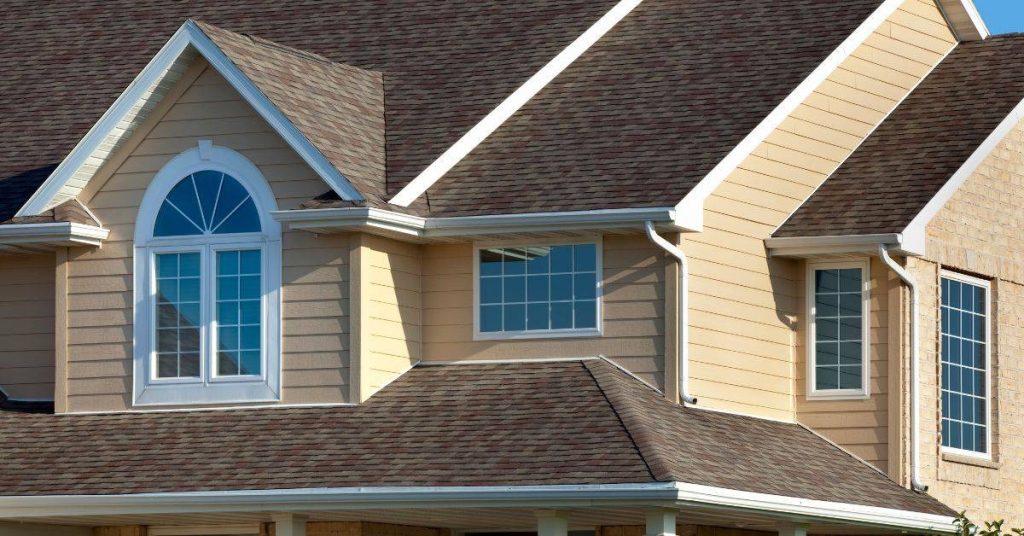
Close-up of residential asphalt shingle roof with multiple gables

Build Codes for Residential Roofing – Causes, Tests & Fixes

Introduction

Build codes for residential roofing are the rules and standards that govern how a roof is designed, installed, and inspected. This introduction explains common causes of code problems, the checks inspectors may perform, and practical fixes you can discuss with a pro. Keep in mind licensing and local rules can affect what you can legally do during a roof project.

Licensing for roof work varies by region and often governs who can perform certain tasks. Know the difference between a building contractor license and a remodeler license, and what special skills or areas typically require one. Before jumping any project, check with your local authority or the licensing board for current rules and safe practice guidelines.

Key takeaways

  • Verify applicable residential roofing build codes before start; reference jurisdictional amendments and updates.
  • Distinguish building contractor license from remodeler license and confirm qualifications needed.
  • Special skill licenses may apply to flashing, insulation, or solar installations.
  • Inspectors verify compliance through documentation, on-site checks, and material conformity tests.
  • Develop remediation plans with documented fixes, timeframes, and re-inspection steps.
  • Always follow safety protocols for fall protection, ladder use, and tool handling.
Table of Contents

Overview of Residential Roofing Build Codes

Residential roofing build codes define the minimum standards for safety, structural integrity, energy efficiency, and wind provisions. They exist to protect occupants and property from hazards and failures related to roofing systems. Knowing who enforces them helps you plan and document inspections during a project.

Enforcing bodies include local building departments, state codes, and model codes such as IBC and IRC, with inspectors applying them through permitting and field checks. Codes interact with local amendments and zoning, creating jurisdiction-specific additions to the model framework. The permit process typically involves application, plan review, inspections, and final approval, all of which must align with applicable code references and local rules.

Key code sources and hierarchy

The backbone of residential roofing codes are model codes, which local jurisdictions adopt. Here’s the key players:

International Residential Code (IRC): This is your go-to for one- and two-family dwellings. It covers everything from structural to mechanical aspects.

International Building Code (IBC): For larger buildings, IBC takes the lead. But it’s often used as a reference even in residential work.

Local jurisdictions can modify these codes or add their own requirements. Always check with your local building department to know exactly what applies on your jobsite.

When codes apply: new construction vs. repair vs. replacement

Codes are there to ensure safety and structural integrity, but they don’t always require a full permit process for every little fix.

New Construction: Always requires a permit and full code compliance.

Repair/Replacement (Partial): If you’re replacing less than 50% of your roof, it’s usually considered repair work. You might not need a permit, but codes still apply to ensure the work is safe.

Repair/Replacement (Total): Replacing more than 50%? That’s a full replacement in code terms. You’ll need a permit and your work must comply with current codes.

Back to top ↑

Common Causes of Code Noncompliance in Residential Roofing

Frequent noncompliance categories include improper flashing, underlayment issues, ventilation errors, unapproved or mismatched materials, and unlicensed work. Each issue ties to specific code sections or standard practices you should verify against product data sheets or manufacturer instructions. Environmental conditions can magnify these problems on a given roof.

A practical checklist helps you verify material approvals, flashing continuity, underlayment type and installation, ventilation sizing, and proper permit or contractor licensing records. Documentation such as product certifications and installation manuals supports compliance evidence. When addressing causes, plan corrective actions and determine whether professional oversight is required for rework or re-inspection windows.

Installation errors and material choices

Material choices and installation techniques significantly impact roof performance and code compliance.

  • Improper Nail Patterns: Incorrect spacing can lead to shingle blow-offs. Use recommended nail patterns (usually 4-6 nails per shingle) for wind resistance.
  • Wrong Shingle Overlap: Insufficient overlap causes water intrusion. Ensure proper exposure and staggering of shingle courses.
  • Incorrect Underlayment: Using the wrong underlayment can result in leaks and moisture damage. Opt for synthetic or asphalt-saturated felt, rated for your climate.
  • Unrated Materials: Unrated materials may not meet code requirements. Always check material ratings before installation.
  • Incompatible Materials: Mixing incompatible materials can cause premature failure. Ensure all components are compatible and approved for use together.

Design and planning mistakes (ventilation, slope, loads)

Proper design is crucial to avoid common roofing mistakes that lead to code violations.

  • Inadequate Ventilation: Poor ventilation causes moisture buildup, leading to mold and structural damage. Install continuous ridge and soffit vents for balanced attic ventilation.
  • Wrong Slope Classification: Incorrect slope classification can result in improper material application and water intrusion. Classify your roof’s slope accurately before selecting materials.
  • Neglected Snow/Wind Loads: Overlooking these loads can lead to structural failure. Design your roof to withstand local snow and wind loads, following IBC Chapter 16 requirements.
  • Insufficient Drainage: Poor drainage causes water ponding, leading to leaks and damage. Ensure proper drainage with adequate slope and appropriate flashing.

Regularly inspect your roof for signs of these mistakes and address them promptly to maintain code compliance and extend the life of your roof.

Back to top ↑

Most residential roof work requires a license, whether you are an employer, sole proprietor, or performing emergency/temporary tasks under homeowner exemptions. Licensing distinctions commonly include residential building contractor versus remodeler, with roofing sometimes falling under one or a state-specific category. State-by-state variability means you must check if a roofing contractor license, a general contractor license, or a trades credential is required.

The typical steps to obtain and maintain a license include pre-qualification, exams, background checks, financial disclosures, and submitting the official application with supporting documents. Ongoing requirements cover renewal intervals, continuing education, bonds or insurance, and permit responsibilities. For DIY planning, note how AHJ rules interact with licensing and what to verify before hiring help or subcontracting.

Residential building contractor vs. residential remodeler

A residential building contractor license is typically required for new construction, while a remodeler’s license covers alterations and additions to existing structures.

Building Contractor: This license allows you to construct new homes or buildings from the ground up. It usually requires knowledge of site preparation, foundation work, framing, roofing, siding, and more.

Remodeler: A remodeler’s license is for altering, repairing, or adding onto existing structures. This might include kitchen or bathroom renovations, room additions, or deck construction.

Multi-skill contractors may hold both licenses, while single-skill specialists often only need one. Always check local regulations to be sure.

State-specific rules and solar contractors

Licensing requirements for residential roofing vary by state, with some requiring specific licenses for solar work.

Minnesota: For example, Minnesota requires a separate license for installing solar photovoltaic systems. This is due to the specialized knowledge needed for these installations.

Always check your local jurisdiction’s rules and effective dates for solar-specific licensing requirements. Some states may require additional certifications or permits for solar work.

Even if not required, obtaining relevant certifications can demonstrate professionalism and increase customer trust.

Back to top ↑

Inspections, Tests, and How Authorities Verify Compliance

Inspection checkpoints commonly cover roof sheathing condition, proper nailing patterns, flashing at valleys, hips, chimneys, and penetrations, as well as ventilation adequacy and any fire-resistance requirements. The permit inspection sequence typically moves from intake review to on-site checks, with preparations needed before each visit. Inspectors document findings and may require corrections before final sign-off.

Documentation like up-to-date roof plans, material specs, approved lists, and inspection checklists are essential. Authorities use code references, field measurements, and any mandatory tests to verify compliance, including adherence to local amendments. If issues arise, plan for corrections, scheduling a reinspection, and understanding how delays could affect project milestones.

On-site inspection checklist

Use this checklist during rough and final roofing inspections to ensure your work meets code.

  • Roof Sheathing: Check condition, spacing, and attachment. Missing or damaged sheathing can lead to structural issues.
  • Nailing Pattern: Ensure nails are properly spaced and driven. Incorrect nailing can cause leaks and reduce wind resistance.
  • Flashing: Inspect valleys, hips, chimneys, and penetrations. Inadequate flashing leads to water intrusion.
  • Ventilation: Verify adequate intake and exhaust vents. Poor ventilation causes moisture buildup and reduces energy efficiency.
  • Fire Resistance: Confirm materials meet required ratings where applicable. Non-compliant materials can lead to fire safety hazards.
  • Rafter Framing: Check rafter spacing, size, and bearing. Incorrect framing causes structural instability.
  • Slope: Ensure roof has proper pitch for water runoff. Inadequate slope leads to water pooling and leaks.
  • Loads: Verify roof can support required live loads (e.g., snow, people). Understrength roofing causes collapses.

Quick rule: Always consult local codes for specific requirements.

Diagnostic tests: wind uplift, water intrusion, and fire rating verification

Use these tests to confirm your roofing system’s compliance with relevant codes.

  • Wind Uplift: Check fasteners’ pull-through resistance. Inadequate wind uplift resistance causes shingle loss in high winds.
  • Water Intrusion: Observe water penetration at seams and edges during or after rain. Water intrusion leads to leaks and structural damage.
  • Fire Rating: Verify materials’ fire classification ratings. Non-compliant materials can lead to fire safety hazards.
  • Ventilation Calculations: Ensure ventilation meets local codes. Inadequate ventilation causes moisture buildup and reduces energy efficiency.

Quick rule: Always consult local codes for specific test requirements.

Back to top ↑

Close-up of water droplets beading on waterproof roofing fabric

Fixes and Remediation Strategies for Code Violations

Common violations fall into categories such as structural deficiencies, improper ventilation or insulation, inadequate flashing, drainage concerns, and fire-safety clearances. Start with immediate temporary fixes for leaks or hazards, then move to permanent repairs and any required retrofits to meet current code. Prioritize actions based on risk and safety.

Distinguish temporary fixes from permanent repairs and required retrofits with clear criteria and durable materials. Document the remediation, coordinate with local building departments for permits if needed, and prepare for reinspection. Where applicable, upgrades like improved ventilation, updated flashing details, and energy or seismic considerations may be required to achieve code compliance.

Flashing, Underlayment, and Ventilation Repairs

If your roof has leaks due to improper flashing or inadequate underlayment, here’s how to fix it:

Temporary Fix: Apply a generous amount of roofing cement over the leak, then cover with a piece of flashing or roofing felt. Nail it down securely.

Permanent Repair: Remove damaged materials, clean the area, and install new flashing or underlayment following current code requirements. Seal all seams and edges with roofing cement.

Ventilation: If your attic lacks proper ventilation, it can lead to moisture buildup and structural damage. Install ridge vents, soffit vents, or gable vents as needed, ensuring they’re properly sealed and spaced according to current code.

Upgrading to Meet Current Load, Wind, or Fire Standards

Older roofs may not meet today’s building codes for load, wind resistance, or fire safety. Here’s how to upgrade:

Sheathing Reinforcement: If your roof deck isn’t strong enough, you might need to sister new 2x4s or 2x6s alongside the existing joists. Secure them with toenails and screws.

Improved Fasteners: Upgrade to larger, corrosion-resistant fasteners like stainless steel or hot-dipped galvanized nails or screws. Follow current code for spacing and nailing patterns.

Fire-Resistant Coverings: If your roof doesn’t have a Class A fire rating, consider installing a new fire-resistant covering like asphalt shingles with a fiberglass mat or metal roofing.

Back to top ↑

Tools, Materials, and Material Specs Explained

A practical roofing toolbox includes core hand tools, measuring and marking gear, sealants, safety gear, and any rental items you might need. Include site-specific needs like ladder safety and fall protection. Always verify that tools and materials are appropriate for the local climate and roof type.

Common materials and specs to confirm are underlayment class and coverage, flashing and drip edge, vents, caps, and suitable fasteners. Note wind-resistance requirements and corrosion considerations, and ensure fasteners match the roof material and environment. Look for local code approvals and third-party certifications as part of your project file.

Required fasteners, flashing materials, and underlayment specs

Choosing the right materials for your roofing project is crucial. It affects durability, appearance, and code compliance.

  • Fasteners: Stainless steel or galvanized nails/staples. Look for corrosion resistance. Wrong choice: rusted fasteners cause leaks.
  • Flashing: Use metal flashing, 26-28 gauge. Check local codes. Thin flashing bends easily, leading to leaks.
  • Underlayment: Class A/B underlayment with high wind ratings. Wrong choice: low-quality underlayment tears or blows off.
  • Drip edge: Use metal drip edge flashing. Protects fascia, prevents water backup. Missing: water damage to fascia.
  • V- and ridge caps: Match shingle type. Improves appearance, seals roof. Wrong choice: poor sealing, wind uplift.

Visual checkpoints for DIY assessment

Before calling a pro, use this checklist to spot issues. Regular checks maintain your roof’s health.

  • Shingles: Check for curling, cracking, or missing tabs. Signs of wear need repair.
  • Flashing: Inspect around chimneys, vents, and skylights. Cracks or gaps cause leaks.
  • Gutters: Ensure they’re securely attached and free of debris. Clogs lead to water backup.
  • Downspouts: Check for proper extension away from the house. Water near foundation causes damage.
  • Nails/pops: Look for nail pops or staples backing out. Indicates wind uplift risk.
  • Moss/algae: Check for growth on shingles. Can hold moisture, causing damage.
  • Roof valleys: Ensure they’re clear of debris. Clogs prevent proper water flow.
  • Attic ventilation: Inspect vents. Blocked or insufficient vents cause heat buildup, damaging roof structure.

Quick rule: Regular visual checks help catch minor issues before they become major problems.

Back to top ↑

Planning, Costs, and Risk Management for Roof Projects

Budget for code-compliant work by separating essential upgrades from best-practice enhancements, and plan for contingencies. Permitting costs and inspection fees vary by jurisdiction, so scope these early in the plan. Use a realistic timeline that accounts for review, weather, and potential rework.

Insurance implications depend on coverage like general liability and builder’s risk, with licensed contractor involvement often affecting liability and recovery options. When evaluating bids, weigh cost against compliance risk and check licensing status, bonding, and contract terms. Create a decision framework to balance price with adherence to code requirements.

Permit fees, insurance, and Contractor Recovery options

When planning your roof project, budget for permit fees. These vary by jurisdiction but typically include:

Base fee: Covers processing costs.

Plan review fee: For checking designs against codes.

Insurance requirements: Proof of liability and workers’ comp coverage is often needed. This protects both you and your contractor.

Recovery options: If a contractor fails to complete work, state recovery funds or remedies may apply. Research these before signing any contracts.

Common DIY mistakes and when to hire a professional

While some homeowners tackle roofing projects, it’s crucial to avoid these common DIY errors that can lead to code violations:

  • Improper fastening: Incorrect nail spacing or type can cause leaks and structural issues.
  • Ignoring ventilation: Poor attic ventilation leads to moisture buildup, mold, and reduced roof lifespan.
  • Inadequate flashing: Without proper flashing, water can seep in at intersections and around penetrations.
  • Not following codes: DIY projects must still comply with local building codes. Ignoring these can lead to costly rework or fines.
  • Complex designs: If your roof has multiple planes, dormers, or other complex features, consider hiring a pro.

When in doubt, consult a licensed roofer or engineer. They can advise on code compliance and provide professional installation to protect your investment.

Back to top ↑

Long-Term Maintenance to Prevent Future Problems

Establish a proactive inspection schedule with a checklist covering shingles or membranes, flashing, gutters, vents, attic ventilation, and the deck or sheathing. Schedule these checks seasonally and follow safe inspection practices. Regular maintenance helps catch problems before they become costly failures.

Define routine tasks such as debris removal, resealing penetrations, improving drainage, and inspecting insulation and ventilation. Learn to recognize early warning signs like leaks, stains, ice dams, curling shingles, or corrosion and take immediate action. Develop a long-term plan aligned with current codes, including a 5–10 year replacement roadmap and thorough documentation practices.

Develop a Routine Crack Inspection and Early-Detection Plan for Concrete Roof Elements

Inspect your concrete roof elements annually to catch cracks early. This helps prevent leaks, structural damage, and expensive repairs.

  • Check for surface cracks: Visually inspect the entire concrete surface for hairline or wider cracks. Use a flashlight to check dark areas.

    What goes wrong if you skip this: Small cracks can grow, leading to leaks and structural issues.

  • Measure crack width: Use a snap gauge to measure crack widths. Anything over 0.015″ (0.38mm) should be investigated.

    What goes wrong if you skip this: Wide cracks indicate serious problems that need immediate attention.

  • Check for deep cracks: Insert a thin wire or stiff piece of wire into suspected deep cracks to check their depth.

    What goes wrong if you skip this: Deep cracks can compromise the structural integrity of your roof.

  • Inspect expansion joints: Ensure expansion joints are intact and filled with a flexible sealant. Check for cracks or gaps.

    What goes wrong if you skip this: Damaged expansion joints can lead to cracking and leaks.

  • Check parapets and columns: Inspect the tops of parapets and exposed columns for cracks, especially where they meet the roof deck.

    What goes wrong if you skip this: Cracks at these critical points can cause water intrusion and structural damage.

  • Perform a dye test: Apply a low-pressure water-based dye to suspected crack locations. Check for leaks into the building.

    What goes wrong if you skip this: Undetected leaks can cause interior damage and mold growth.

  • Check drainage areas: Ensure that roof drains, scuppers, and gutters are functioning properly and free of debris.

    What goes wrong if you skip this: Poor drainage can lead to ponding water, which accelerates concrete deterioration.

  • Inspect reinforcement: If accessible, visually inspect steel reinforcement for signs of corrosion or damage.

    What goes wrong if you skip this: Damaged reinforcement can cause concrete to deteriorate and lose strength.

Quick rule: Always address any cracks wider than 0.015″ (0.38mm) promptly, as they can grow quickly and cause serious problems.

Proactive Waterproofing and Sealing to Extend Concrete Roof Deck Longevity

First things first, clean your roof deck. Remove any dirt, debris, or old sealant. Use a pressure washer if needed, but be careful not to damage the surface.

Next, inspect and prep the surface. Fill any cracks with an appropriate concrete repair material, following the manufacturer’s instructions. Once dry, sand any rough spots smooth.

Now, choose your sealant or coating. For most residential roofs, a good quality acrylic or silicone-based sealant will do the trick. Check the label for compatibility with concrete and UV resistance. Apply it evenly using a roller or sprayer, following the manufacturer’s instructions.

Reseal every 2-5 years, depending on weather conditions and traffic on your roof. Inspect your work regularly to catch any issues early. Remember, prevention is cheaper than repair!

Back to top ↑

Conclusion

Takeaway: stay focused on safety, durability, and staying within the rules so your roof looks right and lasts.

First, confirm local codes and permit requirements, verify licensing where required, map a clear plan with materials that meet spec, set a safe work window and weather plan, test or inspect a small area first, and document every fix and check so you can prove compliance if asked. Do the work in a steady, methodical order and never skip steps or short-cut critical tests.

Common mistakes to avoid include skipping permits or inspections, working from a damaged or unstable roof, and rushing through fasteners or flashing. Never work without fall protection or proper ladders and tie-off points, and always follow the manufacturer’s specs for each material.

Call a professional if you encounter structural damage, unclear code requirements, complex permit issues, or if the job exceeds your comfort zone or safety capabilities. When in doubt, step back, confirm the basics, and hire help sooner rather than later—your roof should protect the home, not create new risks. Stay practical, stay safe, and finish with confidence.

Back to top ↑

FAQ

What licensing do I need to roof my house as a DIY homeowner?

Licensing rules vary by location. Check with your local building department or licensing board for the exact requirements and what activities require a licensed pro. If in doubt, hire a licensed roofer for anything beyond basic repair or maintenance.

What’s the difference between a building contractor license and a remodeler license?

A building contractor license generally covers broader construction work, while a remodeler license focuses on renovating existing structures. Some areas require one or the other for roofing work, and some jurisdictions issue a combined license. Verify which license type applies where you live before starting a project.

Are there special licenses for solar roofing or other skilled roof work?

Solar installations and certain roof systems may require specific endorsements or licenses. Check with the installer’s licensing board and your local rules to see if a solar contractor license or specialty endorsement is needed. Do not assume general roofing license covers solar work.

What are the typical steps to obtain a roofing license?

Steps usually include meeting basic eligibility, passing a trade exam, and showing work experience. Some places require continuing education or proof of insurance. Always follow your local board’s official process and timelines.

What about insurance requirements for roof work?

General liability and workers’ compensation are common requirements. Some policy limits are suggested but not fixed; check what your local rules require and what a contractor’s certificate of insurance should show. If you’re doing it yourself, understand your coverage and risk disclosure.

Back to top ↑