Concrete

Concrete is where I keep my step-by-step guides for planning, pouring, and finishing concrete projects.

Topics include base prep, forms, reinforcement, thickness, mixing and placing, finishing, curing, sealing, and long-term durability. I also cover troubleshooting—what to do when concrete cracks, scales, dusts, or cures unevenly.

If you’re new to concrete, start with the planning and prep articles. They prevent most of the expensive mistakes.

Stone water well with wooden bucket and pulley system

Concrete Mixing Water Temperature: How hot or cold water changes set time

Introduction Water temperature can affect how quickly concrete starts to set. Using water that is too hot or too cold can change workability and the rate of early strength gain. For a DIY job, check the mix instructions and local guidelines to choose a safe water range. Always confirm with the supplier or jobsite code […]

Concrete Mixing Water Temperature: How hot or cold water changes set time Read More »
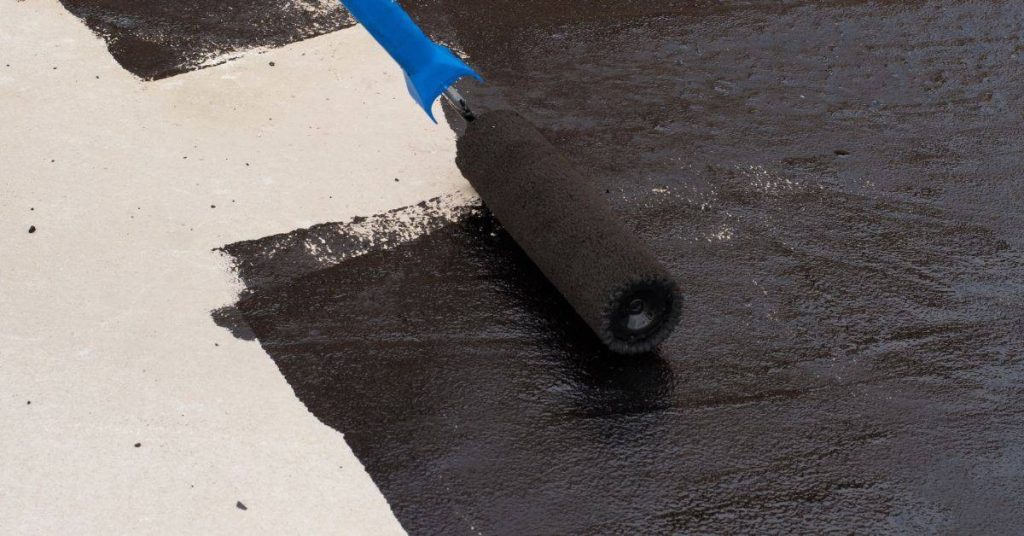
Paint roller applying black sealer on concrete surface

Concrete Sealer Recoat Windows: Why ‘too soon’ and ‘too late’ both cause problems

Introduction A concrete sealer recoat is best done when the surface is ready to bond again, so applying too soon or too late can cause problems. If you seal too soon, the new coat may not adhere well or cure correctly. If you wait too long, contaminants or the old film can prevent proper bonding.

Concrete Sealer Recoat Windows: Why ‘too soon’ and ‘too late’ both cause problems Read More »

Close-up of peeling white concrete sealer on wall surface

Peeling Concrete Sealer: The moisture and prep mistakes that cause failure

Introduction Peeling concrete sealer happens when a coating lifts away from the concrete rather than sticking. Moisture coming up from the slab and poor surface prep are common causes. We’ll cover the practical mistakes DIYers run into and how to spot them before sealing. Make sure the surface is clean and porous enough to accept

Peeling Concrete Sealer: The moisture and prep mistakes that cause failure Read More »

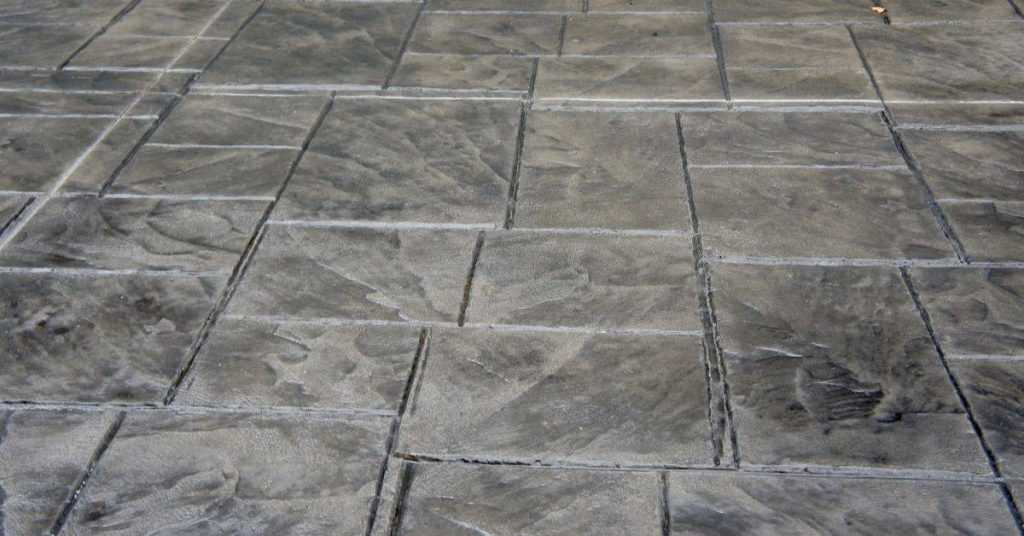
Stamped concrete patio surface with visible texture and seams

Bubbles in Concrete Sealer: Causes, prevention, and how to repair them

Introduction Bubbles in concrete sealer are air pockets that form in the film as you apply it and during curing. They usually come from trapped air, fast application, or surface moisture and dust. Always check the product label and follow surface prep steps for best results. To prevent them, apply thin, even coats and backroll

Bubbles in Concrete Sealer: Causes, prevention, and how to repair them Read More »

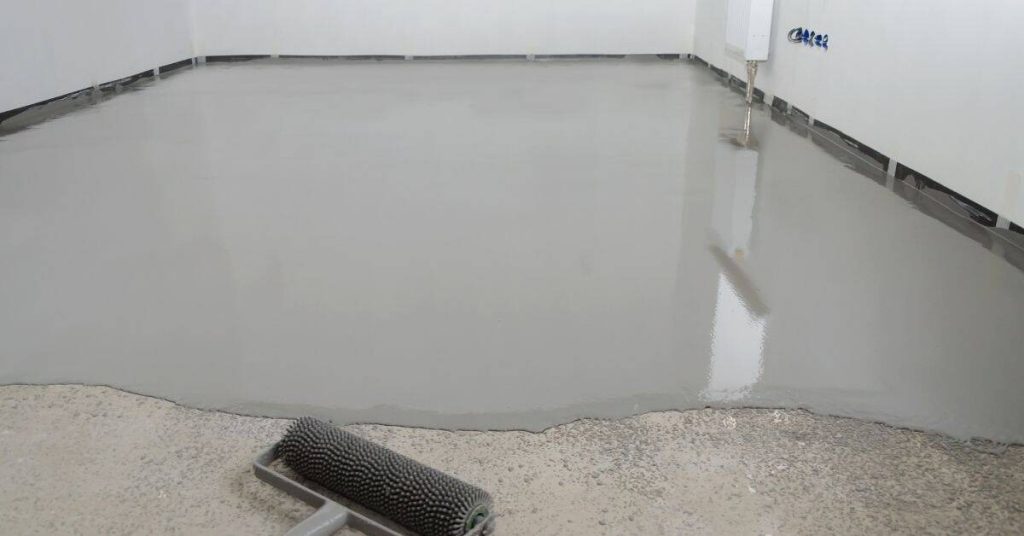
Freshly applied self-leveling concrete floor with roller

Microtopping Problems: Preventing bubbles, pinholes, and delamination

Introduction Microtopping problems are defects like bubbles, pinholes, and delamination that happen when a thin decorative concrete layer can’t bond or level properly. This article covers straightforward, hands-on steps to prevent them during mixing, prep, and application. You’ll also see how surface preparation and choosing self-leveling options can help you get a smoother, longer-lasting finish.

Microtopping Problems: Preventing bubbles, pinholes, and delamination Read More »

Close-up of concrete screed tool smoothing wet concrete slab

Concrete Bonding Agents: When they help and when they make repairs weaker

Introduction Bonding agents are products that help new concrete stick to old surfaces. They improve adhesion when the surface is clean, sound, and properly prepared. If you skip cleaning or misapply them, they can weaken the repair. Before choosing a method, decide whether you should repair or replace based on damage and load. Focus on

Concrete Bonding Agents: When they help and when they make repairs weaker Read More »

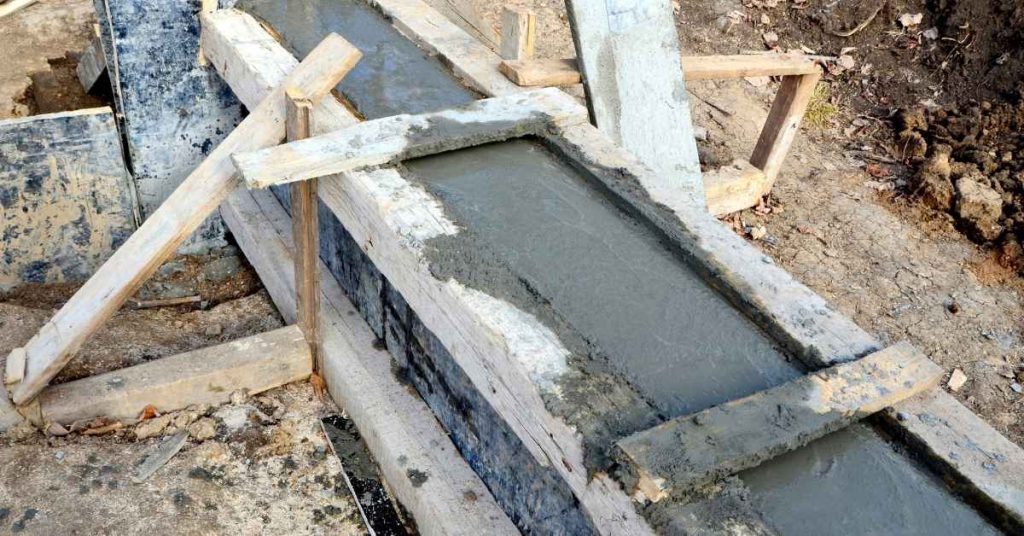
Fresh concrete poured into wooden forms at construction site

Concrete Form Release: Preventing stains, soft faces, and patchy color

Introduction Concrete form release is a coating applied to forms to prevent sticking and to help control staining and color issues on the surface. Key takeaways Choose release agents carefully; improper use can stain and dull decorative color. Plan form removal timing with manufacturer instructions and local code guidance. Use recommended tools and materials from

Concrete Form Release: Preventing stains, soft faces, and patchy color Read More »

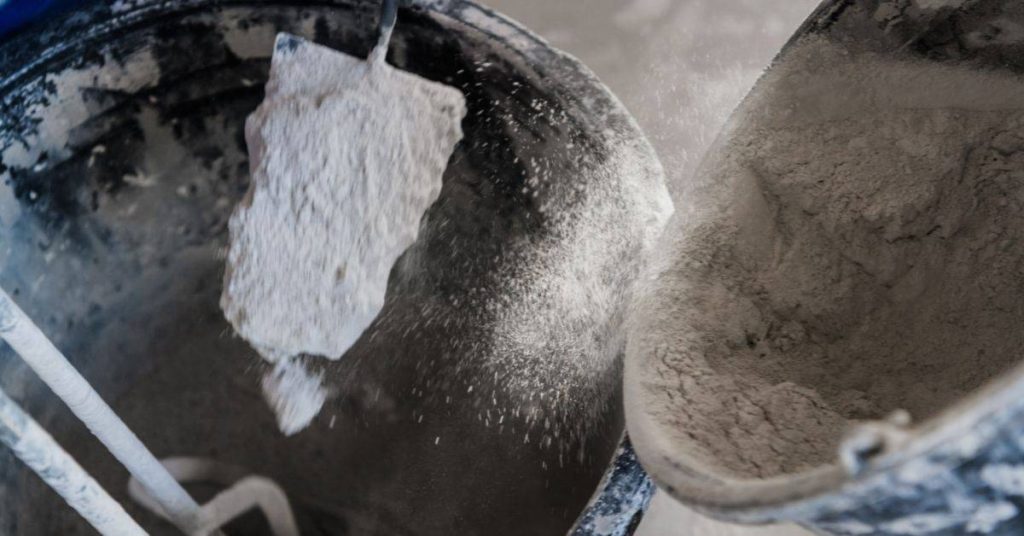
Dry concrete powder falling into mixing bucket

Concrete Workability Without Extra Water: Practical ways to loosen a mix safely

Introduction Workability without extra water means making concrete easier to work with using techniques that don’t add more liquid. You’ll want a cohesive, workable texture that stays in place as you place and finish. Start by checking the mix for uniform consistency and using the right blend of aggregates and cement in your batch. If

Concrete Workability Without Extra Water: Practical ways to loosen a mix safely Read More »

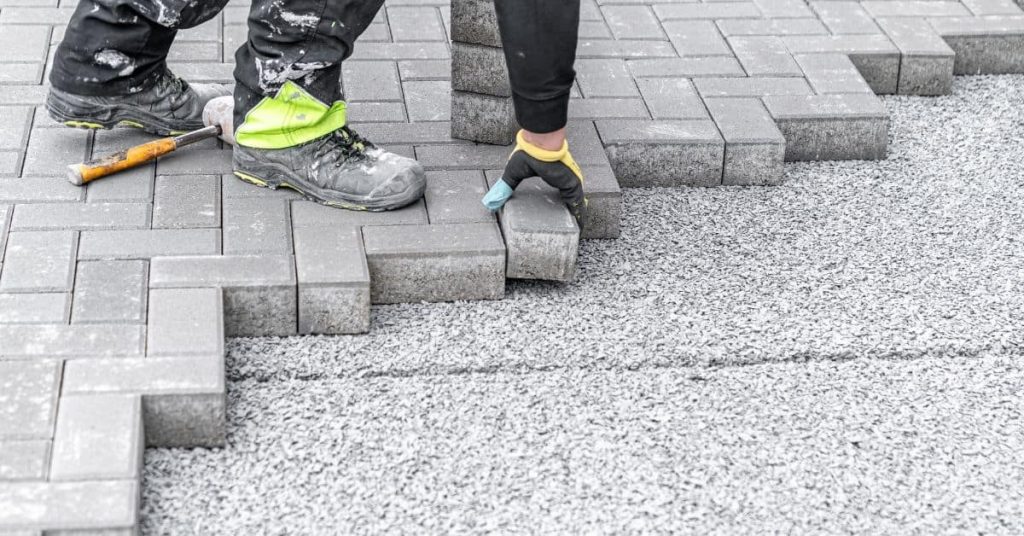
Person laying concrete paving blocks on gravel base

Concrete Washout at Home: Containment that protects lawns and drains

Introduction Concrete washout containment is a simple setup that captures concrete slurry so it doesn’t run onto soil or into drains. This article focuses on a practical, hands-on approach you can use at home to protect your lawn and the stormwater system. It also points you toward quick links that help you navigate related notes

Concrete Washout at Home: Containment that protects lawns and drains Read More »