Concrete

Concrete is where I keep my step-by-step guides for planning, pouring, and finishing concrete projects.

Topics include base prep, forms, reinforcement, thickness, mixing and placing, finishing, curing, sealing, and long-term durability. I also cover troubleshooting—what to do when concrete cracks, scales, dusts, or cures unevenly.

If you’re new to concrete, start with the planning and prep articles. They prevent most of the expensive mistakes.

Closeup of power drill chuck with drill bit attached

Thickened-Edge Slabs vs Grade Beams: Choosing the Simpler Detail That Still Meets Loads

Introduction Thickened-edge slabs and grade beams are two ways to carry loads from the surface to the soil. This article tells you how to pick the simpler option that still meets the load needs. I’ll keep it practical and straight to the point for a DIY build. You’ll get a plain-language view of when a […]

Thickened-Edge Slabs vs Grade Beams: Choosing the Simpler Detail That Still Meets Loads Read More »
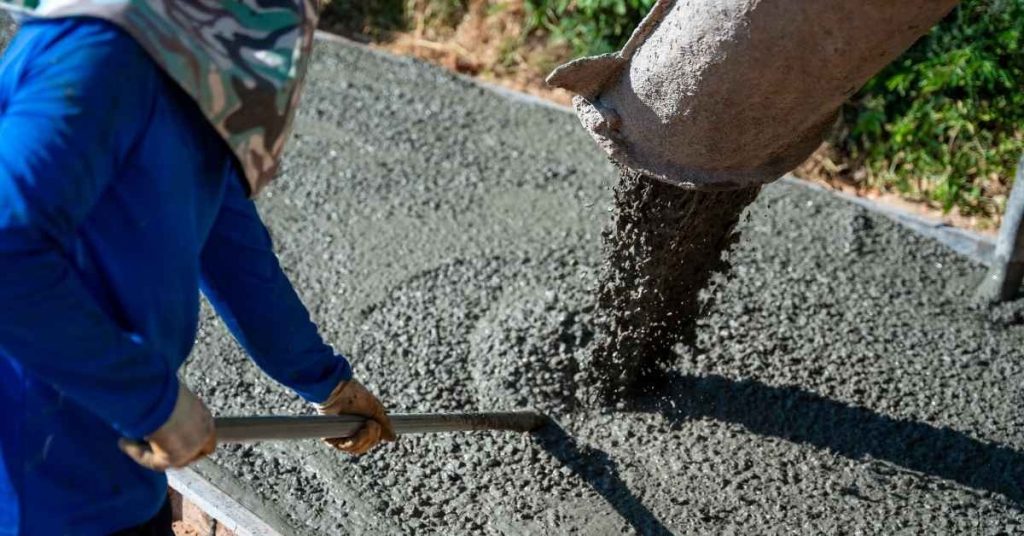
Worker pouring concrete slab outdoors using chute and tool

How to Pour a Slab With a Hidden Slope: Laser Setup, Screed Rails, and Checking Fall

Introduction A slab with a hidden slope is a concrete pad poured with a deliberate, nonlevel fall that you set up before pouring. You’ll plan the fall and confirm it as you go using simple reference points and a level tool. Keep the process practical and honest, avoiding surprises at pour time. Set up the

How to Pour a Slab With a Hidden Slope: Laser Setup, Screed Rails, and Checking Fall Read More »

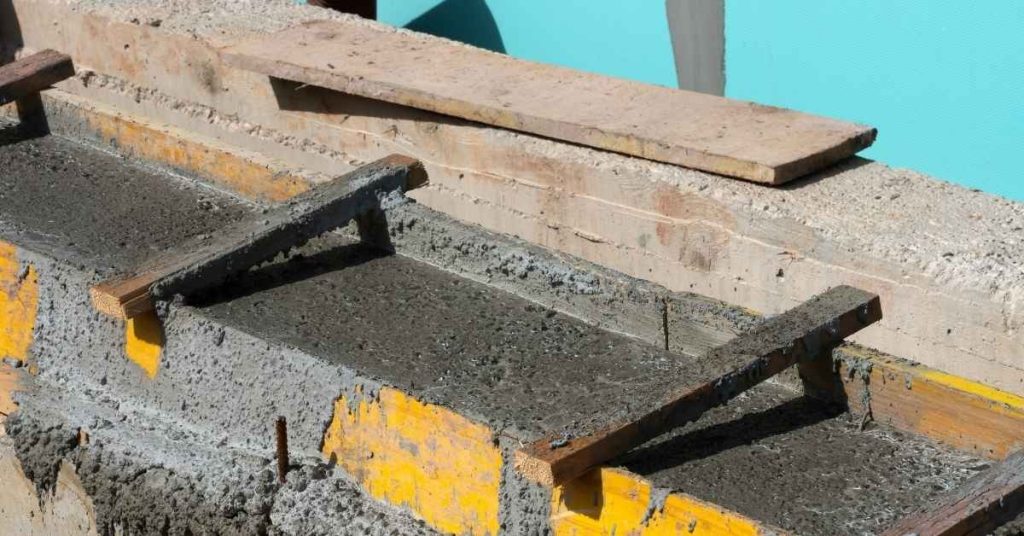
Freshly poured concrete in wooden formwork outdoors

Dealing With Surprise Rain Mid-Pour: What to Cover, What to Keep Working, and What to Redo

Introduction Rain mid-pour can ruin fresh concrete; cover, protect, and resume safely. Protect exposed areas with appropriate coverings, don’t work on wet concrete, and check forms for any change. After rain, inspect for surface defects, damp spots, or set delays before continuing. Resume pouring only when conditions are right and you follow the coating and

Dealing With Surprise Rain Mid-Pour: What to Cover, What to Keep Working, and What to Redo Read More »

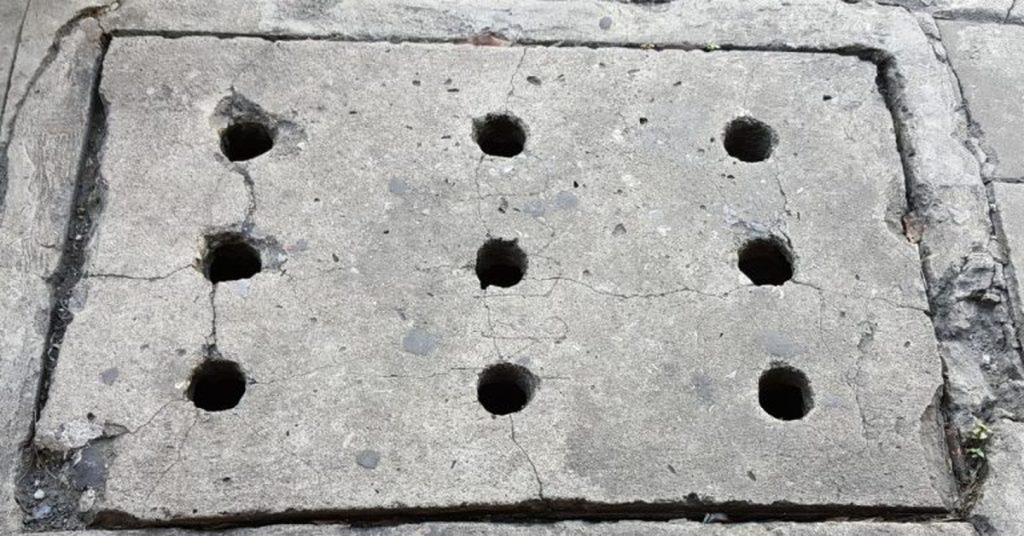
Concrete slab with nine drainage holes

Placing Concrete Against Waterproofing Membranes: Protection Boards, Punctures, and Drainage Mats

Introduction Placing concrete against waterproofing membranes means building up concrete right to the membrane while using protective layers to keep it intact. In this DIY friendly guide, we talk through protection boards, avoiding punctures, and how drainage mats help manage water pressure during a pour. Always check the product and tech literature for data sheets

Placing Concrete Against Waterproofing Membranes: Protection Boards, Punctures, and Drainage Mats Read More »

Smooth grey epoxy coated concrete floor in garage

Concrete Crack Sealants: Polyurethane, Epoxy, MMA, and Why ‘Flexible’ Isn’t Always Better

Introduction Concrete crack sealants come in polyurethane, epoxy, and methyl methacrylate (MMA), and the goal is to seal cracks while allowing some movement. In practical DIY terms, you choose based on how much movement the crack will have, the exposure, and what the product label recommends. Always check the manufacturer instructions and local rules before

Concrete Crack Sealants: Polyurethane, Epoxy, MMA, and Why ‘Flexible’ Isn’t Always Better Read More »

Concrete columns with exposed steel reinforcement bars

Repairing Concrete Exposed to Acids: What Can Be Neutralized and What Must Be Removed

Introduction Acid-exposed concrete can sometimes be neutralized on the surface, but damaged material must be removed. This DIY overview explains what you can safely treat and how to tell when removal is necessary. It keeps the process practical and plain-language, like a job you can tackle on a weekend. Begin by cleaning, neutralizing per label

Repairing Concrete Exposed to Acids: What Can Be Neutralized and What Must Be Removed Read More »

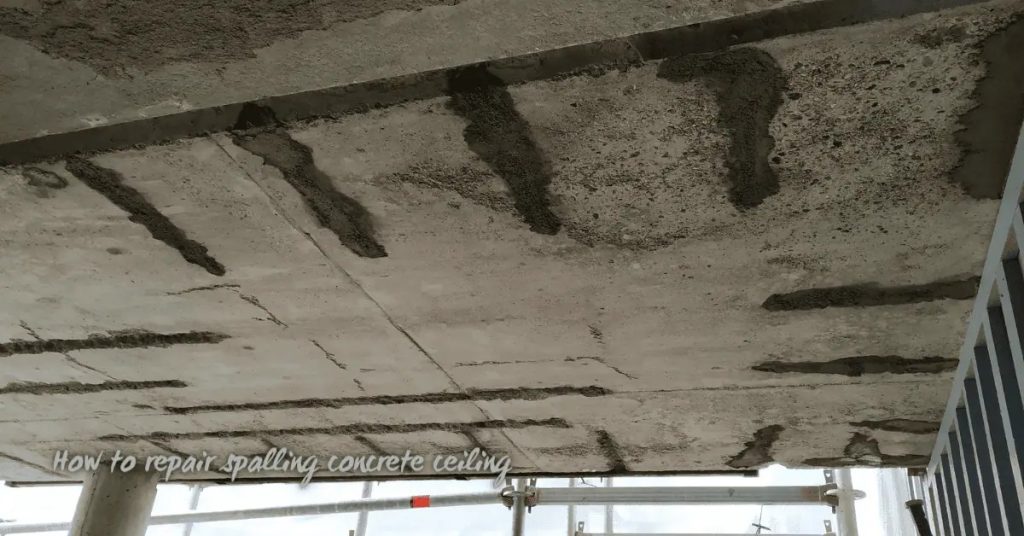
Concrete ceiling with patched spalling damage areas

Repairing Concrete After Fire Exposure: Spalling, Strength Loss Signs, and Testing

Introduction Repairing concrete after fire exposure means assessing damage from heat, spalling, and strength loss and deciding what to fix. This guide covers what to look for and how to approach testing and repairs in plain, DIY language. It focuses on visual signs and simple checks you can perform safely at home. Start with a

Repairing Concrete After Fire Exposure: Spalling, Strength Loss Signs, and Testing Read More »

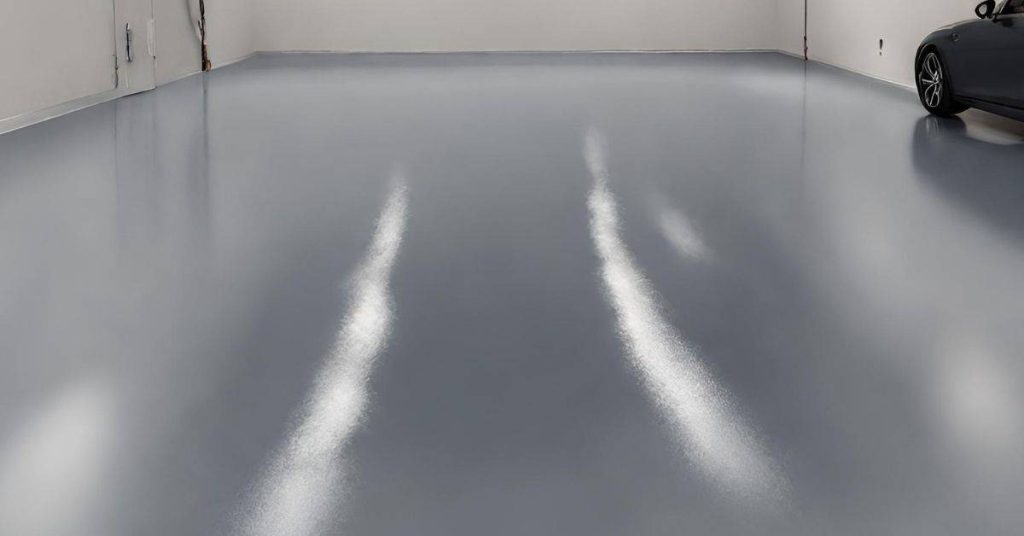
Smooth glossy gray epoxy coated floor inside a room

Dealing With Soft, Carbonated Surface Paste: Grind Depth, Densifiers, and Coating Compatibility

Introduction Soft, carbonated surface paste is the chalky, weakened layer on concrete that needs removal or stabilization before finishing. Start with a small test spot to gauge how deep you’ll need to grind, and avoid taking off more than necessary. Always check the tool’s pad wear and the manufacturer or local rules for safe grind

Dealing With Soft, Carbonated Surface Paste: Grind Depth, Densifiers, and Coating Compatibility Read More »

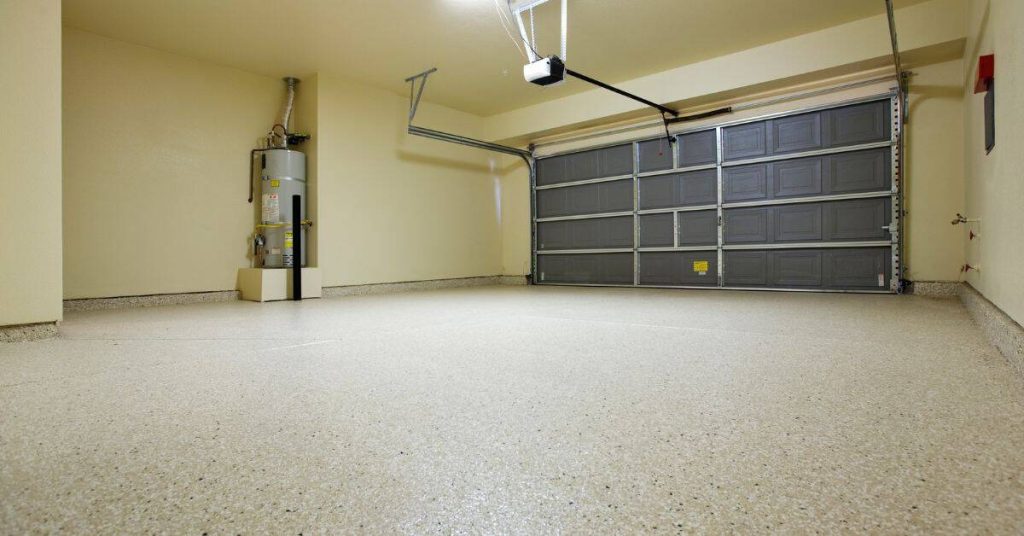
Clean epoxy-coated residential garage floor with water heater

Salt-Contaminated Garage Slabs: Cleaning Limits and Coating System Choices That Survive

Introduction Salt-contaminated garage slabs are concrete floors with salt residues that can interfere with finishes and moisture behavior. The salt can come from de-icing agents or nearby treatments, and this article explains what to expect when cleaning and choosing a coating that lasts. Salt residue can cause efflorescence, staining, and a weakened surface near joints,

Salt-Contaminated Garage Slabs: Cleaning Limits and Coating System Choices That Survive Read More »

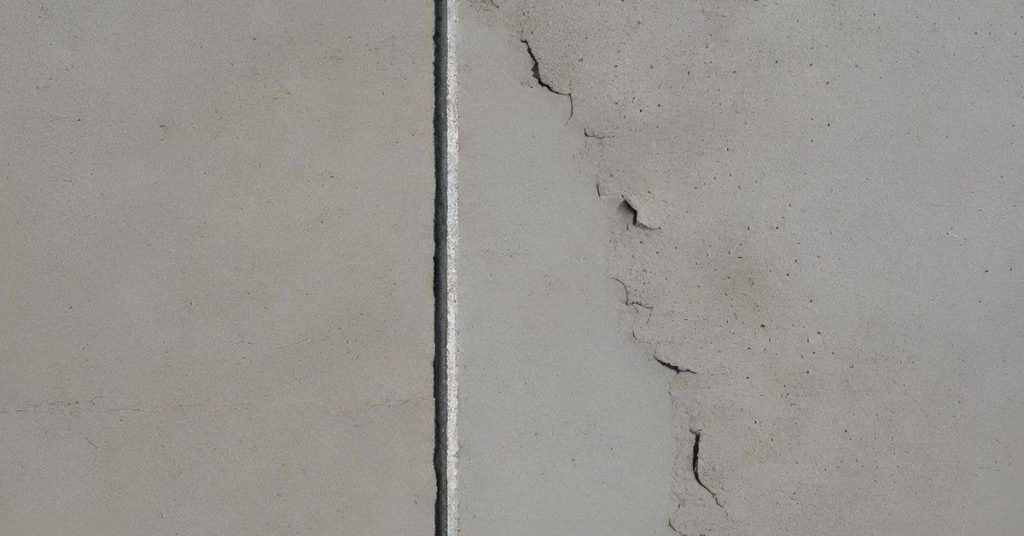
close-up of cracked concrete wall surface and joint

Dealing With Alkali-Silica Reaction (ASR) Cracking: Mitigation Options and When Replacement Is the Only Fix

Introduction ASR cracking is damage in concrete caused by a chemical reaction between reactive aggregate and alkalis in the cement. This is a long-standing problem that can show up as fine to wide cracking and spalling over time. Understanding that it develops slowly helps you plan repairs rather than chasing quick fixes. Causes and the

Dealing With Alkali-Silica Reaction (ASR) Cracking: Mitigation Options and When Replacement Is the Only Fix Read More »