Concrete

Concrete is where I keep my step-by-step guides for planning, pouring, and finishing concrete projects.

Topics include base prep, forms, reinforcement, thickness, mixing and placing, finishing, curing, sealing, and long-term durability. I also cover troubleshooting—what to do when concrete cracks, scales, dusts, or cures unevenly.

If you’re new to concrete, start with the planning and prep articles. They prevent most of the expensive mistakes.

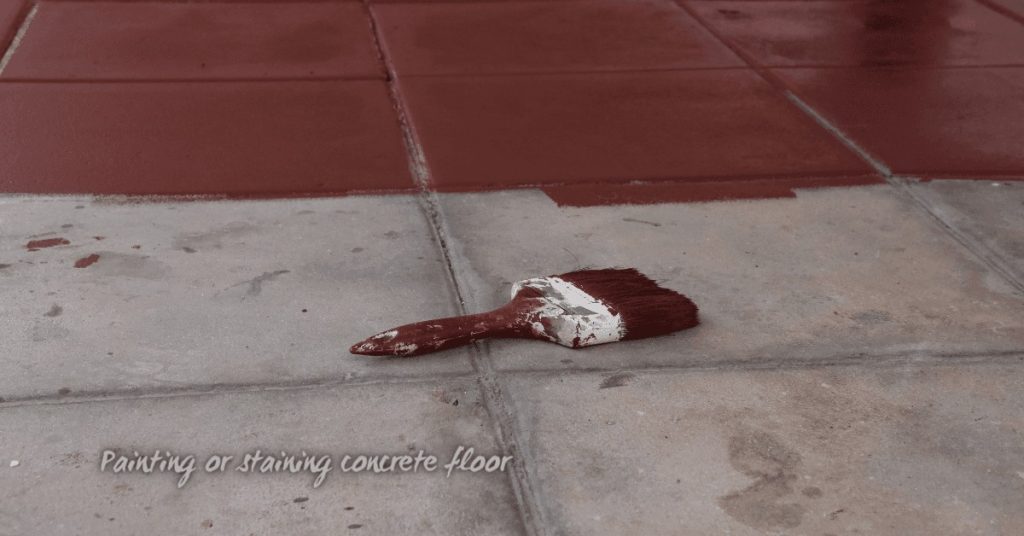
Paintbrush resting on partly painted concrete floor tiles

Concrete Color Consistency for Multiple Batches: Measuring Water and Pigment Without Guessing

Introduction Color consistency across multiple concrete batches is achieved by measuring water and pigment accurately rather than guessing. In a DIY setting, small changes in water or pigment can shift shade, so take consistent measurements for each mix. Keep notes on your process as you go to spot drift early. Choosing the right pigment for […]
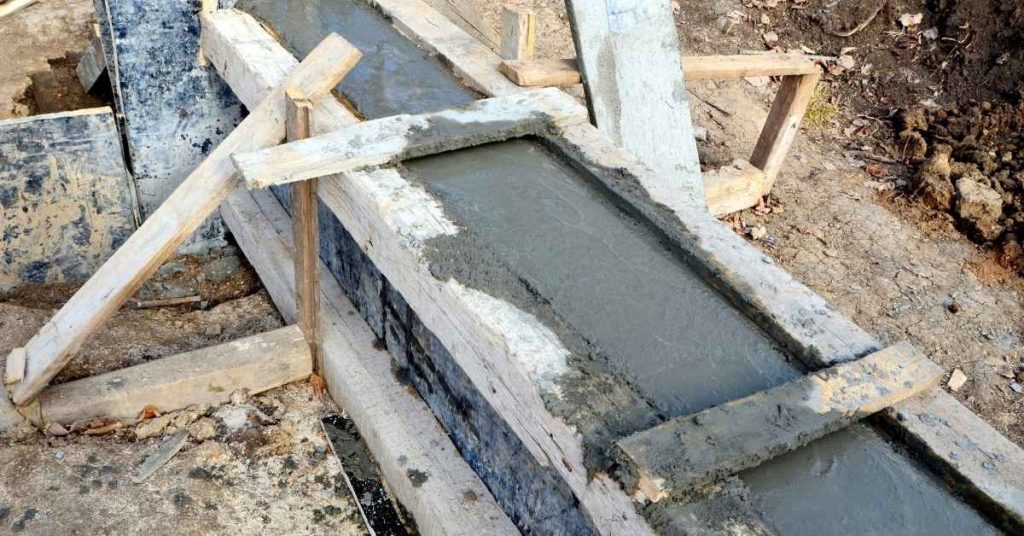
Concrete Color Consistency for Multiple Batches: Measuring Water and Pigment Without Guessing Read More »

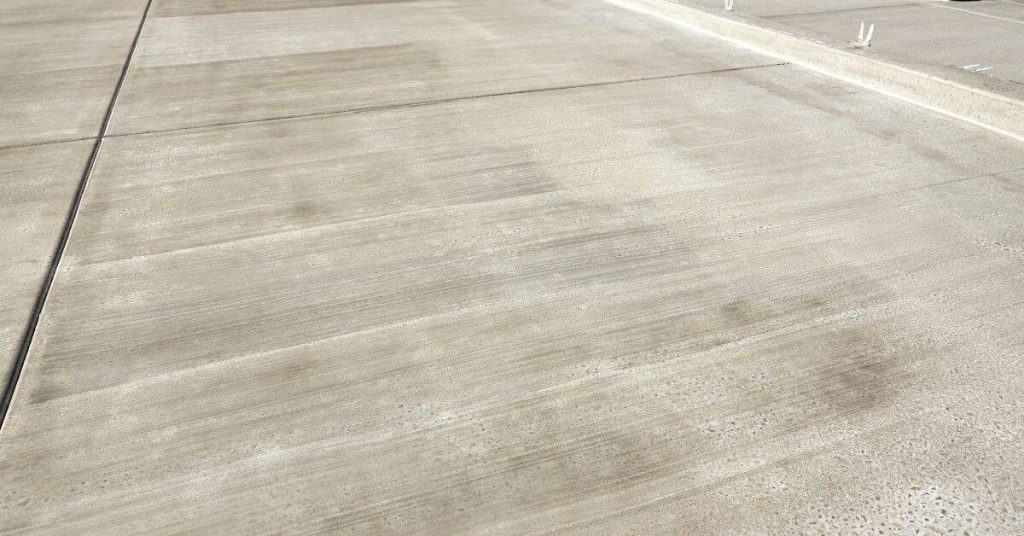
Concrete driveway slab with visible discoloration and stains

Why Thin Concrete Warps: Moisture Gradients, Reinforcement, and Better Curing Setups

Introduction Thin concrete warps when uneven moisture and temperature pull the slab in different directions. Moisture gradients and the way the mix dries out interact with the slab’s thin profile to cause bowing. Reinforcement and curing setup can worsen or help the effect depending on how evenly things stay throughout the cure. To keep things

Why Thin Concrete Warps: Moisture Gradients, Reinforcement, and Better Curing Setups Read More »

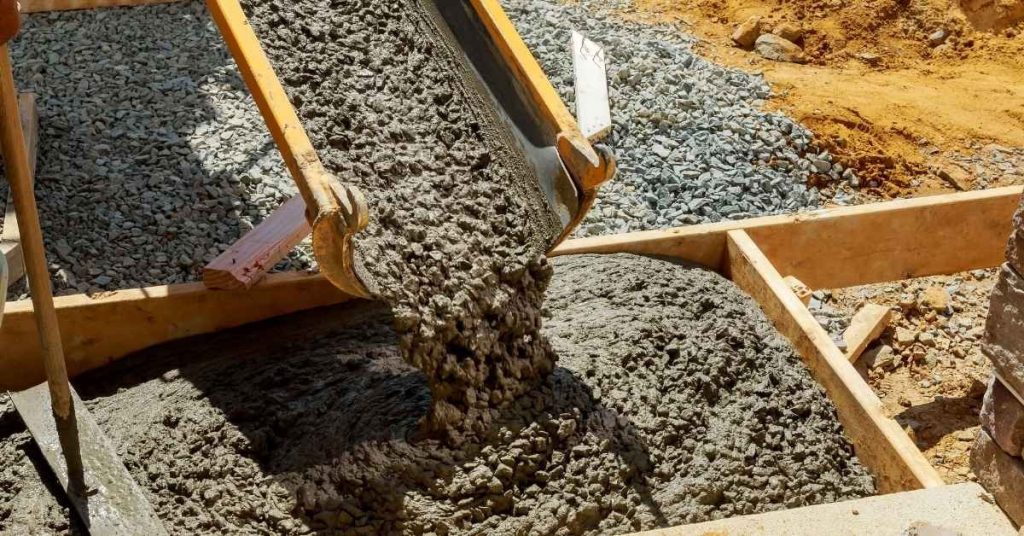
Fresh concrete poured into supported wooden forms outdoors

How to Strip Forms Without Breaking Corners: Release Timing and Support Tricks

Introduction Stripping forms without breaking corners means releasing the form panels at the right time and with proper support so the edges stay sharp. This article gives practical, hands-on tips for homeowners doing a small project. Use the right sequence, supports, and careful tool handling to minimize corner damage. Release timing depends on cure progress

How to Strip Forms Without Breaking Corners: Release Timing and Support Tricks Read More »

Concrete pouring into wooden formwork on construction site

Concrete Form Blowouts on DIY Forms: Bracing Patterns That Resist Wet Pressure

Introduction Concrete form blowouts occur when the wet concrete pressure pushes on the forms and they fail or bow. It happens when the form panels bow or kick out under load. If you see gaps or misalignment after a test lift, pause and inspect braces and joints. Use bracing patterns that keep panels square and

Concrete Form Blowouts on DIY Forms: Bracing Patterns That Resist Wet Pressure Read More »

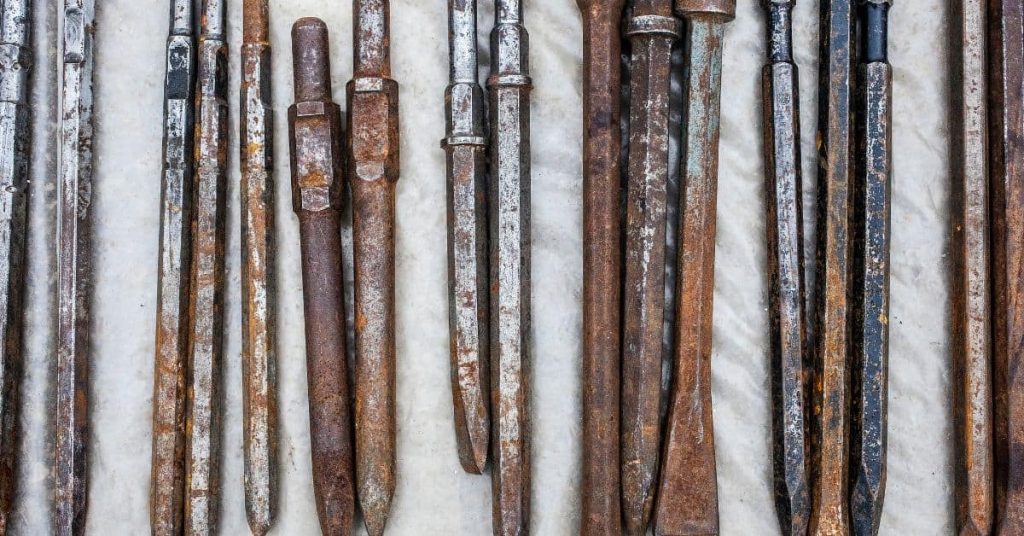
Rusty concrete chisels and tools laid out on a surface

How to Keep Concrete Tools From Rusting: Cleaning, Storage, and Why Oil Can Cause Finish Defects

Introduction Keeping concrete tools from rusting means cleaning, drying, and storing them properly to prevent corrosion. This article walks you through practical steps you can take after a cement job to reduce rust on rakes, trowels, chisels, and other gear. You’ll learn how to clean concrete residue, dry thoroughly, and choose a simple storage setup.

How to Keep Concrete Tools From Rusting: Cleaning, Storage, and Why Oil Can Cause Finish Defects Read More »

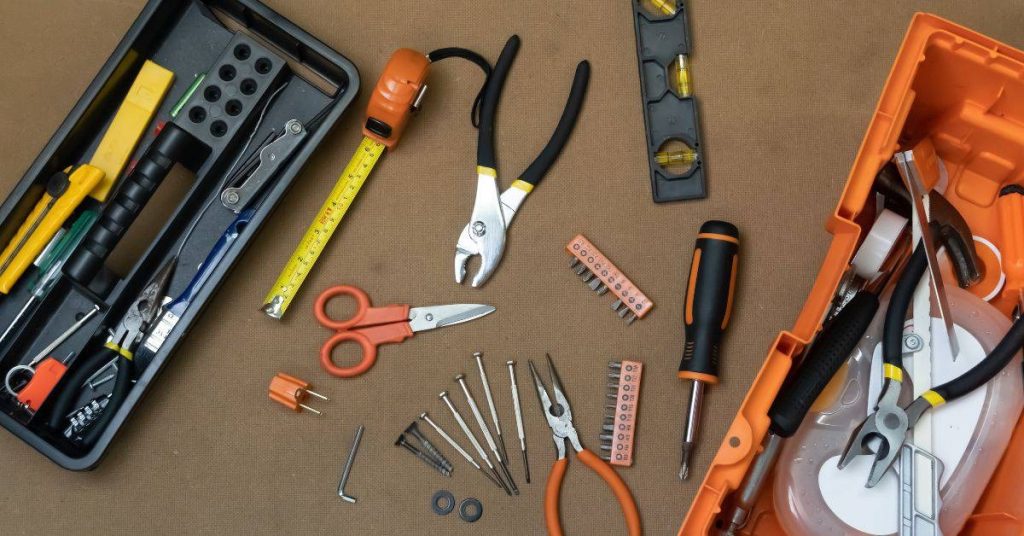
Hand tools including scissors pliers screwdrivers tape measure and level

Hand Edger Radius Guide: Picking 1/8″, 1/4″, 3/8″ Edges for Durability vs Looks

Introduction A hand edger radius guide helps you pick edge profiles around 1/8″, 1/4″, or 3/8″ to shape exposed concrete edges. The choice affects durability and how clean or decorative the edge will look. Always check the product label, manufacturer instructions, and local rules to confirm what radius is allowed for your project. To use

Hand Edger Radius Guide: Picking 1/8″, 1/4″, 3/8″ Edges for Durability vs Looks Read More »

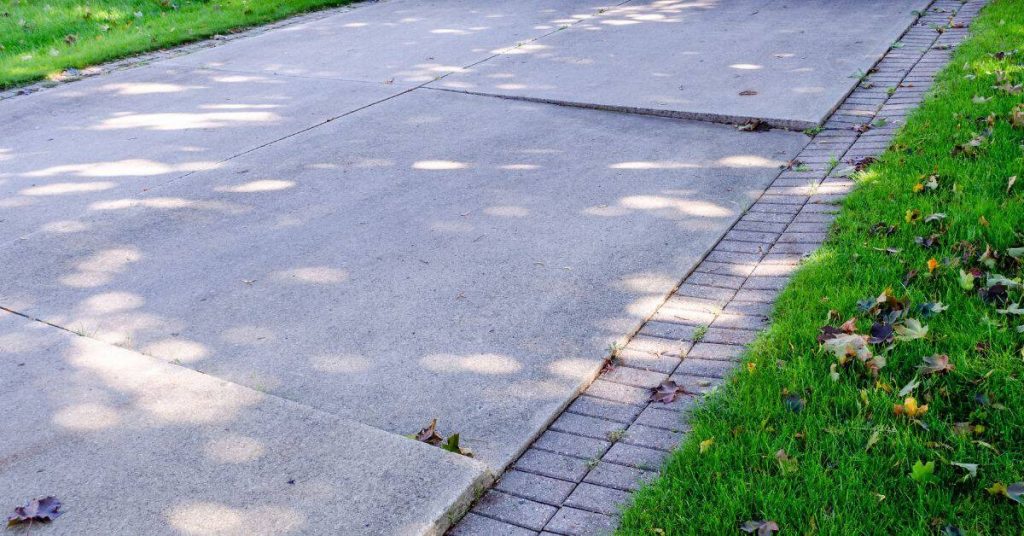
Concrete driveway with brick border and straight control joints

Concrete Groover Techniques: Keeping Joints Straight Without Chatter Marks

Introduction Concrete groover techniques are methods to create clean, straight control joints in fresh concrete. Using a groover or tool designed for joint lines helps you guide the surface and reduce wavy chatter. It’s a practical, hands-on step you can do with basic tools and steady effort. To keep joints straight without chatter marks, plan

Concrete Groover Techniques: Keeping Joints Straight Without Chatter Marks Read More »

Close-up of broken concrete pieces and aggregate rubble

Why Concrete Chips at Control Joints: Sawcut Timing, Aggregate, and Edge Protection

Introduction Concrete chips at control joints happen when sawcuts are not timed with the curing stage and edge protection isn’t maintained. In practice, the cut should occur when the slab has enough strength but before random cracks form. If you rush or delay, you can end up with chipped edges and uneven joints. Timing is

Why Concrete Chips at Control Joints: Sawcut Timing, Aggregate, and Edge Protection Read More »

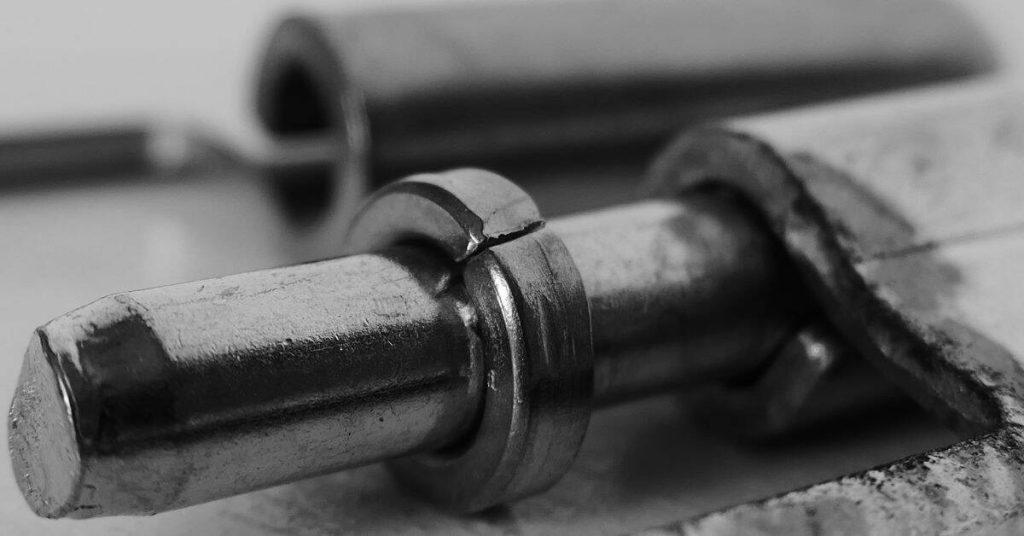
Close-up of metal rod with cracked retaining ring

Ring-Anode Spalls Explained: Why Repairs Can Accelerate Corrosion Next Door

Introduction Ring-anode spalls are corrosion damage around a ring-shaped anode where nearby metal starts spalling due to accelerated attack. In plain terms, you’re seeing how the ring setup can push galvanic action into surrounding metal. It’s a local deterioration issue that can spread if the ring current isn’t balanced or protected from moisture. For a

Ring-Anode Spalls Explained: Why Repairs Can Accelerate Corrosion Next Door Read More »

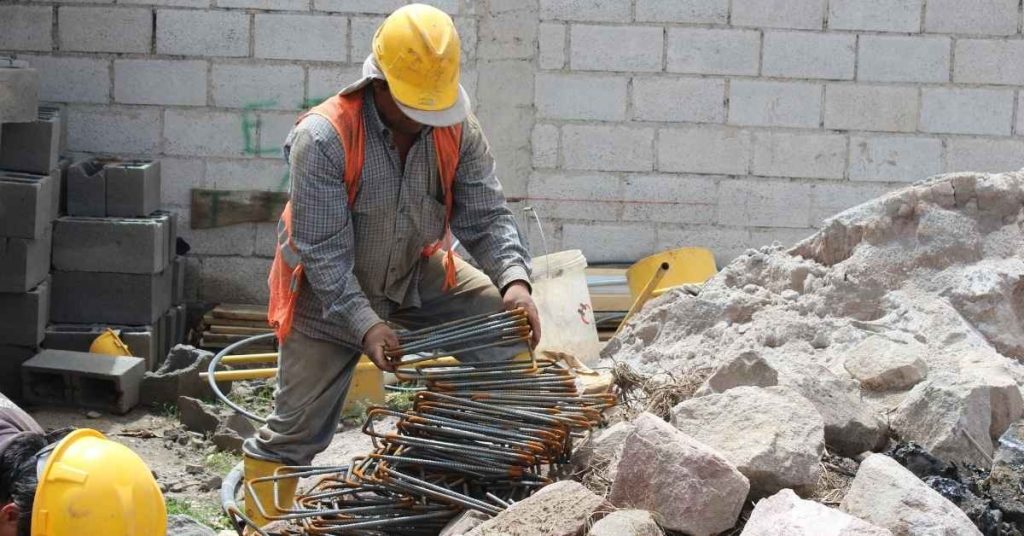
Worker in safety gear handling rusty rebar on construction site

Cleaning Rebar for Small Repairs: When Wire-Brushing Is Enough and When It Isn’t

Introduction Wire-brushing rebar is a surface cleaning method used to remove loose rust and scale from small repair bars before patching. It can be enough when the rust is light and the bar is still solid, with clean steel showing through. Check that the metal is not deeply pitted or flaky; if it is, further

Cleaning Rebar for Small Repairs: When Wire-Brushing Is Enough and When It Isn’t Read More »