Introduction
You can calculate the exact volume and weight of 2a gravel you need using simple, reliable formulas. This overview explains why accurate estimates matter and shows you how to estimate quantities for projects like driveways, paths, and garden beds. You’ll learn practical steps, common unit conversions, and rules of thumb to help you order the right amount with confidence.
Related: The Guide to 2A Gravel: Everything You Need to Know.
Key takeaways
- Know 2A gravel density ranges around 2,400–2,900 lb per yd³ depending on moisture.
- Always calculate volume in cubic yards first, then convert to weight.
- Include 10–20% extra for compaction, settling, and delivery loss factors.
- Check local vendors for regional price ranges and delivery charges.
- Use a simple formula: need = length × width × depth in yards.
- Verify slope, depth, and alignment with project plans before ordering.
Table of Contents
- Introduction
- Key takeaways
- What is 2A Gravel (2A Stone)?
- Basic Volume-to-Weight Formulas and Conversion Factors
- Density and Typical Weights for 2A Gravel
- Step-by-Step Calculations for Common Projects
- Compaction, Settlement, and Ordering Adjustments
- Tools, Measurement Guidance, and On-site Tips
- Ordering, Delivery, Staging, and Logistics
- Installation Basics, Safety, and Common Beginner Mistakes
- Cost Estimates, Regional Pricing, and a Planning Checklist
- Visual Aids, Quick Tables, and Troubleshooting
- Conclusion
- FAQ
What is 2A Gravel (2A Stone)?
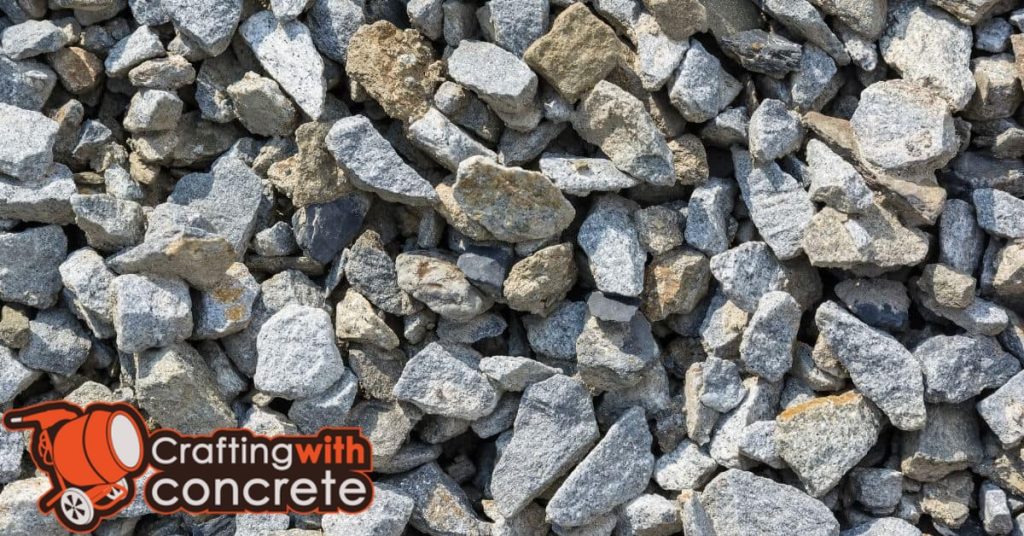
2A gravel, also called 2A stone, is a dense-graded aggregate sized roughly from 1/2 inch down to fine material. It typically contains a balanced mix of larger stones, crushed fines, sand, and dust that meet a specific gradation intended to create stability, reduce voids, and provide predictable compaction and drainage performance. The term dense-graded describes how the particles pack together for higher interlock and load distribution, making it a go-to choice for subbases, paver bases, and driveway foundations.
Common constituents and fines content give 2A its firmness and drainage characteristics, while its hardness supports durable installs without excessive settlement and helps resist rutting under moderate traffic, a balance that aids long-term stability on sloped sites and in freeze-thaw cycles. For DIY projects, it serves as the reliable subbase under pavers and sidewalks, a solid paver base, and a stable driveway foundation, often preferred for easy compaction with hand or plate compactors, even in tighter spaces or near existing landscaping. Buying tip: read the specifications for gradation, fines content, moisture, and compaction requirement, estimate depth with a simple tonnage-per-square-foot rule, compare contractors’ leanings on moisture conditioning, and calculate coverage to avoid gaps in the base.
Composition and gradation explained
Think of 2A as a mix of crushed stone that ranges from roughly 3/4″ pieces down to stone dust. The big chunks create voids for water to pass. The smallest particles — the fines — act like a binder and lock the bigger pieces together when you compact it.
Most good 2A mixes have a moderate fines content so the material will compact tight but still drain. If the fines are too low the base stays loose and shifts. If the fines are too high the base becomes muddy and sheds water slowly. As a rule of thumb, ask your supplier for a 3/4″ minus, crushed gradation and about 8–12% fines if you want a reliable balance.
What you need to do on the job: check base compaction in thin lifts (2–3″ layers), reject loads that feel like powder or have oversized cobbles, and do a simple drainage check after compaction. If water puddles or the surface ruts under a plate compactor, stop and adjust the mix or the lift thickness — don’t keep forcing it and expect good results.
Typical use cases and suitability
2A is your go-to for a firm, walkable base under patios, garden paths, and light-duty driveways. It compacts well and locks together, so flagstones, pavers, and compacted gravel surfaces sit flat and don’t shift as much as loose decorative gravels. For a DIY patio or stepping path, spread it in even lifts, check base compaction, and you’ll get a stable surface that drains reasonably well.
Use 2A for driveways if traffic is light to moderate and the soil drains. If you expect heavy trucks, large RVs, or poor subgrade (clay, wetlands), choose a thicker crushed-stone base or a contractor-grade base course instead—2A alone will rut under repeated heavy loads. Also skip 2A where you want a smooth, decorative finish; top with fines or a dedicated surfacing stone (pea gravel or washed stone) if looks matter.
Finally, don’t forget edges and drainage. Even the best 2A base fails without proper edging to hold it in place and a slope or subdrain to keep water moving away. If you need frost resistance, long-term driveway durability, or a paved finish, plan to layer other materials on top of or under the 2A rather than relying on it as the only solution.

Basic Volume-to-Weight Formulas and Conversion Factors
V_ft3 = area_ft2 × depth_ft and V_yd3 = V_ft3 ÷ 27 give you the volume in cubic yards, then weight_lb = V_yd3 × density_lb_per_yd3 converts that to pounds. Break irregular shapes into simple rectangles to sum their volumes, and note 1 yd = 3 ft and 1 yd3 = 27 ft3 for quick checks; typical loose gravel density sits around 2,400–2,900 lb/yd3, with compacted material near 3,000 lb/yd3, so you can estimate weight and add a 5–10% overage to cover settling and leveling.
Understanding these steps helps you size material and plan costs without guesswork, a big win on DIY or jobsite projects. Always keep unit consistency, convert any depth in inches to feet before multiplying, and account for moisture or compaction, slope, or reclaim areas where volumes change, so your delivery and fills go smoothly and you avoid under- or over-purchasing material.
Formula cheat-sheet (quick reference)
Measure the plan area in feet, multiply by depth in feet to get cubic feet: area × depth → cubic feet. Divide cubic feet by 27 to convert to cubic yards: ft³ ÷ 27 = yd³. Then multiply cubic yards by the material density (tons per yd³) to get weight in tons: yd³ × density = tons.
Do the math in that order. Round quantities up and add a small waste factor — 5–10% for tight fills, 10–15% for messy jobs. If you’re ordering, always round up to the next whole yard and confirm the supplier’s density number before finalizing.
Quick checks: check base compaction and measure depth after compaction, not loose depth. Also use the right density for the material you’re buying—gravel, topsoil, and crushed concrete all differ. When in doubt, ask the supplier for tons/yd³ so you don’t underorder.
Common unit conversions you’ll need
Keep this simple: 1 foot = 12 inches, so always multiply feet by 12 when you need inches. For volume, 1 cubic yard = 27 cubic feet, so convert ft³ to yd³ by dividing by 27. If you’ve already used the formula cheat-sheet earlier, use those same steps—don’t redo the math from scratch on-site.
Weight conversions: 1 US ton = 2,000 pounds. If your supplier quotes pounds and your project budget or truck limits are in tons, divide the pounds by 2,000 to get tons. If you see metric, 1 tonne (metric ton) ≈ 2,204.6 lb—double-check which “ton” they mean before you sign anything.
For 2A gravel you’ll see densities quoted a few ways: about 2,200–2,700 lb/yd³ (rough range), roughly 1.1–1.35 tons/yd³, or ~1,300–1,600 kg/m³. Those figures change with moisture and compaction, so always check base compaction and confirm the supplier’s bulk density before ordering. Bad assumption there wastes time and money.
Density and Typical Weights for 2A Gravel
2A gravel has predictable bulk densities, but the numbers shift with moisture and how tightly it’s packed. Dry loose density is typically around 95–105 lb/ft³ (about 1.28–1.42 tons per cubic yard), damp or moist ranges around 105–120 lb/ft³ (roughly 1.42–1.62 tons/yd³), and compacted material can reach about 120–140 lb/ft³ (about 1.62–1.89 tons/yd³). Use these ranges as rough defaults for DIY planning, and remember that site moisture and compaction dramatically alter the actual weight per volume.
For practical DIY use, a simple conversion helps: tons per cubic yard equals pounds per cubic foot divided by about 74.07, since 1 yd³ is 27 ft³ and 1 ton is 2,000 lb. If you know your material is damp, plan closer to the upper end of the dry-to-moist ranges; for shallow fills or decorative uses with little compaction, lower values work better. Quick checks—estimate moisture by feel and observe compaction after raking or tamping, then pick the corresponding density band to avoid under- or over-ordering.
Dry vs. compacted density
Loose or dry 2A gravel sits fluffy in the truck and weighs noticeably less per cubic yard than the same material after you run a plate or roller over it. When you’re figuring how much to buy, don’t use the loose number you see on a delivery ticket—use the compacted number or a compaction factor to convert loose yards to in-place yards.
Practical move: take the loose volume the supplier quotes and multiply by a compaction factor (usually 0.9–0.85 for gravel depending on moisture and machine). If you don’t know the exact factor, order extra—a 10–15% cushion is normal to avoid coming up short.
Also watch moisture and compaction method. Wet gravel can compact more and change final weight; hand-tamping vs. a heavy roller gives different results. Before paving or laying block, check base compaction with a simple test or ask the contractor for a plate-pass count so your weight estimates match the real job.
Regional density variations and supplier differences
Gravel isn’t the same everywhere. Local rock type — limestone, granite, trap rock — changes how heavy a load will be. Two yards can sell “2A” that looks identical but weighs noticeably more or less. Don’t assume your project numbers will match national tables; those are averages.
Before you commit, call the supplier and ask for the specific density or a weigh ticket. If they can’t give one, insist on a small test delivery and weigh it yourself. Remember the earlier notes on dry vs. compacted density when converting volumes to tons — the numbers will shift after compaction.
On site, confirm delivery weight and check base compaction before finishing. If the material is denser than you planned, you’ll need more equipment and possibly more material. If it’s lighter, the base might settle more than expected. Don’t gamble—measure, record, and adjust quantities with your supplier.
Step-by-Step Calculations for Common Projects
This section guides you through step-by-step calculations for three common projects—patio, driveway, and pathway—covering precise area measurement, depth guidance, volume calculations in cubic yards or meters, and translating that volume into tons or truckloads with practical compaction factors.
You’ll follow a measurement protocol for length and width, with tips for irregular shapes such as subtracting areas, using pacing, string guides, or reference objects to stay accurate.
Depth targets for base and sub-base layers are provided for 2a gravel across project types, with notes on how soil conditions, loads, drainage, and slope influence the final choice, and worked mini-examples illustrate a patio, a driveway segment, and a landscape path.
This approach helps DIYers plan materials, estimate waste, and prevent shortfalls or overages by factoring in base and sub-base needs and slope considerations.
By outlining measurement tips, volume-to-ton conversions, and common pitfalls, it boosts accuracy, safety, and budgeting on the jobsite.
Keep a simple one-page reference handy for quick on-site checks and smooth ordering of gravel, sand, and aggregate.
Step-by-Step Process
Follow these steps to move from planning to finished work on common DIY projects. They keep the job orderly, reduce mistakes, and make final checks quick.
- Do a quick site and tool check before you start. Verify measurements, clear the area, and confirm you have the right tools so you don’t stop mid-job. Check that your tape, level, and drill run true; a bent tape or wobbling drill bit is a red flag. Stop and call a pro if you discover unexpected wiring, major rot, or structural cracks.
- Measure and sketch the actual layout on-site. Accurate dimensions prevent wasted material and awkward fits later. Double-check critical measurements with a different tool or second person; they should match within the tolerance you planned. If your measurements disagree by more than your cutting allowance, re-measure and don’t guess.
- Create a cut and material list, then buy a little extra. Doing this up front saves time and avoids mid-job runs. Check the list against your sketch and the quantities on the jobsite before you leave the store. If you need structural beams or expensive specialty parts, stop and consult a pro about specs before purchase.
- Mark and dry-fit parts before any permanent fixing. Laying pieces out shows alignment issues and lets you adjust before cutting or fastening. A correct dry-fit sits flush and moves as expected without forced gaps. If pieces won’t align despite adjustments, call a pro rather than forcing fasteners.
- Cut, trim, and prep parts in sequence, following your layout. Cutting at the jobsite reduces transport damage and ensures accurate lengths for real conditions. Check each piece against the layout and do trial assembly; edges should meet squarely and gaps match your tolerances. For large cuts or structural members, stop and use a pro-grade saw or hire a pro if accuracy can’t be achieved safely.
- Install using the proper fasteners and adhesives, then verify fit. Fastening order matters—anchor first, shim where needed, then tighten to avoid stress. Quick checks: level, plumb, and no binding on moving parts; adhesives should squeeze out uniformly. Respect curing times printed on products—do not load or paint until adhesive or sealant has reached handling strength; call a pro if fasteners pull out or material splits.
- Finish with trims, seals, and cleanup, then run final checks. Sealant and paint protect the work and should be applied only after surfaces are clean and dry. Final checks: doors open freely, finishes are even, no loose fasteners, and work matches the sketch. If you smell gas, see major leaks, or find structural settling, stop and call a professional immediately.
Pro tip: Take photos of your layout and critical measurements before you start cutting. They save a lot of grief if you need parts reordered or must explain the job to a pro later.
Patio example (square/rectangular)
For a 12×14 ft patio you’re working with 168 sq ft. At 2 inches deep that’s 168 × (2/12) = 28 cubic feet. At 4 inches deep it’s 168 × (4/12) = 56 cubic feet. You can also think in cubic yards: 28 cu ft ≈ 1.04 yd³ and 56 cu ft ≈ 2.07 yd³.
Most crushed stone or gravel is about 1.35–1.4 tons per cubic yard. Using 1.35 as a conservative number, 28 cu ft ≈ 1.45 tons and 56 cu ft ≈ 2.90 tons. Round up when you order — small shortfalls mean extra hauling and headaches.
Decide depth based on use (2 in for flagstone setting bed or drainage; 4 in for a sturdier base). Before you pour material, check base compaction and add about 10% waste to the totals so you don’t run out mid-job.
Driveway example (variable width, length)
We’ll use a 20 × 40 ft driveway as a working example. Multiply length by width to get area: 20 × 40 = 800 sq ft. Convert depth from inches to feet (4 in = 0.333 ft, 6 in = 0.5 ft) and multiply by area to get cubic feet. For 4 in: 800 × 0.333 = 266.7 cu ft. For 6 in: 800 × 0.5 = 400 cu ft.
Convert cubic feet to cubic yards by dividing by 27. That gives about 9.9 cu yd for 4 in and 14.8 cu yd for 6 in. You will not get perfect compaction in place, so add a compaction allowance. A good rule is to order 10–20% extra depending on how tight you’ll compact. So plan to order roughly 11–12 cu yd for a 4 in finished depth and 16–18 cu yd for a 6 in finished depth.
Before you buy, decide your finished surface and how much subbase you want under it. If you’re not compacting well, order toward the higher end. Also check base compaction as you go — under-compacted gravel kills drainage and causes potholes. If you’ve read the patio example earlier, treat the driveway the same for measuring and rounding rules, but expect heavier compaction and traffic demands.
Pathway example (curved or irregular shapes)
Walk the path with a string pulled tight along the centerline or lay stepping stones where you want the route to go. Measure along the curve by following the string or stepping-stone line and record the total length. Take a few width measurements at the narrowest, widest, and a couple midpoints so you can average a realistic working width.
Estimate the area by treating the path as a series of short straight segments. Multiply each segment’s length by the local width and add them up. For tight arcs, approximate the outer edge as slightly longer than the centerline and use the centerline length for most material estimates to keep it practical.
Decide on material depth and then add allowances: allow 10–15% for waste and extra for edging and transitions. Before ordering, check base compaction and slope — a soft, poorly compacted base or bad drainage will double your work later. If unsure, round up rather than under-ordering; running out mid-job is the real time-waster.
Compaction, Settlement, and Ordering Adjustments
For 2A gravel in DIY base work, expect roughly 5–12% volume loss from loose to compacted in well-graded lifts, rising to about 15–20% in deeper fills or those with poor drainage, with moisture content and lift thickness both shaping the actual compaction. Settlement occurs over time after placement, so plan a modest post-compaction allowance of 2–5% to cover granular creep, saturation changes, and seasonal traffic or temperature shifts.
Sizing orders follows net volume × (1 + compaction factor) × (1 + waste/overage factor); for example, 100 ft3 with a 10% compaction and 5% waste yields about 115.5 ft3, and you can adjust if your project is base for pavers or a driveway. During ordering and installation, verify material gradation and moisture, keep a consistent lift thickness, compact in staged layers, and re-check final depths after compaction to avoid gaps or excessive settlement. If the material seems unusually wet or dug up, tweak the moisture plan or add a short lift and re-compact to manage compaction quality and prevent under- or over-compaction.
Typical compaction allowances to use
For a quick rule of thumb, plan to order 10–25% extra material. Use the lower end (around 10–12%) for shallow fills under 6″ and when using a good plate compactor. Move toward 15% for 6–12″ fills and 20–25% for fills deeper than 12″ or when hand tamping is the only option.
Compact in lifts. Do not dump a full depth and hope it settles evenly. For mechanical compactors use 3–6″ lifts. For hand tamping use thinner lifts and expect higher allowance. If you switch material type or moisture, add a few percent for safety.
Before you close up the job, check base compaction and compare with what your supplier says the field yield is. If in doubt, call the supplier and tell them your depth and compaction method. Better to have a wheelbarrow of extra material than to tear it out and reorder.
How to calculate and round up for waste
Do the math for material volumes first, then apply the compaction allowance you already picked earlier. Once you have the post-compaction volume, always order extra for cutting, reshaping and small errors. Never try to hit the exact decimal—trucks and site work eat material fast.
Rules of thumb: for loose bulk materials order to the nearest half-yard or nearest half-ton depending on how your supplier sells it. For mulch, topsoil and gravel round up to the nearest 0.5 yd. For stone, sand and delivered fill sold by weight round up to the nearest 0.5 ton. If you must deal with truck minimums, bump the order to the next full yard/ton so you don’t get shorted at the gate.
How much extra? Add about 5–10% for simple leveling or small cut-and-fill work. Add 10–20% for reshaping slopes, irregular beds, or any cutting where you’ll waste edges. For tight tolerances or lots with heavy trimming, plan 15–25% over. Check deliveries on arrival, confirm weights/yardage, and don’t be shy about ordering a small top-up truck rather than trying to patch with inferior material later.

Tools, Measurement Guidance, and On-site Tips
A practical introduction to tools and workflow for accurate area and depth measurements covers the tape measure, wheel or odometer, and a chalk line or string line, plus a simple laser level or square for alignment. Use each tool where it shines: tapes for long distances, wheels for sweeping areas, chalk lines for straight edges, and levels for leveling and edges. Follow a clear workflow to capture length, width, and depth, check slopes, handle irregular edges, and choose units (inches, feet, or metric) with consistent rounding and a sensible minimum/maximum precision.
On-site calculators and templates help translate measurements into concrete volumes using length × width × depth, while factoring shrinkage, compaction, and a 5–10% waste allowance. Good notes and a simple record-keeping habit reduce error, especially when accounting for edging or packaging and subtracting non-paved areas. This approach minimizes surprises, prevents over- or under-ordering, and keeps the job moving smoothly by highlighting common pitfalls like unit conversion errors or misread depths due to slope or edge irregularities.
Measuring irregular areas and depth checks
Walk the space and mark its outline with spray paint or string. Don’t guess the shape — break it into simple pieces on the ground: rectangles, triangles, circles, or a grid of equal squares. Measure each piece and add the areas. For a quick field method, lay a 1‑ft or 1‑m grid and count full and partial squares to get a usable area number you can trust.
For depth, take multiple measurements across the area — corners, center, and any low spots. Use a straight edge or a long ruler to spot slopes, then record depths at each sample point. Calculate an average depth from those readings and use that average for volume math. If you need math shorthand, area × average depth = volume; don’t assume depth is uniform.
Before ordering material or excavating, check base compaction and look for buried obstacles or roots while you probe. If the slope or depth varies a lot, measure more points. And be realistic: under-measuring depth is the fastest way to run out of material mid-job. Plan for a small waste/overage buffer. Average-depth sampling beats guessing every time.
Handy calculators and printable cheat sheets
Bring a simple calculator or phone app that asks for only three inputs: length, width (or radius for circles), and depth. Add a fourth input for a waste or compaction factor (common values: 5–15%). The app should output volume in cubic feet or meters and convert that into bags, cubic yards, or tonnes based on your chosen material. Keep the inputs visible on-site so you can re-enter quick measurements from different spots and get an updated total.
Make a printable depth-to-quantity cheat sheet you can laminate and keep in your truck. Columns should show depth (inches and mm), volume per 100 sq ft (or per m2), and material quantity in common units (bags at X lb/kg, cubic feet, cubic meters). Include separate rows for common waste factors (5%, 10%, 15%) and for compacted vs loose material. Stick a bold note at the top to round up—running out mid-job costs more time and money than extra material.
On-site use: measure a few spots (you already know how to do that), average the depths, then use the calculator and your cheat sheet to pick the order size. Mark the area and write the calculated quantity on the back of the cheat sheet before you call suppliers. And don’t fake the compaction number—actually check base compaction or order a little extra. Under-ordering is lazy and expensive; order sensibly and move on with the job.
Ordering, Delivery, Staging, and Logistics
This section clarifies how to plan ordering, delivery, and staging for bulk gravel, including common supplier units (tons vs cubic yards), typical truck options, and practical approaches for small jobs without bulky equipment. It explains how to estimate volume in both units, how to convert with typical densities for 2a gravel, and how to prepare for different delivery setups such as dump/spread or tarp-covered loads. It also covers staging locations, dust and mud control, simple access paths from the drop point to the work area, and safety considerations like minimum clearance for equipment.
The second paragraph focuses on timing, lead times, and quantity planning so readers avoid under- or over-ordering by building sensible buffers and understanding minimums for small jobs. It then offers practical options for unloading without heavy equipment—wheelbarrows, sturdy rakes, crew logistics—and outlines simple checks and protection measures to keep driveways and gravel intact. Knowing these details helps DIY crews coordinate with suppliers, stage efficiently, protect surfaces, and adapt to weather or site constraints without costly equipment or surprises on delivery day.
How suppliers measure and what to ask
Suppliers quote material by either tonnage or yardage. Ask them up front which one they use, and get both numbers if you can. A truckload in tons can look small or huge depending on the material density, so don’t assume one quote equals the same volume from another supplier.
Ask what density they use for conversions and whether that density reflects your compacted field conditions or loose delivery. If they can’t tell you the specific pounds per cubic foot they used, treat the estimate as optimistic.
Confirm delivery fees, minimum order, and staging rules before you sign. Know where the driver can drop material and whether there are extra charges for tight access, stairs, or overtime. If the supplier quotes yardage, double-check compaction allowances so you don’t run short.
Finally, tie this back to your ordering, delivery, staging, and logistics plans: get all numbers in writing, compare tons vs yards, and include a small contingency (10–15%) for compaction and waste. It saves a second truck and a headache.
Delivery logistics and tipping best practices
Pick a flat, firm spot for the dump that’s as close to the work area as possible. Avoid lawns, soft berms, and roots. Protect sensitive surfaces with plywood or steel plates and mark the spot with stakes so the driver doesn’t guess. If you want the pile on a driveway edge, state which side and how far from the house.
Confirm truck access before delivery. Ask about gate width, overhead clearance, and turning radius and tell the supplier if there are narrow streets or low branches. Keep the route clear and have someone meet the driver if the drop point is tight. Clear truck access saves delays and damage.
Stage material for the equipment you’ll use. For wheelbarrows, place pile within wheelbarrow distance from the work zone. For a skid-steer or mini-excavator, leave room to swing and load. Don’t dump on soft ground where the pile can sink. Tip the driver if they help position or offload into tight spots. Typical tips run about $10–$30 for a driver and $20–$50 per helper for extra labor or tricky drops; adjust up for bad weather or long carries.
Installation Basics, Safety, and Common Beginner Mistakes
This section defines practical spread depths for common DIY pours, clearly distinguishing subbase (compactable aggregate) from paver base (coarser or finer blends) and explaining how these layers, within recommended thickness ranges and tolerances, influence drainage, stability, and long-term performance while accounting for how layering improves or impedes water movement and load transfer. It further guides verification steps—measuring area, confirming slope and drainage, assessing existing soil conditions, and choosing consistent compacted volumes—so you can calculate total volume and wastage with a simple, repeatable approach that minimizes over- or under-estimation. Additionally, it lists essential PPE (safety glasses, gloves, hearing protection), dust-control methods (wet-spread, misted water during handling, vacuuming, and sensible storage for dusty materials), plus safe lifting techniques and an unobstructed, ergonomically sound site setup to reduce strain and prevent trips.
Knowing these practices matters on every jobsite because following them reduces waste, protects workers, and promotes durable surfacing that withstands weather, traffic, and curing timelines. By focusing on layering, containment, and proper handling, DIYers build confidence, avoid common beginner mistakes like underestimating base depth or skipping compaction checks, and achieve better overall results that last longer and require fewer reworks.
Layering, compaction methods, and edge restraints
Start with a stable subbase, then lay a crushed-stone 2A base in 2–4 inch lifts, and finish with a thin paver bedding layer of sharp sand (about 3/4–1 inch). Don’t skip lifts or try to cheat on depth. The 2A base carries the load; the bedding just seats the pavers.
Compact each lift with a plate compactor or vibratory roller until you get uniform resistance. Light passes over the bedding only — too much vibration will sink the sand and loosen joints. Stop and check base compaction by tapping a straightedge; if it rocks you need more compaction or more material.
Edge restraints are not optional. Use a concrete curb, heavy-duty plastic/metal restraint, or compacted concrete band and pin it solidly at grade before you compact the final surface. If the edges move, the whole field will fan out and the joints will fail fast.
Fit restraints tight to the paver line, backfill and compact behind them, then do your final compaction with the pavers protected by a pad on the plate. If you want the job to last, spend time on base compaction and anchoring the edges — shortcuts here cost you in repair work later.
Safety checklist and ergonomics
Wear basic PPE every time: gloves, a dust mask, and eye protection. If you’re cutting pavers or working with dry sand and aggregate, wet the cut line or use a shop vac to suppress dust — don’t rely on windows or luck. Keep a first-aid kit and a charged phone nearby; small cuts and eye dust are the most common trip to the ER I see.
Lift smart: bend at the knees, keep the load close to your body, and avoid twisting while carrying heavy pavers. If a single unit is awkward or over 50 lbs, get a second person or use a carrying tool. Practice the use correct lifting technique on a few bricks before you go faster than you should.
Check the site for trip hazards, slope, and drainage before you lay the first unit and make a habit to check base compaction during breaks rather than assuming it’s fine. You already covered layering and compaction methods, so don’t skip returning to verify your work; bad compaction and sloppy edges are the two mistakes that come back to haunt you most.
Cost Estimates, Regional Pricing, and a Planning Checklist
Estimating project cost starts with a clear workflow that uses both per-ton and per-yard pricing, shows how to convert between units, and adds practical line items like density (2a gravel), delivery, fuel surcharges, taxes, and site-specific fees. It also captures compaction, wastage, and the overhead needed for anticipated volume changes, plus a concise pre-order planning checklist to keep the project on budget from start to finish.
For DIY readers, understanding delivery logistics, access constraints, unloading methods, and minimum orders helps prevent surprises and enables accurate regional comparisons. The guidance emphasizes how paying attention to local pricing differences—urban versus rural, seasonal surcharges, and quote variations—translates into a realistic budget and a ready-to-use template for gathering multiple local quotes. A practical sample calculation walks through a hypothetical project, illustrating end-to-end cost estimation and the impact of contingency planning on overall affordability.
Sample cost breakdowns by scenario
Small project (backyard patio, 200–400 sq ft): expect roughly $1,500–$5,000. That covers materials (pavers or concrete), basic site prep, and a day or two of labor. Medium project (driveway replacement or large patio, 400–800 sq ft): plan on about $5,000–$15,000 for better materials, heavier base work, and 2–5 days of crew time. Large project (full yard hardscaping, retaining walls, grading): budget $15,000–$50,000+, especially if heavy equipment, permits, or engineered drainage are involved.
Decide these up front: exact square footage, material grade, and whether you need permits or engineered work. Add a 10–20% contingency for unknowns. Before committing, get three quotes so you can compare labor hours, material brands, and warranty coverage. Also have the contractor confirm schedule and start date — seasonal demand shifts prices fast.
On site checks, do not cut corners: check base compaction and slope for drainage. You can save money on finishes and trim work, but do not skimp on drainage or the base — those failures are the costly ones. If you want a quick rule: material choices change price the most. Pick a durable base and adjust the surface finish to match your budget.
Pre-order planning checklist
Before you call suppliers, confirm measurements on the ground. Walk the site with a tape and mark the exact length, width and depth you want. Don’t guess or trust rough sketches; an extra 10% ordered to cover mistakes costs real money.
Factor in compaction. Ask for and allow a specific check compaction allowance — usually a percentage of depth or volume for settlement. If you skip this, you’ll under-order and delay the job.
Talk to the supplier about material density and order by weight or compacted volume, not vague terms. Make them state the density so you can verify supplier density against your calculations. Different stone or soil types change the total needed a surprising amount.
Lock in delivery windows and equipment. Reserve the truck arrival time, plan where it will dump, and line up a skid-steer or plate compactor ahead of time. If you wait, you’ll face missed deliveries, double handling, and days lost — I’ve seen it happen more than once.
Visual Aids, Quick Tables, and Troubleshooting
Key visual checkpoints, quick depth-to-quantity tables, a practical troubleshooting list, and simple on-site calculator concepts come together in this section to help DIYers verify 2A gravel depth in common applications like drainage trenches, slabs, and walkways. Expect clear captions for photos showing proper depth, compaction cues, ruler and level checks, and tamper-mark indicators, plus concise charts that translate depth and area into cubic yards or feet and into tons for on-site sign-off.
The goal is to provide practical, jobsite-ready guidance that translates complex measurements into actionable steps, reducing surprises during pour day. By pairing visual evidence with compact reference tables and a streamlined calculator workflow—covering units, densities, waste allowance, and a simple formula—DIYers can confidently estimate materials, catch common issues early, and adjust calculations before setup. Clear captions, depth gauge placements, and verification checks after rake-out help ensure consistency, while one-page quick-reference takeaways address safety, weather considerations, and post-install verification.
Depth-to-quantity quick reference table
Use this as a quick lookup when ordering gravel, sand, or base. Numbers are cubic yards needed for common area sizes at 2″, 3″, 4″, and 6″ depths. Check base compaction and measure your actual finished depth before ordering.
100 sq ft — 2″: 0.62 cy, 3″: 0.93 cy, 4″: 1.23 cy, 6″: 1.85 cy. 200 sq ft — 2″: 1.23 cy, 3″: 1.85 cy, 4″: 2.47 cy, 6″: 3.70 cy. 400 sq ft — 2″: 2.47 cy, 3″: 3.70 cy, 4″: 4.94 cy, 6″: 7.41 cy.
500 sq ft — 2″: 3.09 cy, 3″: 4.63 cy, 4″: 6.17 cy, 6″: 9.26 cy. 1,000 sq ft — 2″: 6.17 cy, 3″: 9.26 cy, 4″: 12.35 cy, 6″: 18.52 cy. For non-standard sizes multiply area (sq ft) × depth (in) ÷ 324 to get cubic yards.
Always add 10–15% for waste and minor grade adjustments. If you’re unsure about compaction or lost depth from tamping, round up rather than down. For more visual aids or troubleshooting tips, refer back to the Visual Aids, Quick Tables, and Troubleshooting section.
Common problems and fixes
Running out of material mid-job is the most common screw-up. If you under-order, pause and buy a bit extra rather than trying to stretch what you have. Small gaps look awful and settle faster. Use the depth-to-quantity quick reference table above to double-check before you finish, then top up and compact in even lifts.
Poor compaction shows up as sinking pavers or soft spots. Stop and check base compaction with a hand tamper or plate compactor. Add 2–3 inches of base and compact in layers if the area gives. Don’t skip compaction to save time — you’ll pay for it with repairs.
Drainage problems are subtle until water pools or causes heaving. If you see water collecting, regrade to shed water, install a simple gravel trench, or add a drainpipe where low spots form. Fixing drainage after the surface is in place is messier, but doable: lift the affected section, correct the slope or add aggregate, then relay and compact.

Conclusion
Getting the gravel calculations right matters for safety, durability, and a clean look. When you know the volume, weight, and how compaction changes things, you avoid overorders, muddy jobs, and costly rework.
Confirm your plan by checking that you have the correct amounts, staging space, and delivery timing, then run through these checks in order: verify the project dimensions and volume using your basic formulas, confirm density and weight ranges for 2A gravel in your region, order a little extra for compaction and settlement, arrange delivery with on-site staging that keeps material dry and accessible, and finally verify access, compaction equipment readiness, and safety gear before you start pouring and raking. Double-check measurements and test a small area first to confirm setup and compaction results before committing to the full load.
Common mistakes to avoid include assuming a single density for all 2A gravel without checking regional data, underestimating the extra material needed for compaction and settlement, and skipping safety steps like eye protection, footwear, and trenching or edge protection when required. Keep your work area level, test compaction on a small patch, and never overwork a trench, slope, or edge. If the project requires grading, drainage, or structural components beyond simple fill and lay, or if you’re unsure about local code and permits, don’t push it—call a pro. Stay practical, stay safe, and you’ll finish stronger than you started.
FAQ
How do I calculate how much 2a gravel I need for a path or driveway?
Measure the length, width, and desired depth of the area. Multiply length by width by depth to get cubic yards, then convert to tons if you need weight. A little extra for compaction and waste is smart—around 5 to 10 percent is typical.
What depth should I use for 2a gravel?
For a path, 2 to 4 inches works. For a driveway, 4 to 6 inches is common, depending on traffic. If you’re not sure, err on the higher side and plan a touch more for compaction.
How do I convert cubic yards to tons for 2a gravel?
One cubic yard of 2a gravel weighs about 2,200 to 2,400 pounds. Multiply the cubic yards by 1.1 to 1.15 to get short tons. Use the specific gravity on the bag or quarry sheet if you want exact numbers.
What about compaction and waste? How much extra should I order?
Gravel settles when you pack it, so add 5–10 percent extra. If you’re driving over it with equipment, add more for compaction loss. Always have a little reserve on hand for touch-ups after weather and use.

