
Introduction
Weep holes in brick provide a path for moisture to escape and help prevent brick damage.
The guide covers how to spot when they are needed, how to plan their size and placement, and practical steps you can follow to improve drainage and durability.
Key takeaways
- Ensure weep holes align with underlying cavity space for drainage.
- Plan hole spacing per wall height and local mortar joint requirements.
- Use plastic tubing or mesh to prevent clogging while remaining breathable.
- Drill at least the recommended depth and maintain weep-open perimeters.
- Inspect after heavy rain and clean debris safely with soft brush.
- Regularly check seals around patches to prevent moisture intrusion.
Table of Contents
- Introduction
- Key takeaways
- Why Weep Holes Matter in Brick Construction
- Planning Before You Drill: Location, Frequency, and Codes
- Tools, Materials, and Safety Checklist
- Step-by-Step DIY: Installing Weep Holes in New and Existing Walls
- Pro Tips for Cleaner, Longer-Lasting Results
- Troubleshooting Common Problems and When to Call a Professional
- Maintenance, Inspection Schedule, and Long-Term Care
- Conclusion
- FAQ
Why Weep Holes Matter in Brick Construction
Weep holes drain moisture from behind brick veneer and vent the cavity so dampness doesn’t sit against the wall or soak into finishes, providing a continuous path for water to escape to the exterior and keep the brickwork dry. They also enable air movement through the cavity, which helps slow interior condensation and reduces the chances of mold forming behind the veneer over time. In a typical cavity wall, flashing redirects water down the face of the wall and toward the weep path, while the holes themselves serve as the connection from the inner open space to the exterior and provide a controlled outlet for moisture.
The right setup—proper placement, consistent spacing, and flashing that stays below the brick shelf—lets water escape instead of becoming trapped and wicking into framing or interior ceilings, which protects both the wall assembly and interior finishes. That’s why blocked holes, debris buildup, or improper flashing are common failure modes you’ll want to check and fix during renovations, because they invite damp, staining, and potential mold growth. Do quick DIY checks like looking for dry, clean holes and signs of moisture on interior walls, and if you see trapped moisture or efflorescence, consult a pro rather than guessing.
Function and Science of Drainage
The primary function of weep holes is to allow water that enters the cavity behind brick veneer to drain out. When it rains, water can seep into small cracks or gaps in the masonry. This moisture moves through the wall cavity due to capillary action, which pulls water upward against gravity.
Inside the cavity, condensation forms when warm interior air meets cold exterior surfaces during temperature changes. Weep holes provide an escape route for this excess moisture and prevent it from building up inside the wall. Properly placed weep holes also reduce pressure-driven water movement by allowing air to circulate freely through the cavity.
Without effective drainage, trapped moisture can lead to serious issues like freeze-thaw damage or mold growth. By ensuring that weep holes are clear and functional, you protect your home’s structural integrity and interior finishes from these hazards.
Risks of Missing or Blocked Weep Holes
Missing or blocked weep holes can lead to significant problems over time. When water cannot escape through the cavity, it accumulates and causes deterioration from within. This trapped moisture leads to issues like efflorescence—a white powdery substance on brick surfaces—and rot in wood framing.
Homeowners should watch for signs of interior leaks such as damp spots or mold growth near exterior walls and ceilings. These are clear indicators that water is not draining properly through the weep holes. Regularly checking for debris blocking these openings can help prevent costly repairs down the line.
In addition to visual inspections, it’s important to ensure flashing and other waterproofing elements are correctly installed around weep holes. Proper maintenance includes cleaning out any blockages and ensuring that all components work together effectively to keep your home dry and structurally sound.

Planning Before You Drill: Location, Frequency, and Codes
Plan weep holes directly above flashing when possible, near sills or at the top of masonry courses, and place them at regular horizontal intervals to promote drainage without compromising brick integrity. Commonly, horizontal spacing is around four to six feet apart with vertical placement above grade or near openings to vent and drain effectively.
Verify local building code, manufacturer requirements, and IRC/IBC guidance, and note any area amendments that apply. Create a simple pre-install map showing wall height, openings, flashing locations, and clearance from insulation, vents, and electrical elements to avoid common pitfalls.
Typical Placement and Spacing Guidelines
When it comes to placing weep holes, the general rule is to position them directly above the flashing. This helps direct water away from the wall cavity and out of the building. Typically, you’ll place these holes at regular intervals along each horizontal course or bay of brickwork.
The standard spacing for weep holes ranges between 4 to 6 feet apart horizontally. However, this can vary based on factors like wall height, window placement, and exposure to weather elements. For instance, taller walls might need more frequent weep holes to ensure proper drainage throughout the entire length of the wall.
Another key factor is the vertical positioning. Weep holes should be placed above grade level or within a short distance from each opening like windows or doors. This ensures that water doesn’t accumulate in the cavity and can escape effectively through these openings.
Remember, the goal is to balance effective drainage with maintaining the structural integrity of your brickwork. So, while spacing guidelines are helpful, always consider the unique aspects of your project when deciding where to place weep holes.
Checking Codes, Flashing, and Existing Details
Before you start drilling weep holes, it’s crucial to check local building codes and any manufacturer requirements for the specific materials you’re using. These guidelines will dictate where and how many weep holes are needed.
Inspect your wall carefully before starting work. Look at existing flashing details around windows and doors, as well as lintels and other structural elements that might affect placement of weep holes. Make sure there’s no insulation or electrical components in the way that could block drainage paths.
Create a simple map or diagram showing the height of your walls, locations of openings, and where flashing is installed. This will help you plan out where to place weep holes for optimal drainage without compromising structural integrity.
Always verify clearance from insulation, vents, and electrical elements before drilling. Blocking these areas can lead to serious issues down the line, so take your time to ensure everything lines up correctly.
Tools, Materials, and Safety Checklist
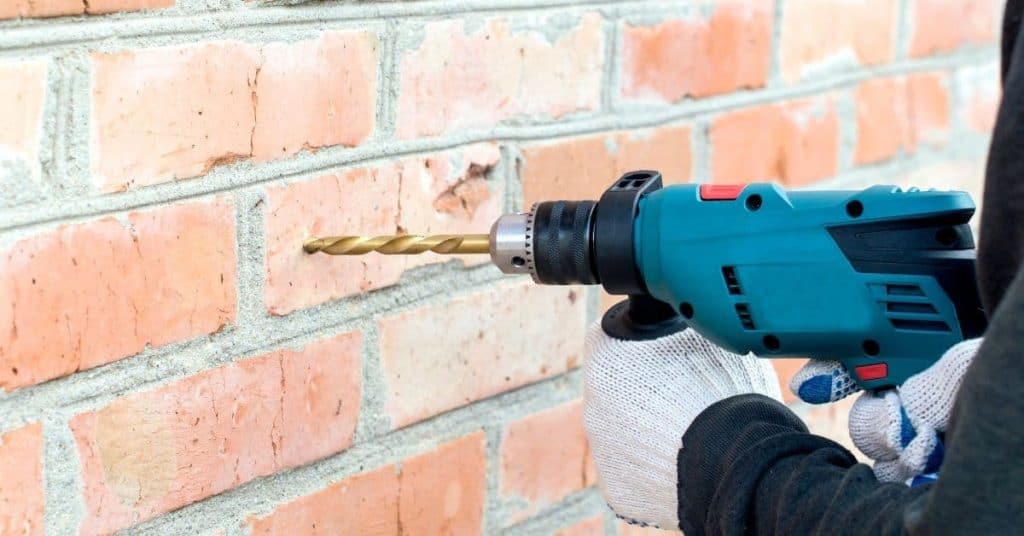
This section lists the tools you need for drilling and installing weep holes, the materials to choose, and the safety steps to protect you. You’ll need a drill with a masonry bit, a vacuum or cleanup tools, a wire brush, a funnel or dedicated weep vent, a level, and a chalk line. Materials include stainless-steel or plastic weep vents, flashing, backer rod, and appropriate fillers; choose corrosion‑resistant options for brick. Always wear proper PPE and follow safety steps for working at height and drilling into brick or mortar.
This matters because getting it right prevents leaks and moisture problems and saves you from future headaches. A clear safety workflow helps: inspect, mark, test drill depth, drill carefully, control vibration, clean up, and install flashing and vents to keep drainage functioning. Check labels or datasheets for product guidance and remember to maintain or dispose of vent parts properly through local rules.
Choosing Weep Vents and Fillers
Before you start drilling, make sure you have the right weep vents and fillers for your project.
- Select vent material: Choose between plastic or stainless steel based on durability. Stainless is better in coastal areas due to salt corrosion.
- Add insect screens: Install mesh covers to prevent pests from entering through the weep holes.
- Use backer rod: Insert a foam backer rod before installing vents to ensure proper spacing and sealant adhesion.
- Select filler type: Use temporary fillers during construction or permanent ones for long-term sealing. Temporary fillers should be removed after the project is complete.
- Check vent alignment: Ensure vents are straight and level to avoid water pooling.
- Inspect sealant application: Apply a bead of silicone caulk around each weep vent for a watertight seal. Missing this step can lead to leaks.
- Verify drainage effectiveness: Test the system after installation by pouring water into the cavity and checking if it drains properly.
Quick rule: Always choose corrosion-resistant materials and ensure proper sealing for long-lasting performance.
Safety and Structural Precautions
Before you start drilling, make sure to take all necessary safety measures and precautions.
- Avoid brick removal: Do not remove bricks without consulting a professional. It can compromise structural integrity.
- Locate utilities: Use a utility locator service before drilling to avoid hitting electrical or plumbing lines.
- Use fall protection: Wear harnesses and use safety nets when working at heights over 6 feet.
- Inspect scaffolding: Ensure all scaffolding is properly erected and secured. Missing this step can lead to accidents.
- Wear PPE: Use eye protection, gloves, and respiratory masks as needed. Skipping PPE increases risk of injury.
- Check ladder stability: Make sure ladders are on firm ground and have a secure base before climbing.
- Test drill depth: Drill test holes to determine the correct depth for weep vents without damaging structural elements.
- Control vibrations: Use low-vibration drills to minimize damage to surrounding brickwork. High vibration can crack bricks.
Quick rule: Always stop and consult a professional if you encounter unexpected issues or doubt your ability to proceed safely.
Step-by-Step DIY: Installing Weep Holes in New and Existing Walls
Weep hole work starts with a careful inspection of brick integrity, moisture signs, flashing presence, and cavity space, then planning from the bottom up to keep flashing protected as you progress. For both new walls and retrofits, you’ll mark drill or rake points above the expected weep holes, check vent options, and set a sequence that begins at the lowest level and climbs upward. Throughout drilling, raking, vent installation, and cavity cleaning, protect the flashing behind the brick and avoid splashing mortar into the cavity to preserve drainage paths.
After the holes are opened and vents installed, clean the channels of mortar debris, clear vent ends, and seal penetrations so you don’t trap moisture or create new blockages. Final checks focus on open weep paths, proper drainage, and a plan for ongoing maintenance and occasional inspection to catch clogging or mortar intrusion before it causes trouble. If you’re unsure about any step, check the product label or manufacturer instructions and local guidelines for cavity work, because keeping flashing intact and the cavity clear is what prevents wood rot and mortar pop-outs later.
Step-by-Step Installation Process
This sequence guides you through installing weep holes from start to finish, ensuring proper drainage and structural integrity.
- Inspect the wall for existing damage or signs of moisture. Check flashing location and cavity space.
- Note any areas needing repointing or flashing replacement before drilling.
- Mark drill points above weep holes, ensuring they align with cavity air flow. Protect flashing from damage during cutting and drilling.
- Use a marker to clearly mark each hole location.
- Drill or rake mortar joints for weep holes, using the appropriate method based on wall condition.
- For new construction, drill holes; for existing walls, carefully raking out mortar is key.
- Install proper vent inserts or sleeves, ensuring they are securely placed and aligned with cavity flow.
- Check that vents fit snugly to prevent water