
Introduction
Bulging stucco usually signals moisture intrusion or lath failure and should be treated as a warning sign.
You’ll learn how to tell the difference between moisture-related swelling and lath failure through simple visual checks and non-invasive assessments, plus practical steps to evaluate exterior walls.
The guide outlines common causes, practical maintenance habits, and how to approach repairs in a way that minimizes damage and protects the home.
Key takeaways
- Bulging stucco signals moisture concerns or lath failure; both require prompt assessment.
- Moisture intrusion symptoms include damp patches, staining, and efflorescence near seams.
- Lath failure presents as loose panels, rust, nail pops, or hollow sounds.
- DIY tests like taped moisture checks aid initial screening, not definitive proof.
- Repair decisions balance damage extent, safety, doorways, and cost versus full remediation.
- Preventive maintenance, sealant upkeep, and proper flashing reduce recurrence risk.
Table of Contents
- Introduction
- Key takeaways
- Quick overview: why bulging stucco matters
- Two primary failure paths: moisture intrusion vs. lath (metal) failure
- Diagnostic toolkit: tests and inspections (DIY and professional)
- Interpreting findings: evidence that points to moisture vs. lath failure
- Repair options and decision-making: repair vs. partial or full remediation
- Cost factors and timelines: what affects price and schedule
- Preventive measures and maintenance to avoid recurrence
- Visual signs and examples to look for
- Conclusion
- FAQ
Quick overview: why bulging stucco matters
Bulging stucco is more than a surface blemish. It can signal water behind the wall or a failing backing like lath. Left unaddressed, it invites hidden problems that grow over time.
Look for ripples, soft spots, staining, or edge lifting near openings. These cues help you judge whether the issue is moisture driven, lath related, or a mixed problem. The goal is to identify the root cause before costs and damage multiply.
Visual and Tactile Signs of Bulging
Bulging stucco isn’t always obvious. Here’s what to look for:
Visible bulges: These are easy to spot, but remember, shadows or painting imperfections can mimic them.
Hairline cracks: Around windows, corners, or penetrations, these could indicate underlying issues.
Staining: Discoloration, especially around access panels, might hint at moisture intrusion. And hollow sounds when you tap the wall can signal delamination.
When to Call a Professional
DIY is great, but know your limits. Here are signs it’s time to call in an expert:
Size and location: If bulges are large or near structural elements like corners or windows, play it safe.
Multiple affected areas: More than one spot? It might be a bigger issue than you can handle.
Interior staining or soft framing: These could indicate moisture intrusion and potential rot. And if there’s structural concern, don’t risk it – call a pro immediately.

Two primary failure paths: moisture intrusion vs. lath (metal) failure
Two main culprits drive bulging: ongoing moisture behind the stucco and failures in the lath or its adhesion. Each path changes how you plan repairs and what parts are replaced. Distinguishing them guides the sequence of work.
Expect moisture signs like staining, damp patches, and mold cues for the first path. Lath-related clues include rust halos or delamination tied to the backing material. Use these indicators to map your repair approach and consult specialists as needed.
How Moisture-Driven Bulging Develops
Moisture intrusion occurs when water finds its way behind your stucco, getting trapped and causing problems. Here’s how it happens:
Flashing or window leaks: Water can seep in through damaged flashing or poorly sealed windows.
Ground contact: If your stucco comes into direct contact with the ground, moisture wicks up into the wall.
EIFS barrier failures or poor drainage: When exterior insulation and finish systems (EIFS) barriers fail, or water can’t drain properly from the roof or gutters, it leads to trapped moisture.
How Lath Corrosion or Attachment Failure Causes Delamination
Lath failures happen when the metal mesh or its fasteners corrode, rust, or mechanically separate from the substrate. Here’s how:
Rusting lath: Over time, moisture causes the metal lath to rust, weakening it and compromising its bond with the stucco.
Corroding fasteners: Nails or screws holding the lath in place can corrode, leading to mechanical separation.
Mechanical stresses or freeze-thaw cycles: Expansion and contraction due to temperature changes or physical stress can cause the lath to pull away from the substrate, leading to delamination.
Diagnostic toolkit: tests and inspections (DIY and professional)
Start with non-invasive checks you can do at home, then move to professional methods if needed. Visuals, moisture meters, and simple surface tests are first steps. Reserve invasive tests for when non-invasive results are inconclusive.
Document findings with notes and photos as you go. Have a plan for how far you will go with core samples, behind-wall checks, or testing when warranted by the on-site condition. Always verify manufacturer instructions and local rules for each method.
DIY checks homeowners can do safely
Before you call in the professionals, there are several safe and simple checks you can perform yourself to gather initial information about your bulging stucco.
- Visual Inspection: Look for patterns of bulging, cracks, staining, efflorescence, mold, or soft spots. These could indicate moisture issues or lath failure.
- Hollow-Sound Tap Test: Gently tap the stucco with a hammer. A hollow sound may indicate delamination due to moisture or lath failure.
- Staining and Efflorescence Check: Inspect for water stains, efflorescence (white powdery deposits), or rust-colored stains that could signal moisture intrusion or lath corrosion.
- Probe Softness: Gently probe the stucco with a screwdriver to check for soft spots. This can indicate moisture damage or delamination.
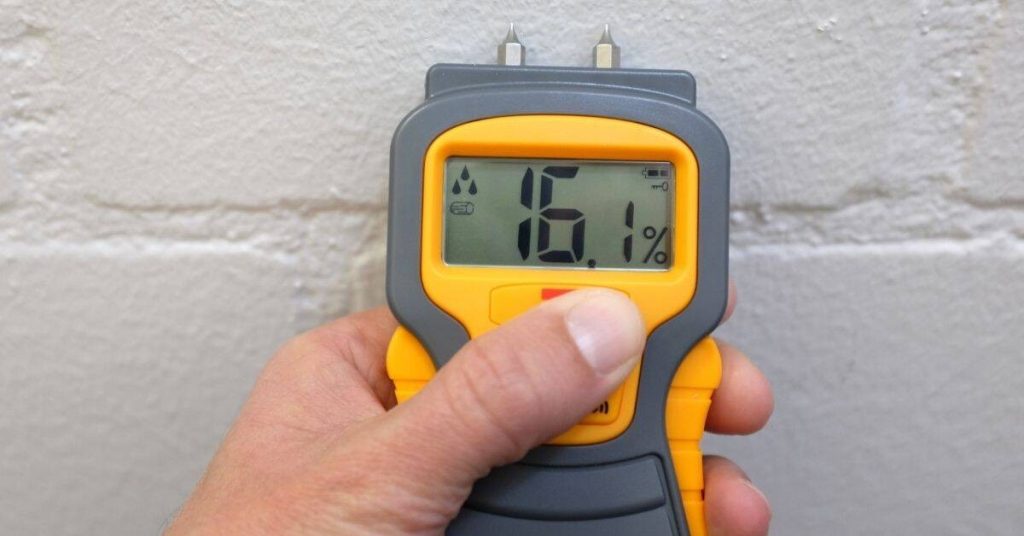
- Moisture Meter Reading: Use a simple pin-type moisture meter to check surface moisture levels. High readings may indicate moisture intrusion, but remember, results are indicative not definitive.
Quick rule: These DIY checks help you understand the problem’s nature and extent before deciding on further action or calling professionals.
Professional diagnostic methods
When DIY checks aren’t enough, it’s time to call in the pros. Here are some advanced diagnostic methods they might use:
- Infrared Thermography: This non-invasive method uses an infrared camera to detect temperature differences that may indicate moisture intrusion or insulation gaps.
- Invasive Probe/Removal: Professionals may remove small sections of stucco or use probes to check behind the wall. This invasive method provides direct evidence but causes minor damage.
- Controlled Openings: In some cases, controlled openings (small holes) are made in the stucco to insert probes and check for moisture or delamination directly.
- Relative Humidity and Moisture Content Testing: Professionals use specialized meters to measure relative humidity and moisture content within the wall assembly. High readings may indicate moisture intrusion.
- Lab Analysis: Sometimes, samples are sent to a lab for analysis to confirm the presence of mold, salts, or other contaminants that could cause bulging.
- Structural Inspection: If lath failure is suspected, a structural inspection may be needed. This involves checking the condition of the metal lath and its attachment to the wall.
Quick rule: These professional methods provide more accurate diagnoses but are typically more expensive and invasive than DIY checks.
Interpreting findings: evidence that points to moisture vs. lath failure
Create a clear split between moisture issues and local lath failure in your notes. This helps you decide on immediate actions and who to call next. Quick-reference signs keep you from mixing up causes.
Active water entry, staining, and mold point to moisture problems. Localized rust, fastener corrosion, or hollow sounding spots point toward lath or substrate failure. Use these cues to plan further steps and documentation.
Moisture-dominant indicators
When moisture is the primary culprit, you’ll see signs both inside and outside your home. Keep an eye out for these:
External signs: Water stains, efflorescence (white powdery deposits), mold or mildew growth, soft or spongy stucco, paint bubbling, and a musty odor.
Internal signs: Persistent elevated moisture readings with a moisture meter, rot in sheathing or framing, condensation patterns near exterior walls, and any evidence of drainage/vent issues like poor grading or improper flashing.
Lath/attachment-dominant indicators
If the problem is mainly due to lath or attachment failure, you’ll typically find isolated issues rather than widespread moisture damage. Here’s what to look for:
Local bulges with: Rusted or missing metal lath, corrosion at fasteners, and cracking patterns around openings. Tap these areas; if they sound hollow, it could indicate delamination.
Lack of: Water staining on the interior, rot in sheathing or framing, and signs of chronic water exposure from prior repairs.

Repair options and decision-making: repair vs. partial or full remediation
Think in tiers: localized patch, section replacement, partial system replacement, or full system replacement. Each tier has different implications for stucco, lath, and moisture barriers. Your choice depends on extent and source control.
Confirm moisture source, assess lath condition, and check for hidden damage before proceeding. Consider code and warranty requirements, and plan for drainage and flashing improvements if needed. Remember to document decisions for future maintenance.
Typical remediation methods for moisture damage
The first step is to remove all damaged stucco. This might mean chipping off bulging sections or cutting out delaminated areas.
Next, inspect and repair or replace any rotted sheathing behind the lath. Ensure there’s a solid substrate for your new work.
Restoring drainage is crucial. Check and fix any damaged flashing, and install or restore a proper drainage plane to keep water out.
Dry out the area thoroughly to prevent mold growth. Once dry, re-stucco using compatible materials that match your existing system.
Typical repairs for lath/attachment failure
Start by removing all failed lath. If it’s wood, check for rot or rust (if metal).
Reinstall new lath using proper spacing and attachment methods. Consider upgrading to modern drainage systems if your current setup is outdated.
Replace corroded fasteners with new ones that match the original material and size. Ensure they’re driven into solid substrate.
Before finishing, test your work by wetting the area to confirm water sheds properly and doesn’t get trapped behind the lath.
Cost factors and timelines: what affects price and schedule
Major costs hinge on how large the affected area is and how deep the diagnostic work goes. Non-invasive assessments add time and may require follow-up testing. Invasive steps increase both cost and disruption.
Different work scopes—exterior repair, lath replacement, sheathing work, and interior remediation—alter sequencing and quotes. Weather, permitting, and inspections also shape timelines. Avoid exact quotes here and verify with your contractor.
Repair vs. Remediation Cost Considerations
When your stucco starts bulging, you’ve got two main options: repair or full remediation. The choice affects both your wallet and the project’s timeline.
Repair: This is cheaper upfront. You’re just fixing the visible damage. But if moisture’s the cause, you might be kicking the can down the road. Missed moisture sources could lead to more repairs later.
Remediation: This is a full system replacement. It’s pricier but tackles the root cause. If moisture intrusion’s severe or lath failure’s extensive, it’s often the better long-term investment.
Before you decide, get professional advice. They can assess the damage and predict if repairs will hold up. Better safe than sorry with your home’s exterior.
Permits, Insurance, and Documentation Tips
Before you start any work, understand the paperwork side of things. It’ll save you headaches later.
Documentation: Keep records of all findings, estimates, and invoices. If you’re making an insurance claim, detailed documentation is crucial. Take photos, keep notes on tests done, and maintain a project timeline.
Permits: Depending on your location and the scope of work, you might need permits. Check with your local building department. They can tell you what’s required and guide you through the process. Permit fees are usually included in your estimate.
Estimates: When comparing quotes from contractors, make sure they’re apples-to-apples. Ask for detailed breakdowns of labor, materials, and any contingencies. This helps you understand what you’re paying for and spot any hidden costs.
Preventive measures and maintenance to avoid recurrence
Good grading and proper clearance are the first line of defense against water wicking back to the stucco. Keep vegetation and mulch away from walls and ensure drainage paths stay open. Regular checks help catch problems early.
Maintain flashing and sealants at penetrations, and reseal as needed to block water entry. Plan annual inspections and document findings to support future maintenance or warranty needs.
Seasonal and site-specific tips
Climate plays a significant role in maintaining your stucco. Here are some seasonal checks to keep in mind:
Coastal areas: Salt-laden air can corrode lath and fasteners over time. Inspect these elements annually, and consider using corrosion-resistant materials.
Freeze-thaw regions: Water trapped in the stucco can freeze and thaw, causing cracks. Ensure proper drainage and sealants to prevent water entrapment.
Heavy rainfall areas: Check for bulging or cracking after heavy rainstorms. Address any issues promptly to prevent further damage.
Materials, specs, and standards to request from contractors
Choosing the right materials is crucial for a durable stucco finish. Here’s what to look for:
- Drainage-ready stucco systems: These have built-in drainage planes to prevent moisture buildup behind the stucco.
- Corrosion-resistant lath and fasteners: Galvanized or stainless steel lath and fasteners resist corrosion, extending their lifespan.
- Appropriate weep screed and clearances: Weep screeds allow moisture to escape. Ensure they’re installed correctly with proper clearances.
- Relevant local code/industry standards: Ask contractors to follow these for a safe, durable installation.
- Avoid: Poor-quality materials can lead to cracking, staining, and weak bonds. Always opt for quality products.
Visual signs and examples to look for
Use a simple photo checklist to capture affected areas and transitions around corners, headers, and where different materials meet. Photos keep you organized for quotes and contractor reviews. Avoid rushing to patch without evaluating the source first.
Note bulge patterns and their relation to moisture sources like roof runoff or irrigation. Look for common errors such as painting over stains or fixing the surface without addressing underlying drainage. Ground-level indicators also help point to drainage or soil conditions.
How to Photograph and Document Problems for Contractors/Insurers
To help professionals assess your situation accurately, take clear, well-lit photos from various angles. Here’s how:
Exterior: Capture the entire affected area, edges, transitions (corners, headers), and any nearby sources of moisture like gutters or irrigation.
Interior: If applicable, photograph interior walls, ceilings, and floors to show signs of moisture intrusion or structural concerns. Take progression photos over time to document changes.
Include measurements in your photos where possible, and write down notes about what you’re seeing. This helps contractors and insurers understand the extent of the problem and provide accurate estimates.
Mistakes that Make Problems Worse
Before tackling repairs, understand these common mistakes to avoid making the situation worse:
- Cosmetic-only fixes: Painting over stains or patching without addressing the source just hides problems. Moisture will keep damaging your stucco.
- Ignoring flashing and grade problems: If water’s getting in, check and fix any issues with your roof flashing, caulking, or grading around your foundation.
- Using incompatible materials: Replacing damaged stucco with different materials can cause more harm. Match the existing material as closely as possible.
- Not addressing interior damage: If moisture’s getting in, it might be damaging interior walls and structures too. Don’t forget to check inside.
Remember, quick fixes often lead to bigger problems down the road. Take the time to understand and address the root cause of your stucco issues.
Conclusion
Safety first and a durable result go hand in hand. Stay focused on what matters: stop further damage, confirm the cause, and choose a repair path that lasts.
Take action as a simple, stepwise check: start with an exterior visual survey for bulges and cracks, then perform gentle moisture checks in a small, controlled area, inspect the metal lath where accessible, look for signs of water intrusion or rust, and match findings to whether the problem points to moisture or lath failure before planning repairs.
Avoid these common mistakes: rushing into patching without a proper diagnosis, cutting into the stucco or approaching electrical or concealed components without turning off power and verifying safety, and ignoring small signs that could escalate into costly, irreversible damage. Follow basic safety rules: work from a dry, stable surface, test in a small area first, and document what you find before changing anything.
If you encounter active leaks, significant structural concerns, damaged lath, or inconsistent test results, it makes sense to bring in a professional. A qualified contractor or stucco specialist can confirm the diagnosis, scope the repair, and prevent recurrence. Start now with a clear plan, and you’ll finish with a solid, safe exterior that lasts.
FAQ
How can I tell moisture issues from lath failure when I see bulging stucco?
Bulges with moisture usually show staining and a soft, squishy feel. Lath failure tends to feel hollow behind the wall and may crumble when you poke it. If you can see water stains, treat it as moisture first.
What should I inspect on the exterior first?
Look for new cracks, blistering, or paint peeling near the bulge. Check for obvious leaks or water dripping from the walls after rain. If the area stays damp, you’ve got a moisture issue to address.
What tools or tests help diagnose the problem?
Use a moisture meter to check damp spots. Gently press with a screwdriver to test firmness, but don’t pry hard. If it feels soft or the substrate gives, you’re dealing with more than a simple crack.
When should I call a pro or replace the stucco?
Call a pro if you see active leaks, large or growing bulges, or signs of lath damage. Don’t delay if you’ve disturbed the wall or you’re not sure what you’re finding. Bad work now costs more later.