Close-up of peeling white concrete sealer on wall surface

Peeling Concrete Sealer: The moisture and prep mistakes that cause failure

Introduction Peeling concrete sealer happens when a coating lifts away from the concrete rather than sticking. Moisture coming up from the slab and poor surface prep are common causes. We’ll cover the practical mistakes DIYers run into and how to spot them before sealing. Make sure the surface is clean and porous enough to accept […]

Peeling Concrete Sealer: The moisture and prep mistakes that cause failure Read More »
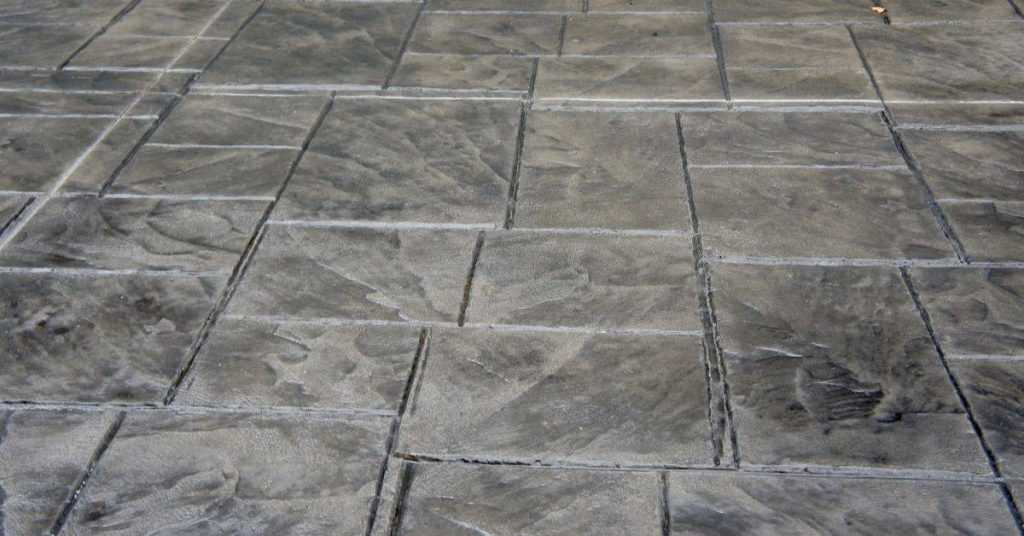
Stamped concrete patio surface with visible texture and seams

Bubbles in Concrete Sealer: Causes, prevention, and how to repair them

Introduction Bubbles in concrete sealer are air pockets that form in the film as you apply it and during curing. They usually come from trapped air, fast application, or surface moisture and dust. Always check the product label and follow surface prep steps for best results. To prevent them, apply thin, even coats and backroll

Bubbles in Concrete Sealer: Causes, prevention, and how to repair them Read More »

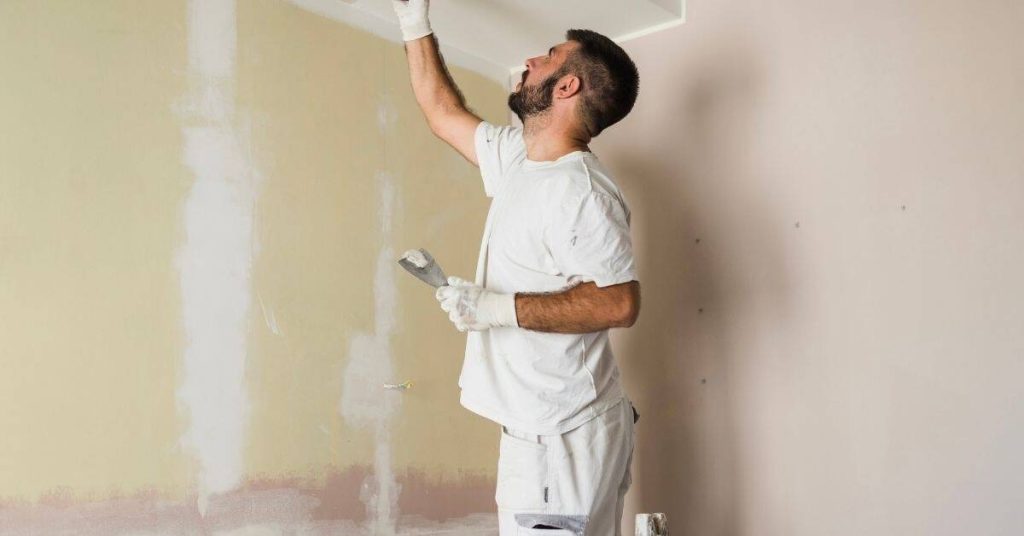
Man patching plaster on interior wall with putty knife

Patching Clay Plaster: Matching texture and color without a patch ring

Introduction Patching clay plaster means repairing damaged plaster by blending fresh material with the surrounding texture so the patch isn’t obvious. This guide treats texture and color matching as a hands-on, jobsite task you can do with basic tools. You’ll work in small steps, testing on a scrap area first. Start by cleaning the area,

Patching Clay Plaster: Matching texture and color without a patch ring Read More »

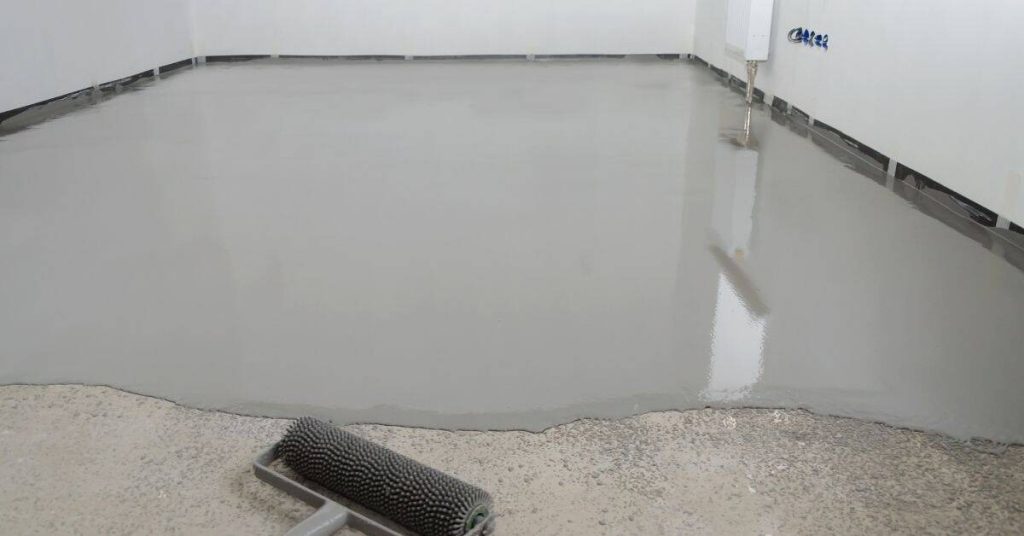
Freshly applied self-leveling concrete floor with roller

Microtopping Problems: Preventing bubbles, pinholes, and delamination

Introduction Microtopping problems are defects like bubbles, pinholes, and delamination that happen when a thin decorative concrete layer can’t bond or level properly. This article covers straightforward, hands-on steps to prevent them during mixing, prep, and application. You’ll also see how surface preparation and choosing self-leveling options can help you get a smoother, longer-lasting finish.

Microtopping Problems: Preventing bubbles, pinholes, and delamination Read More »

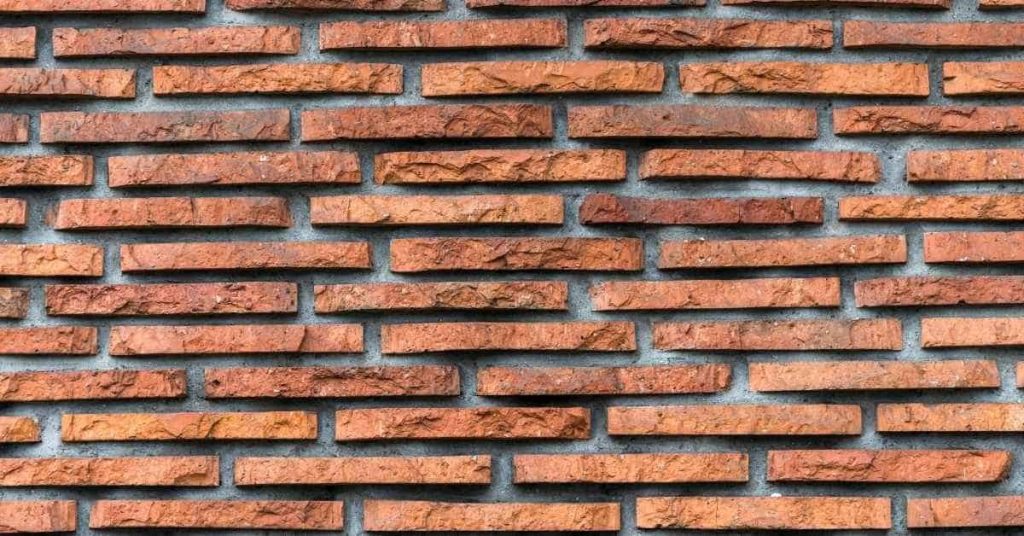
Close-up of thin red brick wall pattern with mortar joints

Overlay Thickness Rules: How thin overlays fail and what lasts outdoors

Introduction Overlay thickness rules determine how thin overlays will perform outdoors. If you go thinner than recommended, they can crack, delaminate, or wear away quickly. Always check the product label and local rules, and follow the manufacturer’s guidance for your climate and substrate. There are several overlay types you might consider, from micro-toppings to self-leveling

Overlay Thickness Rules: How thin overlays fail and what lasts outdoors Read More »

Close-up of concrete screed tool smoothing wet concrete slab

Concrete Bonding Agents: When they help and when they make repairs weaker

Introduction Bonding agents are products that help new concrete stick to old surfaces. They improve adhesion when the surface is clean, sound, and properly prepared. If you skip cleaning or misapply them, they can weaken the repair. Before choosing a method, decide whether you should repair or replace based on damage and load. Focus on

Concrete Bonding Agents: When they help and when they make repairs weaker Read More »

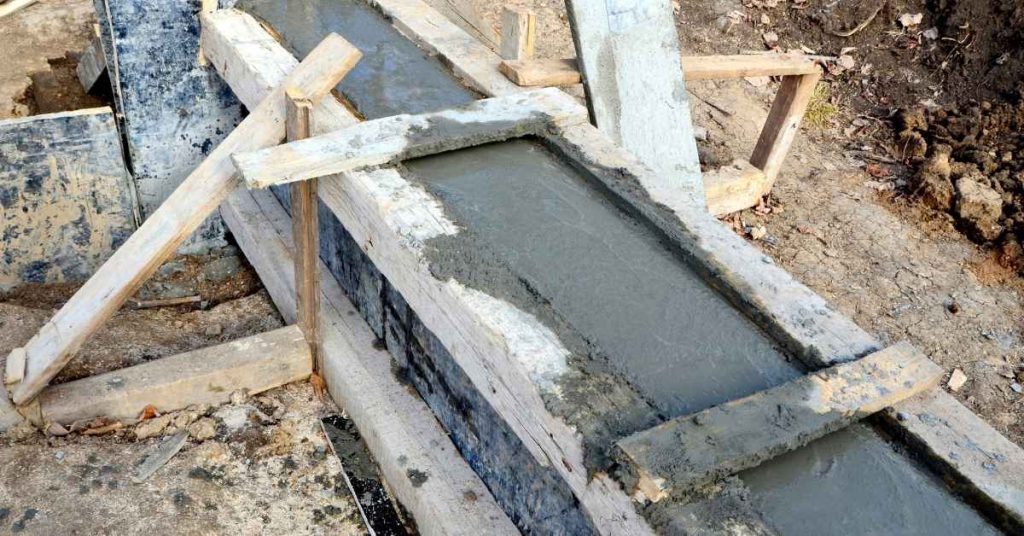
Fresh concrete poured into wooden forms at construction site

Concrete Form Release: Preventing stains, soft faces, and patchy color

Introduction Concrete form release is a coating applied to forms to prevent sticking and to help control staining and color issues on the surface. Key takeaways Choose release agents carefully; improper use can stain and dull decorative color. Plan form removal timing with manufacturer instructions and local code guidance. Use recommended tools and materials from

Concrete Form Release: Preventing stains, soft faces, and patchy color Read More »

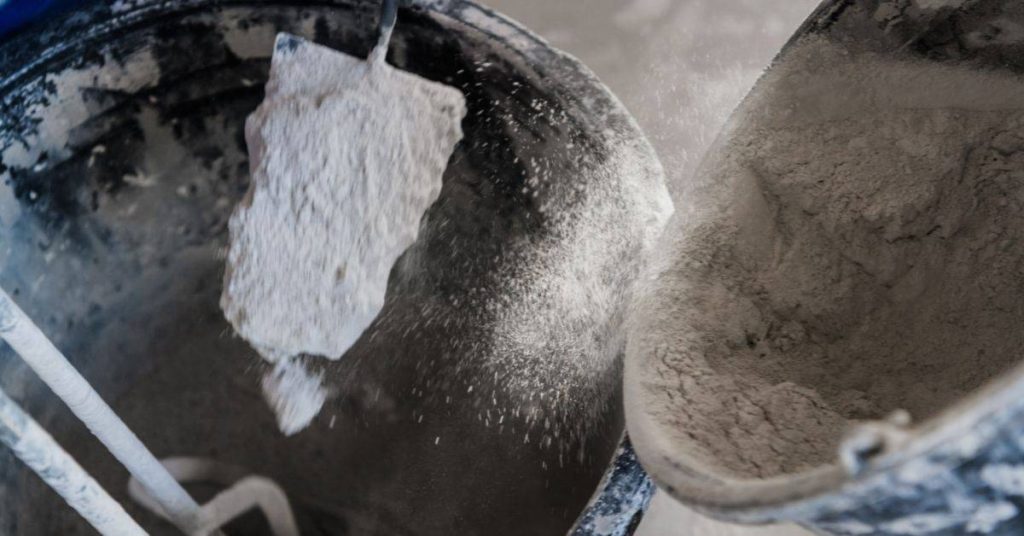
Dry concrete powder falling into mixing bucket

Concrete Workability Without Extra Water: Practical ways to loosen a mix safely

Introduction Workability without extra water means making concrete easier to work with using techniques that don’t add more liquid. You’ll want a cohesive, workable texture that stays in place as you place and finish. Start by checking the mix for uniform consistency and using the right blend of aggregates and cement in your batch. If

Concrete Workability Without Extra Water: Practical ways to loosen a mix safely Read More »

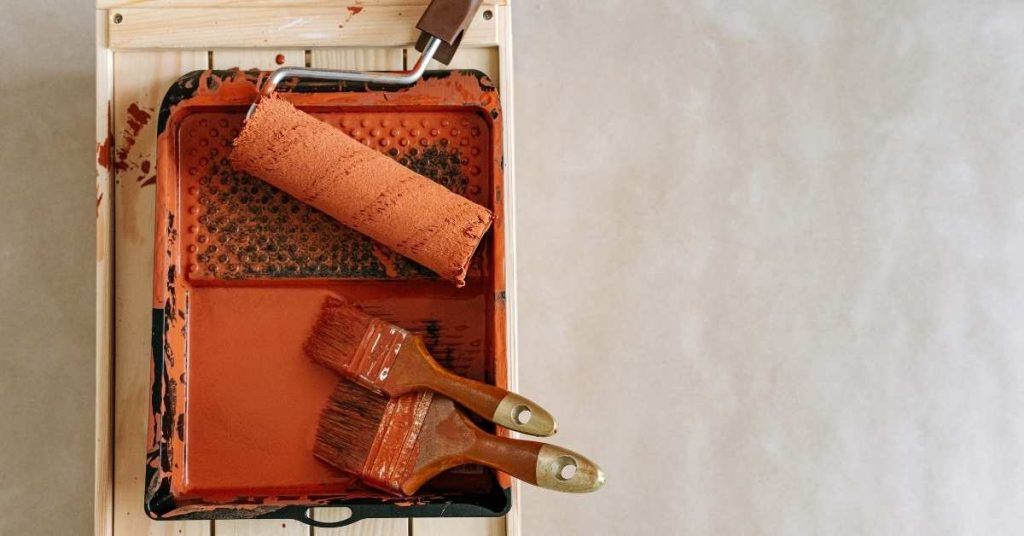
rust-colored paint roller and paintbrushes in tray on wooden surface

Painting Over Rust: Stopping bleed-through and preventing return rust

Introduction Painting over rust means sealing and coating metal surfaces to stop rust bleed-through and prevent future rust. You’ll assess the rust, clean the area, and choose a compatible primer and paint that sticks. Be sure to follow product labels and local rules. Plan to remove loose rust, neutralize corrosion as needed, and apply a

Painting Over Rust: Stopping bleed-through and preventing return rust Read More »