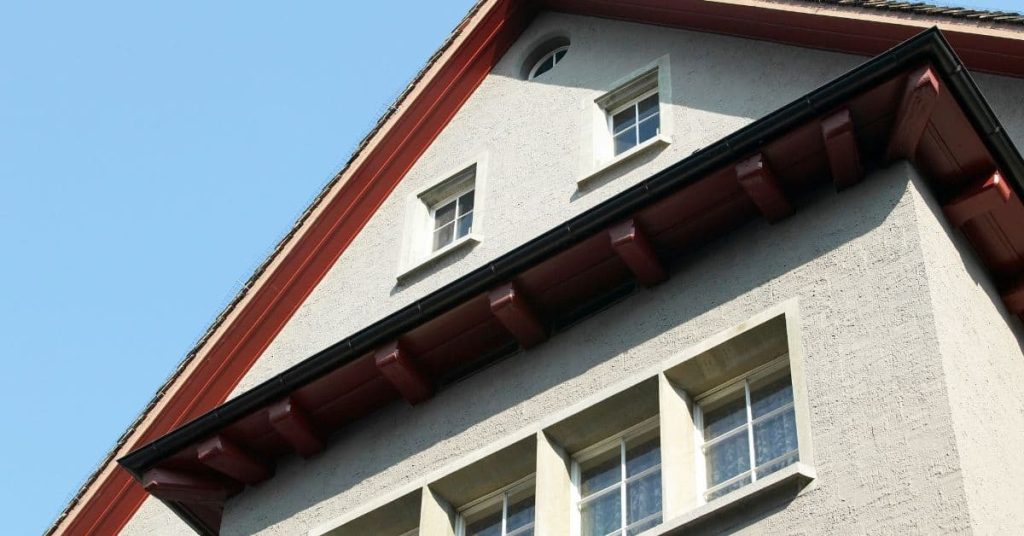
Close up of stucco exterior wall under windows with roof eaves

Water Staining on Stucco Under Windows: Causes and better details

Introduction Water staining on stucco under windows is damp marks caused by moisture seeping or condensing near the window area. It often shows as brown, gray, or darker streaks and can come from leaks, condensation, or improper flashing. Check the window flashing, sealants, and the siding above to find where moisture is entering. To address

Water Staining on Stucco Under Windows: Causes and better details Read More »

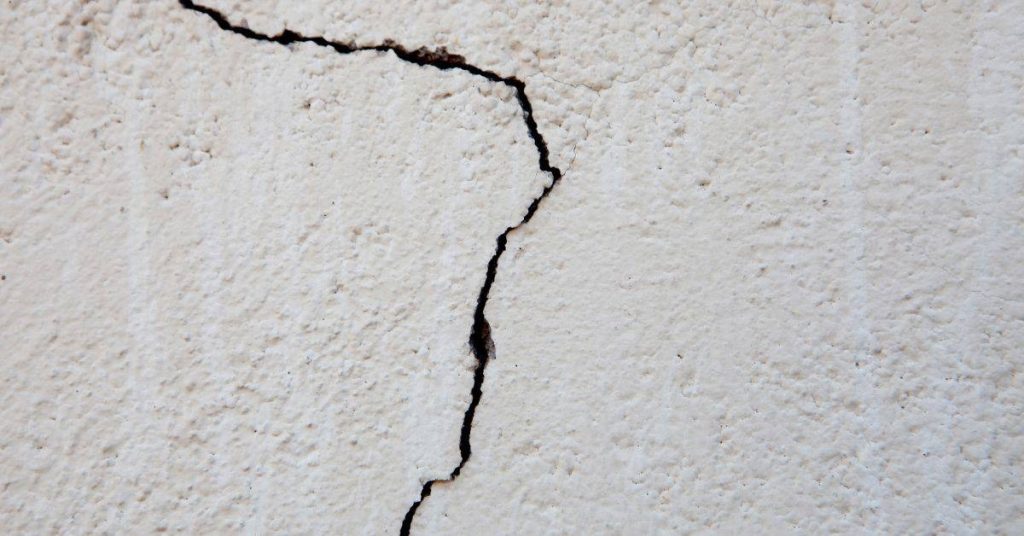
Closeup of cracked white stucco wall texture

Stucco Patch Color Matching: Avoiding halos and obvious repair rings

Introduction Color matching stucco patches means blending the new patch with the existing wall so it looks seamless. Start by inspecting the surface, note the shade under natural light, and compare small test spots. Plan to mix from the same material and apply in thin layers to avoid halos. Feather the edges and apply thin,

Stucco Patch Color Matching: Avoiding halos and obvious repair rings Read More »

Close-up of wrinkled burlap fabric texture in natural brown color

Stucco Patch Blending: Matching texture so it doesn’t flash in sunlight

Introduction Stucco patch blending is the process of making a new patch texture match the existing wall so it doesn’t flash in sunlight. Keep the goal simple: blend edges, lay color or texture subtly, and avoid obvious patches. Work in small, incremental steps and compare under the sun as you go. Check the patch material

Stucco Patch Blending: Matching texture so it doesn’t flash in sunlight Read More »

Closeup of large jagged crack in white stucco wall

Stucco Crack Patterns: What vertical, diagonal, and stair-step cracks usually mean

Introduction Vertical, diagonal, and stair-step cracks in stucco are signals of movement or stress in the wall rather than just a cosmetic flaw. These patterns often point to shifts in framing, moisture issues, or settlement and you should check the crack size, location, and whether it keeps opening after weather changes. For a DIY approach,

Stucco Crack Patterns: What vertical, diagonal, and stair-step cracks usually mean Read More »

Red concrete formwork braces supporting structure

Concrete That Turns Dark When Wet: Diagnosing porosity and finishing issues

Introduction Concrete that turns dark when wet indicates moisture affecting the surface, usually tied to porosity and finishing issues. In plain DIY terms, that color change is your cue that water is soaking in or being held near the finish. It’s a practical clue to start diagnosing what went wrong during pour, finishing, or sealing.

Concrete That Turns Dark When Wet: Diagnosing porosity and finishing issues Read More »

Rough concrete wall with horizontal wood grain texture

Lime Leaching on Concrete Features: Why it happens and how to reduce it

Introduction Lime leaching on concrete features is the migration of lime compounds to the surface, leaving white deposits. This happens when water moves through the concrete and dissolves soluble lime, then brings it up as it evaporates. For DIY work, you can slow it by careful curing, avoiding long wet periods, and following manufacturer guidance

Lime Leaching on Concrete Features: Why it happens and how to reduce it Read More »

Stacked concrete bricks and blocks outdoors

Concrete Planters: Waterproofing details that don’t peel or trap moisture

Introduction Waterproofing concrete planters means using sealants or coatings that block moisture from entering the concrete and from leaching out. Choose products labeled for concrete and exterior use, and follow the label for surface prep and drying times. Check the manufacturer instructions and local rules for any specific requirements. Apply the sealant with even coverage

Concrete Planters: Waterproofing details that don’t peel or trap moisture Read More »

Concrete surface with small holes and surface pitting

Hairline Cracks in Countertops: Repair methods that don’t leave lines

Introduction Hairline cracks in countertops are tiny, surface-level fractures that often appear in concrete or stone slabs. They can be caused by shrinkage, temperature changes, or minor impacts during curing and use. Polishing can sometimes reveal hidden flaws, so assess the whole slab before deciding how to fix it. For repair, choose materials designed for

Hairline Cracks in Countertops: Repair methods that don’t leave lines Read More »