Hammer screwdriver orange level on wooden surface

Hammer Sounding vs Chain Drag: Locating Delamination and Hollow Areas the Right Way

Introduction Hammer sounding and chain drag are practical field tests to locate delaminations and hollow areas in concrete. You tap or drag along the surface and listen for changes in tone and feel. These methods help you decide where to drill, patch, or reinforce without guesswork. Hammer sounding uses a light tapping with a hammer […]

Hammer Sounding vs Chain Drag: Locating Delamination and Hollow Areas the Right Way Read More »
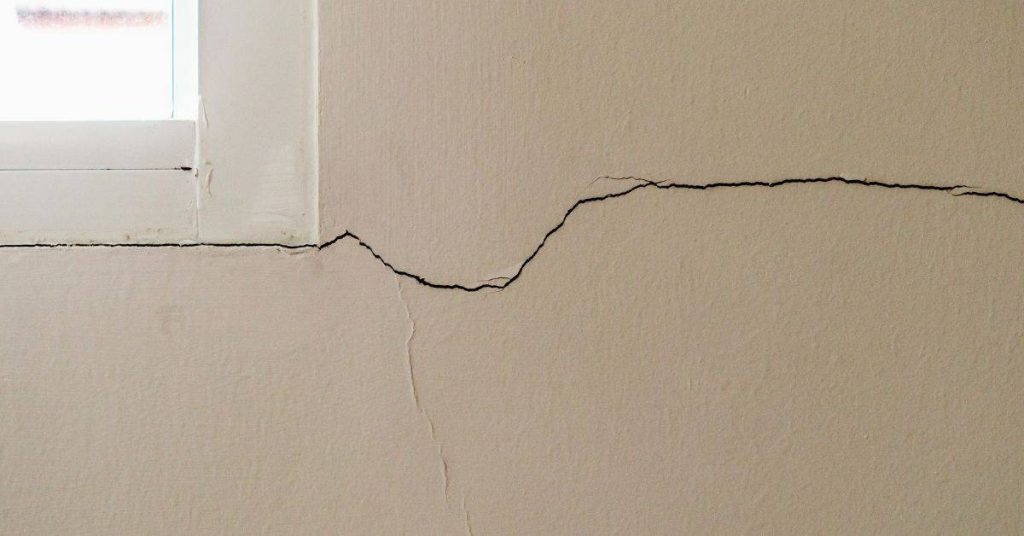
Close-up of wall crack near window frame indoors

Crack Monitoring on Slabs: Tell-Tales, Gauges, and When Movement Is Active

Introduction Crack monitoring on slabs is watching cracks for changes to tell if the slab is moving. You use simple tell-tales or gauges to notice width changes over time, so you can decide if action is needed. Keep it plain and repeatable, with measurements at the same spots. Start with an initial measurement of the

Crack Monitoring on Slabs: Tell-Tales, Gauges, and When Movement Is Active Read More »

Concrete driveway ramp with textured surface and striped sides

Concrete Moisture Mapping With RH Probes vs Handheld Meters: Choosing the Right Method

Introduction RH probes map moisture in concrete by measuring relative humidity within the slab and comparing it to a calibrated standard. They assess moisture deeper in the concrete rather than just the surface, giving a more complete picture for decisions on finishing or coatings. This article will compare that approach with handheld meters in plain,

Concrete Moisture Mapping With RH Probes vs Handheld Meters: Choosing the Right Method Read More »

Four rectangular concrete slabs with handwritten markings

Chloride Ion Testing in Old Slabs: When Salt Exposure Is the Real Problem

Introduction Chloride ion testing in old slabs is a way to find out whether salt exposure is the real problem behind concrete issues. It helps separate chloride-related damage from other moisture or subfloor failures. In plain terms, it’s part of diagnosing why a floor isn’t performing as you’d expect. Many times, moisture problems drive cracking,

Chloride Ion Testing in Old Slabs: When Salt Exposure Is the Real Problem Read More »

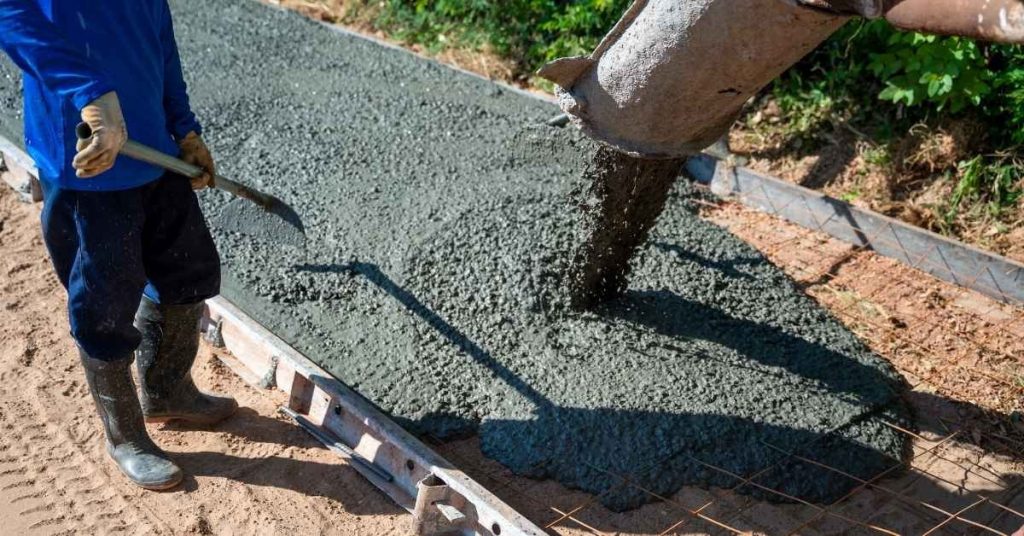
Worker pouring concrete slab with shovel and chute

Rapid Chloride Permeability (RCPT) and Alternatives: What “Low Permeability” Really Means

Introduction RCPT is a test that measures how fast chlorides pass through cured concrete. It’s a practical yardstick for judging how resistant your concrete may be to corrosion of embedded steel. This article breaks down what low permeability really means in plain language for DIY projects. We’ll cover the basic steps you’d see in an

Rapid Chloride Permeability (RCPT) and Alternatives: What “Low Permeability” Really Means Read More »

Modern concrete hospital building facade under blue sky

Surface Resistivity Testing: A Simple Durability Indicator for Chloride Exposure

Introduction Surface resistivity testing measures how easily electricity moves across the concrete surface to indicate how resistant the surface is to chloride ingress. As a DIY homeowner, you can view it as a quick check that helps you judge durability without tearing into the slab. Think of it as a simple, hands-on indicator you can

Surface Resistivity Testing: A Simple Durability Indicator for Chloride Exposure Read More »

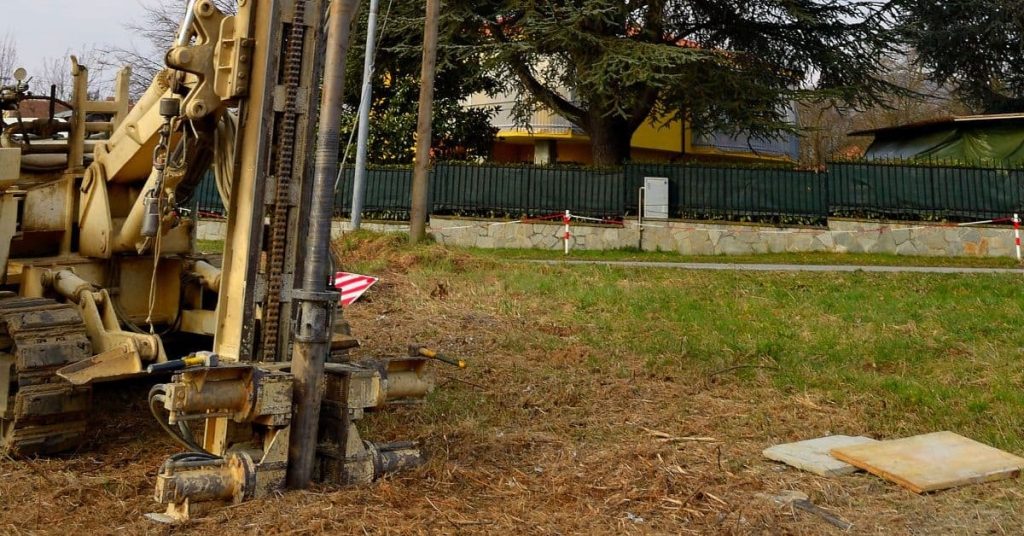
Heavy soil drilling rig on grassy field near fence

Half-Cell Potential Testing: Quick Field Check for Corrosion Risk (and Common Misreads)

Introduction Half-cell potential testing is a quick field check that estimates the likelihood of corrosion on embedded steel by measuring electrical potential at the surface. It’s a screening tool, not a crystal ball, and results should be used with other observations. Always follow the device instructions and local rules when you perform it. To perform

Half-Cell Potential Testing: Quick Field Check for Corrosion Risk (and Common Misreads) Read More »

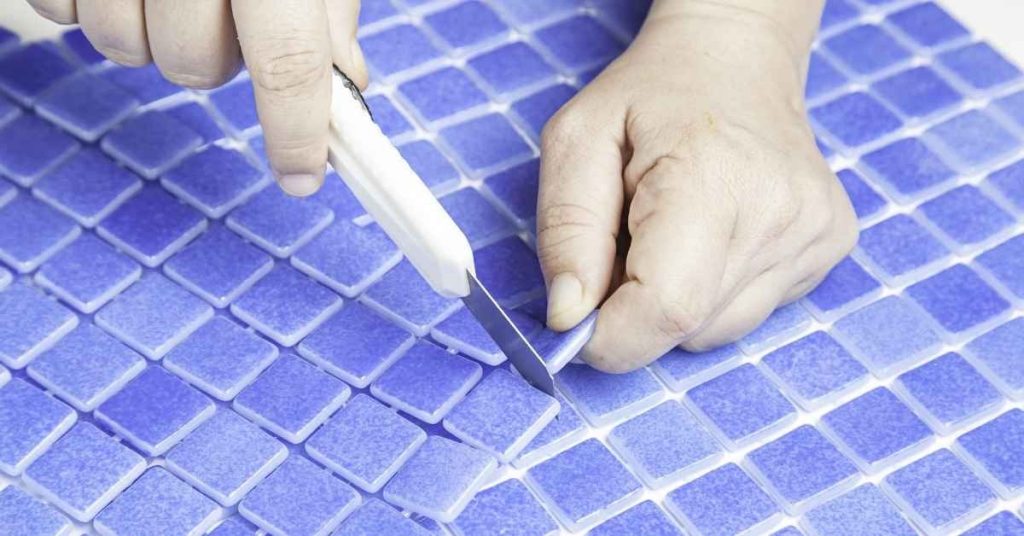
Hands cutting small blue glass mosaic tiles with a knife

Using Crushed Glass as Aggregate: ASR Risk, Mitigation, and Surface Finish

Introduction Crushed glass as aggregate is using recycled glass pieces as the rock substitute in concrete. There is an alkali-silica reaction risk with crushed glass, which varies with glass type, particle size, and the concrete mix. Always check product labels, supplier instructions, and local rules for ASR guidance and suitability. Mitigation strategies include choosing less

Using Crushed Glass as Aggregate: ASR Risk, Mitigation, and Surface Finish Read More »

Stacked hollow core concrete slabs outdoors

Recycled Concrete Aggregate (RCA) for Slabs: Gradation, Water Demand, and Pop-Out Risk

Introduction RCA for slabs is crushed concrete from demolished pavement or structures that you reuse as aggregate. You’ll typically screen and wash it to remove fines before it finds a place in a slab mix. Use it where the mix and compaction are appropriate and check local rules. Gradation and water demand depend on how

Recycled Concrete Aggregate (RCA) for Slabs: Gradation, Water Demand, and Pop-Out Risk Read More »

Exterior of house with stucco finish and tiled roof

Glass Pozzolan vs Fly Ash: Performance, Finish, and Supply Realities in 2026

Introduction Glass pozzolan and fly ash are supplementary cementitious materials that can boost concrete performance when used properly. They can improve strength development, workability, and finish quality, but results depend on the mix, curing, and finished surface. Always check the product label and follow manufacturer instructions and local rules for compatibility with your cement and

Glass Pozzolan vs Fly Ash: Performance, Finish, and Supply Realities in 2026 Read More »