Stacked rough red bricks with varying colors and textures

Lithium Nitrate Admixture for ASR Mitigation: When It’s Used and DIY Considerations

Introduction Lithium nitrate admixture is used to help mitigate ASR in concrete. This article explains when it’s typically considered and what it means for a DIY project. It’s about practical decision points you’ll face on site. Choosing lithium nitrate involves looking at product instructions, mix design goals, and local guidance. This piece covers how it […]

Lithium Nitrate Admixture for ASR Mitigation: When It’s Used and DIY Considerations Read More »
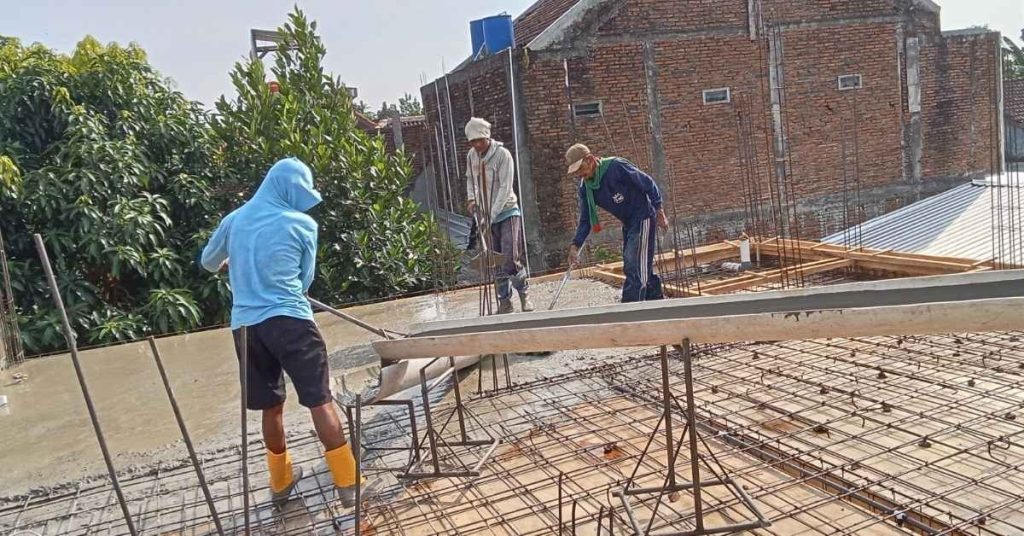
Workers pouring concrete over rebar reinforcement on building roof

Concrete Placement in Congested Rebar Without Honeycombing: Sequencing, Head Pressure, and Vibration Control

Introduction Concrete placement in congested rebar without honeycombing means planning and executing pours so concrete flows around dense steel without leaving voids. Take time to prep formwork and rebar layout, then sequence pours to keep flow paths open and minimize segregation. Choose direct discharge or pumping as your method, and use appropriate vibration and tamping

Concrete Placement in Congested Rebar Without Honeycombing: Sequencing, Head Pressure, and Vibration Control Read More »

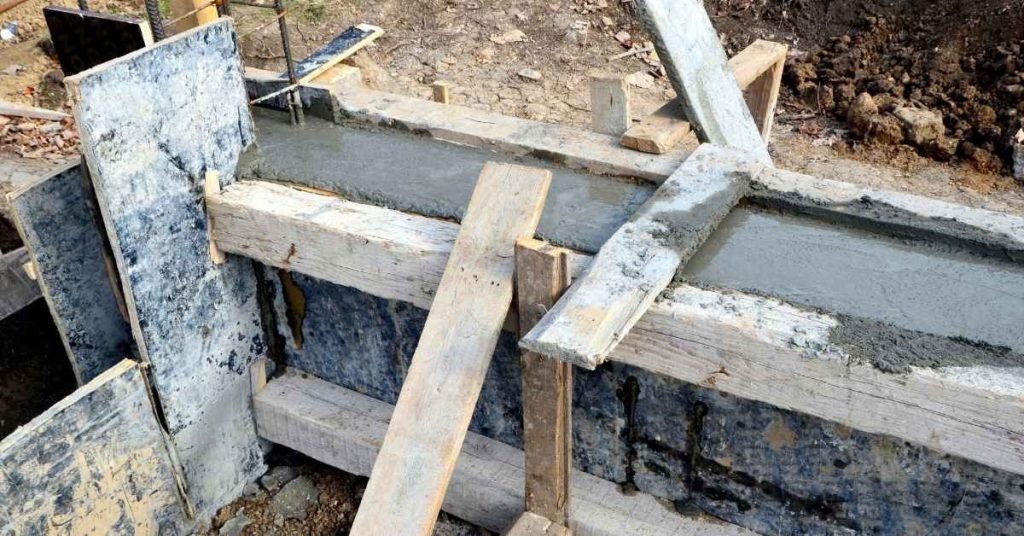
Wooden braces supporting concrete forms during pouring

How to Brace Tall Forms for Hydrostatic Pressure: A Practical DIY Design Check

Introduction Bracing tall forms against hydrostatic pressure means preventing movement and failure by anchoring and tying the forms securely. This introduction walks you through practical checks you can do on site, without heavy jargon or guesswork. Keep the focus on stability, simplicity, and safety as you set up supports. Before you pour, check that your

How to Brace Tall Forms for Hydrostatic Pressure: A Practical DIY Design Check Read More »

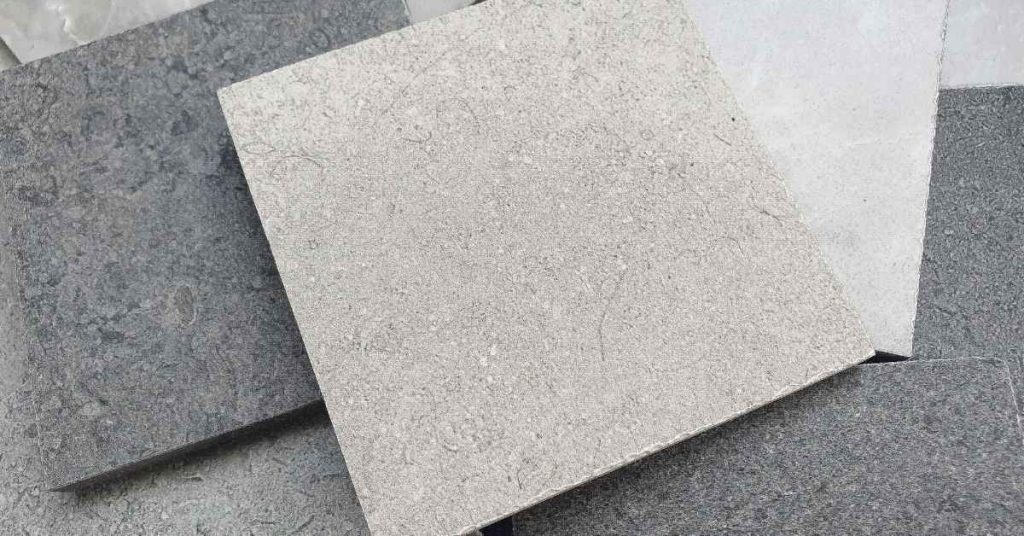
Close up of textured stone-like tiles in various gray shades

Form Liner Basics: Getting Consistent Texture and Avoiding Trapped Air Patterns

Introduction Form liner basics mean using flexible surface liners in concrete forms to shape texture and finish. They define the pattern you pull from the concrete and help control air pockets as the mix cures. We’ll cover how to choose liners, how they sit in the frame, and what to look for during setup. To

Form Liner Basics: Getting Consistent Texture and Avoiding Trapped Air Patterns Read More »

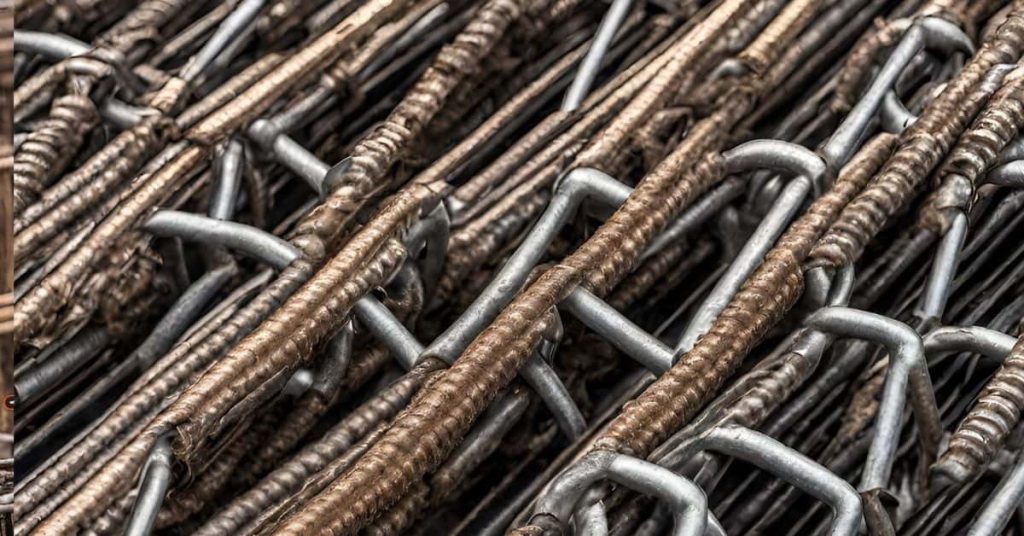
Close-up of rusted steel rebar tied with metal wire chairs

Plastic Rebar Chairs vs Wire Chairs: Avoiding Rust Staining and Punch-Through

Introduction Plastic rebar chairs are non-metal, lightweight supports that keep rebar off the form and away from the wet concrete. Unlike wire chairs, they won’t rust and stain the concrete, which helps with a cleaner pour. Check that the chairs are rated for the cover you need and compatible with your rebar size before using.

Plastic Rebar Chairs vs Wire Chairs: Avoiding Rust Staining and Punch-Through Read More »

Concrete countertop with integrated sink and black faucet

How to Avoid Rebar Shadowing on Thin Countertops: Cover, Pigment, and Sealing Strategies

Introduction Rebar shadowing on thin countertops happens when embedded metal rebar or mesh shows through the surface. This article explains practical ways to prevent that by using proper cover, pigment strategy, and sealing steps. Always verify manufacturer instructions and local rules for materials and installation before you start. Cover techniques focus on keeping the metal

How to Avoid Rebar Shadowing on Thin Countertops: Cover, Pigment, and Sealing Strategies Read More »

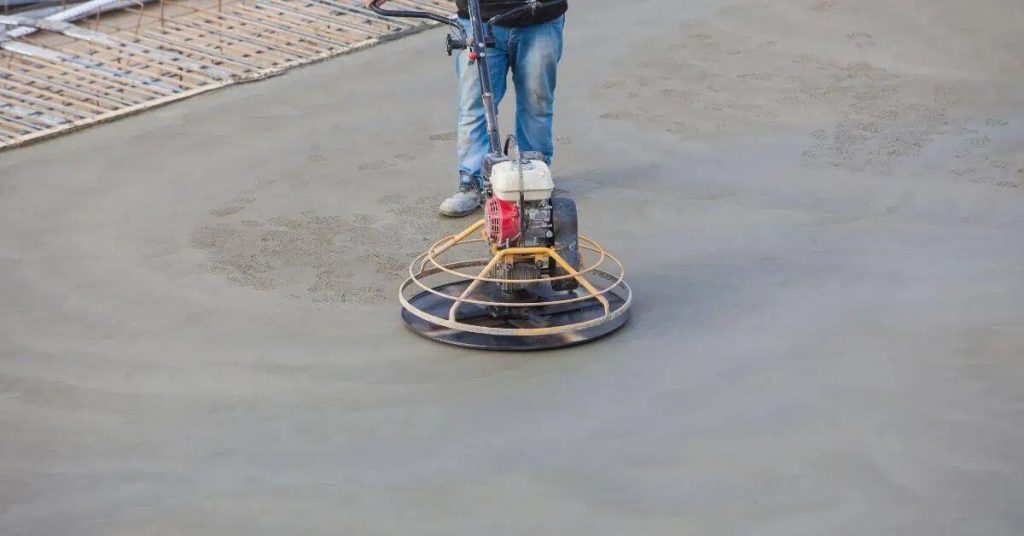
Person operating power trowel on fresh concrete surface

Concrete Finishing at High Altitude: Evaporation Spikes, Set Time Changes, and Curing Adjustments

Introduction Concrete finishing at high altitude means adjusting your process and materials to account for thinner air and changing weather so the slab cures properly and finishes stay intact. Keep the surface protected from rapid evaporation by scheduling pours for cooler parts of the day, covering with appropriate material soon after finishing, and watching wind

Concrete Finishing at High Altitude: Evaporation Spikes, Set Time Changes, and Curing Adjustments Read More »

fresh concrete partially poured on rough surface

Using Burlap for Wet Curing: How to Keep It Wet Without Staining the Surface

Introduction Burlap can be used to keep concrete moist during curing without staining the surface when applied correctly. This method relies on evenly saturated burlap laid over the fresh pour and kept moist. Check the burlap material and manufacturer guidance for suitability and any surface protection needs. Choose burlap that is plain and untreated, and

Using Burlap for Wet Curing: How to Keep It Wet Without Staining the Surface Read More »

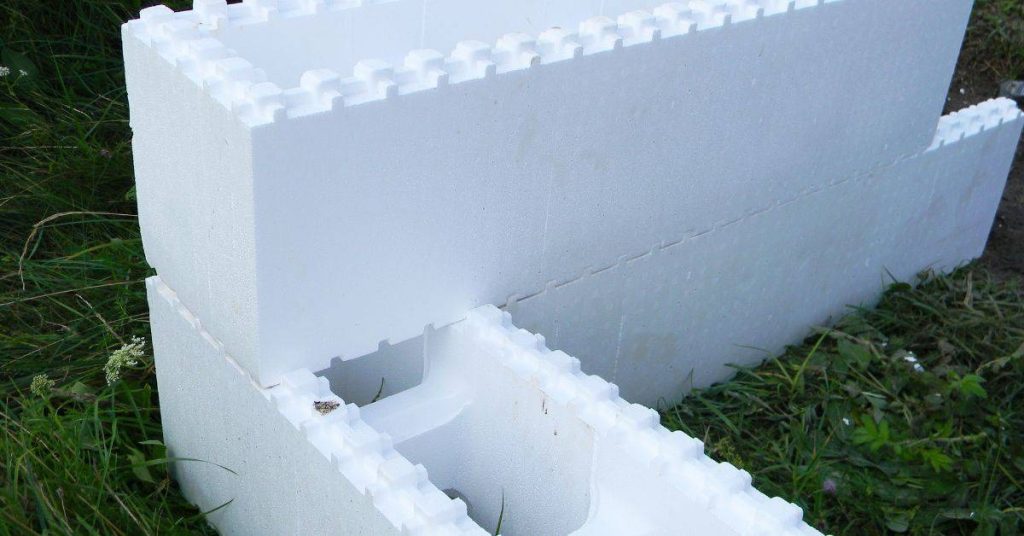
White insulated concrete forms stacked outside on grass

Curing Blankets and Insulated Tarps: Preventing Early Freeze Without Overheating

Introduction Curing blankets and insulated tarps are coverings used to shield soil and plants from early freezing while preventing overheating. In DIY terms, you can drape them over beds and secure edges with stakes or weights. Check the label for how to vent on sunny days and what materials breathe, so you don’t trap too

Curing Blankets and Insulated Tarps: Preventing Early Freeze Without Overheating Read More »

black wooden double entry doors with small window panes

Saw-Cut Timing With Early-Entry Saws: When They Beat a Standard Saw

Introduction Early-entry saws let you start a cut sooner than a standard saw. This approach aims to save time and reduce waiting around for equipment or setup. Keep in mind you must check safety and jobsite rules before changing timing. Plan your sequence, set up blades, and keep steady progression to avoid overheating or mistakes.

Saw-Cut Timing With Early-Entry Saws: When They Beat a Standard Saw Read More »