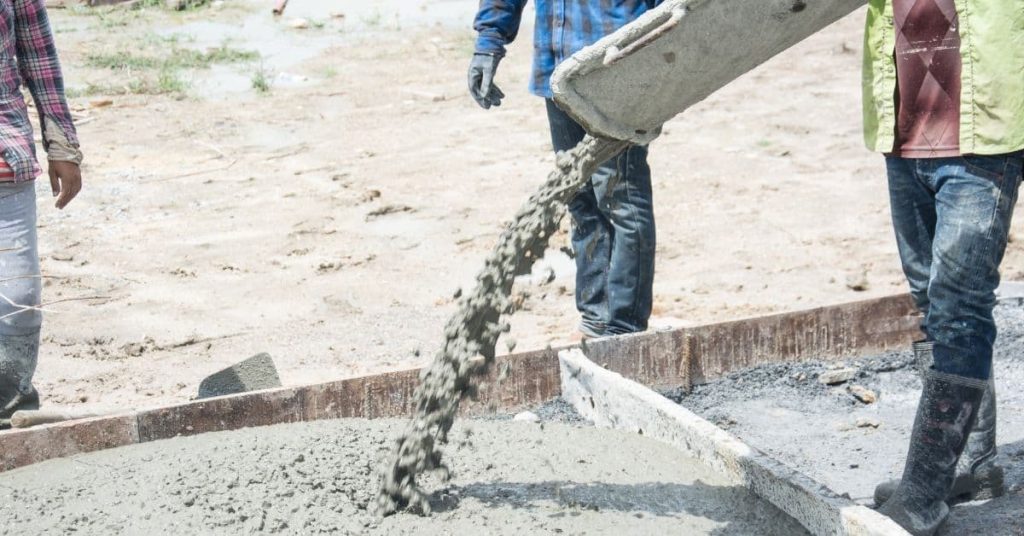
Concrete being poured into wooden slab form with workers

How to Repair Cracks at Slab Edges: Routing Shapes That Don’t Create Weak Lips

Introduction Routing shapes at slab edges is the process of cutting back the edge to remove a raised lip and form a clean, even edge for repair. This helps the patch or filler stick better and reduces future cracking along the edge. It should be done with proper tools and care to avoid creating new […]

How to Repair Cracks at Slab Edges: Routing Shapes That Don’t Create Weak Lips Read More »

Hand painting metal frame with orange paint roller

Sealing Cracks Before Painting Concrete: Fillers That Don’t Telegraph Through Topcoats

Introduction Sealing cracks before painting concrete means filling and sealing gaps so the finished surface looks uniform and the cracks don’t telegraph through the topcoat. It’s a practical, hands-on step you can tackle with basic fillers and simple tools. Always check the product label for curing time and application temperature before you start. Choose a

Sealing Cracks Before Painting Concrete: Fillers That Don’t Telegraph Through Topcoats Read More »

Hand painting interior wall corner with roller

Painting Over Powdery Masonry: Consolidants vs Primers and When to Repoint First

Introduction Consolidants and primers are coatings used on powdery masonry to stop dusting and ready the wall for paint. Consolidants penetrate and bind loose material, while primers create a sealed, paint-ready surface. Choose based on the condition of the masonry and follow manufacturer instructions. If the masonry is badly eroded or the joints crumble, repointing

Painting Over Powdery Masonry: Consolidants vs Primers and When to Repoint First Read More »

painted concrete porch floor with chairs and small table

Concrete Floor Paint Blistering Months Later: Vapor Drive vs Cleaning Residues

Introduction Blistering on a finished concrete floor is when paint bubbles and lifts away months after you painted. Two common culprits are vapor drive from the slab and leftover cleaning residues. Both causes require different fixes, so identify which is at fault before touching up. To tell which is the cause, check for moisture or

Concrete Floor Paint Blistering Months Later: Vapor Drive vs Cleaning Residues Read More »

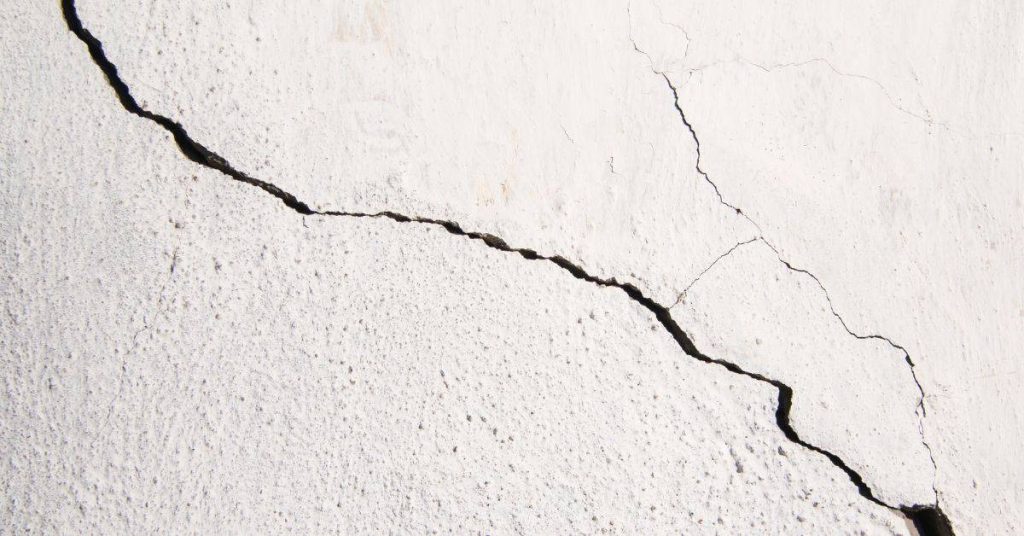
Closeup of large crack in white stucco wall surface

Tracking Crack Movement With Cheap Gauges: What to Record and How to Interpret It

Introduction Tracking crack movement with cheap gauges means using simple, low-cost devices to measure how cracks in concrete or masonry open, close, or shift over time. Place the gauges at consistent points on or near the crack and record readings at regular intervals, then photograph the crack and note the date and weather each time.

Tracking Crack Movement With Cheap Gauges: What to Record and How to Interpret It Read More »

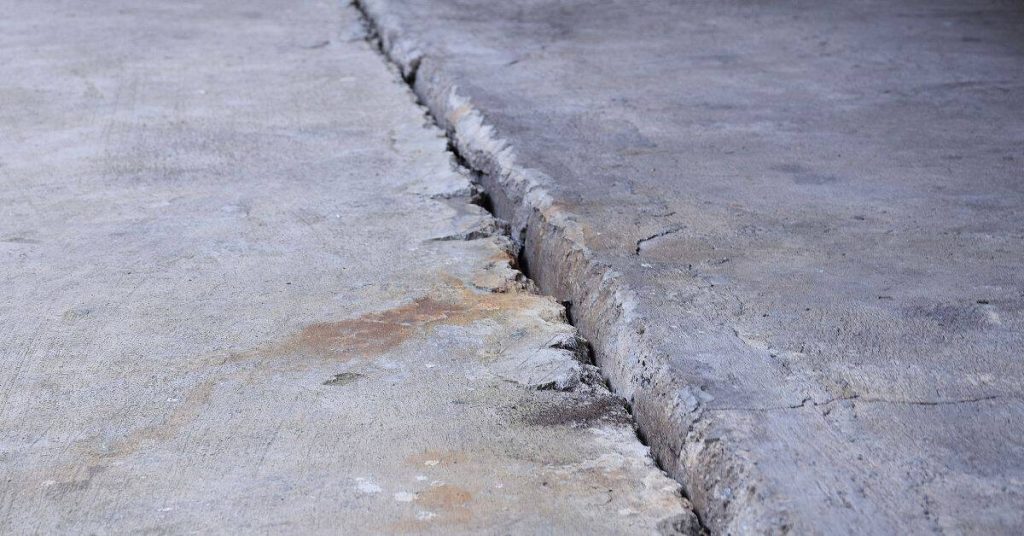
Closeup of a wide crack in a concrete slab surface

Concrete Crack ‘Wetting Test’: Using Water to Reveal Active Movement and Leak Paths

Introduction A wetting test is a simple way to reveal active movement and leak paths in concrete. Apply water to the surface and watch how it spreads to identify cracks, joints, or porous areas. This helps you see where water can travel and where repairs may be needed. Keep the test small and controlled, and

Concrete Crack ‘Wetting Test’: Using Water to Reveal Active Movement and Leak Paths Read More »

Concrete window sill beneath an open window

Removing Silicone Smears From Concrete: Why Sealers Fish-Eye and How to Fix It

Introduction Silicone smears on concrete are leftover sealant residues that can ruin a finish. They create spots where new coatings won’t adhere properly. That adhesion gap is what we mean by fish-eye and it shows up as specks or craters. Plan a careful cleanup: choose a remover that matches the sealant and the concrete, and

Removing Silicone Smears From Concrete: Why Sealers Fish-Eye and How to Fix It Read More »

Closeup of stacked gray concrete cinder blocks

Removing Mulch Dye Stains on Concrete: Why They Stick and How to Lift Them

Introduction Mulch dye stains are color residues left on concrete after mulch pigments dry. Key takeaways Act quickly on fresh dye stains; blot, rinse, and avoid spreading. Identify stain type before treatment: dye stain, discoloration, or finish film. Test cleaner on a small area first to prevent damage. Use least-aggressive methods in sequence; wear eye/skin

Removing Mulch Dye Stains on Concrete: Why They Stick and How to Lift Them Read More »

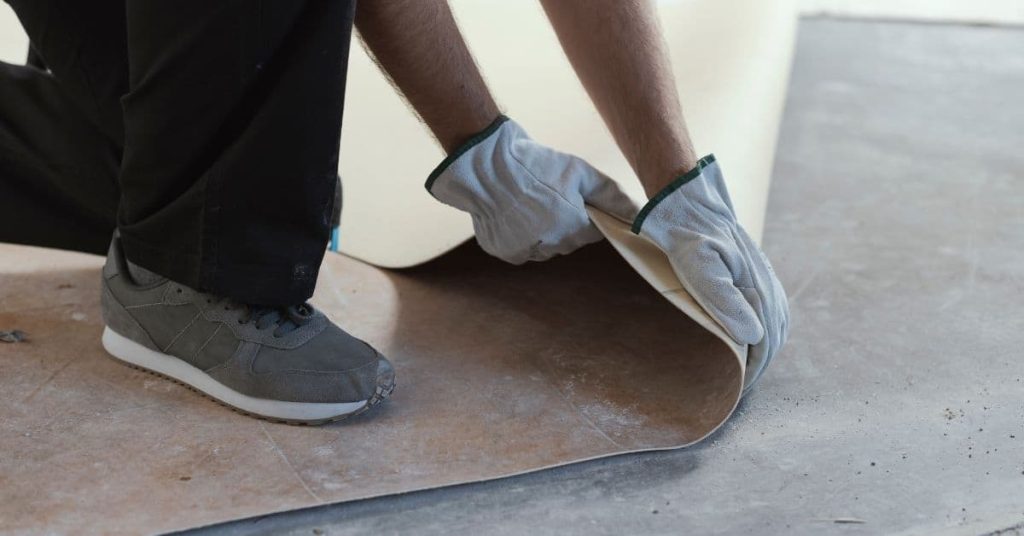
Person peeling linoleum flooring off concrete floor

Removing BBQ Grease From Concrete: Heat, Degreasers, and When to Use Poultice

Introduction Removing BBQ grease from concrete means using heat, cleaners, and poultices to lift and dissolve oil stains from a concrete surface. It’s a hands-on process you can tackle in stages, starting with a test spot and moving to the bigger area. Check the surface, ventilation, and local rules before you begin, and read product

Removing BBQ Grease From Concrete: Heat, Degreasers, and When to Use Poultice Read More »

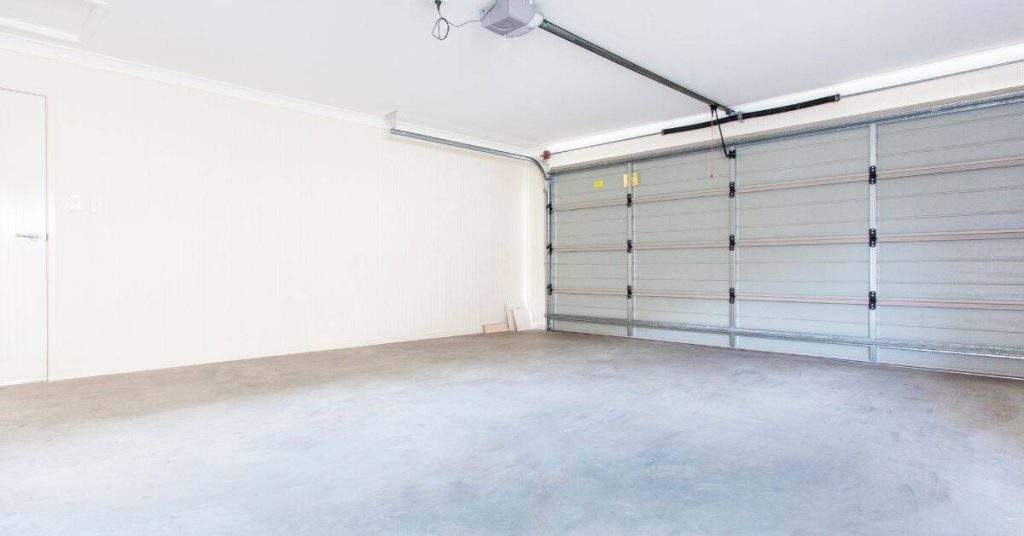
Empty residential garage with concrete floor and closed garage door

Cleaning Concrete After Fertilizer Spills: Salts, Staining, and Rinse Rules

Introduction Cleaning concrete after fertilizer spills involves removing salts and stains while rinsing away residue. Fertilizers can leave mineral salts that pull water from the surface and leave pale or dark spots. This guide keeps it practical for DIY work and warns you to follow product labels and local rules. Start by rinsing the area

Cleaning Concrete After Fertilizer Spills: Salts, Staining, and Rinse Rules Read More »